For more information about senior living options: (866) 208-4318
3.7 from 108 reviews
5 stars
67
4 stars
6
3 stars
1
2 stars
0
1 stars
34
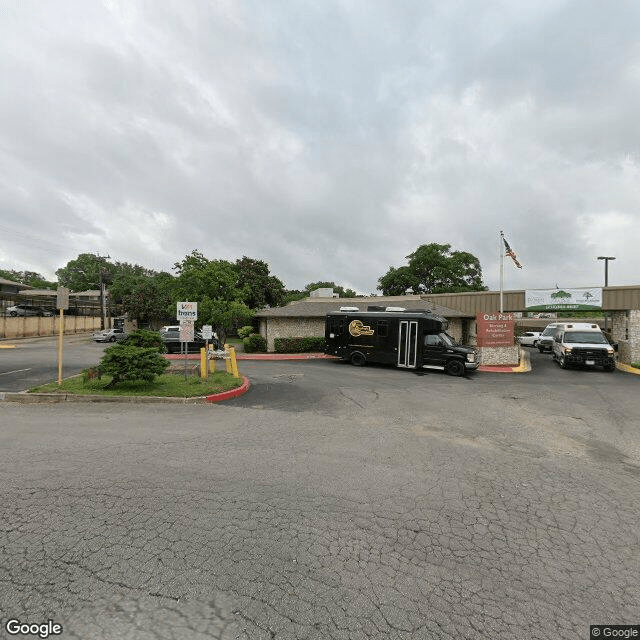
Overall Review of Oak Park
common32 reviews mention this
Staff warmth and professionalism stand out
Residents and families frequently describe staff as helpful, kind, and professional.
A large share of reviewers say the staff is welcoming and responsive, often highlighting specific people in nursing, caregiving, and the front office. Multiple reviews mention that families feel at ease because staff members answer questions, help with daily needs, and communicate changes. Cleanliness and day-to-day attention are also tied to how residents and families describe the team’s attitude and follow-through.
common10 reviews mention this
Activities and parties keep residents engaged
Frequent activities and resident celebrations are a consistent positive in reviews.
Reviewers commonly mention parties, special events, and ongoing activity programming that helps residents stay social. Several descriptions point to activity staff support and family members being able to participate through visits and updates. One reviewer specifically calls out dementia-unit participation in community events, emphasizing inclusion rather than passive watching.
caveat12 reviews mention this
Cleanliness is praised, but disputed
Many reviews mention cleanliness, though some report serious cleanliness problems.
Many reviewers describe the facility as clean and well maintained, including room remodeling and a generally tidy environment. At the same time, several critical reviews say the building smelled unpleasant, restrooms were dirty, and conditions were unacceptable. Because the feedback is mixed, cleanliness appears to be a recurring point where residents and families can have very different experiences.
caveat6 reviews mention this
Communication and phones are inconsistent
Some families report that phone access and communication can be unreliable.
Several reviewers complain that calls go unanswered or that reaching the right person takes too long, including hang-ups and long hold times. Other feedback is more positive, describing a receptionist who helps with questions, deliveries, and directing calls. There are also reviews that say communication after admission or during concerns can break down, contributing to frustration for families.
caveat19 reviews mention this
Care responsiveness and follow-through vary
Reviews describe both strong care moments and serious concerns about responsiveness.
Some residents and families praise caregiving that feels around-the-clock and consistent, including nurses and aides who respond to needs and keep families informed. Other reviews, however, describe delayed responses to call lights, late medication, neglected changes, and problems with basic care (including toileting and wound/IV-related attention). With reports ranging from exceptional to deeply concerning, care follow-through and timeliness appear uneven across reviewers.
How we summarize
Counts show how many written reviews mention each theme; a review can touch several themes, and only frequently mentioned themes are displayed.
Features
Types of Care
Skilled Nursing Facility
Amenities
Activities off-site
Activities on-site
Devotional services on-site
Indoor common areas
Outdoor common areas
Transportation
San Antonio International (7 miles away)
Care Services
High acuity care
Incontinence care
Medication management
Dining
Gluten-free
Kosher
Low / no sodium
Meals provided
No Sugar
Organic
Vegan
Vegetarian
Activities
Activities off-site
Activities on-site
Catholic services
Devotional activities on-site
Other religious services
Protestant services
Visiting Rabbi
Visiting chaplain or priest
Nearby Places of Interest
This part of San Antonio, Texas, offers a variety of amenities that cater to the needs and interests of senior residents. With close proximity to medical centers, hospitals, pharmacies, and physicians' offices, seniors can easily access healthcare services. The area also features parks for recreational activities such as volleyball and walking trails at Woodlawn Lake Park. Additionally, there are a variety of dining options ranging from fast food to Mediterranean cuisine. For entertainment, residents can visit nearby theaters like Cinemark San Antonio 16. Overall, this neighborhood provides a convenient and well-rounded environment for seniors looking to enjoy their retirement years in San Antonio.
Parks
Medical Center Volleyball Courts (0.2 miles)
Woodlawn Lake Park (4.5 miles)
Phil Hardberger Dog Park (5.3 miles)
Physicians
2040 Building (0.3 miles)
Methodist Cardiology Clinic of San Antonio-Transitional Clinic (0.6 miles)
Physicians Plaza II (0.9 miles)
Advanced Pain Relief Institute (1.1 miles)
San Antonio Preventive & Diagnostic Medicine (1.2 miles)
Yesnocovid (1.2 miles)
Consultants in Pain Management (1.2 miles)
Hospitals
University Hospital Sky Tower (0.5 miles)
University Hospital (0.5 miles)
Audie L Murphy Memorial Veterans Hospital (0.5 miles)
Methodist Hospital (0.5 miles)
Audie L. Murphy Memorial VA Hospital (0.6 miles)
St Luke's Baptist Hospital (0.8 miles)
Texsan Heart Hospital (1.9 miles)
Pharmacies
Walgreens (0.7 miles)
CVS Pharmacy (0.7 miles)
CVS Pharmacy (1.3 miles)
CVS Pharmacy (2.1 miles)
Walgreens (2.2 miles)
CVS Pharmacy (2.5 miles)
Walgreens (2.6 miles)
Restaurants
Whataburger (0.9 miles)
McDonald's (1.6 miles)
Babe's Old Fashioned Hamburgers (1.6 miles)
Las Palapas (1.6 miles)
Syrian Kitchen (1.7 miles)
Chick-Fil-A (1.7 miles)
Pasha Mediterranean Grill (2.1 miles)
Theaters
Cinemark San Antonio 16 (1.2 miles)
Regal Huebner Oaks & RPX (3.3 miles)
Alamo Drafthouse Park North (4.6 miles)
Cafes
Starbucks (1.4 miles)
Places of Worship
Primera Iglesia Bautista Mexicana-San Antonio (3.1 miles)
Home health care aides provide vital medical and non-medical support to individuals at home, assisting with daily living activities and promoting emotional well-being, while the demand for these services increases due to an aging population. Families benefit from in-home care's flexibility and cost-effectiveness but face challenges like scheduling consistency and caregiver turnover.
Older adults with urinary tract infections (UTIs) often present atypical symptoms, complicating diagnosis due to factors like incomplete bladder emptying and chronic health conditions that increase their susceptibility. Effective management involves prompt treatment with antibiotics, hydration, and preventive strategies while minimizing antibiotic resistance and focusing on holistic care approaches.
California's Form 602A is a vital tool for evaluating the health needs of seniors seeking residential care, detailing their medical conditions and daily living requirements to ensure proper service alignment. This standardized form enhances communication among physicians, families, and facilities, serving as a regulatory measure for admissions and ongoing care while adapting to changing healthcare practices.
Get PricingAsk A QuestionSchedule A TourContact Senior Advisor
By clicking submit, you agree to our Partner's Terms of Use. You
also consent to receive calls and texts, which may be autodialed, from our Partner. Your consent is not a condition to
using our Partner's service. Please visit our Partner's Privacy Policy for information about their privacy practices.

 Skilled Nursing Facility
 Activities off-site
 Devotional services on-site
 Indoor common areas
 Outdoor common areas
 San Antonio International (7 miles away)
 High acuity care
 Incontinence care
 Medication management
 Gluten-free
 Catholic services
 Visiting Rabbi
 Luxurious amenities with comprehensive care and engaging activities.


 Home Health Care Aides: Understanding Their Role and Supporting Your Family
 Urinary Tract Infections in Older Adults: Comprehensive Insights on Symptoms, Treatment, and Prevention
 California's Form 602A: An In-Depth Examination of Senior Care Assessment