Oak Park Nursing And Rehabilitation Center

Save

  • Interior

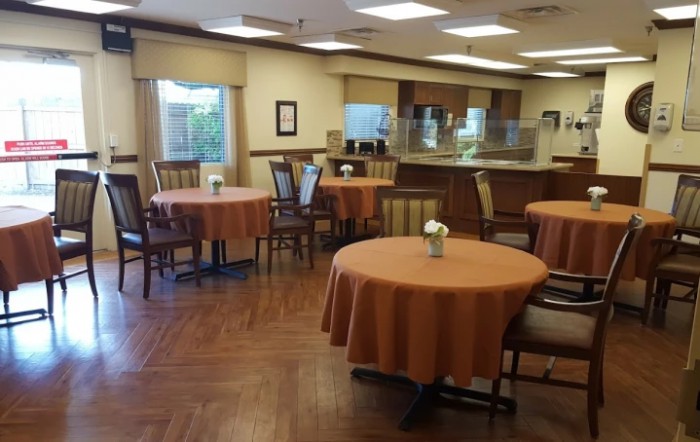
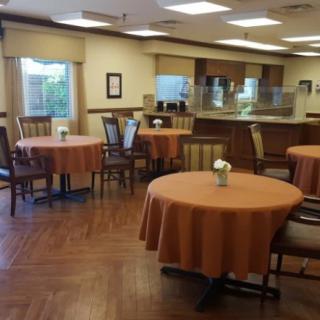
    A cozy dining room with round tables covered in orange tablecloths.
  • Decor

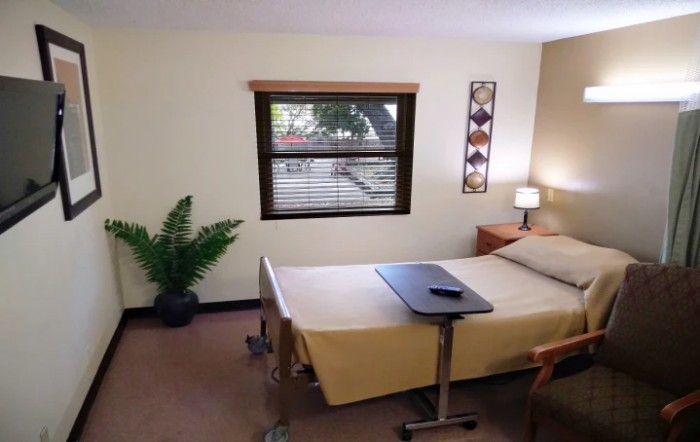
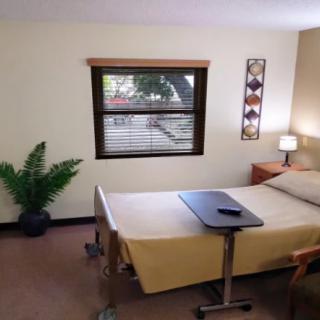
    A cozy single bedroom with a window, bedside lamp, and an overbed table.
  • Living Room

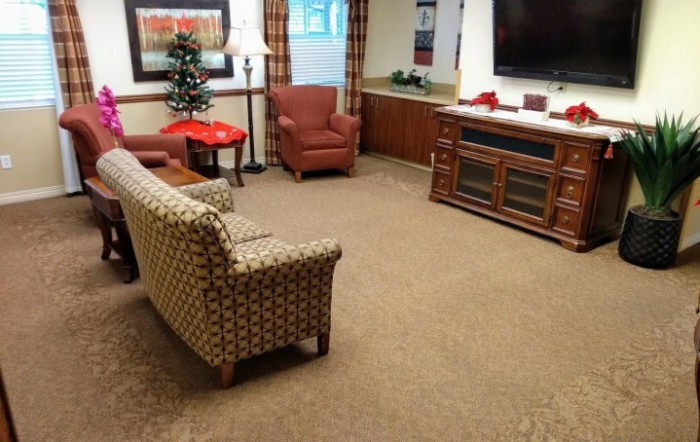
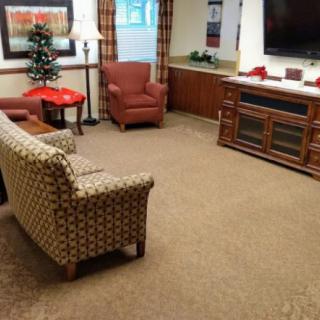
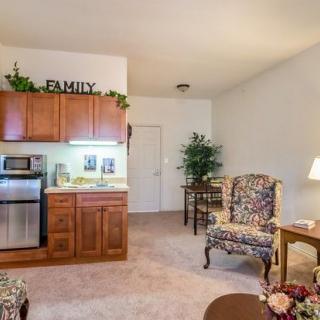
    A cozy living room with comfortable seating, a large television, and decorative elements.
  • Building

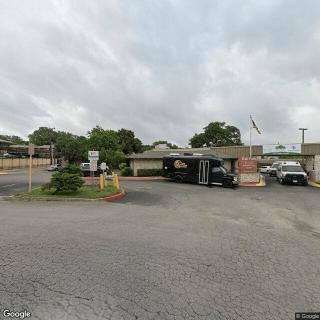
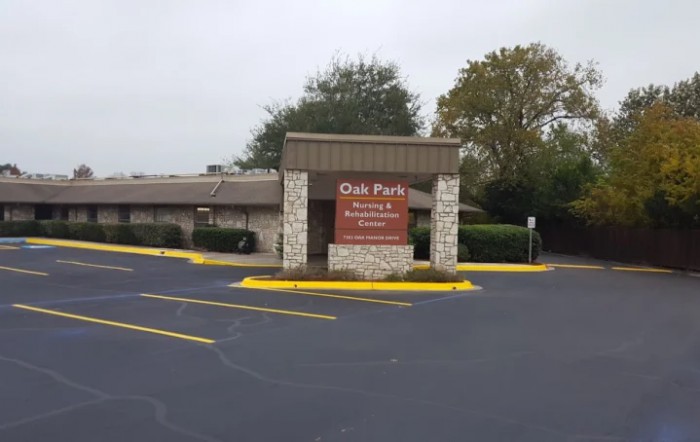
    An entrance to Oak Farms Dairy with a visible sign and adjacent parking lot.
  • Architecture

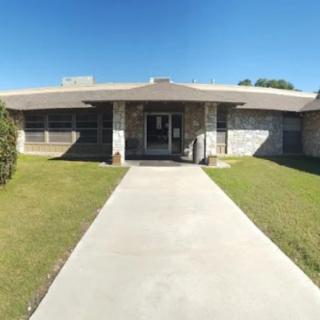
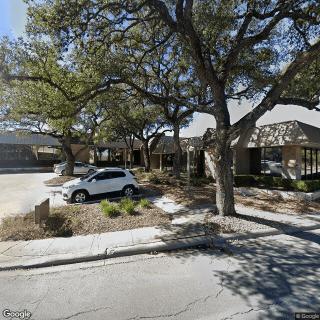
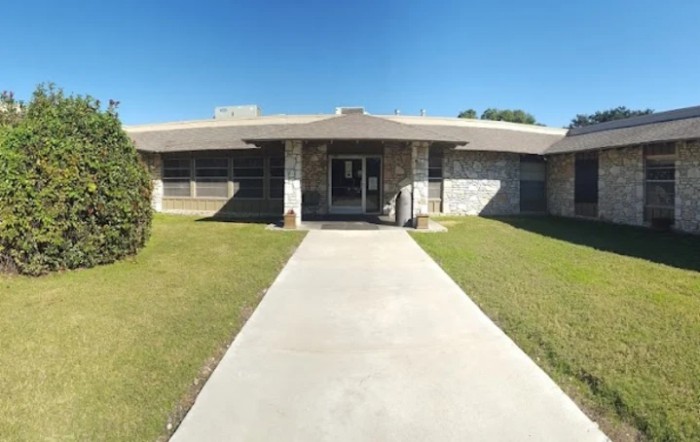
    A front view of a building with a concrete sidewalk leading to the entrance under a clear blue sky.
  • Trees

    A peaceful backyard patio area with outdoor seating, surrounded by lush trees and a wooden fence.
  • Garden

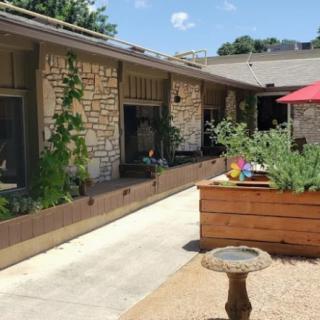
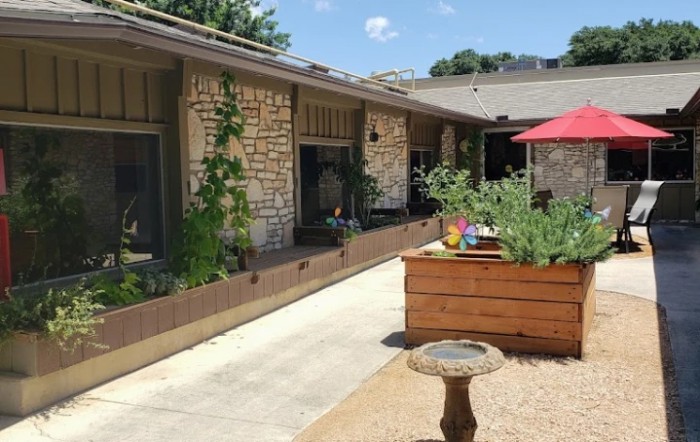
    A sunny patio with stone walls, raised planter boxes, and a red umbrella.
  • Television

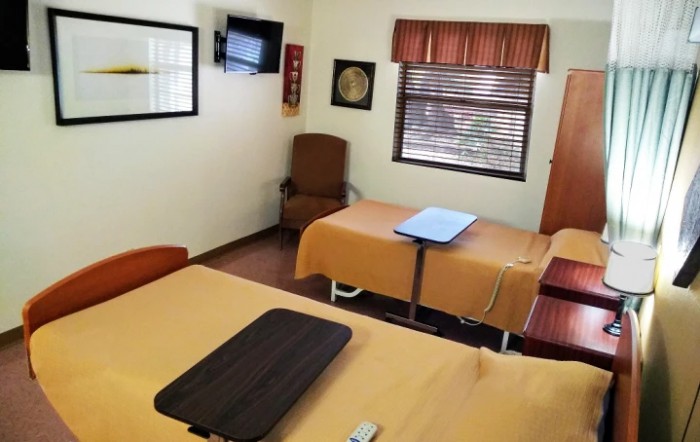
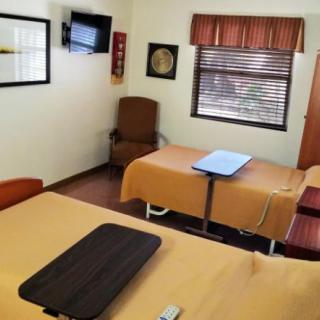
    A hospital room with two patient beds, a wall-mounted television, and window blinds.
  • Wall Art

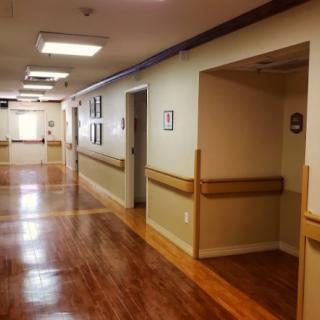
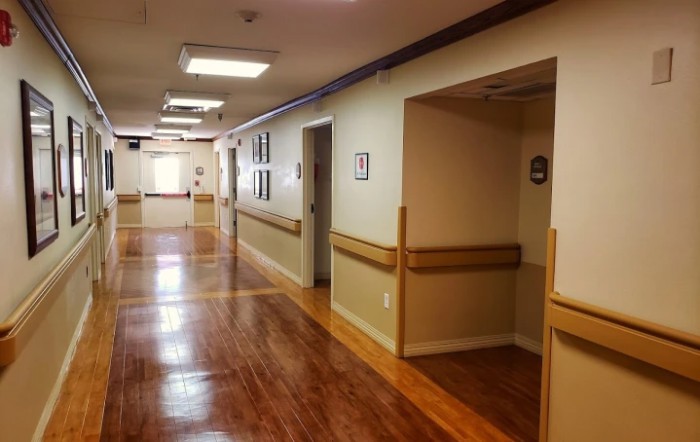
    A clean and well-lit hallway with wooden floors and doorways on each side.
  • Hallway

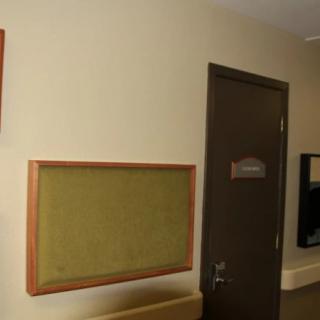
    A hallway featuring a notice board mounted on beige walls, with a closed door nearby.
  • Computers

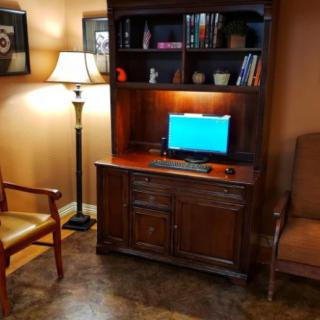
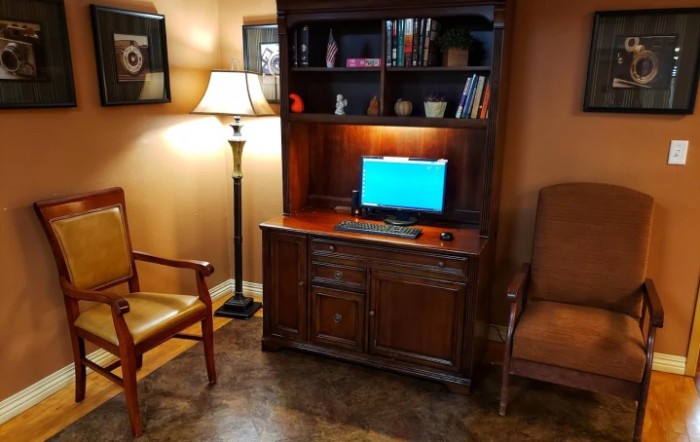
    A cozy room with a computer desk and bookshelf setup.

Oak Park Nursing And Rehabilitation Center

7302 Oak Manor Drive, San Antonio, TX 78229

For more information about senior living options: (844) 490-3973

3.6 from 91 reviews
5 stars
57
4 stars
3
3 stars
1
2 stars
0
1 stars
30

Skilled Nursing Facility

What level of care are you interested in?

Assisted Living

Memory Care

Independent Living

Skilled Nursing Facility

Continuing Care Retirement Community (CCRC)CCRC

Other


Request a tour at Oak Park Nursing And Rehabilitation Center

    Overall Review of Oak Park Nursing And Rehabilitation Center

    Pros

    • pro The Activity Director's Hawaiian-themed party exceeded expectations and brought joy to residents.
    • pro The staff treat residents with love and respect and provide around-the-clock care.
    • pro Yvette Alcantar is described as an amazing CNA who cares for residents with kindness and goes above and beyond.
    • pro Memory Care is praised for helping residents feel comfortable, with Yvette regarded as a favorite.
    • pro Terresa is described as helpful and knowledgeable in care.
    • pro The facility is clean, professional, with friendly and welcoming staff, including a helpful receptionist.
    • pro Oak Park Nursing and Rehabilitation Center is seen as compassionate and excellent, with staff who go the extra mile.
    • pro The dining options are well-balanced and accommodate various dietary needs.
    • pro The environment is clean, inviting, and filled with activities, giving residents a sense of home.
    • pro The rehab team is praised, with Annette and Renee highlighted as exceptionally helpful.

    Cons

    • pro There were never any staff at the front desk and the doors were left open, allowing residents to come and go unsupervised, which was described as neglect.
    • pro A resident waited 45 minutes for nurse assistance after an incontinent incident, and staff did not respond or communicate.
    • pro The reviewer was told she could not return to visit her brother after addressing concerns.
    • pro Staff were described as rude to the reviewer.
    • pro Negligent care allegedly caused a resident's condition to deteriorate, requiring hospital readmission.
    • pro Family members reported having to constantly instruct staff on basic procedures, and one nurse seemed clueless.
    • pro Bruises and dirty sheets were reported, with staff claiming the sheets were new.
    • pro Communication with owners, finance, and social services was ignored, with calls and texts unanswered.
    • pro The facility was described as having the worst conditions the reviewer had ever seen.

    Review

    Oak Park Nursing and Rehabilitation Center in San Antonio is a place that draws a wide range of experiences from families and visitors. The comments collected about the facility present a mosaic: some families sing its praises for compassionate care, engaging activities, and a warm environment; others recount troubling lapses in safety, communication, and everyday caregiving that have left loved ones at risk or distressed. Taken together, the threads tell a story of a facility that can feel like a comforting home to some residents while becoming a source of significant concern for others.

    Several reviews center on the positive, especially when it comes to memory care and specialized support. Families repeatedly describe moments when staff treated residents with love, dignity, and attentiveness. The care team is highlighted by several names - Yvette Alcantar, Annette, Cynthia, and Terresa appear repeatedly as exemplars of kindness, competence, and dedication. In these accounts, memory care staff help residents feel comfortable, with caregivers who listen, respond promptly, and form meaningful connections. There are vivid testimonies about activities that residents enjoy, such as Hawaiian-themed parties organized by the Activity Director, and the sense that residents are engaged, smiling, and well cared for during visits. In some reviews, families explicitly praise the overall environment, noting a clean, professional setting and a staff culture that prioritizes patient-centered care, with strong praise for rehab teams and nursing professionals who go "above and beyond."

    Accompanying the positive narratives are persistent concerns about communication, responsiveness, and the consistency of care. A number of reviewers describe a front-office void - doors left open, staff not on site, and a sense that meaningful communication with the facility is difficult or unreliable. Some visitors report delays in urgent responses, such as a resident who pressed a nurse call and waited 45 minutes before help arrived, or situations where family members felt unable to effectively communicate or be heard by staff. Another troubling thread is the sense that families were told they were no longer welcome to visit as a means of managing disputes or addressing problems, which compounds the distress of witnessing poor care. These experiences contrast sharply with the positive encounters and contribute to a view that the facility's operations can be inconsistent depending on who is present and when.

    The most alarming reviews recount serious lapses in care and safety. One account describes a resident who was urinated upon, with a long delay before a nurse responded, suggesting a breakdown in monitoring and timely assistance. Others recount inadequate diaper changes and late-night neglect, with a resident left without proper care or attention. A particularly troubling narrative details bruises and dirty sheets allegedly dismissed by staff as "new sheets" or otherwise ignored, highlighting a fear of neglect and a lack of accountability. There are also claims that doctors are not seen regularly, with visits occurring only occasionally, which reinforces a perception that medical oversight is not as consistent as families would expect in a facility of this type. Taken together, these stories convey a sense of danger and preventable suffering that clearly leaves families distressed and-seeking accountability.

    Beyond these specific incidents, reviewers describe a facility whose atmosphere can swing between being a home-like, welcoming environment and a place where residents and their families feel neglected. Some reviews emphasize the cleanliness and professional demeanor of the environment, noting welcoming reception, calming routines, and the comfort of well-maintained spaces. Others describe the opposite: an environment where residents appear neglected, where communication breaks down, and where family members worry about the daily reality of care. The discrepancy between these experiences appears to hinge on factors such as unit type (memory care versus rehabilitation), staffing levels at various times, and the particular staff members present during a visit.

    Names recur as markers of both praise and criticism. The facility is repeatedly called out for standout staff who are perceived to be genuinely caring, such as Yvette Alcantar, Annette, Cynthia, and Terresa, among others. Their compassionate approaches, responsiveness, and clear dedication to residents are cited as the defining strengths of the center in many reviews. Conversely, there are critiques that point to rude or unresponsive individuals on the team, a sense of insecurity about who is on duty, and a perception that some staff members lack the training or willingness to address basic questions or needs. This duality underscores a broader truth in long-term care: individual experiences heavily depend on who is staffing the floor, and the quality of care can vary widely from day to day.

    Overall, the collection presents a facility with undeniable strengths in the eyes of many families - particularly in its memory care teams, activity programming, cleanliness, and the presence of compassionate caregivers - while also bearing significant, unresolved concerns about safety, communication, and consistent care. For families considering Oak Park, these reviews suggest a need for thorough on-site visits, conversations with multiple staff members across shifts, and direct discussions with administrators about policies, response times, and oversight. The stories imply that while some residents thrive here and families feel reassured by the care team, others experience unsettling gaps that can lead to hospital readmissions or escalation of concerns.

    In the end, Oak Park Nursing and Rehabilitation Center appears as a place of two truths: a home where many residents find happiness, respect, and substantive support from certain dedicated staff; and a facility where persistent communication issues, perceived neglect, and inconsistent care create serious risk and distress for other residents and their families. The message for prospective families is clear: observe carefully across multiple visits, ask pointed questions about staff coverage and medical oversight, and seek confirmation of improvement plans and accountability. For residents already there, ongoing advocacy and open dialogue with the leadership seem essential to ensure that the care they deserve is delivered consistently, across all shifts and units.

    Features

    Housing

    • 170 resident community capacity 170 resident community capacity

    Types of Care

    • Skilled Nursing Facility Skilled Nursing FacilitySkilled Nursing Facilities are crucial for seniors as they provide round-the-clock medical care, rehabilitation services, and assistance with daily activities. These facilities ensure that seniors receive the specialized care they need to maintain their health and well-being as they age.

    Amenities

    • Air-conditioning Air-conditioningAir conditioning is important for seniors as they are more vulnerable to heat-related illnesses and may have underlying health conditions that make it difficult for them to regulate their body temperature. It helps to keep them comfortable, safe, and healthy in hot weather.
    • Beauty salon Beauty salonBeauty salons are important for seniors because they provide a space for them to feel pampered, socialize, and maintain their personal grooming and hygiene. Regular visits to a beauty salon can help boost seniors' self-esteem and overall well-being.
    • Cable or satellite TV Cable or satellite TVCable or satellite TV is important for seniors because it provides entertainment, news, and companionship, helping to combat loneliness and boredom. It also offers a wide range of programming options tailored to different interests and preferences.
    • Computer center Computer centerA computer center is essential for seniors as it provides access to technology, communication tools, and resources that can enhance their daily lives. It allows them to stay connected with loved ones, engage in online activities, and learn new skills, ultimately promoting socialization and mental stimulation.
    • Dining room Dining roomDining rooms are important for seniors as they provide a space for socialization, connection, and nutritious meals. They offer opportunities for residents to bond over shared meals, foster a sense of community, and promote healthy eating habits. Dining rooms also ensure that seniors have access to well-balanced meals tailored to their dietary needs and preferences.
    • Fitness room Fitness roomHaving a fitness room in a senior living community is essential for seniors to stay active, maintain their physical health, and improve their overall well-being. Regular exercise can help prevent falls, reduce the risk of chronic diseases, and promote mental sharpness. It also provides social opportunities for residents to connect with others and enjoy a sense of community.
    • Fully furnished Fully furnishedFully furnished senior living communities are important for seniors because they provide convenience, comfort, and a hassle-free moving experience. Seniors can easily settle into their new living space without the stress of having to buy and move furniture. This allows them to focus on enjoying their new home and community.
    • Gaming room Gaming roomGaming rooms are important for seniors as they provide a fun and engaging environment for socializing, cognitive stimulation, and physical activity. Games can improve memory, problem-solving skills, and overall mental well-being while fostering friendships and reducing feelings of isolation.
    • Garden GardenGardens are important for seniors as they provide a peaceful and therapeutic environment for relaxation, physical activity, and socialization. Being in nature has been shown to reduce stress, improve mood, and promote overall well-being. Gardens also offer opportunities for seniors to engage in gardening activities, which can improve mobility, flexibility, and cognitive function. Additionally, gardens create a sense of community and connection with others who share a passion for plants and outdoor spaces.
    • Housekeeping services Housekeeping servicesHousekeeping services are important for seniors because they help maintain a clean and safe living environment, promote independence, and reduce the risk of accidents or illnesses. Additionally, having assistance with household chores can alleviate physical strain and allow seniors to focus on other aspects of their well-being.
    • Kitchenette KitchenetteKitchenettes are important for seniors living in senior living communities because they provide the convenience and independence of being able to prepare simple meals and snacks in the comfort of their own living space. This can help promote a sense of autonomy and well-being for seniors, allowing them to maintain some level of control over their dietary choices and daily routines.
    • Move-in coordination Move-in coordinationMove-in coordination is important for seniors because it helps ease the transition into their new living environment. It ensures that all logistics, such as packing, organizing movers, and setting up utilities are taken care of, allowing seniors to focus on settling in and adjusting to their new home. Having a smooth move-in process can alleviate stress and anxiety, making the transition smoother and more enjoyable for seniors.
    • Outdoor space Outdoor spaceOutdoor spaces are important for seniors as they provide opportunities for physical activity, social interaction, exposure to natural light and fresh air, and a sense of connection to nature. Having access to outdoor spaces can improve overall well-being and quality of life for older adults living in senior communities.
    • Private bathrooms Private bathroomsPrivate bathrooms are important for seniors in senior living communities because they provide independence, dignity, and comfort. Having a private bathroom allows seniors to maintain their personal hygiene routines without the need for assistance, promoting a sense of autonomy and privacy. Additionally, private bathrooms help prevent the spread of infections and provide a safe and clean environment for seniors to navigate safely.
    • Restaurant-style dining Restaurant-style diningRestaurant-style dining is important for seniors because it allows them to enjoy delicious, nutritious meals in a social and upscale setting. This enhances their dining experience, promotes healthy eating habits, and fosters socialization with fellow residents, ultimately contributing to their overall well-being and quality of life.
    • Small library Small librarySmall libraries are important for seniors as they provide access to a variety of reading materials, including books, newspapers, and magazines. This can help stimulate their minds, keep them engaged, and provide a sense of community through book clubs and other social activities. Additionally, reading has been shown to improve cognitive function and overall mental well-being in older adults.
    • Telephone TelephoneTelephones are important for seniors as they provide a lifeline for communication with loved ones, emergency services, and healthcare providers. They offer a sense of security and independence, enabling seniors to stay connected and access assistance when needed.
    • Wellness center Wellness centerWellness centers are important for seniors because they offer a variety of programs and services that promote physical, mental, and emotional well-being. These centers provide opportunities for exercise, socialization, education, and relaxation, helping seniors maintain their overall health and quality of life.
    • Wi-Fi/high-speed internet available Wi-Fi/high-speed internet availableWi-Fi/high-speed internet is important for seniors to stay connected with loved ones, access online resources, and participate in virtual activities to combat feelings of loneliness and isolation. It also allows them to easily manage healthcare needs, access entertainment, and engage in lifelong learning opportunities.

    Transportation

    • San Antonio International (7 miles away) San Antonio International (7 miles away)
    • Community operated transportation Community operated transportationCommunity operated transportation is crucial for seniors as it provides them with the means to access essential services, social activities, and medical appointments. It allows seniors to maintain their independence and quality of life by ensuring they can participate in activities outside of their homes. Additionally, community-operated transportation services offer a safe and reliable way for seniors to travel without having to rely on family or friends for assistance.
    • Transportation arrangement Transportation arrangementTransportation arrangements are crucial for seniors as they may face challenges with driving, mobility, or access to public transportation. Having reliable transportation services ensures that seniors can easily attend appointments, social activities, and maintain their independence and quality of life.
    • Transportation arrangement (non-medical) Transportation arrangement (non-medical)Transportation arrangements are essential for seniors as they provide access to essential services, activities, and social interactions outside the home. This service helps maintain independence, mobility, and overall well-being for seniors who may have limited transportation options.
    • Transportation to doctors appointments Transportation to doctors appointmentsTransportation to doctors appointments is crucial for seniors as it ensures they have access to necessary medical care and support, promoting their health and well-being. It allows them to receive timely treatment, monitor existing conditions, and address any new health concerns efficiently. Additionally, transportation services can help seniors maintain their independence and quality of life by enabling them to stay connected with their healthcare providers.

    Care Services

    • 12-16 hour nursing 12-16 hour nursing12-16 hour nursing care is crucial for seniors in order to ensure around-the-clock monitoring, timely medication administration, and prompt response to any health concerns or emergencies. This level of care helps to promote the overall well-being and safety of seniors living in senior living communities.
    • 24-hour call system 24-hour call system24-hour call systems are important for seniors because they provide peace of mind and immediate assistance in case of emergencies. This technology ensures that help is always available, promoting safety and security for elderly individuals living alone or in assisted living facilities.
    • 24-hour supervision 24-hour supervision24-hour supervision is important for seniors to ensure their safety, well-being, and access to immediate assistance in case of emergencies or health issues. This constant support provides peace of mind for both seniors and their loved ones, allowing them to age in place with dignity and security.
    • Activities of daily living assistance Activities of daily living assistanceActivities of daily living assistance are important for seniors because they provide essential support with tasks such as eating, bathing, dressing, and mobility. This assistance helps seniors maintain their independence, dignity, and overall quality of life as they age.
    • Assistance with bathing Assistance with bathingAssistance with bathing is crucial for seniors as it helps maintain personal hygiene, prevents infections, and ensures their overall well-being and comfort. It also provides a sense of dignity and independence for seniors who may struggle with this task on their own.
    • Assistance with dressing Assistance with dressingAssistance with dressing is important for seniors because it helps maintain their independence, promotes personal hygiene, prevents accidents and injuries, and improves overall quality of life. This service ensures that seniors can continue to dress comfortably and confidently, despite any physical limitations they may have.
    • Assistance with transfers Assistance with transfersAssistance with transfers is crucial for seniors as it helps prevent falls and injuries, maintains their independence, and ensures they can safely navigate their living environment. It also provides peace of mind for both seniors and their loved ones.
    • Diabetes diet Diabetes dietA diabetes diet is crucial for seniors as it helps manage blood sugar levels, reduce risks of complications, and improve overall health and well-being. By following a balanced and nutritious diet tailored to their specific needs, seniors can better control their diabetes and enhance their quality of life.
    • Meal preparation and service Meal preparation and serviceMeal preparation and service are crucial for seniors as they may have limited mobility or energy to cook nutritious meals. Having access to healthy and convenient food options can ensure they are getting the proper nutrition needed to maintain their overall health and well-being.
    • Medication management Medication managementMedication management is crucial for seniors to ensure they are taking the right medications at the correct dosages and times. This helps prevent adverse drug interactions, reduces the risk of medication errors, and promotes overall health and well-being. Proactive management also allows for adjustments as needed based on changing health conditions or new prescriptions.
    • Mental wellness program Mental wellness programMental wellness programs are essential for seniors as they promote cognitive stimulation, emotional support, and social engagement. These programs help prevent isolation, depression, and cognitive decline, ultimately enhancing the overall quality of life for older adults.
    • Special dietary restrictions Special dietary restrictionsSpecial dietary restrictions are important for seniors because age-related changes in metabolism and health conditions can make it difficult for their bodies to process certain foods. By following a diet tailored to their specific needs, seniors can maintain their overall health and well-being, manage chronic conditions, and reduce the risk of complications such as malnutrition or food interactions with medications.

    Dining

    • Diabetes diet Diabetes dietA diabetes diet is crucial for seniors as it helps manage blood sugar levels, reduce risks of complications, and improve overall health and well-being. By following a balanced and nutritious diet tailored to their specific needs, seniors can better control their diabetes and enhance their quality of life.
    • Special dietary restrictions Special dietary restrictionsSpecial dietary restrictions are important for seniors because age-related changes in metabolism and health conditions can make it difficult for their bodies to process certain foods. By following a diet tailored to their specific needs, seniors can maintain their overall health and well-being, manage chronic conditions, and reduce the risk of complications such as malnutrition or food interactions with medications.

    Activities

    • Community-sponsored activities Community-sponsored activitiesCommunity-sponsored activities are important for seniors as they provide opportunities for social interaction, mental stimulation, and physical activity. These activities can help improve overall well-being, combat loneliness and isolation, and promote a sense of belonging and purpose among older adults.
    • Concierge services Concierge servicesConcierge services are essential for seniors as they provide assistance with daily tasks and errands, enhance their quality of life by offering convenience and personalized care, and promote a sense of safety and security.
    • Fitness programs Fitness programsFitness programs are crucial for seniors as they help improve strength, flexibility, balance, and overall well-being. Staying active can reduce the risk of chronic diseases, improve mental health, and enhance quality of life in older adults.
    • Planned day trips Planned day tripsPlanned day trips are important for seniors because they offer opportunities for socialization, mental stimulation, and physical activity. They provide a change of scenery and help seniors stay engaged and connected to their community, promoting overall well-being and quality of life.
    • Resident-run activities Resident-run activitiesResident-run activities are important for seniors as they encourage social interaction, creativity, and a sense of autonomy. These activities empower seniors to stay engaged and active in their community while fostering meaningful connections with their peers.
    • Scheduled daily activities Scheduled daily activitiesScheduled daily activities are important for seniors because they provide structure, socialization, mental stimulation, and physical activity. Engaging in regular activities can improve overall well-being and quality of life for seniors living in a community setting.

    Description

    Oak Park Nursing and Rehabilitation Center in San Antonio, TX is an exceptional assisted living community that offers a wide range of amenities and care services to ensure the comfort and well-being of its residents. Our beautiful facility boasts a range of amenities including a beauty salon, cable or satellite TV, a computer center, a fitness room, and even a gaming room. Residents can also enjoy the outdoors in our lovely garden or take advantage of the outdoor spaces provided.

    Our spacious living accommodations are fully furnished and feature private bathrooms for convenience. Dining at Oak Park is a delightful experience with our restaurant-style dining offering delicious meals prepared by our skilled kitchen staff. Special dietary restrictions are also accommodated.

    Care at Oak Park is top-notch with 24-hour call systems, supervision, and assistance with activities of daily living such as bathing, dressing, and transfers. Our dedicated staff ensures that medication management is taken care of and provides diabetic diet options for those who need it. Mental wellness programs are offered to support the emotional well-being of our residents.

    In terms of activities, Oak Park offers concierge services to cater to individual preferences. Fitness programs keep residents active and engaged while planned day trips provide opportunities for new experiences outside the community. Resident-run activities give individuals the chance to socialize with peers, fostering a sense of community. Scheduled daily activities ensure there is always something exciting happening.

    Conveniently located near various amenities, Oak Park has one café nearby for residents to enjoy outings off-site. Additionally, parks provide tranquil spaces for relaxation or exercise while several pharmacies and physicians' offices make healthcare accessible. A multitude of restaurants offer diverse dining options while transportation arrangements make it easy to get around town or reach doctor's appointments.

    In summary, Oak Park Nursing and Rehabilitation Center in San Antonio, TX offers an exceptional assisted living experience with luxurious amenities, comprehensive care services, delectable dining options, engaging activities, and convenient access to nearby facilities.

    Nearby Places of Interest

    Parks

    • Medical Center Volleyball Courts (0.3 miles)
    • Woodlawn Lake Park (4.5 miles)

    Physicians

    • 2040 Building (0.3 miles)
    • Methodist Cardiology Clinic of San Antonio-Transitional Clinic (0.7 miles)
    • Physicians Plaza II (1 miles)
    • Advanced Pain Relief Institute (1.1 miles)
    • San Antonio Preventive & Diagnostic Medicine (1.2 miles)
    • Yesnocovid (1.2 miles)
    • Consultants in Pain Management (1.3 miles)

    Hospitals

    • University Hospital Sky Tower (0.5 miles)
    • University Hospital (0.5 miles)
    • Methodist Hospital (0.5 miles)
    • Audie L Murphy Memorial Veterans Hospital (0.5 miles)
    • Audie L. Murphy Memorial VA Hospital (0.6 miles)
    • St Luke's Baptist Hospital (0.8 miles)
    • Texsan Heart Hospital (1.8 miles)

    Pharmacies

    • Walgreens (0.7 miles)
    • CVS Pharmacy (0.8 miles)
    • CVS Pharmacy (1.3 miles)
    • CVS Pharmacy (2.1 miles)
    • Walgreens (2.2 miles)
    • CVS Pharmacy (2.5 miles)
    • Walgreens (2.6 miles)

    Restaurants

    • Whataburger (0.8 miles)
    • Babe's Old Fashioned Hamburgers (1.6 miles)
    • McDonald's (1.6 miles)
    • Las Palapas (1.6 miles)
    • Syrian Kitchen (1.7 miles)
    • Chick-Fil-A (1.7 miles)
    • Pasha Mediterranean Grill (2.1 miles)

    Theaters

    • Cinemark San Antonio 16 (1.2 miles)
    • Regal Huebner Oaks & RPX (3.3 miles)
    • Alamo Drafthouse Park North (4.6 miles)

    Cafes

    • Starbucks (1.4 miles)

    Places of Worship

    • Primera Iglesia Bautista Mexicana-San Antonio (3.1 miles)
    • St George Episcopal School (3.7 miles)
    • Masjed Beit El Magdes (4.8 miles)
    • St Ann's Catholic Church (5.2 miles)

    Transportation

    • Exit 567/Fredericksburg Rd/E (5 miles)

    Frequently Asked Questions

    Where is Oak Park Nursing And Rehabilitation Center?
    What photos are available for Oak Park Nursing And Rehabilitation Center in San Antonio, Texas?

    Nearby Communities

    Skilled Nursing Facility in Nearby Cities

    Related Resources

    • nursing home costsA Detailed Examination of Nursing Home Costs Across the U.S.
      Nursing home care costs in the U.S. vary significantly based on location, level of care, and amenities, with private room prices ranging from approximately $6,700 to over $30,000 monthly. Families need to explore various payment options and conduct thorough research to manage these expenses effectively.

    • non medical home careExploring Nonmedical Home Care: Understanding Services, Costs, and Financial Approaches

      Nonmedical home care provides assistance with daily activities and companionship for individuals wishing to maintain independence and quality of life at home, without medical intervention. Its growing popularity is driven by an aging population, the need for supportive environments for recovery, and the emotional benefits of caregiver companionship, while costs vary based on service frequency and location.

    • brain games for seniorsEngaging Brain Games and Innovative Apps to Keep Senior Minds Active

      Maintaining cognitive fitness through engaging in various brain games, both traditional and digital, is crucial for seniors as it enhances memory retention, problem-solving abilities, and emotional well-being while helping to protect against age-related decline. A holistic approach that includes diverse activities, physical exercise, a balanced diet, and social interaction further supports mental health and cognitive function.


    Get Pricing Ask A Question Schedule A Tour Contact Senior Advisor