Seasons Alzheimer's Care & Assisted Living in San Antonio, TX

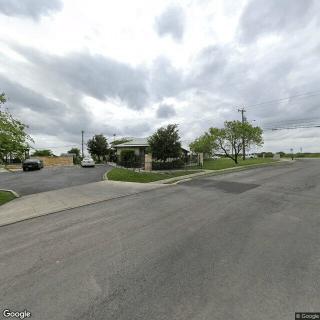
15170 Nacogdoches Road Bldg 2, San Antonio, TX 78247

For more information about senior living options: (844) 490-3973

4.3 from 24 reviews
5 stars
20
4 stars
0
3 stars
0
2 stars
0
1 stars
4

Assisted Living Memory Care

Overall Review of Seasons Alzheimer's Care & Assisted Living

Pros

  • pro The staff are kind, compassionate, and genuinely devoted to resident care.
  • pro Lenora's warmth and dedication make a world of difference for residents.
  • pro Seasons Alzheimer's Care provides a nurturing and supportive environment for loved ones.
  • pro KB, the activity director, is amazing and includes families in activities.
  • pro Residents are engaged in meaningful activities and treated like family.
  • pro The staff keeps families informed and supported, providing regular updates.
  • pro The facility is clean and offers home-cooked meals, contributing to a homelike atmosphere.
  • pro The small-community atmosphere and attentive staff contribute to high-quality care.
  • pro Extra touches, such as flowers in residents' hair and bright colors, lift spirits.

Cons

  • pro The reviewer felt the facility's atmosphere declined and showed little care or understanding for residents.
  • pro Frequent staff turnover and language barriers made it hard to know who was caring for residents.
  • pro Families were not allowed to visit together, a red flag that undermined support and oversight.
  • pro The owner was described as a dimwit who had no idea how staff were running the facility.
  • pro A case of severe dehydration occurred, with staff refusing to take responsibility and resulting in a hospital transfer.
  • pro There were days when no staff could be found in the living area, with only one staff member covering many residents.
  • pro Residents experienced multiple falls with insufficient monitoring and delayed responses.

Review

Seasons Alzheimer's Care & Assisted Living in San Antonio is best suited for families seeking a small, home-like memory care environment where frontline caregivers deliver daily warmth, personalized attention, and meaningful engagement. The community's intimate, neighborhood-style setting tends to feel like a true home, not a hospital, which matters to residents who respond best to familiar faces, routine, and a gentler pace. Visitors consistently notice a sense of family among residents and staff, with daily activities and meals that emphasize connection, color, and individual attention. For families prioritizing real warmth and continuous interaction over institutional polish, this is a compelling fit.

Those weighing alternatives should consider that this facility can be challenged by staffing and administrative variability. Several reviews point to turnover in building managers and nurses, which can disrupt consistency of care and communication at pivotal moments. Language differences on some shifts have created confusion for families, especially when caregivers do not share the same primary language as residents. For families needing unwavering medical oversight, highly stable leadership, or a facility with constant bilingual staffing across all shifts, this is a case where exploring other options makes sense. Also, families that require rigorous, proactive monitoring to prevent falls or dehydration may find the dynamics here testable.

The strongest positives center on human warmth and daily engagement. Families repeatedly highlight compassionate, attentive staff who treat residents like beloved family members, not patients. The activity program - led by a dedicated director - keeps residents engaged through creative tasks, music, and regular visits from volunteers, which many families say light up residents and provide meaningful interaction. Cleanliness is consistently noted, as is the quality and aroma of home-style meals. The small scale of the community enhances personal connections: residents are known by name, staff take time to notice preferences, and families feel included in daily life, not merely informed about it.

Yet, several of the most credible drawbacks are logistical and managerial. Reports of multiple building managers and nurses over a short period raise questions about continuity of care and the ability to monitor a loved one with consistent eyes. There are documented cases of lapses that necessitated hospital visits, with families voicing concern about timely intervention and accountability. Language barriers on some shifts complicate communication for families who rely on staff to understand a loved one's cues and needs. Billing tensions and accusations of overbilling in a high-stress moment have also appeared, underscoring the importance of transparent, reliable administration and clear expectations.

In weighing pros against cons, the core advantage - deep, affectionate care in a small, homelike setting - offers real value, especially for residents who flourish with steady routines and visible, ongoing engagement. However, the strength of personal attention can be undermined if turnover translates into inconsistent staffing or delayed responses. The ideal resident is one who thrives on relational warmth and daily programming and who can tolerate, or at least adapt to, shifts in leadership without losing the sense of daily continuity. For families who want a consistently stable administration, a robust bilingual staff complement, and near-immediate escalation of concerns, this facility may push toward alternatives.

Practical next steps are essential. Prospective families should schedule multiple visits at different times to observe staff continuity, talk directly with several caregivers, and request candid, up-to-date information about nurse and caregiver coverage on weekends. Inquire about language support across shifts, incident response protocols, and how falls or health changes are escalated and documented. Clarify pricing, what is included, and the facility's policy on adjustments if care needs escalate. Consider a short respite or trial period to assess day-to-day dynamics before committing. When a family values a home-like atmosphere and genuine staff warmth more than institutional certainty, Seasons can be a powerful choice; when unwavering oversight and consistent leadership are non-negotiable, it may be prudent to explore other options.

Features

Housing

  • 16 resident community capacity 16 resident community capacity

Types of Care

  • Assisted Living Assisted LivingAssisted living facilities provide crucial support and care for seniors who may need help with daily tasks such as medication management, bathing, and meal preparation. These communities offer a safe and comfortable environment where seniors can maintain their independence while receiving the assistance they need to thrive in their golden years.
  • Memory Care Memory CareMemory care is crucial for seniors as it provides specialized support and services for individuals with dementia or Alzheimer's disease. These programs offer a safe and secure environment where residents receive personalized care, cognitive stimulation, and help with daily activities. Memory care helps seniors maintain their independence, quality of life, and dignity while also providing peace of mind for their families.

Amenities

  • Cable or satellite TV Cable or satellite TVCable or satellite TV is important for seniors because it provides entertainment, news, and companionship, helping to combat loneliness and boredom. It also offers a wide range of programming options tailored to different interests and preferences.
  • Dining room Dining roomDining rooms are important for seniors as they provide a space for socialization, connection, and nutritious meals. They offer opportunities for residents to bond over shared meals, foster a sense of community, and promote healthy eating habits. Dining rooms also ensure that seniors have access to well-balanced meals tailored to their dietary needs and preferences.
  • Fully furnished Fully furnishedFully furnished senior living communities are important for seniors because they provide convenience, comfort, and a hassle-free moving experience. Seniors can easily settle into their new living space without the stress of having to buy and move furniture. This allows them to focus on enjoying their new home and community.
  • Garden GardenGardens are important for seniors as they provide a peaceful and therapeutic environment for relaxation, physical activity, and socialization. Being in nature has been shown to reduce stress, improve mood, and promote overall well-being. Gardens also offer opportunities for seniors to engage in gardening activities, which can improve mobility, flexibility, and cognitive function. Additionally, gardens create a sense of community and connection with others who share a passion for plants and outdoor spaces.
  • Housekeeping services Housekeeping servicesHousekeeping services are important for seniors because they help maintain a clean and safe living environment, promote independence, and reduce the risk of accidents or illnesses. Additionally, having assistance with household chores can alleviate physical strain and allow seniors to focus on other aspects of their well-being.
  • Move-in coordination Move-in coordinationMove-in coordination is important for seniors because it helps ease the transition into their new living environment. It ensures that all logistics, such as packing, organizing movers, and setting up utilities are taken care of, allowing seniors to focus on settling in and adjusting to their new home. Having a smooth move-in process can alleviate stress and anxiety, making the transition smoother and more enjoyable for seniors.
  • Outdoor space Outdoor spaceOutdoor spaces are important for seniors as they provide opportunities for physical activity, social interaction, exposure to natural light and fresh air, and a sense of connection to nature. Having access to outdoor spaces can improve overall well-being and quality of life for older adults living in senior communities.
  • Telephone TelephoneTelephones are important for seniors as they provide a lifeline for communication with loved ones, emergency services, and healthcare providers. They offer a sense of security and independence, enabling seniors to stay connected and access assistance when needed.
  • Wi-Fi/high-speed internet available Wi-Fi/high-speed internet availableWi-Fi/high-speed internet is important for seniors to stay connected with loved ones, access online resources, and participate in virtual activities to combat feelings of loneliness and isolation. It also allows them to easily manage healthcare needs, access entertainment, and engage in lifelong learning opportunities.

Transportation

  • San Antonio International (7 miles away) San Antonio International (7 miles away)

Care Services

  • 24-hour supervision 24-hour supervision24-hour supervision is important for seniors to ensure their safety, well-being, and access to immediate assistance in case of emergencies or health issues. This constant support provides peace of mind for both seniors and their loved ones, allowing them to age in place with dignity and security.
  • Activities of daily living assistance Activities of daily living assistanceActivities of daily living assistance are important for seniors because they provide essential support with tasks such as eating, bathing, dressing, and mobility. This assistance helps seniors maintain their independence, dignity, and overall quality of life as they age.
  • Assistance with bathing Assistance with bathingAssistance with bathing is crucial for seniors as it helps maintain personal hygiene, prevents infections, and ensures their overall well-being and comfort. It also provides a sense of dignity and independence for seniors who may struggle with this task on their own.
  • Assistance with dressing Assistance with dressingAssistance with dressing is important for seniors because it helps maintain their independence, promotes personal hygiene, prevents accidents and injuries, and improves overall quality of life. This service ensures that seniors can continue to dress comfortably and confidently, despite any physical limitations they may have.
  • Assistance with transfers Assistance with transfersAssistance with transfers is crucial for seniors as it helps prevent falls and injuries, maintains their independence, and ensures they can safely navigate their living environment. It also provides peace of mind for both seniors and their loved ones.
  • Coordination with health care providers Coordination with health care providersCoordination with health care providers is crucial for seniors to ensure proper medical care, medication management, and overall well-being. This collaboration helps prevent overlapping treatments, track progress more effectively, and provide comprehensive support tailored to individual needs.
  • Dementia waiver Dementia waiverDementia waivers are essential for seniors as they provide critical protections and accommodations for those experiencing cognitive decline. These waivers ensure individuals with dementia receive appropriate care, support, and resources to maintain their quality of life and dignity as they navigate the challenges of this progressive condition.
  • Diabetes diet Diabetes dietA diabetes diet is crucial for seniors as it helps manage blood sugar levels, reduce risks of complications, and improve overall health and well-being. By following a balanced and nutritious diet tailored to their specific needs, seniors can better control their diabetes and enhance their quality of life.
  • Hospice waiver Hospice waiverHospice waivers are important for seniors because they allow individuals to receive specialized end-of-life care and support at home or in a hospice facility. This waiver ensures that seniors can access the necessary resources and services to maintain comfort and dignity during their final days.
  • Meal preparation and service Meal preparation and serviceMeal preparation and service are crucial for seniors as they may have limited mobility or energy to cook nutritious meals. Having access to healthy and convenient food options can ensure they are getting the proper nutrition needed to maintain their overall health and well-being.
  • Medication management Medication managementMedication management is crucial for seniors to ensure they are taking the right medications at the correct dosages and times. This helps prevent adverse drug interactions, reduces the risk of medication errors, and promotes overall health and well-being. Proactive management also allows for adjustments as needed based on changing health conditions or new prescriptions.
  • Mental wellness program Mental wellness programMental wellness programs are essential for seniors as they promote cognitive stimulation, emotional support, and social engagement. These programs help prevent isolation, depression, and cognitive decline, ultimately enhancing the overall quality of life for older adults.
  • Mild cognitive impairment Mild cognitive impairment"Mild cognitive impairment" is important for seniors because it is an early stage of cognitive decline that can potentially progress to more severe conditions such as dementia. Recognizing and addressing mild cognitive impairment can help seniors receive appropriate care and support to maintain their quality of life and independence for as long as possible.
  • Special dietary restrictions Special dietary restrictionsSpecial dietary restrictions are important for seniors because age-related changes in metabolism and health conditions can make it difficult for their bodies to process certain foods. By following a diet tailored to their specific needs, seniors can maintain their overall health and well-being, manage chronic conditions, and reduce the risk of complications such as malnutrition or food interactions with medications.
  • Specialized memory care programming Specialized memory care programmingSpecialized memory care programming is crucial for seniors with cognitive impairments such as dementia or Alzheimer's disease. These programs provide a safe and supportive environment tailored to the unique needs of individuals with memory loss, helping them maintain their independence, dignity, and quality of life.
  • Transportation arrangement (medical) Transportation arrangement (medical)Transportation arrangements for medical purposes are essential for seniors as they may have difficulty driving themselves to appointments or accessing public transportation. Having reliable and safe transportation options ensures that seniors can receive timely medical care and maintain their health and well-being.
  • Transportation to doctors appointments Transportation to doctors appointmentsTransportation to doctors' appointments is crucial for seniors as it ensures they have access to necessary medical care and support for their health needs. Without reliable transportation, seniors may struggle to attend important appointments, leading to potential delays in treatment and health complications. Providing transportation services helps seniors maintain their overall well-being and quality of life.
Dining

  • Diabetes diet Diabetes dietA diabetes diet is crucial for seniors as it helps manage blood sugar levels, reduce risks of complications, and improve overall health and well-being. By following a balanced and nutritious diet tailored to their specific needs, seniors can better control their diabetes and enhance their quality of life.
  • Special dietary restrictions Special dietary restrictionsSpecial dietary restrictions are important for seniors because age-related changes in metabolism and health conditions can make it difficult for their bodies to process certain foods. By following a diet tailored to their specific needs, seniors can maintain their overall health and well-being, manage chronic conditions, and reduce the risk of complications such as malnutrition or food interactions with medications.

Activities

  • Community-sponsored activities Community-sponsored activitiesCommunity-sponsored activities are important for seniors as they provide opportunities for social interaction, mental stimulation, and physical activity. These activities can help improve overall well-being, combat loneliness and isolation, and promote a sense of belonging and purpose among older adults.
  • Scheduled daily activities Scheduled daily activitiesScheduled daily activities are important for seniors because they provide structure, socialization, mental stimulation, and physical activity. Engaging in regular activities can improve overall well-being and quality of life for seniors living in a community setting.

Description

Seasons Alzheimer's Care & Assisted Living: A Supportive Community in San Antonio, TX

Seasons Alzheimer's Care & Assisted Living is a dedicated memory care community situated in the heart of San Antonio, Texas. Designed to provide compassionate and specialized care for individuals with Alzheimer’s disease and other forms of dementia, our community offers a warm and inviting environment tailored to uphold the dignity and quality of life for our residents.

Types of Care & Services Offered

At Seasons, we understand that each resident has unique needs. Our highly trained staff is devoted to providing personalized assistance with activities of daily living, including bathing, dressing, and transfers. We also coordinate closely with healthcare providers to ensure comprehensive health management. Our specialized memory care programming is designed to engage residents meaningfully while addressing their individual needs, whether it's through a mental wellness program or assistance with mild cognitive impairment.

Amenities That Feel Like Home

Residents enjoy a fully furnished living space within our community that fosters comfort and familiarity. Our amenities are thoughtfully curated to enhance the living experience:

- Dining Room: Delicious meals prepared to accommodate special dietary restrictions. - Housekeeping Services: Regular cleaning ensures a tidy environment without added stress for our residents. - Gardens & Outdoor Spaces: Tranquil gardens provide serene outdoor areas for relaxation and enjoyment. - Wi-Fi/High-Speed Internet: Stay connected with loved ones or engage in online activities seamlessly.

Activities & Engagement

We believe that staying active both mentally and physically is crucial for well-being. Seasons hosts scheduled daily activities that promote social interaction, creativity, and cognitive stimulation among residents. Each day presents opportunities to participate in engaging programs designed specifically for those with memory challenges.

Convenient Location

Our community offers not only an enriching on-site experience but also convenient access to essential services nearby. Residents can explore local parks or enjoy meals at one of the 12 nearby restaurants. Additionally, with numerous pharmacies, physicians, places of worship, and a hospital close by, peace of mind is easily attainable for families who want the best care for their loved ones.

At Seasons Alzheimer's Care & Assisted Living in San Antonio, TX, we strive to create an atmosphere where love meets professional care, empowering each resident to thrive while receiving the support they need. Welcome home!

Nearby Places of Interest

Parks

  • Comanche Lookout Park (0.2 miles)
  • Converse Park Playground (4.6 miles)
  • Converse City Park (6.1 miles)
  • Lou Karden Memorial Park (6.5 miles)

Pharmacies

  • CVS Pharmacy (0.3 miles)
  • Walmart Pharmacy (1.1 miles)
  • Walmart Pharmacy (1.2 miles)
  • Walgreens (1.2 miles)
  • H-E-B Pharmacy (1.3 miles)
  • Walgreens (3.9 miles)
  • CVS Pharmacy (4.1 miles)

Restaurants

  • Whataburger (1.2 miles)
  • BJ's Restaurant & Brewhouse (2 miles)
  • Olive Garden (2 miles)
  • Raising Cane's Chicken Fingers (2.4 miles)
  • Las Palapas (2.5 miles)
  • Chuy's (2.6 miles)
  • Chick-Fil-A (2.8 miles)

Physicians

  • Medical Center Ophthalmology Associates (2.2 miles)
  • Northeast Internal Medical Associates (2.2 miles)
  • Conviva Care Center Live Oak (2.3 miles)
  • Northeast Prohealth (2.4 miles)
  • Total Health Primary Care (4 miles)
  • Belmund Catague, MD (4.8 miles)
  • TSAOG Orthopaedics - Schertz (4.9 miles)

Cafes

  • Starbucks (2.7 miles)
  • Kung Fu Tea (3 miles)
  • La Media Luna Cafe (4 miles)
  • Starbucks (5.1 miles)
  • Starbucks (5.3 miles)
  • Starbucks (6.7 miles)
  • Theory Coffee Company (6.7 miles)

Places of Worship

  • Church of Jesus Christ of Latter Day Saints (3.9 miles)
  • Hope Church (4.6 miles)
  • Community Bible Church (5.3 miles)
  • Good Shepherd Catholic Church (6.3 miles)
  • Abiding Presence Lutheran Church (6.5 miles)
  • Northrock Church (6.7 miles)

Hospitals

  • Baptist Health Systems (4.9 miles)
  • Barr & Gossett (5.8 miles)
  • Schertz Dialysis Centers (5.8 miles)

Theaters

  • Regal Northwoods (6 miles)
  • Alamo Drafthouse Stone Oak (6.9 miles)

Transportation

  • Skyplace Center (6.7 miles)

Frequently Asked Questions

Where is Seasons Alzheimer's Care & Assisted Living?
Does Seasons Alzheimer's Care & Assisted Living provide care for residents with dementia or Alzheimer's disease?

Nearby Communities

  • Seasons Alzheimers Care and Assisted Living

    Seasons Alzheimers Care and Assisted Living

    San Antonio, TX

    4.6 from 96 reviews
    $4,000 to $4,500 / month

    pro Engaging activities, attentive staff, and a clean, homelike memory?care environment with personalized care.

  • Season's Alzheimers And Assisted Care

    Season's Alzheimers And Assisted Care

    San Antonio, TX

    4.3 from 24 reviews
     

    pro Specialized memory care with 24/7 supervision, ADL support, medication management, dementia programming, and coordinated transportation.

  • Autistic Treatment Center

    Autistic Treatment Center

    San Antonio, TX

    3.7 from 26 reviews
     

    pro Autism-focused care with personalized attention in a small, home-like setting.

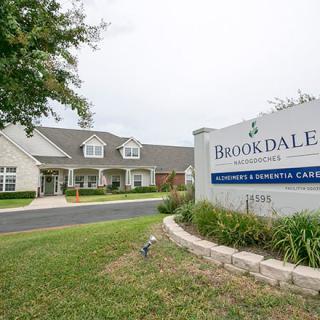
  • Brookdale Nacogdoches

    Brookdale Nacogdoches

    San Antonio, TX

    4.6 from 105 reviews
    $4,145 to $5,750 / month

    pro Caring staff, engaging activities, and a well-maintained memory-care focused environment.

  • San Antonio Wellness & Rehabilitation

    San Antonio Wellness & Rehabilitation

    San Antonio, TX


    pro Extensive amenities and 24/7 care support (dining, wellness, transportation, beauty, fitness).

  • Autism Treatment Center

    Autism Treatment Center

    San Antonio, TX

    3.7 from 26 reviews
     

    pro Small, personalized board-and-care with 24-hour supervision and autism-focused support.

  • Starlight Homes

    Starlight Homes

    San Antonio, TX

    4.8 from 53 reviews
    $2,500 to $7,568 / month

    pro Loving, attentive staff with engaging activities and a clean, homelike environment.

  • The Waterford At Thousand Oaks

    The Waterford At Thousand Oaks

    San Antonio, TX

    4.8 from 213 reviews
    $1,970 to $3,075 / month

    pro Clean, welcoming community with friendly staff and engaging activities.

  • Sodalis Windcrest at San Antonio

    Sodalis Windcrest at San Antonio

    San Antonio, TX

    4.5 from 120 reviews
    $2,900 to $5,200 / month

    pro Clean facility with friendly staff, engaging activities, and good dining.

Related Resources

  • dementia paranoiaDementia, Paranoia, and Caregiver Guidance: Understanding the Connection

    Dementia encompasses progressive neurological disorders that impair cognitive functions and can lead to paranoia due to cognitive decline and emotional changes. The article discusses the triggers of paranoia in dementia, caregiver strategies for managing it, and the importance of distinguishing between dementia-related paranoia and other psychiatric conditions.

  • memory care activitiesEngaging Memory Care Activities That Enhance Quality of Life

    Memory care activities are essential for improving the quality of life of seniors with cognitive impairments, as they stimulate cognitive function, promote well-being, and encourage social interaction through tailored strategies. These activities combine structured exercises with spontaneous tasks, sensory engagement, physical workouts, creative pursuits, and intergenerational interactions to enhance emotional connection and a sense of purpose.

  • when to move from assisted living to memory careWhen to Transition from Assisted Living to Memory Care: Key Indicators, Steps, and Finding the Right Community

    Transitioning from assisted living to memory care is driven by an individual's cognitive decline and specific needs, requiring careful evaluation of indicators like increased confusion and wandering. The process involves consulting medical professionals, researching suitable communities, considering financial and legal aspects, and ensuring effective communication for personalized care plans.