For more information about senior living options: (866) 208-4318
4.3 from 24 reviews
5 stars
20
4 stars
0
3 stars
0
2 stars
0
1 stars
4
Overall Review of Season's Alzheimers And Assisted Care
common16 reviews mention this
Caregivers feel compassionate and attentive
Caregivers are consistently described as compassionate and attentive to residents and families.
Many reviewers say the staff treated their loved ones with kindness and care, including during the final days. Several families describe the staff as responsive—keeping them updated, checking in during visits, and making residents feel comfortable and engaged. Even when reviews are critical, families often point to specific individuals who stood out for compassion and communication.
common6 reviews mention this
The facility stays consistently clean
Residents and common areas are described as consistently clean and well kept.
Multiple reviewers highlight cleanliness, including residents being kept clean and well dressed. Families also mention that rooms were maintained and the facility looked cared for. Positive comments about cleanliness appear alongside other supportive observations like attentive care and good day-to-day routines.
common6 reviews mention this
Activities help residents stay engaged
Daily activities are described as a meaningful part of life at the community.
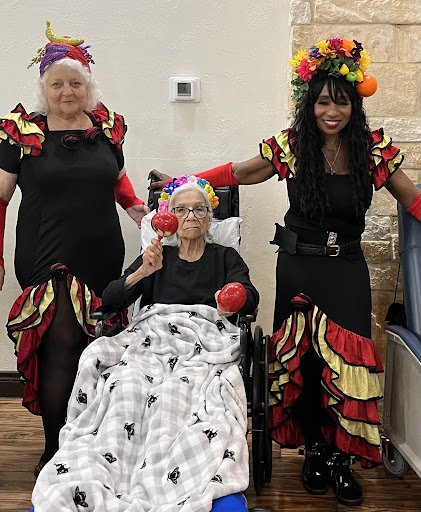
Several reviewers say residents participate in daily or scheduled activities and that staff help keep them stimulated. Some describe visits where the resident was surrounded by conversation and engagement, not isolated in a room. A few reviewers also mention volunteer-led programs and community performances that seemed to energize residents.
common6 reviews mention this
Food is repeatedly praised as homey
Food quality is a frequent bright spot, described as appealing and more home-like.
Reviewers frequently describe meals in positive terms, including that the food looked and smelled good and that residents seemed to enjoy it. Some families describe lunch or shared meals with the resident, while others emphasize home-style cooking rather than institutional meals. A few also mention the community working within special dietary needs or restrictions for residents.
caveat3 reviews mention this
Monitoring concerns show up in fall stories
Some families report safety and monitoring concerns, including fall-related experiences.
While many reviews are positive, a few describe troubling outcomes tied to supervision and monitoring. These reviewers mention multiple falls and describe situations that raised questions about how care was managed during higher-risk moments. One reviewer also notes that falls can still happen even with help, but the overall concern centers on whether the response and prevention were adequate.
caveat3 reviews mention this
Communication and staffing stability vary
Some reviewers raise concerns about communication and staffing consistency.
A subset of reviews describe staffing turnover and difficulty getting timely answers when they needed support. Others describe communication challenges, including that staff language created confusion for their loved one and family. These concerns generally focus on reliability and follow-through rather than the community’s stated intent to provide care.
How we summarize
Counts show how many written reviews mention each theme; a review can touch several themes, and only frequently mentioned themes are displayed.
Features
Housing
15 resident community capacity
Types of Care
Assisted Living
Board and Care Home
Memory Care
Amenities
Cable or satellite TV
Dining room
Fully furnished
Garden
Housekeeping services
Move-in coordination
Outdoor space
Telephone
Wi-Fi/high-speed internet available
Transportation
San Antonio International (7 miles away)
Care Services
24-hour supervision
Activities of daily living assistance
Assistance with bathing
Assistance with dressing
Assistance with transfers
Coordination with health care providers
Dementia waiver
Diabetes diet
Hospice waiver
Meal preparation and service
Medication management
Mental wellness program
Mild cognitive impairment
Special dietary restrictions
Specialized memory care programming
Transportation arrangement (medical)
Transportation to doctors appointments
Dining
Diabetes diet
Special dietary restrictions
Activities
Community-sponsored activities
Scheduled daily activities
Nearby Places of Interest
Parks
Comanche Lookout Park (0.2 miles)
Converse Park Playground (4.6 miles)
Converse City Park (6.1 miles)
Lou Karden Memorial Park (6.5 miles)
Pharmacies
CVS Pharmacy (0.3 miles)
Walmart Pharmacy (1.1 miles)
Walmart Pharmacy (1.2 miles)
Walgreens (1.2 miles)
H-E-B Pharmacy (1.3 miles)
Walgreens (3.9 miles)
CVS Pharmacy (4.1 miles)
Restaurants
Whataburger (1.2 miles)
BJ's Restaurant & Brewhouse (2 miles)
Olive Garden (2 miles)
Raising Cane's Chicken Fingers (2.4 miles)
Las Palapas (2.5 miles)
Chuy's (2.6 miles)
Chick-Fil-A (2.8 miles)
Physicians
Medical Center Ophthalmology Associates (2.2 miles)
Northeast Internal Medical Associates (2.2 miles)
Conviva Care Center Live Oak (2.3 miles)
Northeast Prohealth (2.4 miles)
Total Health Primary Care (4 miles)
Belmund Catague, MD (4.8 miles)
TSAOG Orthopaedics - Schertz (4.9 miles)
Cafes
Starbucks (2.7 miles)
Kung Fu Tea (3 miles)
La Media Luna Cafe (4 miles)
Starbucks (5.1 miles)
Starbucks (5.3 miles)
Starbucks (6.7 miles)
Theory Coffee Company (6.7 miles)
Places of Worship
Church of Jesus Christ of Latter Day Saints (3.9 miles)
The array of features offered by Season's Alzheimers And Assisted Care plays a crucial role in enhancing the quality of life for residents experiencing memory impairments. Assistance with dressing and bathing not only promotes personal hygiene but also fosters a sense of dignity and normalcy, while 24-hour supervision ensures safety and security in an environment tailored to their needs. Medication management and meal preparation guarantee that residents receive the proper nutrition and medication at the right times, mitigating health concerns associated with dementia. Transportation arrangements facilitate access to medical appointments, seamlessly connecting residents with vital healthcare providers. Activities of daily living assistance supports independence, further enriched by specialized memory care programming designed to engage cognitive functions. The mental wellness program and support for mild cognitive impairment recognize the unique challenges faced by individuals in various stages of dementia, promoting emotional well-being alongside physical health through coordinated efforts that address each resident's comprehensive care requirements.
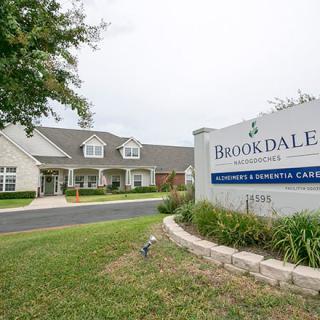
Transitioning from assisted living to memory care is driven by an individual's cognitive decline and specific needs, requiring careful evaluation of indicators like increased confusion and wandering. The process involves consulting medical professionals, researching suitable communities, considering financial and legal aspects, and ensuring effective communication for personalized care plans.
The article differentiates between assisted living and memory care, explaining that assisted living supports seniors with daily activities while promoting independence, whereas memory care provides specialized services for individuals with dementia, focusing on secure environments and cognitive support. It also addresses staff training, safety considerations, costs, family involvement, and transition strategies for families navigating these care options.
The article outlines effective communication strategies for interacting with loved ones with dementia, highlighting the need for empathy, patience, and understanding while emphasizing supportive approaches like using simple language, minimizing distractions, and focusing on feelings over facts to maintain dignity and foster connection. It also suggests seeking professional guidance when needed as communication challenges evolve.
Get PricingAsk A QuestionSchedule A TourContact Senior Advisor
By clicking submit, you agree to our Partner's Terms of Use. You
also consent to receive calls and texts, which may be autodialed, from our Partner. Your consent is not a condition to
using our Partner's service. Please visit our Partner's Privacy Policy for information about their privacy practices.


 15 resident community capacity
 Assisted Living
 Board and Care Home
 Memory Care
 Cable or satellite TV
 Dining room
 Fully furnished
 Garden
 Housekeeping services
 Move-in coordination
 Outdoor space
 Telephone
 Wi-Fi/high-speed internet available
 San Antonio International (7 miles away)
 24-hour supervision
 Activities of daily living assistance
 Assistance with bathing
 Assistance with dressing
 Assistance with transfers
 Diabetes diet
 Hospice waiver
 Meal preparation and service
 Medication management
 Mental wellness program
 Special dietary restrictions
 Transportation arrangement (medical)
 Transportation to doctors appointments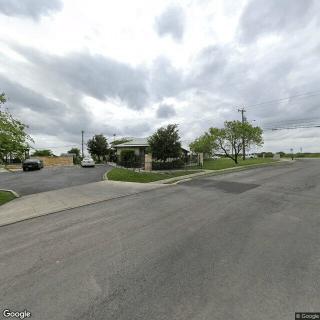
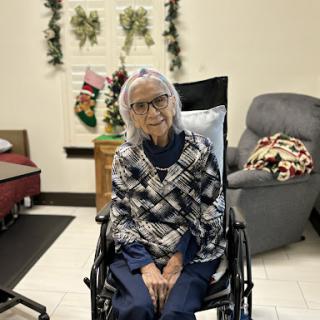
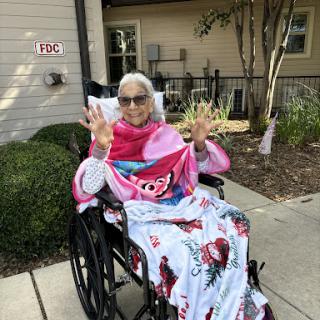
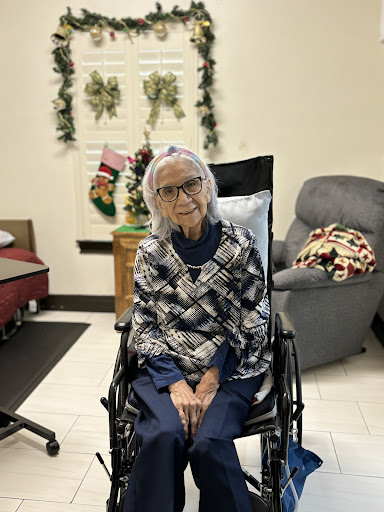
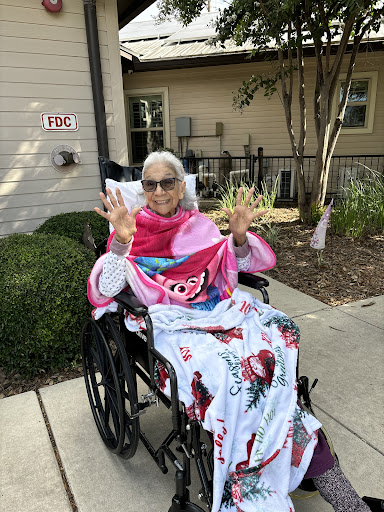
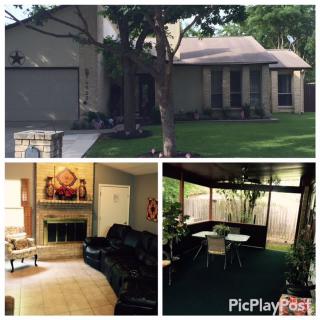
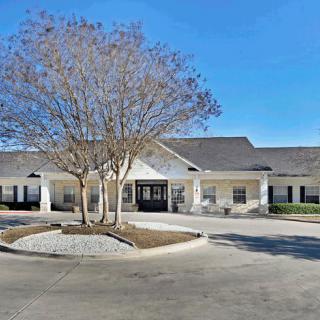
 Engaging activities, attentive staff, and a clean, homelike memory?care environment with personalized care.


 When to Transition from Assisted Living to Memory Care: Key Indicators, Steps, and Finding the Right Community
 Understanding the Distinctions: Assisted Living and Memory Care Explained
 How to Communicate with a Loved One Living with Dementia: 10 Supportive Strategies