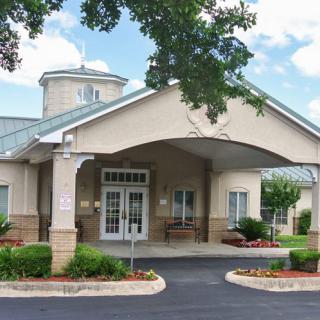
Neurorestorative San Antonio - Five Oaks

239 Five Oaks Drive, San Antonio, TX 78209

For more information about senior living options: (844) 490-3973

4.2 from 42 reviews
5 stars
32
4 stars
1
3 stars
1
2 stars
3
1 stars
5

Assisted Living

What level of care are you interested in?

Assisted Living

Memory Care

Independent Living

Skilled Nursing Facility

Continuing Care Retirement Community (CCRC)CCRC

Other


Request a tour at Neurorestorative San Antonio - Five Oaks

    Overall Review of Neurorestorative San Antonio - Five Oaks

    Pros

    • pro Angela is described as a blessing who provided guidance, compassion, and unwavering support through a very difficult time.
    • pro Angela went above and beyond to help, answering questions with care and sharing valuable insight.
    • pro NeuroRestorative is praised as offering the best chance for recovery, with substantial improvements in a loved one's function.
    • pro The staff at NeuroRestorative is unbelievably kind, including nurses, aides, techs, therapists, and doctors.
    • pro The care team is dedicated, with staff who truly care about their patients, even though caregiving is challenging.
    • pro Families express gratitude to NeuroRestorative for believing in their loved ones and supporting recovery.
    • pro The rehabilitation programs are challenging in a positive way that promotes progress and independence.
    • pro Therapists and staff are described as amazing, friendly, and among the best in town.
    • pro The facility is professional, clean, and supportive, making patients feel respected and involved in their recovery.
    • pro The team consistently demonstrates professionalism, responsiveness, and a commitment to safety and quality.

    Cons

    • pro The reviewer notes that staff members lack compassion.
    • pro The front desk secretary is described as completely unprofessional.
    • pro The facility is described as treating patients more like Baker Acted individuals under lockdown than as rehab patients.
    • pro There is secrecy about the patient's treatment plan.
    • pro Staff reportedly fail to check if the patient is wet and do not promptly respond to call lights.
    • pro The reviewer has to change and clean the patient because staff do not assist.
    • pro The call button seems not to work.
    • pro The food is described as hard and dry, capable of causing choking.
    • pro The reviewer feels the facility treats the patient and family as strangers or lawbreakers.

    Review

    Across the many voices shared about NeuroRestorative in San Antonio, a common thread is the extraordinary impact that dedicated staff and a compassionate approach can have on people recovering from stroke and other serious injuries. Several reviewers highlight Angela as a standout figure - a lifeline who stayed by families through life-altering moments, offered thoughtful guidance, and went above and beyond even when a particular facility entry wasn't possible. One person described Angela as a blessing who answered every question with care and shared valuable insights, noting that her kindness and dedication made a difficult journey feel more manageable. The sense that Angela and the team bring stability, clarity, and genuine care to the rehabilitation process recurs in multiple testimonials, underscoring the reality that the human connection behind the care often matters as much as the therapies themselves.

    Another heartening narrative centers on a mother who suffered a severe stroke in October 2024 and was initially told she might not regain function. Though the family wasn't local, they were steered toward NeuroRestorative, and they describe a transformation that surpassed expectations. The patient learned to walk in short bouts with a cane, a level of independence that felt almost miraculous to the family. They emphasize that the program is designed to foster independence and confidence, with staff - from nurses and aides to therapists and doctors - consistently described as unbelievably kind and genuinely invested in the patient's well-being. In their words, caregiving is a demanding job, yet the people at NeuroRestorative "truly care so deeply" for those they treat, and the family expresses heartfelt gratitude for the belief the staff placed in their mom.

    Complementing these stories are numerous testimonials that celebrate the overall quality of care and the program's rigor. Phrases like "I absolutely loved the staff here," "The programs were challenging, which is good for progress," and "I would definitely recommend this facility" appear repeatedly. One reviewer even calls the location "amazing," praising the friendly staff and the therapists who are "the best in town." Across these accounts, the emphasis is on a demanding but meaningful rehabilitation program - physical, occupational, speech, and even psychological therapies - delivered in an environment that strives to respect patients' dignity and push them toward greater independence. The sentiment is that NeuroRestorative can be a powerful ally in recovery when the patient and family engage with the process and trust the team's expertise.

    There is also a documented effort by the facility to address concerns and maintain safety and quality. In response to a one-star review, the organization explained that they take patient care concerns seriously and routinely review situations to uphold high standards. They described a specific action taken: not allowing an agency CNA to return to the facility after actions that raised concerns about the level of care. The response notes cooperation with appropriate authorities, a self-report, and additional steps to prevent recurrence, along with an invitation for direct contact to discuss any further concerns. While this response clarifies the facility's stance and commitment to safety, it also reflects the complexities inherent in balancing family feedback with institutional procedures.

    Balanced against the glow of positive experiences are a few stark, care-related concerns voiced by another reviewer with a lengthy, emotionally charged account. This perspective centers on a family member who was hospitalized with a brain tumor and later in rehab, raising serious questions about compassion, responsiveness, and wound care. The writer describes a front desk that felt unprofessional, delays in answering call lights, and a perception of being treated more like an intrusion than a partner in care. They allege inconsistent wound care, questions about treatment plans and family involvement, and a visit policy that felt rigid and impersonal. The narrative paints a scene of frustration and distress, including an experience with a nurse who seemed defensive when discussing wound care and a perception that some staff were overworked and under-supported. The family's account closes with feelings of disbelief and disappointment in what they experienced during visits and care.

    Taken together, the collection of reviews presents NeuroRestorative San Antonio as a place where many patients and families find real, measurable progress and meaningful support from a team that often goes well beyond expectations. The feedback highlights powerful, positive transformations - patients regaining the ability to walk with assistive devices, increased independence, and renewed hope - alongside a call for continued attention to staffing, communication, and consistency in care. The facility's multiple locations in San Antonio, including the Inpatient Care Center at Hardy Oak, appear to be trusted options for serious rehabilitation needs, backed by testimonials praising the warmth, professionalism, and expertise of the therapy teams.

    Ultimately, the experiences shared here illustrate a nuanced picture: NeuroRestorative can be a beacon of hope for stroke survivors and their families, fueled by dedicated individuals who treat recovery as a partnership and celebrate small, steady gains toward independence. At the same time, as with any long-term healthcare setting, there are moments of concern and room for improvement - whether in listening to family input, ensuring timely responsiveness, or maintaining the consistency of care across shifts. The recurring message, however, is one of gratitude for the care teams who show up with empathy, knowledge, and a steadfast commitment to helping patients reclaim function, confidence, and a sense of normalcy after life-altering events.

    Features

    Housing

    • 5 resident community capacity 5 resident community capacity

    Types of Care

    • Assisted Living Assisted LivingAssisted living facilities provide crucial support and care for seniors who may need help with daily tasks such as medication management, bathing, and meal preparation. These communities offer a safe and comfortable environment where seniors can maintain their independence while receiving the assistance they need to thrive in their golden years.

    Amenities

    • Cable or satellite TV Cable or satellite TVCable or satellite TV is important for seniors because it provides entertainment, news, and companionship, helping to combat loneliness and boredom. It also offers a wide range of programming options tailored to different interests and preferences.
    • Dining room Dining roomDining rooms are important for seniors as they provide a space for socialization, connection, and nutritious meals. They offer opportunities for residents to bond over shared meals, foster a sense of community, and promote healthy eating habits. Dining rooms also ensure that seniors have access to well-balanced meals tailored to their dietary needs and preferences.
    • Fully furnished Fully furnishedFully furnished senior living communities are important for seniors because they provide convenience, comfort, and a hassle-free moving experience. Seniors can easily settle into their new living space without the stress of having to buy and move furniture. This allows them to focus on enjoying their new home and community.
    • Garden GardenGardens are important for seniors as they provide a peaceful and therapeutic environment for relaxation, physical activity, and socialization. Being in nature has been shown to reduce stress, improve mood, and promote overall well-being. Gardens also offer opportunities for seniors to engage in gardening activities, which can improve mobility, flexibility, and cognitive function. Additionally, gardens create a sense of community and connection with others who share a passion for plants and outdoor spaces.
    • Housekeeping services Housekeeping servicesHousekeeping services are important for seniors because they help maintain a clean and safe living environment, promote independence, and reduce the risk of accidents or illnesses. Additionally, having assistance with household chores can alleviate physical strain and allow seniors to focus on other aspects of their well-being.
    • Move-in coordination Move-in coordinationMove-in coordination is important for seniors because it helps ease the transition into their new living environment. It ensures that all logistics, such as packing, organizing movers, and setting up utilities are taken care of, allowing seniors to focus on settling in and adjusting to their new home. Having a smooth move-in process can alleviate stress and anxiety, making the transition smoother and more enjoyable for seniors.
    • Outdoor space Outdoor spaceOutdoor spaces are important for seniors as they provide opportunities for physical activity, social interaction, exposure to natural light and fresh air, and a sense of connection to nature. Having access to outdoor spaces can improve overall well-being and quality of life for older adults living in senior communities.
    • Telephone TelephoneTelephones are important for seniors as they provide a lifeline for communication with loved ones, emergency services, and healthcare providers. They offer a sense of security and independence, enabling seniors to stay connected and access assistance when needed.
    • Wi-Fi/high-speed internet available Wi-Fi/high-speed internet availableWi-Fi/high-speed internet is important for seniors to stay connected with loved ones, access online resources, and participate in virtual activities to combat feelings of loneliness and isolation. It also allows them to easily manage healthcare needs, access entertainment, and engage in lifelong learning opportunities.

    Transportation

    • San Antonio International (3 miles away) San Antonio International (3 miles away)

    Care Services

    • 24-hour supervision 24-hour supervision24-hour supervision is important for seniors to ensure their safety, well-being, and access to immediate assistance in case of emergencies or health issues. This constant support provides peace of mind for both seniors and their loved ones, allowing them to age in place with dignity and security.
    • Activities of daily living assistance Activities of daily living assistanceActivities of daily living assistance are important for seniors because they provide essential support with tasks such as eating, bathing, dressing, and mobility. This assistance helps seniors maintain their independence, dignity, and overall quality of life as they age.
    • Assistance with bathing Assistance with bathingAssistance with bathing is crucial for seniors as it helps maintain personal hygiene, prevents infections, and ensures their overall well-being and comfort. It also provides a sense of dignity and independence for seniors who may struggle with this task on their own.
    • Assistance with dressing Assistance with dressingAssistance with dressing is important for seniors because it helps maintain their independence, promotes personal hygiene, prevents accidents and injuries, and improves overall quality of life. This service ensures that seniors can continue to dress comfortably and confidently, despite any physical limitations they may have.
    • Assistance with transfers Assistance with transfersAssistance with transfers is crucial for seniors as it helps prevent falls and injuries, maintains their independence, and ensures they can safely navigate their living environment. It also provides peace of mind for both seniors and their loved ones.
    • Coordination with health care providers Coordination with health care providersCoordination with health care providers is crucial for seniors to ensure proper medical care, medication management, and overall well-being. This collaboration helps prevent overlapping treatments, track progress more effectively, and provide comprehensive support tailored to individual needs.
    • Diabetes diet Diabetes dietA diabetes diet is crucial for seniors as it helps manage blood sugar levels, reduce risks of complications, and improve overall health and well-being. By following a balanced and nutritious diet tailored to their specific needs, seniors can better control their diabetes and enhance their quality of life.
    • Meal preparation and service Meal preparation and serviceMeal preparation and service are crucial for seniors as they may have limited mobility or energy to cook nutritious meals. Having access to healthy and convenient food options can ensure they are getting the proper nutrition needed to maintain their overall health and well-being.
    • Medication management Medication managementMedication management is crucial for seniors to ensure they are taking the right medications at the correct dosages and times. This helps prevent adverse drug interactions, reduces the risk of medication errors, and promotes overall health and well-being. Proactive management also allows for adjustments as needed based on changing health conditions or new prescriptions.
    • Special dietary restrictions Special dietary restrictionsSpecial dietary restrictions are important for seniors because age-related changes in metabolism and health conditions can make it difficult for their bodies to process certain foods. By following a diet tailored to their specific needs, seniors can maintain their overall health and well-being, manage chronic conditions, and reduce the risk of complications such as malnutrition or food interactions with medications.
    • Transportation arrangement (medical) Transportation arrangement (medical)Transportation arrangements for medical purposes are essential for seniors as they may have difficulty driving themselves to appointments or accessing public transportation. Having reliable and safe transportation options ensures that seniors can receive timely medical care and maintain their health and well-being.
    • Transportation to doctors appointments Transportation to doctors appointmentsTransportation to doctors' appointments is crucial for seniors as it ensures they have access to necessary medical care and support for their health needs. Without reliable transportation, seniors may struggle to attend important appointments, leading to potential delays in treatment and health complications. Providing transportation services helps seniors maintain their overall well-being and quality of life.

    Dining

    • Diabetes diet Diabetes dietA diabetes diet is crucial for seniors as it helps manage blood sugar levels, reduce risks of complications, and improve overall health and well-being. By following a balanced and nutritious diet tailored to their specific needs, seniors can better control their diabetes and enhance their quality of life.
    • Special dietary restrictions Special dietary restrictionsSpecial dietary restrictions are important for seniors because age-related changes in metabolism and health conditions can make it difficult for their bodies to process certain foods. By following a diet tailored to their specific needs, seniors can maintain their overall health and well-being, manage chronic conditions, and reduce the risk of complications such as malnutrition or food interactions with medications.

    Activities

    • Community-sponsored activities Community-sponsored activitiesCommunity-sponsored activities are important for seniors as they provide opportunities for social interaction, mental stimulation, and physical activity. These activities can help improve overall well-being, combat loneliness and isolation, and promote a sense of belonging and purpose among older adults.
    • Scheduled daily activities Scheduled daily activitiesScheduled daily activities are important for seniors because they provide structure, socialization, mental stimulation, and physical activity. Engaging in regular activities can improve overall well-being and quality of life for seniors living in a community setting.

    Description

    Neurorestorative San Antonio - Five Oaks is an assisted living community located in San Antonio, TX. With a range of amenities and care services, this community offers a comfortable and supportive environment for individuals in need of assistance with daily activities.

    The community features a dining room where residents can enjoy delicious meals prepared by the staff. The apartments are fully furnished, providing a cozy living space for residents. There is also a beautiful garden and outdoor space where residents can relax and enjoy nature.

    Housekeeping services are provided to ensure that the community maintains a clean and tidy environment. Move-in coordination is available to assist new residents in settling into their new home smoothly. In addition, there is Wi-Fi/high-speed internet and telephone access for residents to stay connected with their loved ones.

    The care services at Neurorestorative San Antonio - Five Oaks aim to support individuals in their daily activities. Staff members provide assistance with bathing, dressing, and transfers as needed. They also coordinate with health care providers to ensure that residents receive the appropriate medical care. Medication management and special dietary restrictions are taken into consideration when preparing meals for residents.

    Transportation arrangements are made for medical appointments, allowing residents to easily access necessary healthcare services. Additionally, scheduled daily activities provide opportunities for social engagement and entertainment within the community.

    Residents of Neurorestorative San Antonio - Five Oaks will find convenience in the nearby amenities. There are numerous cafes, parks, pharmacies, physicians' offices, restaurants, transportation options, theaters, and hospitals located within close proximity to the community.

    Overall, Neurorestorative San Antonio - Five Oaks provides a welcoming and supportive environment for individuals seeking assisted living services in San Antonio, TX.

    Nearby Places of Interest

    Physicians

    • Drs Bloom & Lynch/Vision Source (0.7 miles)
    • Northeast Pediatric Associates (0.9 miles)
    • Heritage Pediatrics (1.9 miles)
    • MedFirst Primary Care (1.9 miles)
    • Garcia, Alexandra Magenta Health Rittiman Practice (3 miles)
    • Kind Clinic (3.6 miles)
    • Adhd Clinic Of San Antonio (4.1 miles)

    Pharmacies

    • Walgreens (0.9 miles)
    • Worldwide Clinical Trials (1.3 miles)
    • CVS Pharmacy (1.9 miles)
    • Walgreens (2 miles)
    • CVS Pharmacy (3.2 miles)
    • CVS Pharmacy (3.3 miles)
    • CVS Pharmacy (3.8 miles)

    Cafes

    • Theory Coffee Company (1.1 miles)
    • Starbucks (2.5 miles)
    • Habibi Cafe (2.7 miles)
    • Starbucks (2.8 miles)
    • La Media Luna Cafe (3.2 miles)
    • Starbucks (5.9 miles)

    Restaurants

    • Chick-Fil-A (1.2 miles)
    • Taco Palenque (1.5 miles)
    • Las Palapas - Austin Hwy (1.6 miles)
    • Frontier Burger (1.7 miles)
    • McDonald's (1.8 miles)
    • Soluna (1.9 miles)
    • Torchy’S Tacos (2.2 miles)

    Transportation

    • Terminal A (2.5 miles)
    • San Antonio International Airport (SAT) (2.5 miles)
    • Terminal 1 Arrivals (2.5 miles)
    • Rental Car Center (2.6 miles)
    • American Airlines (2.6 miles)
    • Skyplace Center (2.7 miles)
    • Southwest Airlines Cargo (3.1 miles)

    Hospitals

    • US Army (3.5 miles)
    • San Antonio Military Medical Center-SAMMC (3.6 miles)

    Theaters

    • Alamo Drafthouse Park North (4.1 miles)

    Parks

    • Lou Karden Memorial Park (4.4 miles)
    • Phil Hardberger Dog Park (6.2 miles)
    • Phil Hardberger Park (6.3 miles)

    Places of Worship

    • Abiding Presence Lutheran Church (5.3 miles)
    • St George Episcopal School (5.5 miles)
    • Temple Beth-El (5.5 miles)
    • St Ann's Catholic Church (6.1 miles)
    • Second Baptist Church (6.1 miles)
    • Church of Jesus Christ of Latter Day Saints (6.2 miles)

    Frequently Asked Questions

    Where is Neurorestorative San Antonio - Five Oaks?

    Nearby Communities

    Related Resources

    • assisted living costUnderstanding the True Cost of Assisted Living in 2025: A Comprehensive Guide

      Assisted living in 2025 offers a crucial balance of independence and support for seniors, with costs varying from $2,500 to over $7,000 per month based on factors such as location and care level. Understanding pricing complexities, including regional differences and potential hidden fees, is essential for families to plan financially while ensuring quality care for their loved ones.

    • does medicaid pay for assisted livingUnderstanding Medicaid Coverage for Assisted Living: A Comprehensive Guide

      The guide outlines the complexities of Medicaid coverage for assisted living, highlighting significant state-to-state variations, limited coverage often restricted to personal care services, and the existence of specialized waivers for certain needs like memory care. It advises families to consult local Medicaid offices for options while emphasizing the importance of understanding state-specific regulations and facility policies.

    • does medicaid pay for assisted livingHow and When Medicaid May Cover Assisted Living Costs

      Medicaid coverage for assisted living varies by state and is primarily available to low-income individuals, with eligibility dependent on strict income and asset limits. Some states offer HCBS waivers for specific services in assisted living, but families must generally cover room and board costs, and should verify facility acceptance of Medicaid while considering potential waiting lists.


    Get Pricing Ask A Question Schedule A Tour Contact Senior Advisor