
126 Smirl Drive, Heath, TX 75032
For more information about senior living options: (866) 208-4318
Overall Review of Goodlife Senior Living And Memory Care Building A
Pros
 They think the facility is awesome.
 - Kerry, the manager, is very sweet to the residents.
- They are extremely pleased with the facility and believe the caregivers and managers are committed and doing an excellent job.
- They would recommend this facility for memory care.
- The small resident count makes it feel like home, and the staff know the residents and their families.
Cons
 The facility is described as horrible.
- The staff is lazy and neglectful, taking naps instead of watching residents.
- Nana’s belongings are frequently stolen.
- The owner is seen as a joke and unfit to run a senior living facility.
- Upper management is the worst and does not care about the residents, engaging in costly cutbacks.
Review
Goodlife Senior Living and Memory Care Building A in Heath, TX is best suited for families seeking a small, intimate memory‑care focused environment where residents are known by name and caretaking feels personal. The community appeals to families who want a home‑like atmosphere with frequent family involvement and clear opportunities to connect with the people caring for a loved one. It is particularly appropriate for Alzheimer’s or early‑to‑mid stage memory issues where the caregiver team can stay closely engaged, monitor changes, and adjust care plans within a compact setting.
There are clear reasons to consider alternatives. Those needing highly standardized protocols, robust oversight across multiple shifts, or a facility with a larger footprint may find the experience uneven. Several reviews note concerns around staff consistency and management approach, and reports of theft or lapses in attention point to a risk that some families will want to avoid. For families prioritizing a long history of corporate maturity or a transferrable brand reputation, a larger operator or a facility with a deeper management layer may feel more reassuring. In short, this community rewards personal attention but may not satisfy expectations for flawless execution at all times.
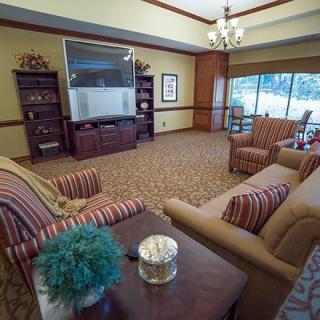
On the positive side, the strongest pros revolve around proximity to a small, cohesive resident community where caregivers know the residents well. The small size translates into more individualized attention, and the staff’s warmth and familiarity can translate into genuine moments of connection that matter to Alzheimer’s patients and their families. Compliments toward specific managers, highlighting kindness and attentiveness, underscore a recurring theme: when the leadership is engaged, the care staff rally around the residents, and families feel informed and included. The sense that the environment can feel like home, rather than a sterile institution, is frequently cited as a meaningful benefit that helps families maintain continuity and peace of mind.
Yet the main cons temper those strengths in meaningful ways. Reports of lazy or distracted staff on certain shifts, coupled with allegations of theft and inconsistent supervision, raise legitimate safety and reliability concerns. Observations about upper management and ownership hint at a willingness to cut costs or alter approaches in ways that may destabilize day‑to‑day operations. This is not a uniformly negative picture, but the pattern of mixed experiences means prospective residents should weigh the intimate advantages against potential gaps in consistency and safety oversight.
For families seriously weighing this option, the prudent path is to verify current staffing levels, turnover, and supervision practices during a visit. Ask to meet the administrator and frontline caregivers, and request a transparent account of any past incidents and the steps taken to prevent recurrence. Inquire about the resident-to-staff ratio on different shifts, how staff communications with families are handled, and what happens when a care plan needs escalation. A trial period or a clearly defined transition plan can help determine whether the small‑community benefits truly align with the needs of a loved one with progressing memory impairment.
In the end, this community offers a compelling fit for Alzheimer’s care when the priority is intimate, attentive service within a compact, home‑like setting. The upside, personalized attention, staff familiarity, and a caregiving culture that can feel deeply supportive, can offset the drawbacks for families who value direct contact with caregivers and proactive management. For those who prize consistency across shifts, rigorous safety oversight, and a more standardized corporate framework, exploring alternatives in Heath or nearby areas will be a wise precaution. The decisive step is a thorough, candid on‑site appraisal that confirms current performance aligns with the specific care needs and expectations of the loved one.
 16 resident community capacity
 Assisted Living
 Cable or satellite TV
 Dining room
 Fully furnished
 Garden
 Housekeeping services
 Move-in coordination
 Outdoor space
 Telephone
 Wi-Fi/high-speed internet available
 Dallas Love (22 miles away)
 24-hour supervision
 Activities of daily living assistance
 Assistance with bathing
 Assistance with dressing
 Assistance with transfers
 Diabetes diet
 Meal preparation and service
 Medication management
 Special dietary restrictions
 Transportation arrangement (medical)
 Transportation to doctors appointments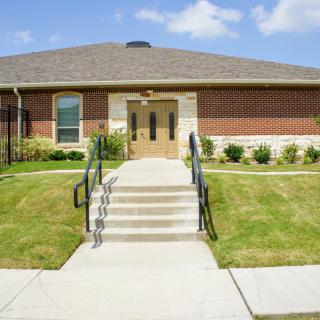






 Comprehensive Supportive Living Arrangements for Adults with Disabilities
 Funding and Affording Assisted Living: A Thorough Overview
 Assisted Living Expenses and Long-Term Care Insurance: A Comprehensive Exploration