
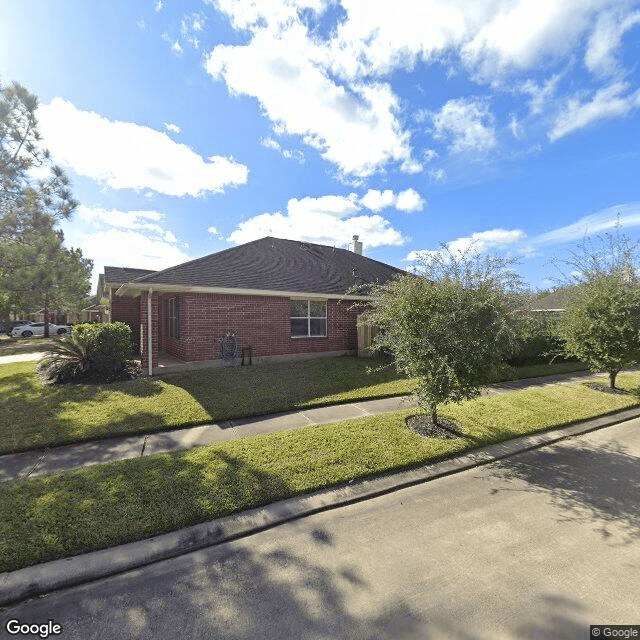
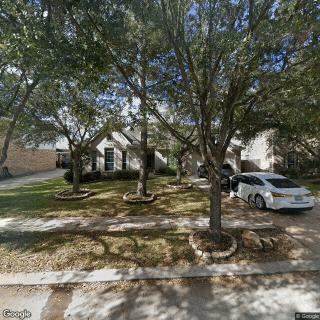
7302 Chase Grove Lane, Richmond, TX 77407
To contact a resident: (281) 239-2404
For more information about senior living options: (866) 208-4318
Supreme Personal Home Care Costs & Pricing
Supreme Personal Home Care offers competitive pricing for its services, particularly when compared to both Fort Bend County and the broader Texas market. For semi-private accommodations, Supreme's monthly cost of $2,500 stands out as significantly lower than the county average of $3,813 and the state average of $3,680. Similarly, in the private room category, their rate of $3,000 is more economical compared to Fort Bend County's $3,890 and Texas's $4,096. This pricing strategy not only underscores Supreme Personal Home Care's commitment to providing quality care at reasonable rates but also positions it as a compelling option for individuals seeking affordable personal home care solutions without compromising on service quality.
| Floor plans | Supreme Personal Home Care | Fort Bend County | Texas |
|---|---|---|---|
| Semi-Private | $2,500 | $3,813 | $3,680 |
| Private | $3,000 | $3,890 | $4,096 |
Senior living communities with a similar price nearby
-
About the same
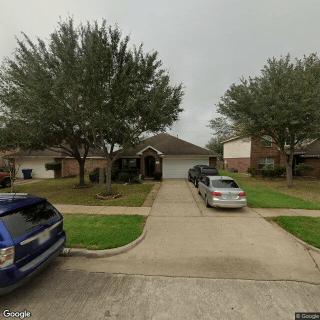
Shepherd Personal Care Home
$2,500 to $3,000 / month17.1 miles away -
from +$300 / mo
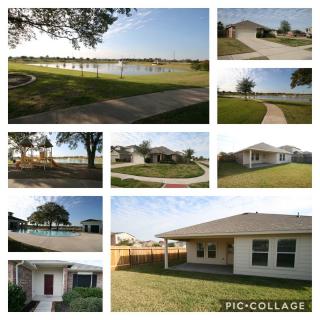
Wenzy’s Place Boarding and Personal Care Home
$2,800 / month17.1 miles away -
from +$100 / mo

A Country Place Residential Care Home
$2,600 to $3,000 / month7.1 miles away -
from +$350 / mo

The Gardens of Bellaire
$2,850 to $3,211 / month16.8 miles away -
from -$205 / mo

Tarrytowne Estates
$2,295 to $2,795 / month8.0 miles away
Overall Review of Supreme Personal Home Care
Pros
 The property has noted safety features.
- The staff are on site 24/7.
Cons
 The reviewer calls the scheduler a liar.
- The reviewer asserts there is no attendant because nobody is liked.
- The reviewer notes that attendants are paid poorly.
- The reviewer considers the property too small and not what they’re looking for.
Review
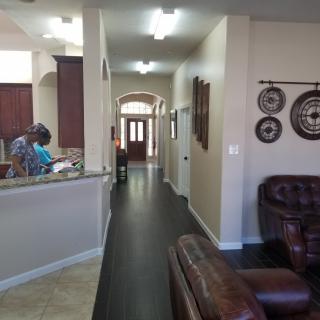
Supreme Personal Home Care in Richmond, TX is best suited for families seeking a truly small, home-like care setting where residents are known personally and staff is on site around the clock. The facility’s intimate capacity, three residents currently out of an eight-person limit, supports highly individualized attention, continuous supervision, and rapid help when needs arise. For seniors who prize security, straightforward routines, and a quiet, low-traffic environment over the bustle of a larger community, this option can feel like a familiar, private-home experience rather than a conventional facility.
Those weighing alternatives should note that this option may not fit every situation. Families needing a larger slate of programming, more predictable administrative communication, or a formalized, multi-person care team may find the smaller scale insufficient. If there is a premium placed on robust scheduling reliability, transparent staffing plans, or frequent, proactive family updates, other assisted living communities or larger home-care setups may deliver more consistency and reassurance.
On the upside, the strongest pros revolve around the quiet, intimate setting and constant staffing presence. A small property with safety features encourages close oversight and quicker, less logistically tangled responses to ordinary caregiver needs. The fact that staff are on site 24/7 means seniors are less likely to experience long waits for help, and caregivers can monitor daily routines more closely than in a larger, busier operation. For families seeking a homelike ambiance with direct, visible oversight, these elements can translate into meaningful peace of mind.
The most significant drawbacks center on staffing and communication dynamics. Reports suggesting a lack of clear communication from schedulers and an impression that attendants are not consistently retained point to potential gaps in reliability and continuity of care. The limited capacity also signals a tighter pool of available caregivers, which can complicate scheduling, shift coverage, and timely responses during absences. In short, the benefits of a small, close-knit team can be undermined if administrative processes are not consistently dependable.
The key question becomes whether the pros can practically offset the cons in a given family’s situation. If a family can secure a transparent staffing plan, guaranteed back-up coverage, and a reliable channel for timely updates, the on-site presence and home-like environment become compelling advantages. However, without clear, proactive communication and staffing stability, the risk of miscommunications or unaddressed gaps grows, diminishing the appeal of the small setting. Prospective residents should insist on concrete answers about scheduling backups, response times, and how caregivers are assigned during peak or off hours.
To move forward decisively, families should demand concrete details: current occupancy and wait times for openings, the process for obtaining a caregiver on short notice, the exact safety features embedded in the home, and how daily care plans are communicated to families. Ask for a written policy on staff turnover, a sample daily schedule, and a point of contact for emergencies after hours. This option serves a niche audience, those who value a highly personalized, small-scale, attentively supervised environment, and can be a strong fit when administrative reliability is verified. If not, exploring larger communities or other home-care arrangements with a proven track record of consistent communication and staffing stability is prudent.
 Board and Care Home
 Private
 Private bathrooms
 Ambulatory care
 Diabetic care
 High acuity care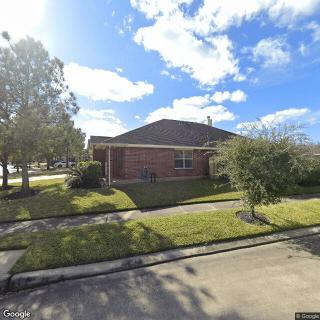



 Exploring the World of Home Health Nurses: Qualifications, Roles, and Hiring Tips
 Navigating Medicare Coverage for In-Home Care Services
 In-Home Care Costs in 2025: A Detailed State-by-State Exploration