
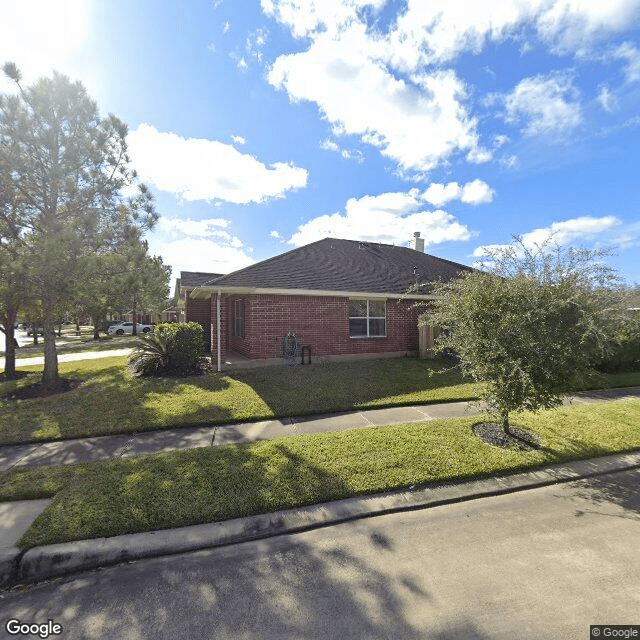
7302 Chase Grove Lane, Richmond, TX 77469
For more information about senior living options: (866) 208-4318
Supreme Personal Care Home Costs & Pricing
Supreme Personal Care Home offers competitive pricing for its accommodations when compared to both Fort Bend County and the broader Texas market. Monthly rates at Supreme Personal Care Home start at $2,195 for a studio, significantly lower than the county's average of $4,056 and the state's average of $3,758. For those seeking more space, a one-bedroom unit is priced at $2,795, which again presents a notable value compared to Fort Bend County's rate of $4,116 and Texas's average of $3,761. Even in the two-bedroom category, with a monthly cost of $3,595, Supreme Personal Care Home remains more affordable than both local and state averages - $4,550 and $4,215 respectively. This pricing structure positions Supreme Personal Care Home as an attractive option for individuals seeking quality personal care services without the hefty financial burden often associated with senior living facilities.
| Floor plans | Supreme Personal Care Home | Fort Bend County | Texas |
|---|---|---|---|
| Studio | $2,195 | $4,056 | $3,758 |
| 1 Bedroom | $2,795 | $4,116 | $3,761 |
| 2 Bedrooms | $3,595 | $4,550 | $4,215 |
Assisted Living communities with a similar price nearby
-
from +$305 / mo
Shepherd Personal Care Home
$2,500 to $3,000 / month17.1 miles away -
from +$375 / mo

Brazos Towers
$2,570 to $4,700 / month17.6 miles away -
from +$400 / mo

Windermere Estates Senior Living
$2,595 to $5,100 / month18.2 miles away -
from +$436 / mo
Landon Ridge Sugar Land
$2,631 to $3,138 / month8.5 miles away -
from +$304 / mo
God Love Assisted Living Homes
$2,499 to $3,300 / month6.2 miles away
Overall Review of Supreme Personal Care Home
Pros
 Elizabeth and her staff make residents feel like family.
- The staff are very caring and watchful over the residents.
- Supreme Memory Care is a beautiful, clean place.
- The team is supportive and available during transitions and daily thereafter.
- Families feel fortunate to have found Supreme Memory Care.
- Residents feel at home at Supreme Memory Care.
- The care is highly recommended for loved ones needing assisted living and memory care.
Review
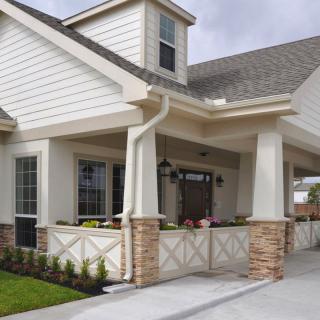
Supreme Memory Care in Richmond, Texas, is best suited for families seeking a compact, memory-care–focused assisted living where caregivers forge real, ongoing relationships with residents and their families. The setting feels like a lived-in home rather than a sprawling campus, and that intimacy translates into consistent routines, steady supervision, and the sense that a loved one with memory needs is known and cherished. For residents whose primary requirement is memory care delivered with hands-on attention and clear, reliable communication from the care team, this community is a strong, practical fit.
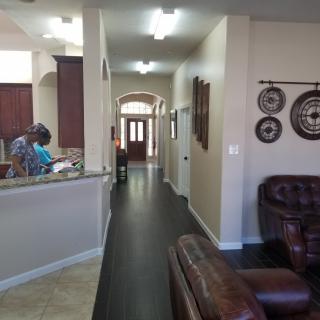
Caregiver responsiveness and family involvement are the defining strengths. The leadership and staff, notably Elizabeth, are praised for quick, reliable communication and for treating residents like family. Families describe feeling seen and supported through every transition, with staff who learn individual preferences and tolerances. That knowledge translates into calmer days for residents and less caregiver fatigue for families, because care plans align closely with each person’s history and ritual. The result is a home-like environment where residents appear to settle in more readily and family members regain confidence in daily care.
Explicit alternatives are worth weighing for those whose needs extend beyond memory care or who desire a larger, more resource-rich campus. A smaller, memory-focused home can mean fewer around-the-clock medical resources and a more limited slate of activities than bigger communities. Families should verify access to on-site nursing, the schedule of physician visits, rehab services, and the breadth of programming to ensure escalating medical or rehabilitative needs won’t outpace what the setting can sustain.
The positives offset the potential downsides through a practical calculus. The core advantage, deep, personal attention, translates into more adaptable care plans, quicker responsiveness to concerns, and a less chaotic caregiving experience for families. The home’s calm, clean, quiet atmosphere supports predictable routines, crucial for memory care, and reduces disorientation for residents. Even when behaviors or emotional moments arise, staff’s intimate knowledge of each resident enables tailored interventions that can defuse tension and preserve dignity.
Another clear upsell is the transition experience itself. Families repeatedly note that the team guides and supports moving a loved one into care and remains available day-to-day. That continuity matters deeply in memory-based care, where initial upheaval can set the tone for months. The assurance that staff will stay engaged and maintain open channels of communication helps sustain resident stability and family peace of mind, ultimately improving quality of life for residents who rely on consistent, familiar cues.
Bottom-line guidance: Supreme Memory Care offers a compelling, practical fit for households prioritizing an intimate, memory-centered setting with highly responsive, caregiver-led care. It shines for families who value close supervision, straightforward access to a hands-on administrator, and a setting that feels like a well-kept home. Those seeking a larger campus, broader medical staffing, or expansive activity rosters may want to compare options. The decision hinges on balancing the comfort of a tightly knit, attentive team against the scale and breadth of services available elsewhere; for the right resident, this community delivers dependable care, genuine warmth, and meaningful daily living.
 6 resident community capacity
 Assisted Living
 Board and Care Home
 Activities on-site
 Cable or satellite TV
 Devotional services off-site
 Dining room
 Fully furnished
 Garden
 Housekeeping services
 Indoor common areas
 Move-in coordination
 Outdoor space
 Telephone
 Wi-Fi/high-speed internet available
 24-hour supervision
 Ambulatory care
 Assistance with bathing
 Assistance with dressing
 Assistance with transfers
 Diabetes diet
 Diabetic care
 Meal preparation and service
 Medication management
 Special dietary restrictions
 Transportation arrangement (medical)
 Transportation to doctors appointments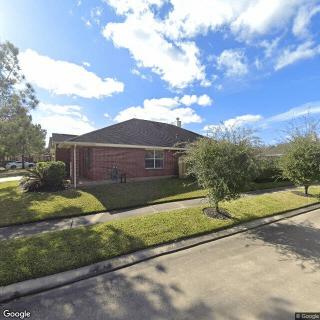




 How and When Medicaid May Cover Assisted Living Costs
 A Detailed Exploration of Assisted Living Medicaid Waivers Across the United States
 Comprehensive Residential Support and Assisted Living Solutions for Individuals with Disabilities