Twin Rivers presents a compelling yet higher-cost option for housing compared to both Dallas County and the broader Texas state averages. For instance, a studio apartment at Twin Rivers is priced at $4,060 per month, significantly above the county's average of $3,625 and the state's average of $3,758. The disparity continues with one-bedroom units; Twin Rivers charges $5,240 while both Dallas County and Texas align closely at approximately $3,760 each. Two-bedroom apartments further illustrate this trend, costing residents at Twin Rivers $6,530 compared to $4,144 in Dallas County and $4,215 statewide. These figures suggest that while Twin Rivers may offer unique amenities or experiences that justify its pricing structure, prospective residents should weigh these costs against what is available in surrounding areas.
Floor plans
Twin Rivers
Dallas County
Texas
Studio
$4,060
$3,625
$3,758
1 Bedroom
$5,240
$3,760
$3,761
2 Bedrooms
$6,530
$4,144
$4,215
Overall Review of Twin Rivers
differentiator8 reviews mention this
Memory care feels especially attentive
Memory care support is a strong focus, with families describing noticeable reassurance and engagement.
Multiple families describe the memory care side as compassionate and calming, including one account of a rapid improvement after moving there. Residents and families also mention daily activities and support that help someone with advanced dementia stay content. The community’s care services include memory-related support like specialized memory care programming and dementia waiver coverage.
common27 reviews mention this
Staff responsiveness and caring culture
Residents and families consistently describe staff who are caring, responsive, and easy to reach.
Across reviews, families repeatedly say they feel supported by the staff and that concerns or questions get prompt attention. Several describe staff members as advocates who treat residents like family and provide ongoing help to both residents and visitors. Even when a review is mixed or critical overall, it still acknowledges that the staff can be kind and approachable in day-to-day interactions.
common14 reviews mention this
Activities and atmosphere stand out
The day-to-day experience is strongly shaped by activities, events, and a bright, kept-up setting.
Many reviews highlight scheduled activities and a sense of a cheerful, engaging environment, including exercise, music, happy hour, and movie-style entertainment. Families also describe the facility as clean, well-kept, and pleasant to spend time in, with residents participating rather than sitting idle. The community offers a range of on-site and community-sponsored programs, plus day trips and outings.
caveat2 reviews mention this
Food quality varies at mealtimes
Some residents report issues with meals arriving cold, while others mention enjoying the menu.
A couple of reviews call out meal temperature problems, describing food served room temperature or cold. Others say the food is a positive part of the experience, including liking menu options and taste. The community does offer restaurant-style dining and a range of meal options, but at least some families felt the service quality at mealtime could be inconsistent.
caveat2 reviews mention this
Costs and included care can add up
Pricing is a recurring concern, with families noting extra charges and added expense.
Some reviews describe the facility as more expensive, including one account that medication management was not included in the base price and contributed to a higher total. Another reviewer mentions that pricing pressures affected food variety and staffing after COVID-related losses. Overall pricing is positioned above county and state benchmarks across most unit types.
How we summarize
Counts show how many written reviews mention each theme; a review can touch several themes, and only frequently mentioned themes are displayed.
Features
Housing
1-bedroom apartments
2-bedroom apartments
Studio apartments
Types of Care
Assisted Living
Memory Care
Skilled Nursing Facility
Amenities
Activities off-site
Activities on-site
Air-conditioning
Bath tubs
Beautician on-site
Beauty salon
Cable or satellite TV
Computer center
Devotional services off-site
Devotional services on-site
Dining room
Fitness room
Fully furnished
Gaming room
Garden
Ground floor units
Handicap accessible
Housekeeping services
Indoor common areas
Kitchenette
Laundry
Move-in coordination
Outdoor common areas
Outdoor space
Party space
Private bathrooms
Respite or short term stays offered
Restaurant-style dining
Small library
Telephone
Wellness center
Wheelchair accessible showers
Wi-Fi/high-speed internet available
Transportation
Dallas Love (12 miles away)
Dallas-Fort Worth International (20 miles away)
Community operated transportation
Transportation & parking
Transportation arrangement
Transportation arrangement (non-medical)
Transportation to doctors appointments
Care Services
12-16 hour nursing
24-hour call system
24-hour supervision
Activities of daily living assistance
Ambulatory care
Assistance with bathing
Assistance with dressing
Assistance with transfers
Coordination with health care providers
Dementia waiver
Diabetes diet
High acuity care
Hospice waiver
Incontinence care
Meal preparation and service
Medication management
Mental wellness program
Mild cognitive impairment
Special dietary restrictions
Specialized memory care programming
Transportation arrangement (medical)
Transportation to doctors appointments
Dining
Anytime dining
Diabetes diet
Gluten-free
Guest meals
Kosher
Low / no sodium
Meals provided
No Sugar
Professional chef
Restaurant style dining
Room service
Special dietary restrictions
Special dining programs
Vegetarian
Activities
Art classes
Bible study group
Community-sponsored activities
Concierge services
Cooking classes
Day trips and outings
Devotional activities offsite
Devotional activities on-site
Educational speakers / life long learning
Fitness programs
Happy hour
Karaoke
Live dance or theater performances
Live musical performances
Live well programs
Planned day trips
Religious services
Resident-run activities
Scheduled daily activities
Languages Spoken
English
Videos
Nearby Places of Interest
Pharmacies
Walgreens (0.9 miles)
CVS Pharmacy (1.9 miles)
Walgreens (2.7 miles)
CVS Pharmacy (3.2 miles)
CVS Pharmacy (3.5 miles)
Walgreens (3.8 miles)
CVS Pharmacy (4.3 miles)
Restaurants
Sonic Drive-In (0.9 miles)
McDonald's (1.1 miles)
Torchy’S Tacos (1.5 miles)
Waffle O’licious (1.6 miles)
Chick-Fil-A (1.8 miles)
Guitars & Growlers (2.5 miles)
Pangea (2.5 miles)
Transportation
Arapaho Center Station (1.5 miles)
Park Lane Station (7.8 miles)
Physicians
Baylor Medical Plaza (2.3 miles)
Elizabeth Jekot Breast Imaging Center (2.8 miles)
Eye Care Associates (3.6 miles)
Eminent Medical Center (3.9 miles)
The ENT & Allergy Centers of Texas (5.4 miles)
Plano Orthopedic & Sports Medicine Center (7 miles)
Dhat (7.4 miles)
Theaters
Alamo Drafthouse Cinema (2.7 miles)
Cinemark Holdings (7 miles)
Alamo Drafthouse Lake Highlands (7.5 miles)
Places of Worship
Shiloh Missionary Baptist Church (3.3 miles)
Episcopal Church Of The Transfiguration (5.6 miles)
Chase Oaks Church (6.8 miles)
Redeemer Bible Church (8.1 miles)
Cafes
Red Truck Cafe (5 miles)
Mimi's Star Cafe (6.3 miles)
Mozart Bakery (6.4 miles)
Starbucks (6.7 miles)
Starbucks (7.5 miles)
Black Rock Coffee Bar (7.5 miles)
Hospitals
The Heart Hospital Baylor Plano (6.1 miles)
Texas Health Presbyterian Hospital Dallas (7.2 miles)
Twin Rivers presents a compelling yet higher-cost option for housing compared to both Dallas County and the broader Texas state averages. For instance, a studio apartment at Twin Rivers is priced at $4,060 per month, significantly above the county's average of $3,625 and the state's average of $3,758. The disparity continues with one-bedroom units; Twin Rivers charges $5,240 while both Dallas County and Texas align closely at approximately $3,760 each. Two-bedroom apartments further illustrate this trend, costing residents at Twin Rivers $6,530 compared to $4,144 in Dallas County and $4,215 statewide. These figures suggest that while Twin Rivers may offer unique amenities or experiences that justify its pricing structure, prospective residents should weigh these costs against what is available in surrounding areas.
Twin Rivers offers a comprehensive array of features designed to support residents with dementia or Alzheimer's disease, all aimed at enhancing their quality of life and ensuring their safety. The 24-hour supervision ensures that residents are monitored at all times, providing peace of mind for families while promoting security for individuals who may experience disorientation. Assistance with activities of daily living, including bathing, dressing, and transfers, is tailored to individual needs, fostering dignity and independence. Coordination with healthcare providers ensures that each resident's medical needs are met efficiently, while medication management helps maintain proper health regimens. With specialized memory care programming and a mental wellness program focused on cognitive stimulation, residents can engage in meaningful activities that support their mental health. Incontinence care and meal preparation address essential needs in a compassionate manner, promoting comfort and nutrition. Finally, transportation arrangements for medical appointments facilitate access to necessary healthcare services, thus encompassing a holistic approach to memory care that acknowledges the multifaceted nature of dementia support.
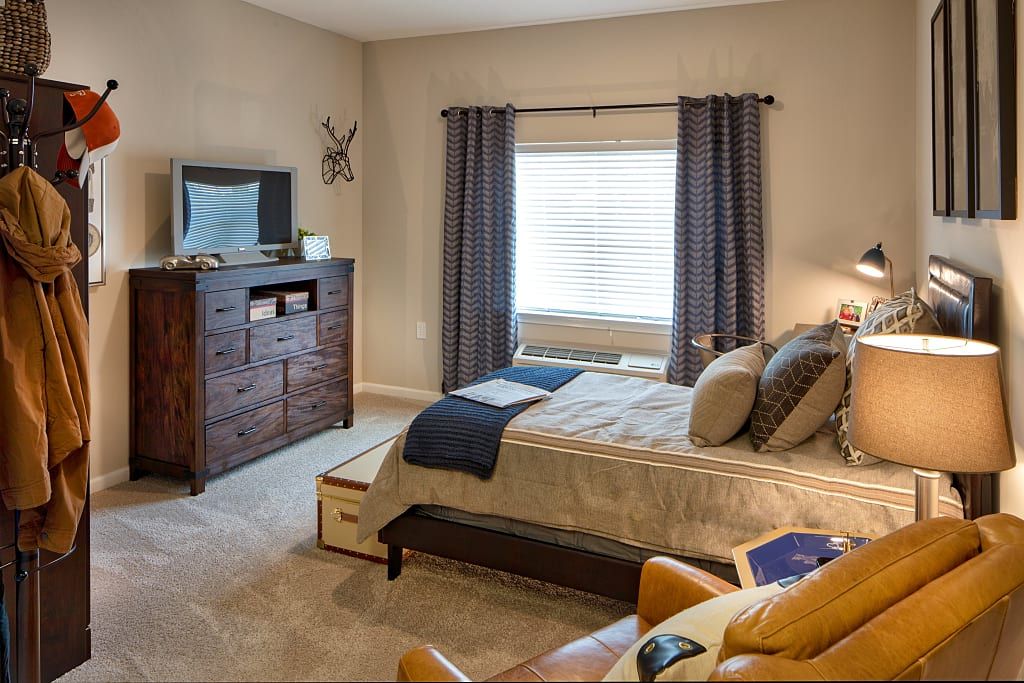
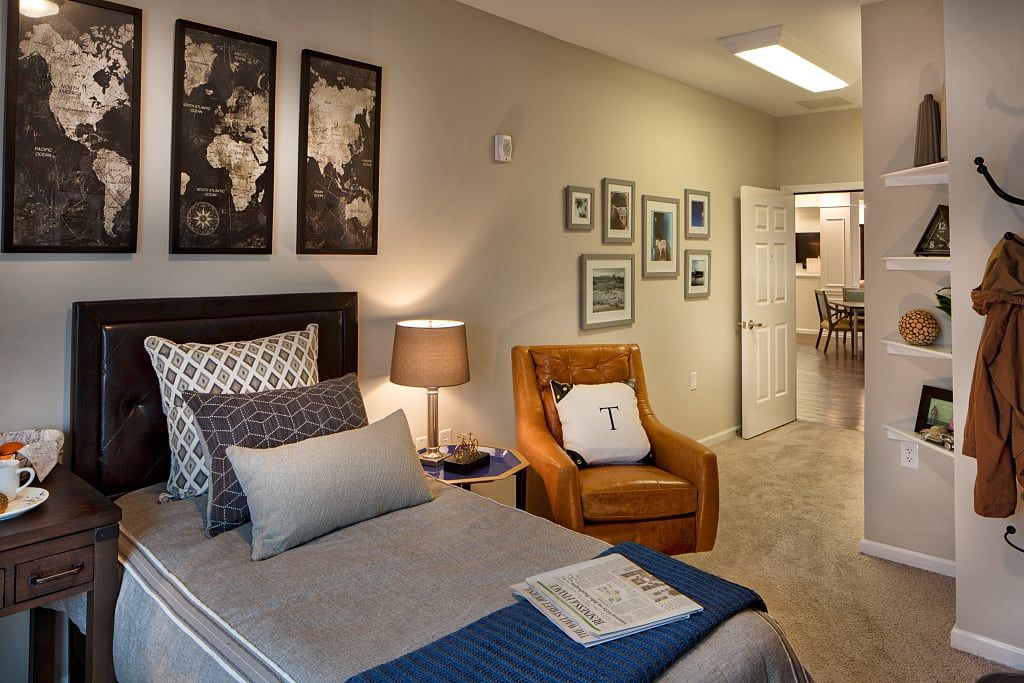
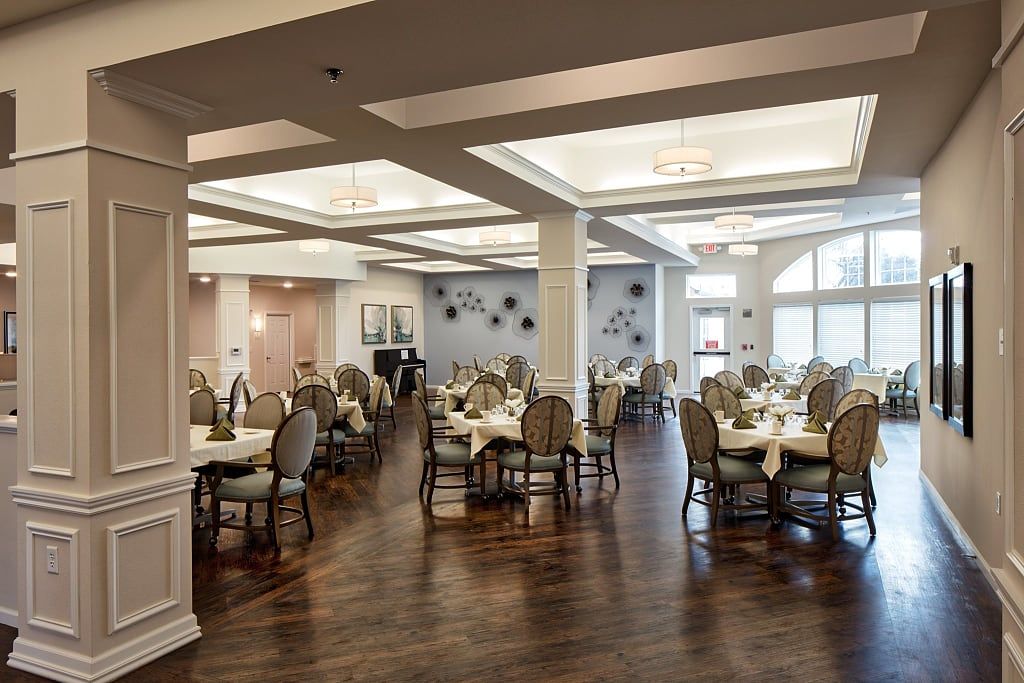
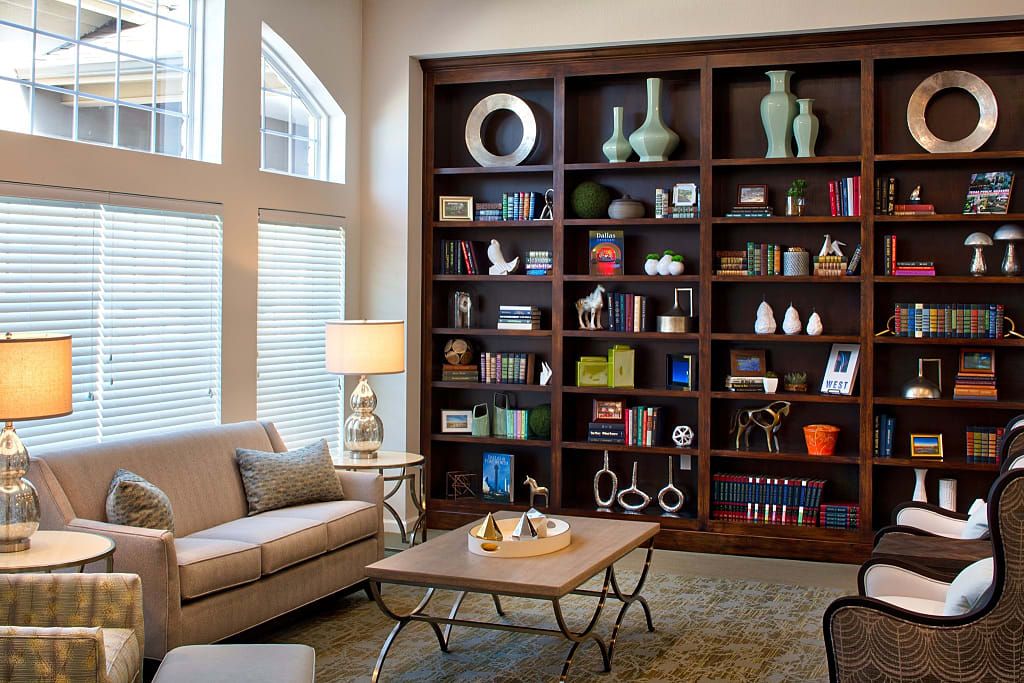
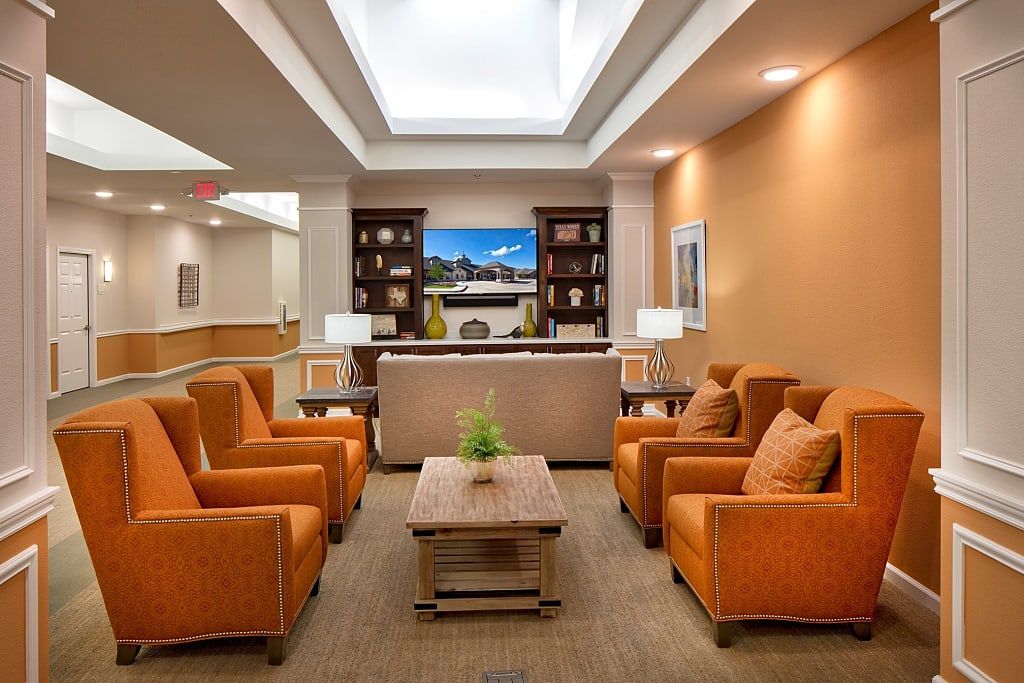
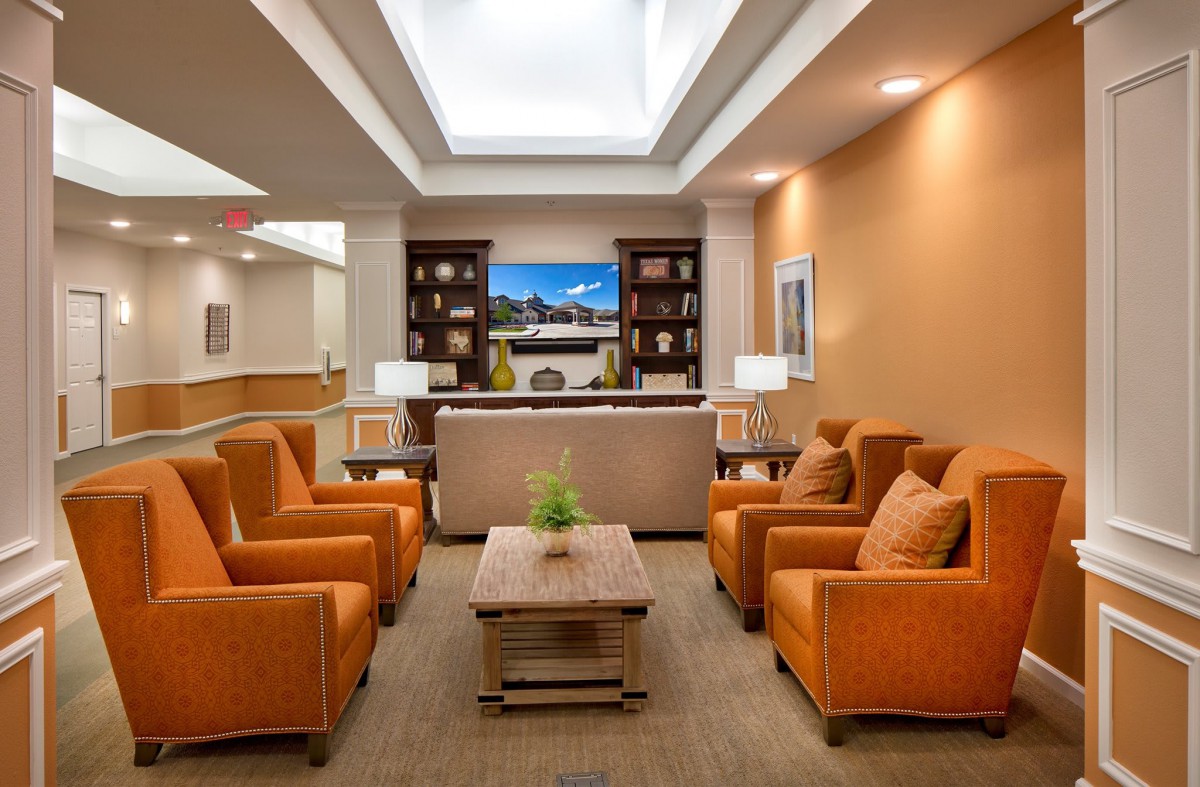
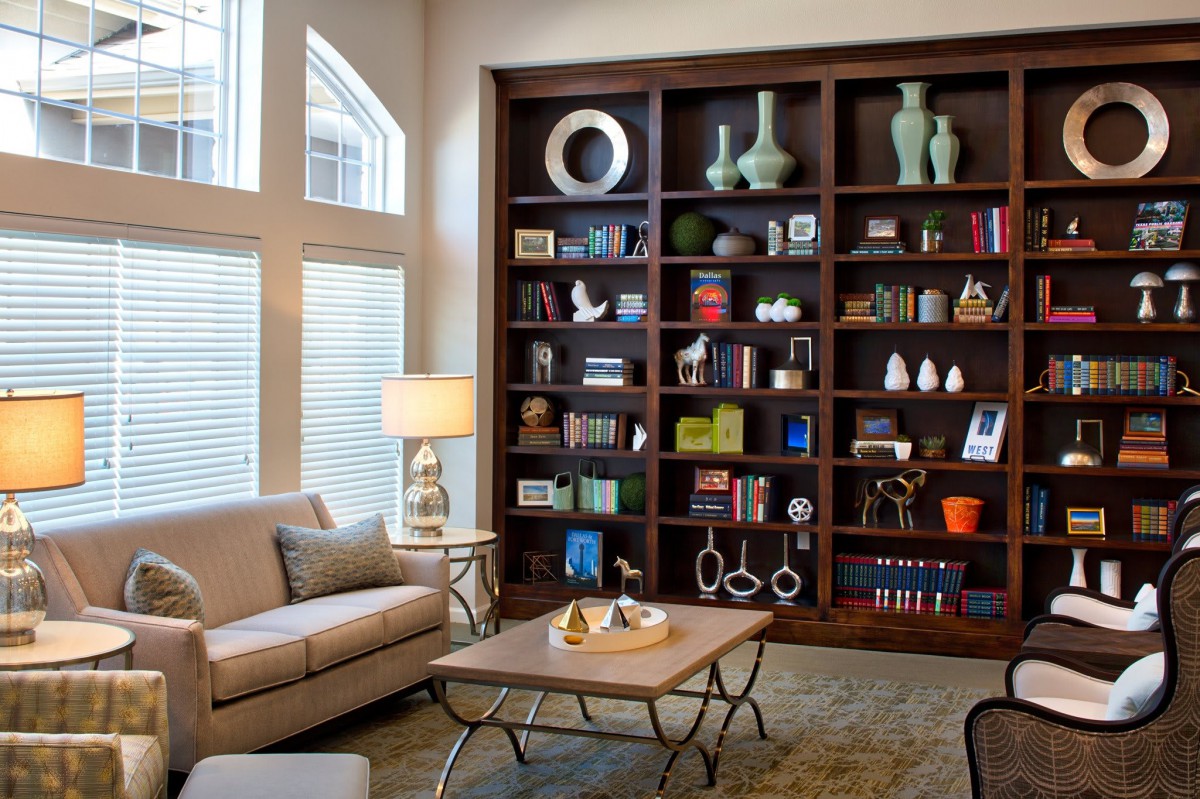
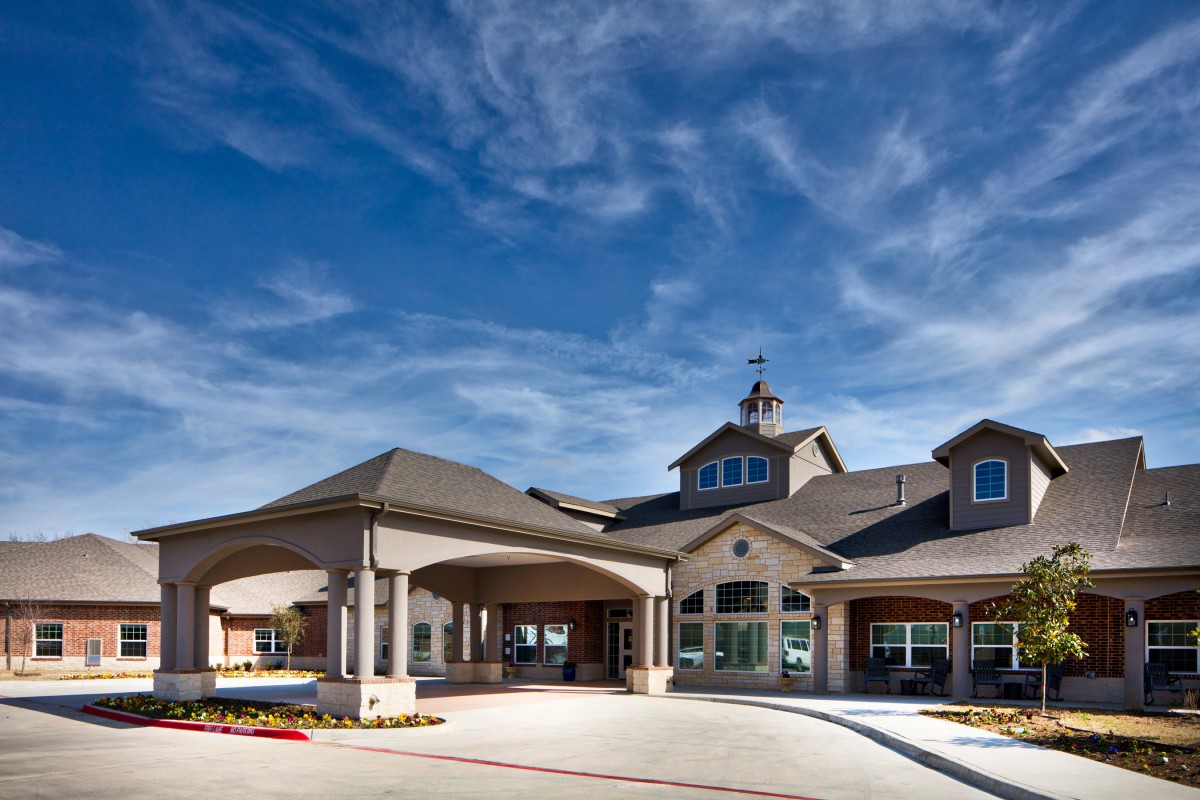
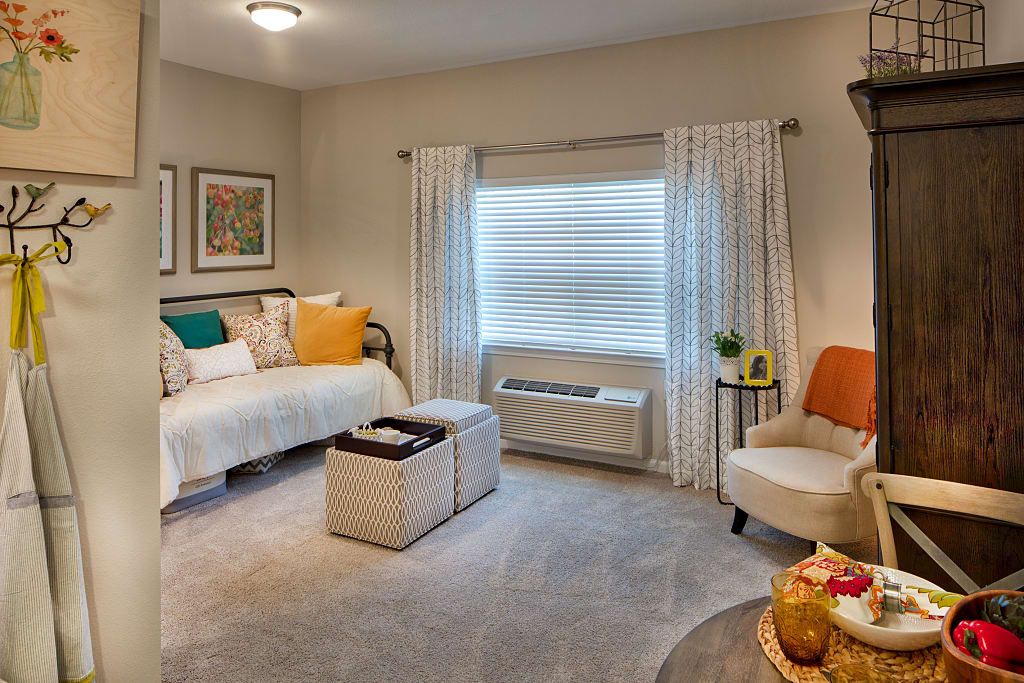
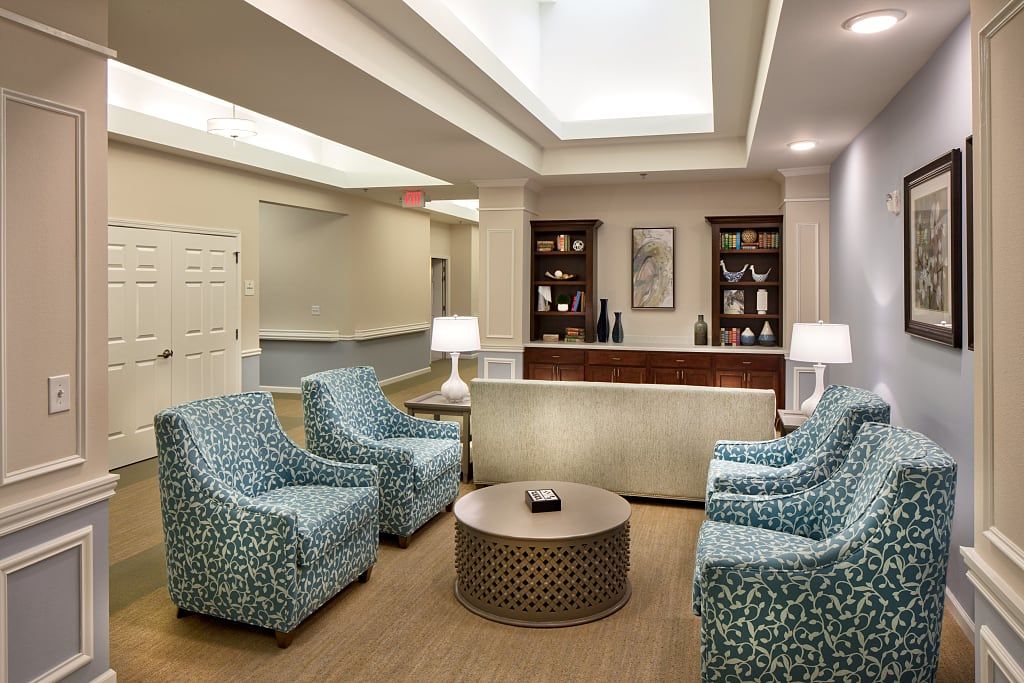
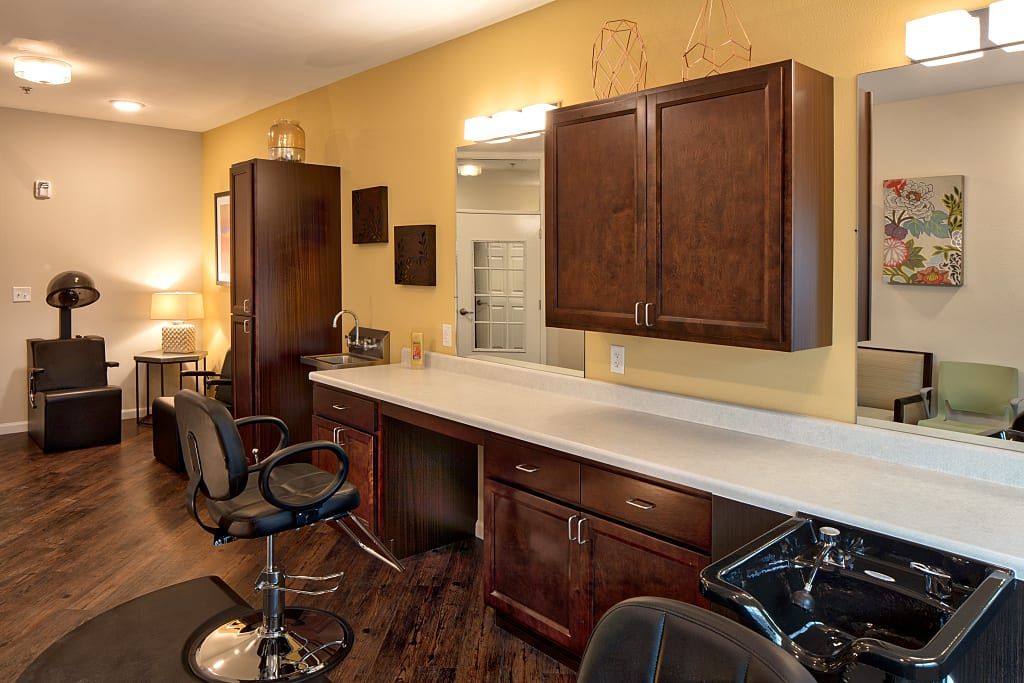
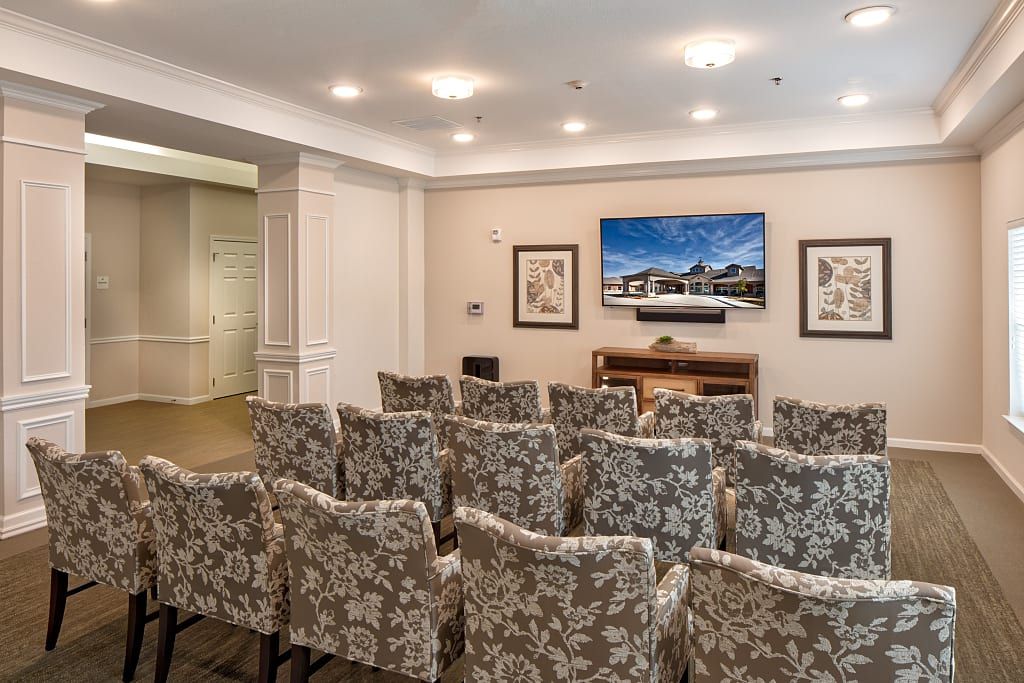
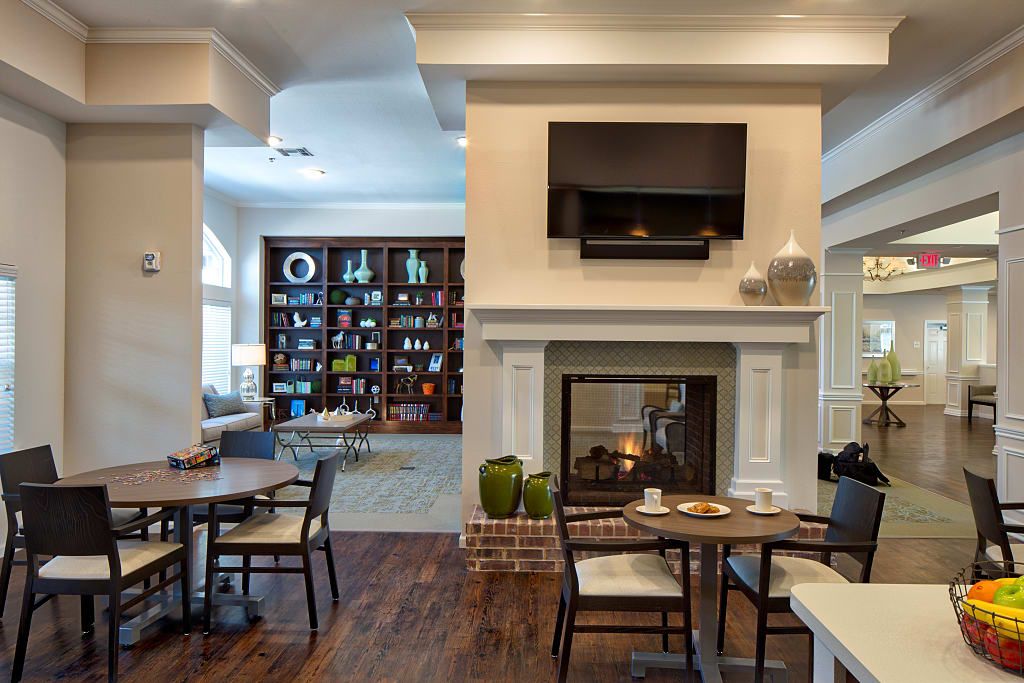
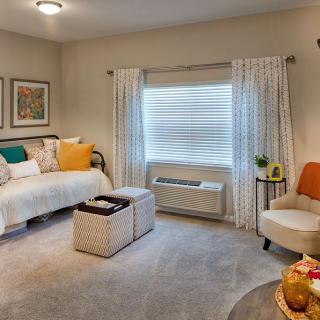
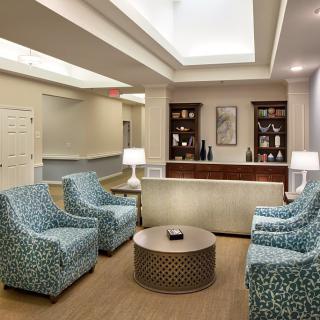
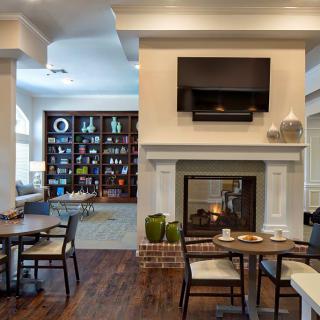
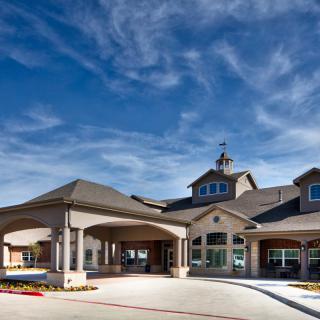
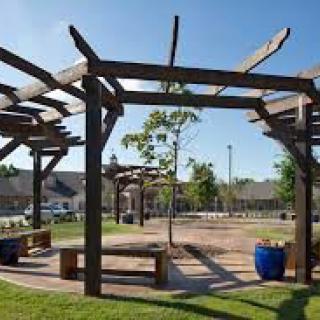
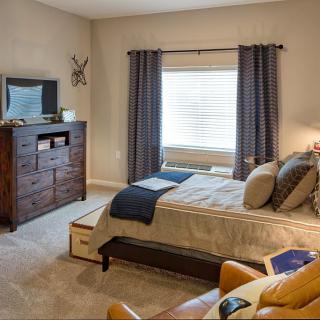
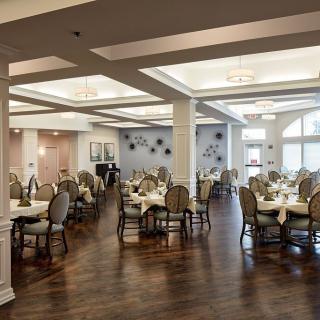
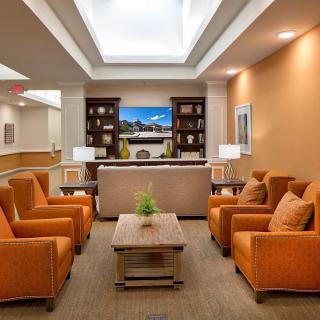
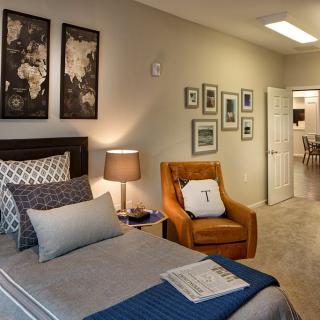
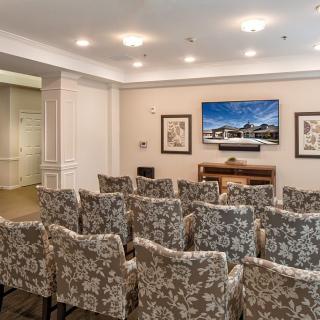
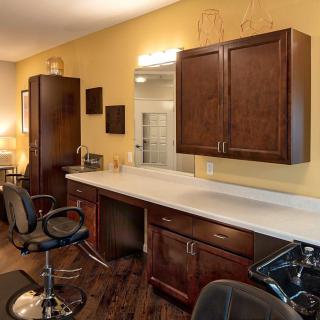
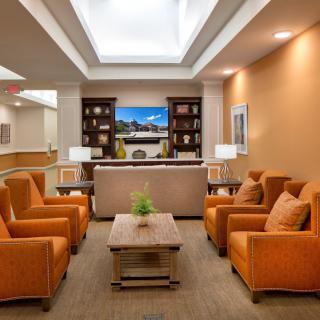
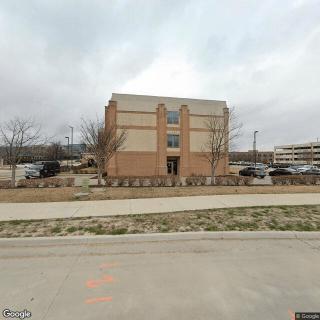
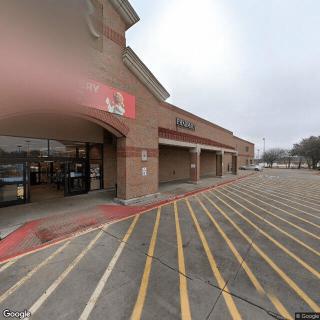
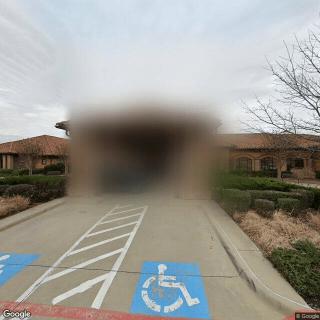
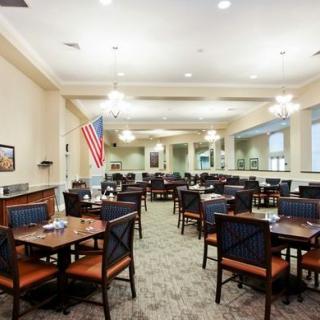
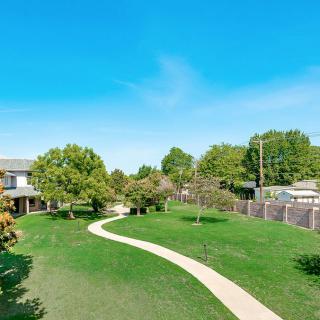
Twin Rivers on seniors.fyi includes 22 photos including images showing interior, decor, bedroom, windows, living room, seating area, architecture, television, and more.
Nearby Communities
Lindan Park Care Center
Richardson, TX
3.9 from 35 reviews
Clean, well-maintained facility with good meals, regular entertainment, and attentive staff; VA benefits accepted.
Glorious Residential Place
Richardson, TX
4.7 from 37 reviews
Personalized, attentive care in a loving, Christian setting.
Caring Senior Service of Dallas
Richardson, TX
4.7 from 37 reviews
Convenient Richardson location with nearby amenities and healthcare.
Remington Transitional Care Of Richardson
Richardson, TX
3.9 from 120 reviews
Extensive amenities and 24/7 care
Remington Medical Resort Richardson
Richardson, TX
3.9 from 111 reviews
Therapy staff are proficient and the facility is reported to be clean and well-maintained.
Dementia often results in disrupted sleep patterns, leading to excessive daytime sleeping due to factors like brain damage affecting circadian rhythms, medication side effects, and lack of structure in daily activities. Caregivers must monitor these changes closely, as oversleeping can increase risks such as malnutrition or dehydration, and provide necessary support and routines to enhance patient engagement and well-being.
The transition from assisted living to skilled nursing care is often prompted by complex medical needs that assisted living cannot meet, with key indicators including frequent health declines, increased falls, severe memory issues, and caregiver burnout. Families should recognize these signs early to discuss options with healthcare providers and prepare for the emotional and logistical aspects of moving to a facility that offers comprehensive medical support.
Dementia is characterized by cognitive decline, with nutrition playing a vital role in brain health; while no specific diet can prevent or reverse it, a nutrient-dense diet rich in antioxidants and healthy fats may support cognitive function. The MIND diet, which emphasizes beneficial foods and limits processed items, along with proper hydration and individualized meal strategies, can enhance the well-being of dementia patients.
Get PricingAsk A QuestionSchedule A TourContact Senior Advisor
By clicking submit, you agree to our Partner's Terms of Use. You
also consent to receive calls and texts, which may be autodialed, from our Partner. Your consent is not a condition to
using our Partner's service. Please visit our Partner's Privacy Policy for information about their privacy practices.


 1-bedroom apartments
 Assisted Living
 Memory Care
 Skilled Nursing Facility
 Activities off-site
 Air-conditioning
 Bath tubs
 Beautician on-site
 Cable or satellite TV
 Computer center
 Devotional services off-site
 Dining room
 Fitness room
 Fully furnished
 Gaming room
 Garden
 Ground floor units
 Handicap accessible
 Housekeeping services
 Indoor common areas
 Kitchenette
 Laundry
 Move-in coordination
 Outdoor common areas
 Party space
 Private bathrooms
 Respite or short term stays offered
 Restaurant-style dining
 Small library
 Telephone
 Wellness center
 Wheelchair accessible showers
 Wi-Fi/high-speed internet available
 Dallas Love (12 miles away)
 Community operated transportation
 12-16 hour nursing
 24-hour call system
 Ambulatory care
 Assistance with bathing
 Assistance with dressing
 Assistance with transfers
 Diabetes diet
 High acuity care
 Hospice waiver
 Incontinence care
 Medication management
 Mental wellness program
 Special dietary restrictions
 Transportation arrangement (medical)
 Art classes
 Bible study group
 Concierge services
 Cooking classes
 Day trips and outings
 Educational speakers / life long learning
 Happy hour
 Karaoke
 Live dance or theater performances
 Live musical performances
 English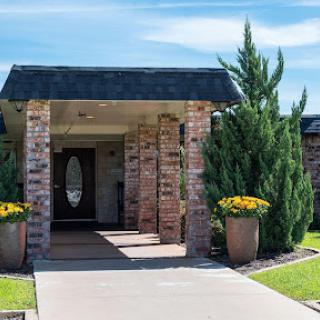
 Clean, well-maintained facility with good meals, regular entertainment, and attentive staff; VA benefits accepted.
 Why Do Dementia Patients Sleep So Much? Understanding Oversleeping, Stages, and Care Approaches
 8 Key Indicators That Suggest It May Be Time to Transition from Assisted Living to Skilled Nursing Care
 Nourishing the Mind: Essential Dietary Approaches for Dementia