
2101 Diane Drive, Plano, TX 75074
For more information about senior living options: (866) 208-4318
Overall Review of Groom Senior Care Homes At Diane
Pros
 Magnolia Plano is described as a gem with warmth and genuine care from the staff.
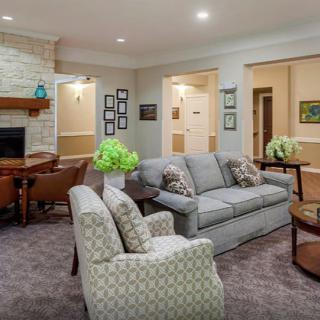
- The environment is clean, well-maintained, and feels like home—safe, peaceful, and full of heart.
- Savannah, the house manager, provides leadership and compassion, ensuring residents are treated with dignity and individualized attention.
- Families feel assured that their loved ones are not only cared for but truly loved.
- The staff are awesome and go above and beyond to make residents feel at home.
- Live music events and celebrations are appreciated and contribute to a pleasant atmosphere.
- The facility’s communication is easy and transparent, and the staff-to-resident ratio supports attentive care.
Cons
 The management won’t return calls after promising they would.
- There are no meal options to choose from.
- Staff turnover is high and there is insufficient training for caregivers.
- The staff have been rude to residents.
- Medications have not been administered properly.
- The system for residents to indicate they need assistance does not work properly and has come unplugged on several occasions.
- There is not always a nurse present to help with emergencies.
- There is speculation that the call system is being unplugged on purpose, especially at night.
Review
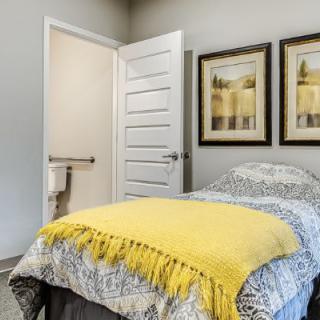
Groom Senior Care Homes At Diane in Plano is best suited for families seeking a memory-care oriented assisted living where warmth, individualized attention, and real peace of mind are the defining features. The environment feels like a home, the rooms are spacious, and the staff consistently communicates a caring, resident-first mindset. For residents with memory challenges, the community shows its mettle by delivering dignity, steady routines, and a sense of belonging that many families value above all else. When the goal is a place where loved ones are treated as family and where leadership can steer the ship with compassion, this is a strong contender.
That said, there are clear reasons to consider alternatives. A recurring theme is inconsistent call-back times and communication gaps with management, which can leave families feeling secondary to daily routines. There are also cautions about staffing stability: high turnover and uneven caregiver training have surfaced in reviews, sometimes accompanied by concerns about medication administration and the reliability of the call-for-assistance system. For residents who require a nursing-home level of on-site medical oversight, or who need a nurse present around the clock to handle emergencies, this setting may fall short. Families should weigh whether on-demand clinical support is essential or if the current model will suffice with clear escalation paths.
The strongest positives here, particularly the hands-on leadership, the high degree of resident-to-staff engagement, and the palpable sense that care is personal, often offset the drawbacks. The facility earns trust through tangible acts: swift responses when issues are raised, a focus on dignity and individualized attention, and a leadership tone that prioritizes each resident’s well-being. Specific praise for Savannah, a house manager, and for care teams like Alex, Sheila, and E demonstrates that when the staff are aligned and empowered, residents receive attentive, compassionate care that can feel transformative for families. The memory-care specialization is reinforced by an atmosphere that blends gentle programming, live events, and a rhythm of routines that support anchors for memory-impaired individuals.
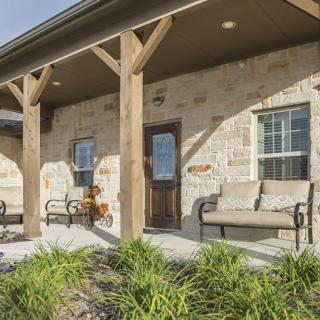
The care culture also benefits from observable strengths in the residence environment. Reviewers repeatedly highlight a clean, neat facility with spacious rooms and a warm, home-like feeling. The staff-to-resident ratio stands out as a practical advantage, enabling more immediate attention when needs arise. Family members describe easy, transparent communication and a willingness from the team to go beyond basic care, arranging activities and small touches that reinforce a sense of belonging. The live-music and celebration moments, along with convenient outings to nearby parks, contribute to quality-of-life that many memory-care communities struggle to deliver. All of this helps explain why, even when problems surface, families feel their loved ones are cherished and safe.
Practical decision-making guidance centers on alignment with resident needs and organizational capabilities. Prospective families should ask pointed questions: what is the current turnover rate among caregivers, what training protocols exist, and how is medication managed and audited? Inquire about the call-system reliability, and whether there is on-site nursing coverage for emergencies or planned medical needs outside regular business hours. Observe how management handles concerns and how responsive the team is to family input. Investigate dietary flexibility and activity programming, are there individualized meal accommodations, and how often are memory-support activities scheduled? Also consider the neighborhood context: the presence of nearby parks and a welcoming, homelike atmosphere can meaningfully affect daily happiness for memory-care residents.
In the final analysis, Groom Senior Care Homes At Diane stands out as a compelling choice for families prioritizing memory-care fidelity, a home-like ambiance, and a culture of genuine care. It delivers meaningful peace of mind when the care team functions at its best, backed by leadership that values each resident’s dignity and safety. However, the trade-offs, staff turnover, training gaps, and variable call-system reliability, mean that this is not the right fit for every situation. For residents who demand continuous nursing oversight and perfectly consistent operational systems, consider alternatives with stronger clinical staffing or a more tightly integrated care model. For those who can embrace a warm, person-centered environment with proactive leadership and a strong sense of community, Groom Senior Care Homes At Diane represents one of Plano’s most thoughtful, heartfelt paths to memory-care living.
 9 resident community capacity
 Assisted Living
 Board and Care Home
 Memory Care
 Respite Care
 Skilled Nursing Facility
 Cable or satellite TV
 Dining room
 Financial aid
 Fully furnished
 Garden
 Housekeeping services
 Laundry
 Move-in coordination
 Outdoor space
 Party space
 Telephone
 Wi-Fi/high-speed internet available
 Dallas Love (17 miles away)
 24-hour supervision
 Activities of daily living assistance
 Assistance with bathing
 Assistance with dressing
 Assistance with transfers
 Blood work
 Diabetes diet
 Hospice care
 Meal preparation and service
 Medication management
 Physical therapy
 Special dietary restrictions
 Transportation arrangement (medical)
 Transportation to doctors appointments
 Arts and crafts
 Educational speakers / life long learning
 Fitness programs
 Games
Games Live musical performances
 Religious services
 Stories
 English



 5 Early Indicators of Dementia and What You Can Do
 8 Important Indicators That Memory Care May Be Necessary
 Delving into the Inner World of Dementia: Insights into Thoughts and Awareness