Lynridge Assisted Living & Memory Care in Murphy, TX
SaveInformation last verified:
304 W FM 544, Murphy, TX 75094
For more information about senior living options: (844) 490-3973
At Lynridge Assisted Living & Memory Care, the pricing for room types reflects a competitive positioning in the local and state market. The semi-private rooms are offered at $3,575 per month, which is notably lower than both the county average of $3,950 and the state average of $3,680. For studio accommodations, Lynridge's rate of $3,640 remains more affordable than the county's average of $4,225 while being slightly lower than the Texas state figure of $3,758. One-bedroom units at Lynridge are priced at $4,185 - higher than Collin County's average of $3,822 but still within reach compared to statewide rates of approximately $3,761. Lastly, the two-bedroom option is positioned at $5,485 per month; while this exceeds both Collin County's and Texas' averages ($4,081 and $4,215 respectively), it reflects a premium offering that may appeal to those seeking spacious living arrangements. Overall, Lynridge provides a range of options that cater to varying needs while demonstrating thoughtful pricing strategies in comparison to its regional counterparts.
| Floor plans | Lynridge Assisted Living & Memory Care | Collin County | Texas |
|---|---|---|---|
| Semi-Private | $3,575 | $3,950 | $3,680 |
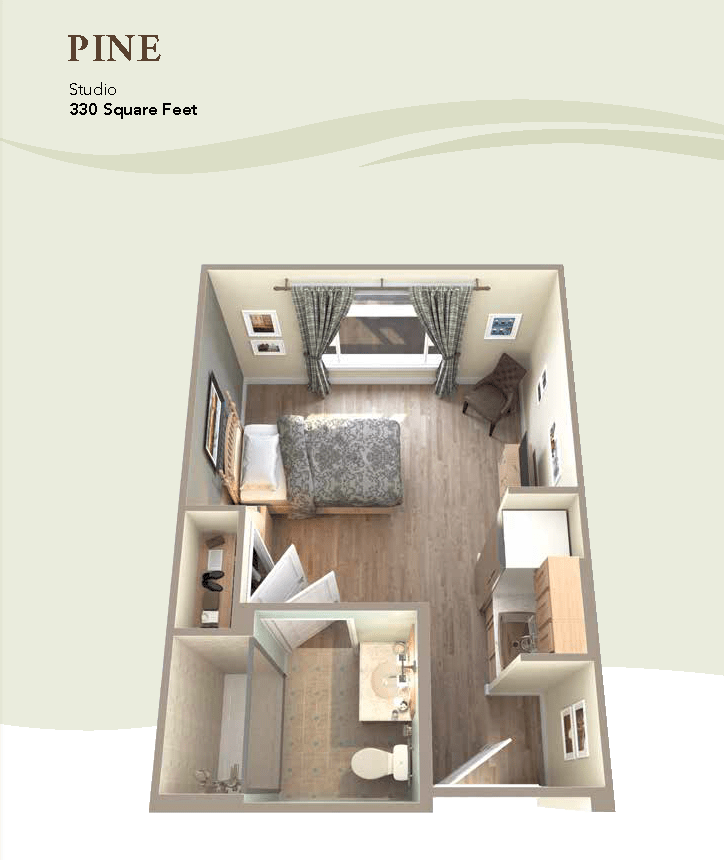
| Studio | $3,640 | $4,225 | $3,758 |
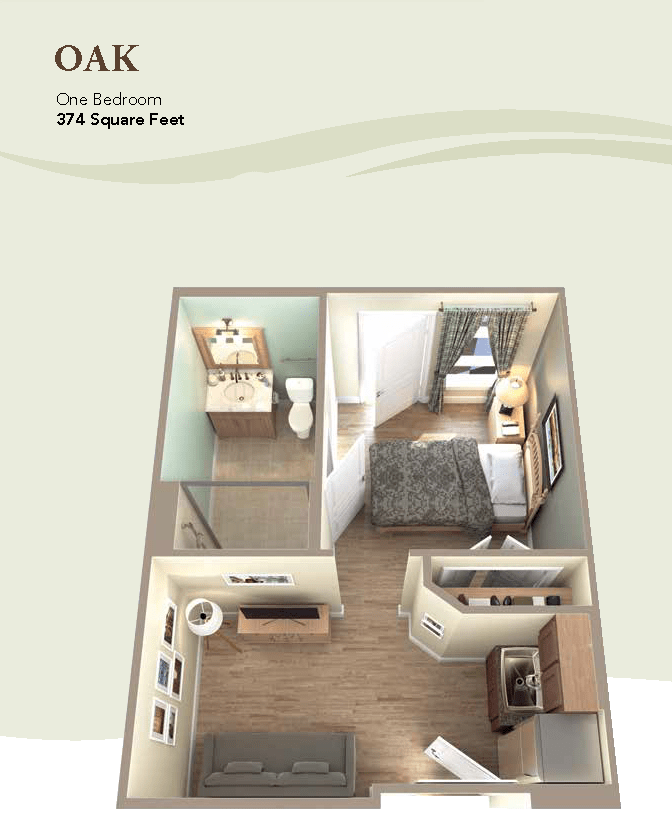
| 1 Bedroom | $4,185 | $3,822 | $3,761 |
| 2 Bedrooms | $5,485 | $4,081 | $4,215 |
This community is best suited for families seeking a warm, home-like environment where memory care and assisted living are delivered with hands-on leadership and a genuine emphasis on relationship-building. Lynridge operates as a single-story, well-kept campus with inviting courtyards, on-site medical support, physical and occupational therapy, and a beauty salon that residents actually use. The culture consistently rallies around attentive, friendly caregiving, and families often point to clear, reassuring communication and a sense of continuity across transitions from assisted living to memory care. It is a strong fit for families who want a facility that feels personal, where staff familiarity with residents translates into daily you-can-count-on-it care, strong activity programming, and dependable daily routines. Those prioritizing a high-touch, engaging environment will find Lynridge compelling.
Yet, there are clear caveats for families that must be weighed carefully. Some experiences center on administrative and operational friction: inconsistent communication about medication changes, weekend leadership gaps, and a perception that the organization’s corporate structure can overshadow resident-centric needs at times. Billing and service-fee practices have produced understandable anxiety for a subset of families, including instances of disputed charges and delayed responsiveness to pay-related concerns. Maintenance and climate control issues also surface in a minority of reviews, with reports of aging systems and slow fixes. In memory care especially, staff turnover and perceptions of uneven attention have appeared in feedback, underscoring that a highly praised day-to-day caregiving milieu can be unevenly supported by backend operations.
The strongest pro-libations are the care commitments that families repeatedly cite as life-changing: a genuinely caring staff, accessible on-site medical and therapy services, and a dining and activity program that keeps residents engaged. Families celebrate nurses and care aides who know residents by name, respond quickly to needs, and maintain a respectful, family-like atmosphere. The executive leadership, frequently highlighted are the involvement of the executive director and program directors, tends to show up in day-to-day operations, from planning activities to addressing concerns with transparency when possible. The food program stands out to many families, with menu variety and nutrition-focused options, and the community’s culture often translates into real happiness and social connection for residents. With its calm, inviting layout, Lynridge can feel like a comfortable home rather than a clinical setting, which matters deeply for mood, appetite, and social engagement.
However, the reported cons do not vanish simply because the place looks nice. The most consequential risk is inconsistent, sometimes opaque communication about medical changes, medication management, and care planning, especially during weekends or transitions. When families feel they cannot reach someone in charge quickly, anxiety rises and decisions become harder. Several reviews describe instances of neglect or inadequate responsiveness in memory care, or suboptimal handling of housekeeping and room concerns that undermine perceived dignity. Financial friction compounds the frustration: misapplied charges, disputed invoices, and calls for prompt, clear remediation can erode trust even when the caregiving itself is solid. Maintenance challenges, like HVAC reliability and timely repairs, also color the experience, reminding that even in a beautiful setting, operational gaps can disrupt comfort and safety.
Despite these drawbacks, the core value proposition of Lynridge remains persuasive for many families. The high-quality, resident-centered care is not a mere aspiration; it is frequently observed in daily interactions, staff who greet residents warmly, caregivers who engage in meaningful activities, and therapists who help people regain or maintain function. When leadership is responsive, and when care staff build strong relationships with residents and families, the positives can significantly outweigh the negatives. The built-in advantages, clear routines, abundant social opportunities, robust in-house services, and the sense of community created by frequent staff visibility, provide real, tangible relief for families managing the move from independent living or other care settings. For families prioritizing continuity, warmth, and a strong dining/engagement program, Lynridge delivers.
For families considering Lynridge, approach the decision with a practical, checks-and-balance mindset. Schedule a day-to-day preview that includes dining, routine medical updates, and a sit-down with the executive director or the program directors to walk through a recent care plan and any open issues. Request recent examples of care-plan reviews, medication-change communications, and family updates, and ask for a clearly defined process for weekend coverage and urgent-mall emergencies. Review the fee structure line by line, including what is included in the base rate versus add-on services, and verify the policy on move-ins, room repairs, and any penalties. Visit the memory care wing at different times of day to observe staff-to-resident interactions, check for signs of understaffing, and gauge how maintenance issues are prioritized and resolved. Finally, talk with several current families about both the highs and the lows to determine whether the emotional climate and the practical systems align with the expectations that matter most.
In sum, Lynridge Murphy stands out as a capable, compassionate option for families who want robust memory care alongside assisted living within a consistently warm, activity-rich environment. It is especially well-suited for those who prize staff accessibility, nourishment-focused dining, and a genuinely homey atmosphere, where leadership is visible, resident satisfaction is repeatedly voiced, and day-to-day routines feel predictable and secure. There are legitimate concerns about communication gaps, weekend accessibility, and administrative friction that must be acknowledged and addressed through diligent onboarding, careful contract review, and ongoing oversight. For those willing to scrutinize the administrative side as closely as the caregiving, Lynridge is a strong contender worth pursuing, with the caveat that thorough due diligence is essential before committing.
Lynridge Assisted Living & Memory Care in Murphy, TX, is a premier senior living community that specializes in memory care. Our dedicated staff provides personalized care for individuals with Alzheimer's disease and other forms of memory loss.
Our residents can enjoy a variety of amenities designed to enhance their quality of life. They can participate in stimulating activities and events on-site, such as educational speakers, live dance or theater performances, yoga and stretching classes, and wine tasting. We also offer devotional services for spiritual enrichment.
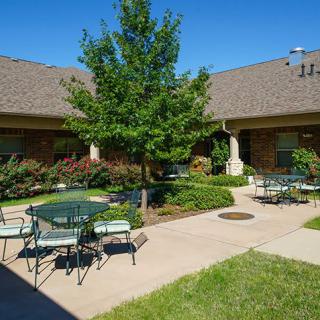
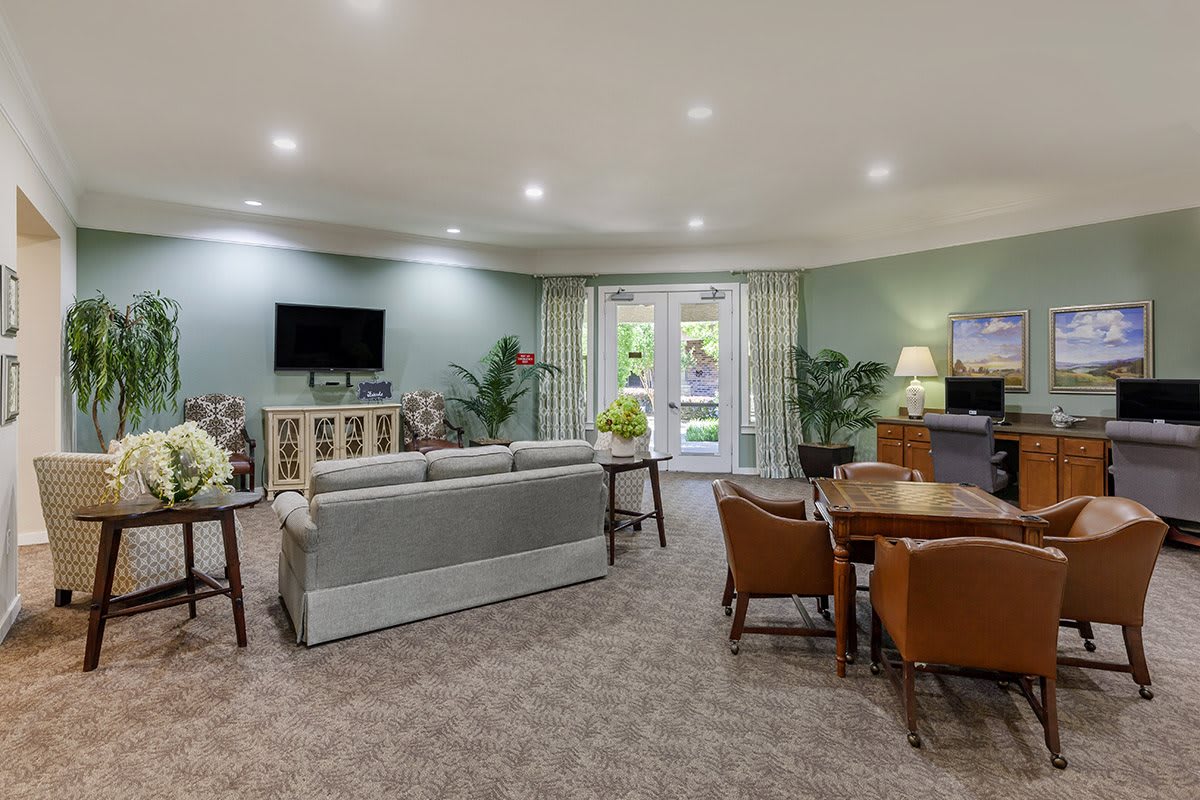
Comfort is a priority at Lynridge Assisted Living & Memory Care. Our accommodations feature air-conditioning, private bathrooms, and beautiful garden views. Ground floor units are available for easy accessibility, and all facilities are wheelchair accessible. Residents can enjoy the indoor common areas or spend time in the outdoor spaces.
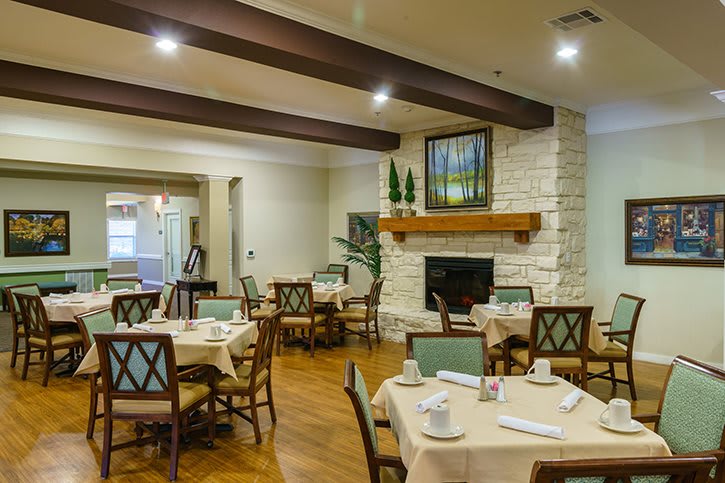
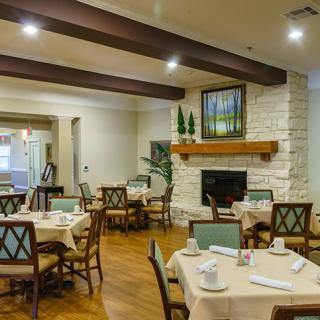
Dining at our community is a delightful experience. Our professional chef prepares delicious meals that cater to specific dietary needs, including low/no sodium and no sugar options. Residents can savor their meals in our restaurant-style dining room or have room service if desired.
At Lynridge Assisted Living & Memory Care, we provide high acuity care for those who require extra medical attention. Our dedicated staff assists with medication management and offers specialized care for incontinence issues.
Conveniently located near two cafes, 11 pharmacies, two physicians' offices, 13 restaurants, and three places of worship nearby, our community ensures that residents have access to essential services and opportunities for social engagement outside the premises.
With our commitment to personalized care and an array of amenities and activities, Lynridge Assisted Living & Memory Care offers seniors a fulfilling lifestyle within a secure and supportive environment.
Located in the heart of Murphy, Texas, this area offers a convenient and vibrant lifestyle for seniors. With a variety of dining options such as Braum's and Chick-Fil-A within walking distance, residents can enjoy delicious meals without having to travel far. Nearby pharmacies like Walgreens and CVS provide easy access to medications and healthcare supplies. For medical needs, there are reputable facilities like Baylor Medical Plaza and Southern Endocrinology just a short drive away. Additionally, there are cafes for socializing like Black Rock Coffee Bar and Starbucks. Places of worship such as Gateway Community Church and First Baptist Wylie offer spiritual fulfillment, while parks like Wylie Community Park provide opportunities for outdoor recreation. Seniors can also catch a movie at Cinemark Holdings or Alamo Drafthouse Cinema nearby. The Arapaho Center Station provides convenient transportation options for those who may not drive. Overall, this area of Murphy offers a blend of amenities that cater to the needs and interests of senior residents.
At Lynridge Assisted Living & Memory Care, the pricing for room types reflects a competitive positioning in the local and state market. The semi-private rooms are offered at $3,575 per month, which is notably lower than both the county average of $3,950 and the state average of $3,680. For studio accommodations, Lynridge's rate of $3,640 remains more affordable than the county's average of $4,225 while being slightly lower than the Texas state figure of $3,758. One-bedroom units at Lynridge are priced at $4,185 - higher than Collin County's average of $3,822 but still within reach compared to statewide rates of approximately $3,761. Lastly, the two-bedroom option is positioned at $5,485 per month; while this exceeds both Collin County's and Texas' averages ($4,081 and $4,215 respectively), it reflects a premium offering that may appeal to those seeking spacious living arrangements. Overall, Lynridge provides a range of options that cater to varying needs while demonstrating thoughtful pricing strategies in comparison to its regional counterparts.
Lynridge Assisted Living & Memory Care is located at 304 W FM 544, Murphy, TX 75094 in Collin County, Texas
Lynridge Assisted Living & Memory Care's medication management service ensures that residents receive the correct medications at the appropriate times, which is crucial for individuals with dementia or Alzheimer's who may struggle with routine compliance and memory issues. This systematic oversight not only helps in maintaining their overall health but also reduces anxiety associated with managing complex medication regimens. Incontinence care further supports residents' dignity and comfort by providing discreet assistance, addressing a common challenge faced as cognitive decline progresses. By fostering an environment that prioritizes both medical adherence and personal care needs, Lynridge enhances the quality of life for those affected by memory impairments, allowing them to navigate their day-to-day activities with greater ease.
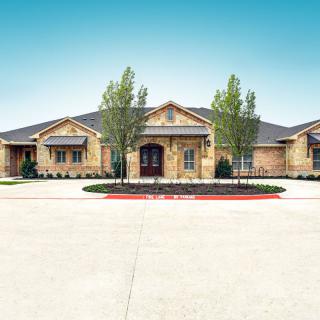
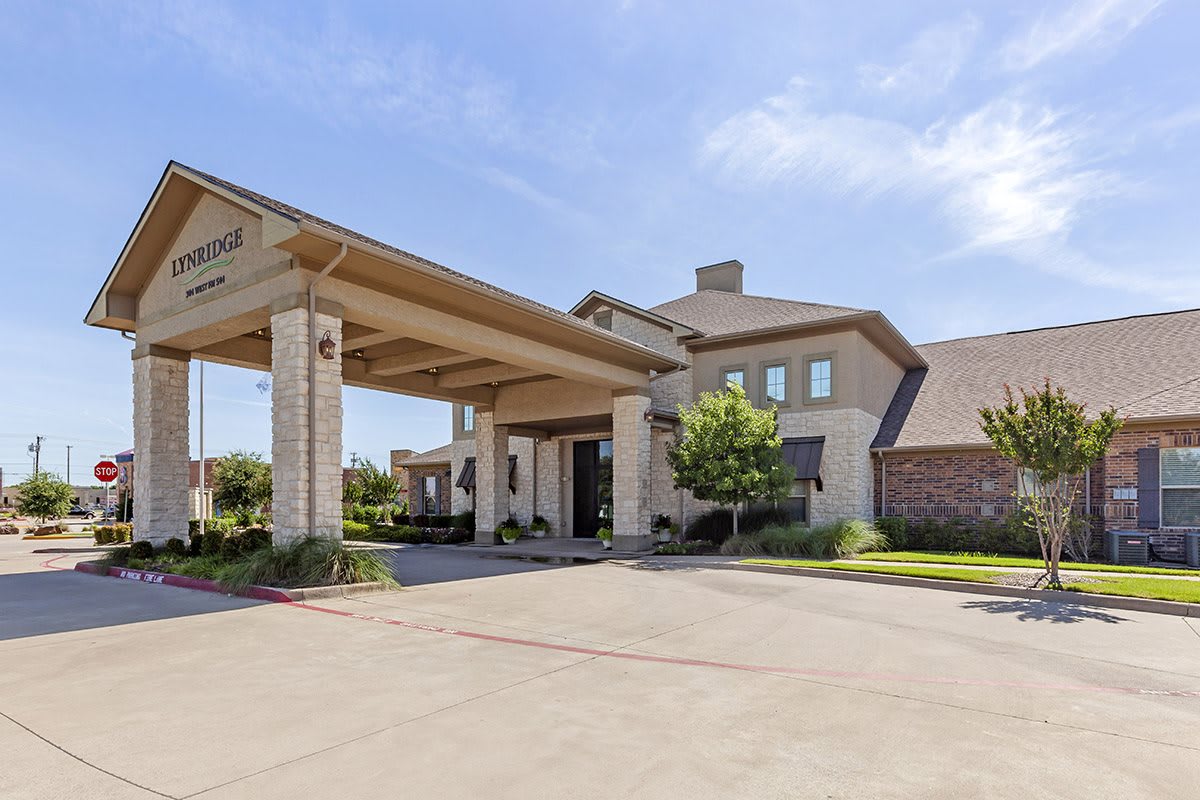
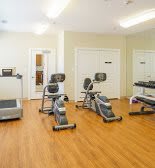
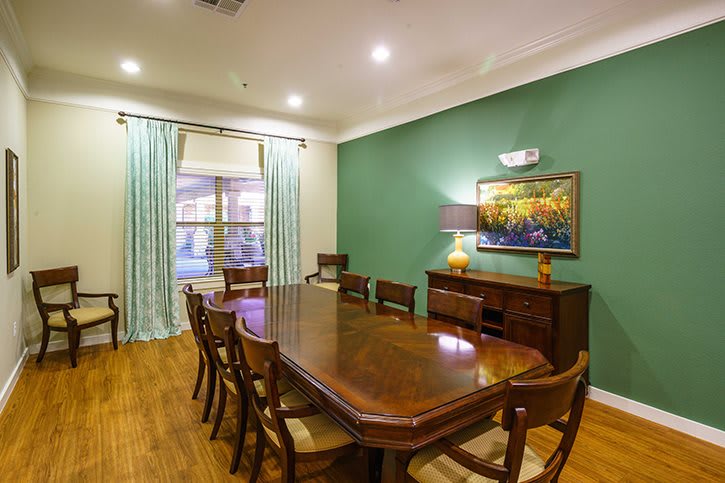
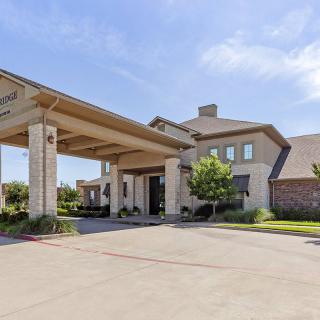
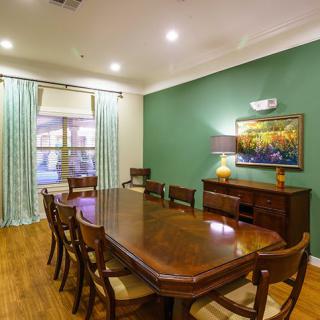
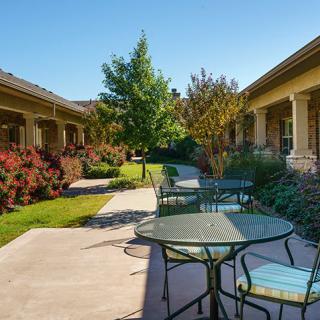
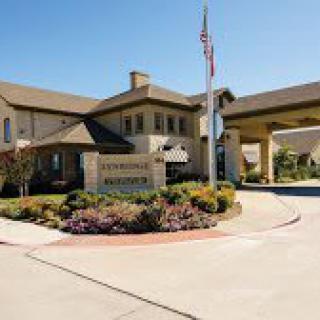
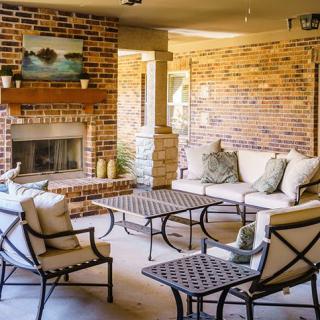
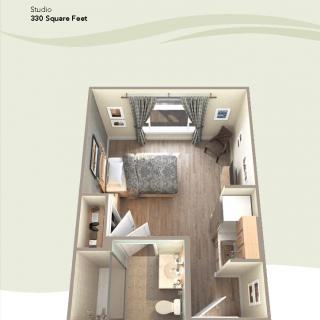
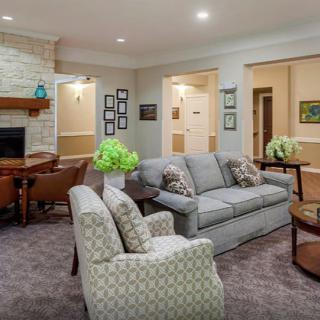
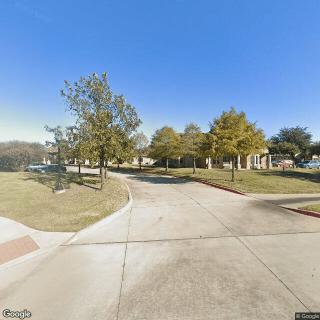
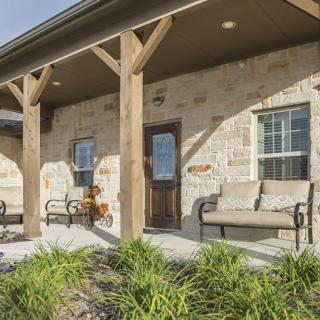
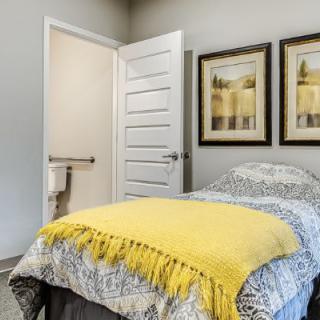
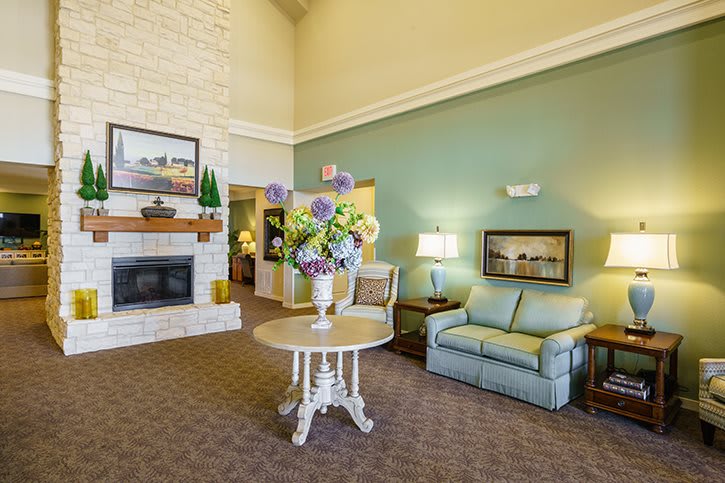
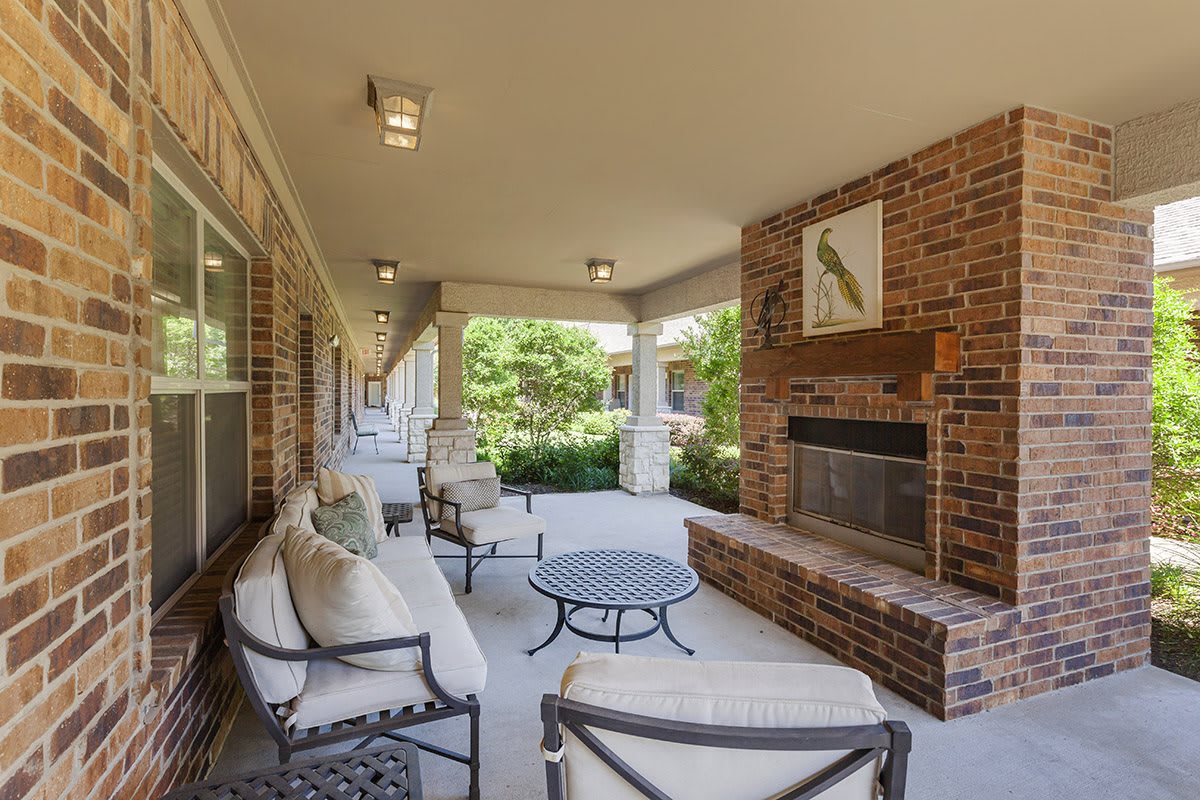
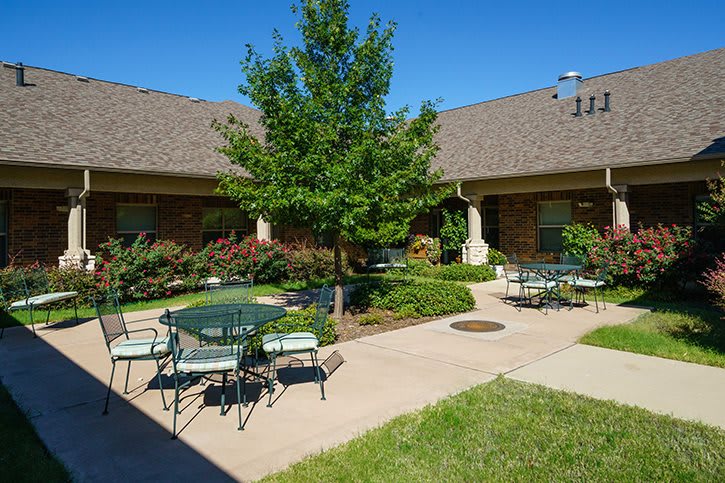
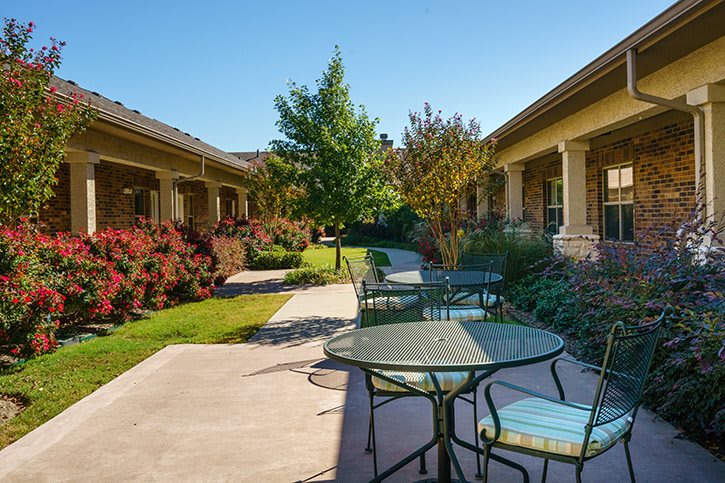
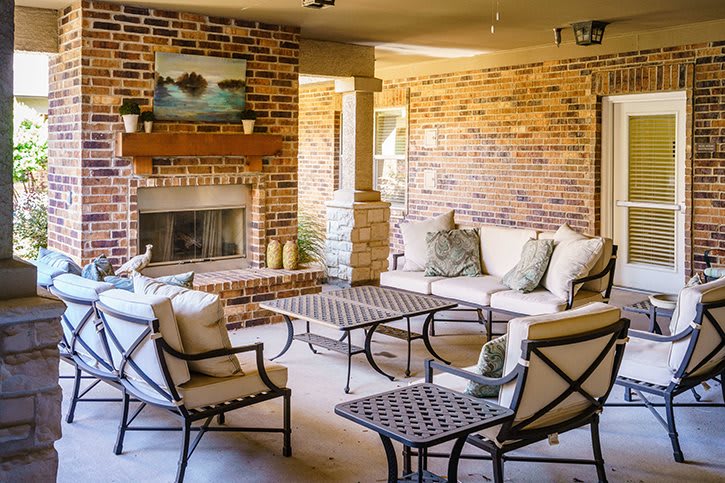
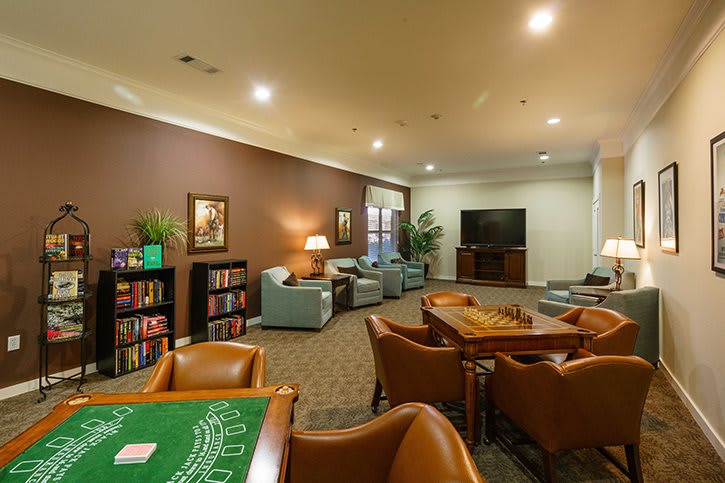
Lynridge Assisted Living & Memory Care on seniors.fyi includes 21 photos including images showing floor plan, interior, landscaping, patio, fireplace, outdoor, decor, seating area, and more.
Are Dementia and Alzheimer's Disease Lethal? A Comprehensive Exploration
Dementia, including Alzheimer’s disease, is often mischaracterized in terms of lethality as it leads to complications that can be fatal rather than being a direct cause of death; it causes a progressive decline in cognitive and physical health, making patients vulnerable to infections and other health crises. Effective management of nutrition, hydration, and communication is crucial in patient care, with palliative care becoming vital in advanced stages to enhance comfort and quality of life while caregivers play a key role amidst the challenges posed by the disease.
Exploring the Power of Reminiscence Therapy for Individuals With Dementia
Reminiscence therapy helps individuals with dementia recall past memories through structured discussions and meaningful objects, enhancing mood, relationships, and sense of identity while celebrating their lives. It can be practiced in formal settings or at home, requiring sensitivity to personal histories and cultural backgrounds.
An In-Depth Look at Reminiscence Therapy in Dementia Care
Reminiscence therapy is a structured method for older adults, especially those with dementia, to share life stories using prompts and sensory cues, fostering emotional well-being, social engagement, and self-identity. It aims to improve quality of life by enhancing interpersonal connections and cognitive stimulation while requiring careful facilitation to avoid distressing memories.