

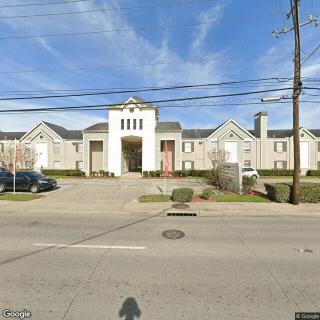
726 Dunwick Street, Pasadena, TX 77502
To contact a resident: (888) 672-2221
For more information about senior living options: (866) 208-4318
Caring Hands Home 2 Costs & Pricing
Caring Hands Home 2 offers competitive pricing for its room types when compared to local and state averages. The cost for a semi-private room is set at $3,700 per month, which is slightly above the Harris County average of $3,518 but remains below the statewide average of $3,680. For those seeking more privacy, the private room option is priced at $4,000 per month; this figure aligns closely with the Texas state average of $4,096 while being somewhat lower than Harris County's average of $3,784. Overall, Caring Hands Home 2 presents a balanced value proposition in terms of monthly costs within its regional context.
| Floor plans | Caring Hands Home 2 | Harris County | Texas |
|---|---|---|---|
| Semi-Private | $3,700 | $3,518 | $3,680 |
| Private | $4,000 | $3,784 | $4,096 |
Senior living communities with a similar price nearby
-
from +$500 / mo

Plantation Personal Care Home
$4,200 to $4,400 / month20.3 miles away -
from -$200 / mo
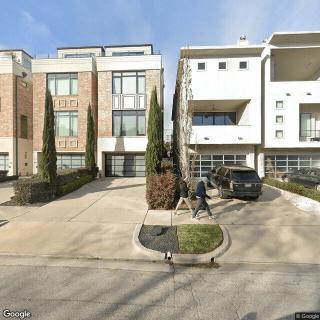
Houston - Arad Senior Care 1
$3,500 / month12.4 miles away -
from -$600 / mo
Ba Home Care
$3,100 / month22.2 miles away -
from -$200 / mo
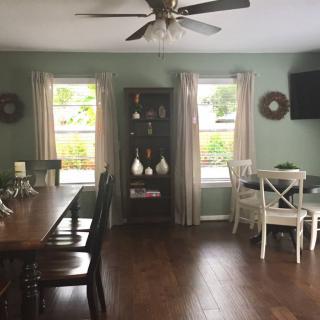
Bahia Personal Care Home
$3,500 to $4,000 / month4.4 miles away -
from -$700 / mo
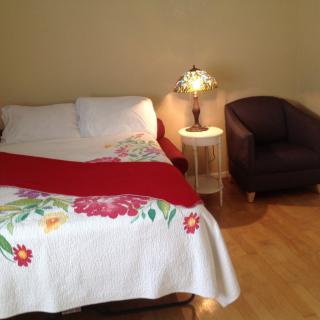
ADL Assisted Living
$3,000 to $4,100 / month19.0 miles away
Overall Review of Caring Hands Home 2
Pros
 The reviewers found S&S Serenity to be the right fit for mom, noting a friendly and knowledgeable staff in a home setting.
- Mom adjusted quickly to her new environment and was happy among new friends at S&S Serenity.
- Ms. Shay and the staff were excellent in their care and showed genuine concern, treating residents as if they were family.
- The facility was clean and felt like home during tours.
- Family members could visit daily, and the staff were easily accessible to answer questions.
- Ms. Shay is described as a helpful, professional, and caring nurse, delivering a positive experience for all residents.
Cons
 They were disturbed by the policy that if residents miss their supper or sleep through it, they don’t get to eat.
- They claim that the owner opened an online checking account for a family member and used Zelle to transfer the rent money herself.
Review
This community is best suited for families seeking a small, home-like senior care setting where the caregiver team feels like an extension of family and the owner is deeply involved in day-to-day welfare. The strongest fit is for residents who value personal attention, predictable routines, and open access to the people who design and supervise care. Families that want to see their loved one on a daily basis without the disorienting bustle of a large campus will find comfort here: caregivers know residents by name, meals feel community-centric, and the atmosphere is consistently described as warm and homey. The reviews repeatedly highlight the trust-building power of a hands-on owner who actively mentors staff and maintains a front-row view of each resident’s day.
Owners aside, there are clear reasons to consider alternatives. For families needing rigorous, institution-style oversight, larger facilities with formal medical protocols and more expansive staffing may be a better fit. A resident who requires around-the-clock nursing supervision, complex medical contingencies, or a tightly regulated financial and operational framework might find a larger setting more reassuring. Additionally, if meal timing and dietary autonomy must be strictly scheduled or if there is concern about how finances are handled by the operator, it’s prudent to explore options with explicit, independent financial controls and documented meal policies.
The most compelling pros line up with the intimate, attentive care model. The home-like environment paired with a capable, caring staff creates an atmosphere where residents appear settled, socially engaged, and comfortable. The owner, described as a skilled nurse, is deeply involved, making visits and staying accessible to families who want a clearer picture of daily care. Families consistently report the staff’s genuine concern and the sense that residents are treated as part of the family, not as transactions. The ability to visit regularly, observe meals being prepared, and see lunch service in action reinforces trust that day-to-day needs are met with consistency.
However, the notable concerns cannot be dismissed. One family raised a caution about a meal policy that leaves residents without food if supper is missed, signaling a rigidity that could be problematic for late-day routines or health nuances. More worrisome in some accounts is a potential for financial actions taken by the operator (opening an online checking account and handling funds), which underscores the need for crystal-clear contracts, independent safeguards, and explicit boundaries around money management. These issues, while not uniform across all experiences, are significant enough to demand careful, upfront clarification before committing.
Despite these red flags, the pros do offset the cons for families who prize personal connection and responsive, visible leadership. The owner’s hands-on approach and the staff’s demonstrated dedication create a foundation of trust that is hard to duplicate in larger settings. The overwhelmingly positive ratings, built on multiple households’ experiences, signal reliability and ongoing satisfaction. For families comfortable with direct communication, transparent boundaries, and a small-community feel, the benefits of a home-like, intimate care model can outweigh the potential downsides when coupled with clear policies and active oversight.
Actionable next steps solidify the decision. Arrange a direct meeting with the owner-operator, ask to review the exact policies on meal timing and alternative dining arrangements, and request a written outline of how finances are handled with residents’ funds and who has sign-off on transactions. Insist on a detailed care plan, a current menu sample, and documentation of staff-to-resident ratios. Verify the availability of on-site nursing coverage and an emergency protocol that aligns with residents’ medical needs. If conversations reveal satisfactory answers and demonstrable safeguards, this setting can deliver meaningful peace of mind; if not, it is wise to compare with other small-group homes or traditional assisted living options that emphasize stricter financial controls and meal flexibility.
 Board and Care Home
 Private
 William P X (4 miles away)




 Urinary Tract Infections in Older Adults: Comprehensive Insights on Symptoms, Treatment, and Prevention
 California's Form 602A: An In-Depth Examination of Senior Care Assessment
 Comprehensive Look at Senior Blood Pressure Charts: Normal and Elevated Levels by Age