
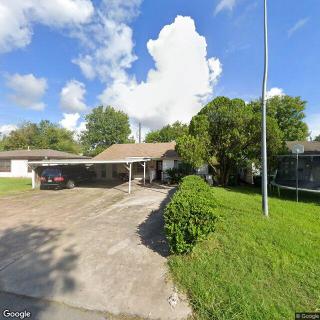
726 Dunwick Lane, Pasadena, TX 77502
For more information about senior living options: (866) 208-4318
Overall Review of Caring Hands Residential Care Home
Pros
 They found S & S Serenity to be the right fit for mom, noting a friendly and knowledgeable staff in a home setting.
- She adjusted quickly to her new environment and was happy to be around her new friends there.
- The facility was clean and felt like home.
- Ms. Shay and her staff provided excellent care and showed genuine concern for residents, treating them as family.
- Ms. Shay and the staff were easily accessible to answer questions or concerns.
- The husband and his family have been very happy with the care, and the caregivers are supportive and allow daily visits.
- They would recommend S & S Serenity and Ms. Shay to others.
- The private care home is excellent, and the owner is described as a blessing.
- Ms. Shay is described as a compassionate, dedicated nurse who provides a positive experience for residents.
Cons
 They were disturbed by the policy that if someone misses supper or sleeps through it, they don't get to eat.
- The owner opened an online checking account for a family member and used Zelle to transfer the rent money.
Review
This Pasadena, TX care home is best suited for families seeking a small, home-like setting with intensely personal attention and frequent family involvement. The community operates like a private residence with a dedicated owner-nurse at the helm, and staff described as friendly, knowledgeable, and genuinely invested in residents’ well-being. It suits older adults who prefer a neighborly, domestic rhythm over a large, impersonal campus. Residents who want easy access for visits and real interpersonal connections with caregivers will thrive, as the culture prioritizes belonging and daily routines that resemble a well-loved family environment.
Among the strongest draws are the hands-on leadership and the responsiveness of caregivers. The owner-nurse, Ms. Shay, is repeatedly praised for professionalism, warmth, and a clear commitment to giving residents a positive experience. Families note that the staff are readily available to answer questions and participate in daily life with residents, not just supervise them. The setting feels clean and well maintained, with meals and social time described as thoughtfully prepared. Most families report that their loved ones adjust quickly and form friendships, underscoring the value of a close-knit, home-like community.
However, there is at least one troubling thread in the feedback that cannot be ignored. A review recounts a policy that if supper is missed, the resident does not eat, which signals rigid meal administration that could undermine dignity or autonomy. More red flags appear in a second account where a staff member allegedly opened an online account in a family member’s name and used Zelle to move funds. Those anecdotes point to boundary issues and potential governance weaknesses that families must scrutinize. They do not erase the positives, but they demand clear policies, oversight, and documented consent to prevent missteps.
Despite these concerns, the balance of evidence highlights a care model that delivers meaningful quality of life. Families consistently describe how photos of progress, daily visits, and open communication create trust and transparency. Residents who may be reluctant at first often warm to the environment, thanks to steady, personalized attention and a staff culture that treats residents as if they were family. The owner’s hands-on approach and the staff’s willingness to accommodate individual preferences translate into smoother transitions, more social engagement, and a sense of security for both residents and their families.
Those who should consider alternatives are families prioritizing formal medical oversight or specialized programs beyond what a small, home-based setting typically provides. If rigorous governance, strict financial controls, memory-care-specific programming, or large-scale activities and amenities are non-negotiable, a bigger facility with certified governance structures may be a better fit. Also, families seeking more robust arrangements for complex medical needs or for residents requiring round-the-clock monitoring may need a setting with extended nursing staff and established partnerships with hospice or transitional care providers.
For families choosing this home, the prudent next step is a structured visit with targeted questions. Ask for written policies on meals and dietary flexibility, meals if a schedule is missed, and how care plans adapt to shifting appetites. Confirm who has authority to handle finances on behalf of residents and what documentation exists to prevent misappropriation. Inquire about staff-to-resident ratios, medication management, and coordination with external caregivers or physicians. Finally, request to speak with current families about daily life, and review the contract and licensing status to ensure expectations are aligned with reality.
 5 resident community capacity
 Assisted Living
 Board and Care Home
 Cable or satellite TV
 Dining room
 Fully furnished
 Garden
 Housekeeping services
 Move-in coordination
 Outdoor space
 Telephone
 Wi-Fi/high-speed internet available
 William P X (4 miles away)
 24-hour supervision
 Activities of daily living assistance
 Assistance with bathing
 Assistance with dressing
 Assistance with transfers
 Diabetes diet
 Meal preparation and service
 Medication management
 Special dietary restrictions
 Transportation arrangement (medical)
 Transportation to doctors appointments






 Beyond the Bingo Hall: 50+ Enriching Activities for Seniors in Assisted Living
 Understanding the Distinctions: Assisted Living and Memory Care Explained
 Guiding Elderly Parents Who Refuse Assisted Living: 6 Practical Steps