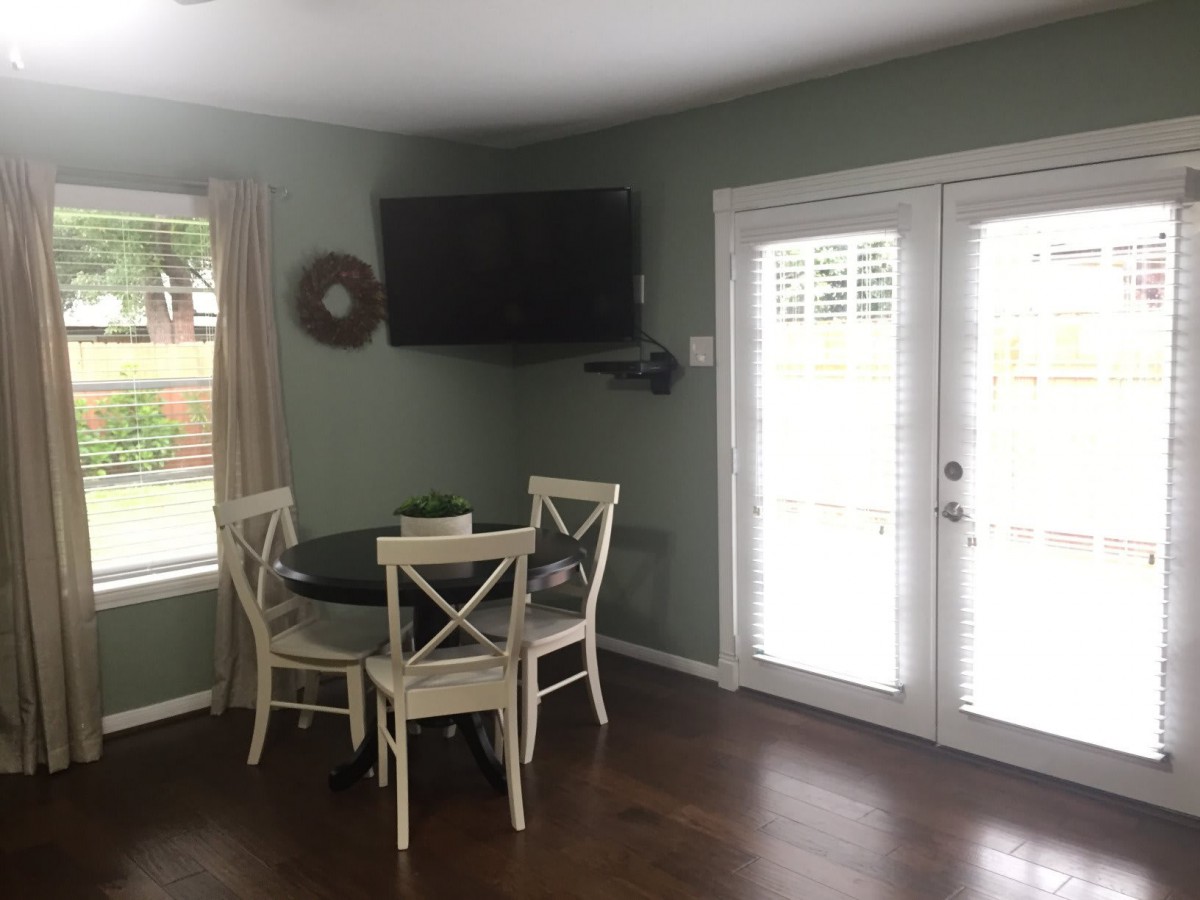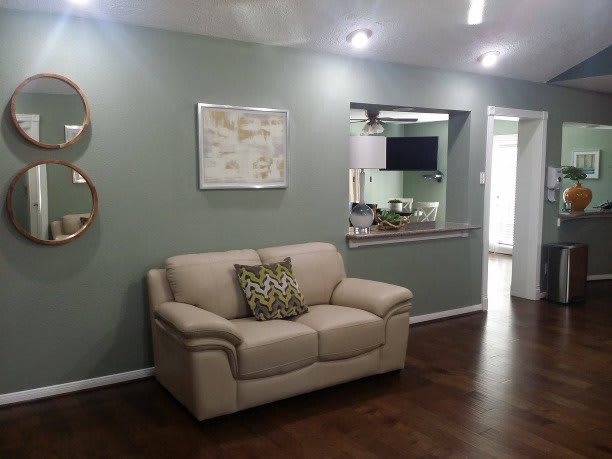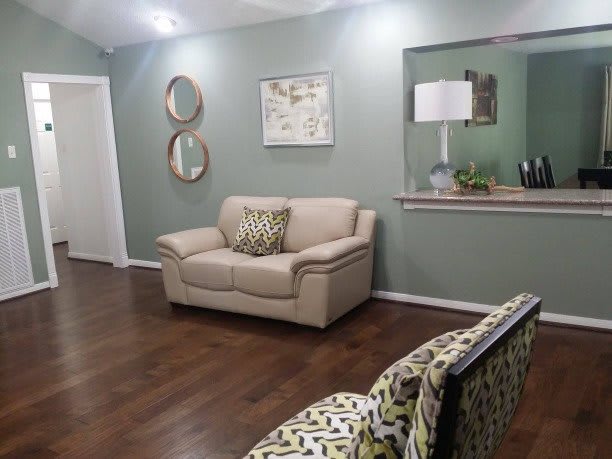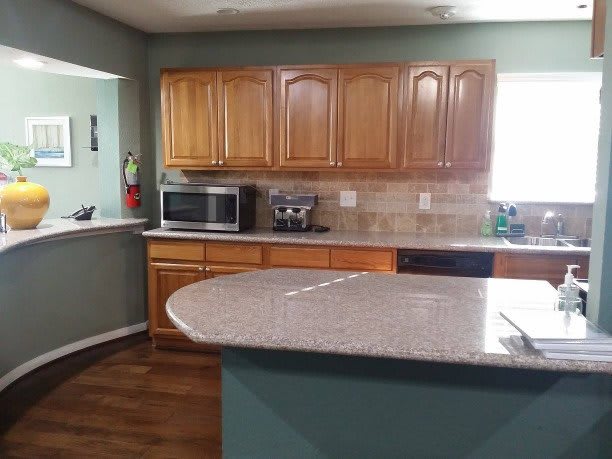
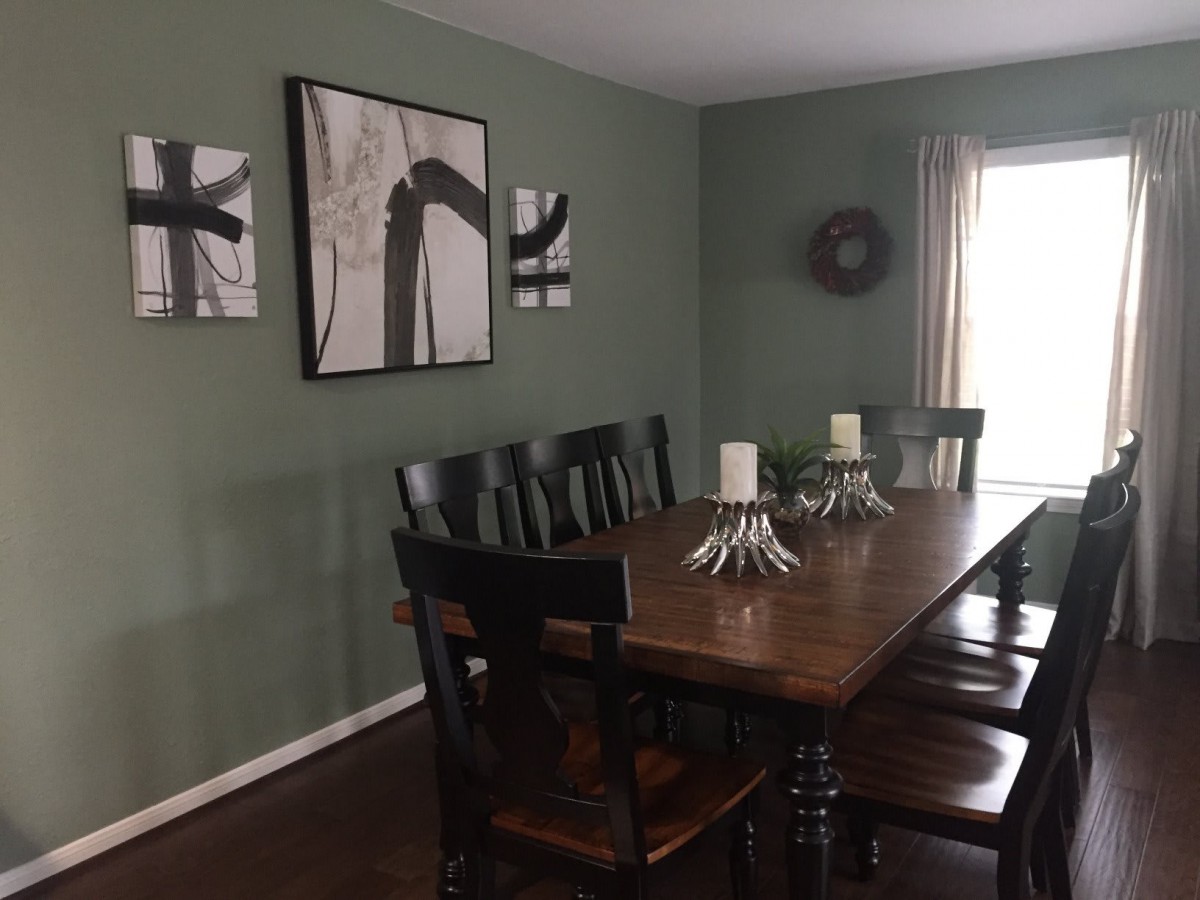
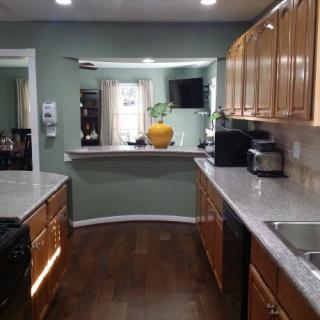
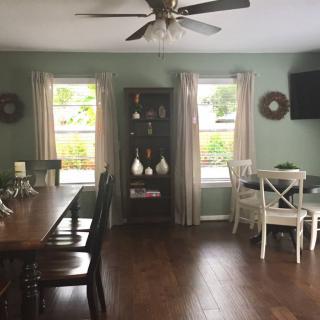
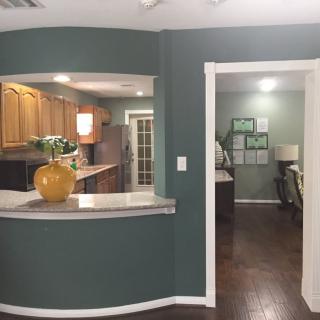
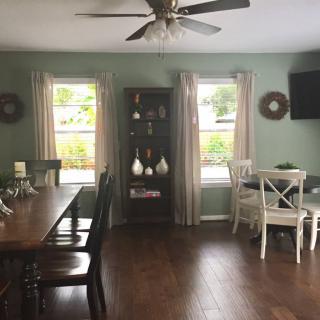
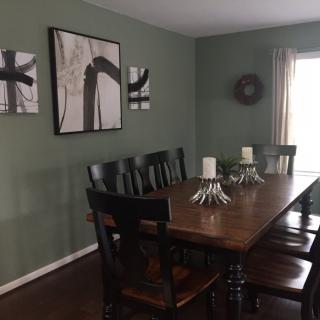
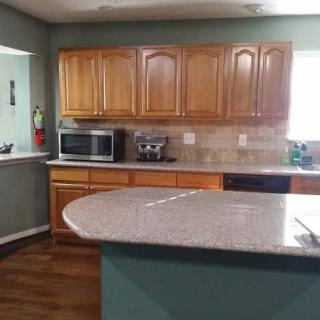
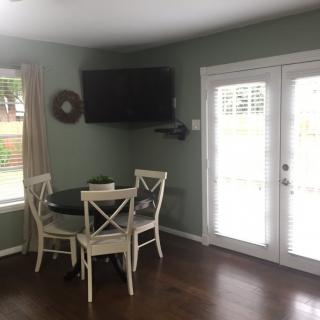
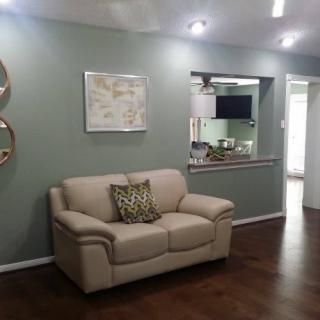
10427 Kirkshire Drive, Houston, TX 77089
For more information about senior living options: (866) 208-4318
Bahia Personal Care Home Costs & Pricing
At Bahia Personal Care Home, the monthly costs for accommodations are competitively priced within the local and state context. For a semi-private room, residents pay $3,500, which is slightly lower than the county average of $3,518 and notably below the Texas state average of $3,680. Meanwhile, the private room option is offered at $4,000 - this is well-aligned with Harris County's average of $3,784 but remains under the state average of $4,096. These pricing strategies reflect Bahia Personal Care Home's commitment to providing quality care while ensuring affordability in comparison to both regional and statewide offerings.
| Floor plans | Bahia Personal Care Home | Harris County | Texas |
|---|---|---|---|
| Semi-Private | $3,500 | $3,518 | $3,680 |
| Private | $4,000 | $3,784 | $4,096 |
Assisted Living communities with a similar price nearby
-
from -$400 / mo

Ba Home Care
$3,100 / month22.7 miles away -
About the same

Seasons Personal Care Home
$3,500 to $3,800 / month21.5 miles away -
from -$105 / mo

Atria Westchase
$3,395 to $6,995 / month23.1 miles away -
from +$350 / mo
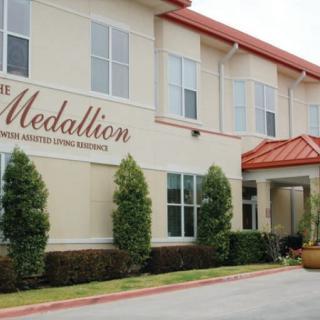
The Medallion Jewish Assisted Living Residence
$3,850 to $6,200 / month17.3 miles away -
from -$317 / mo
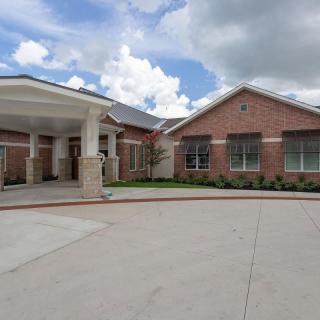
The Delaney at South Shore
$3,183 to $5,341 / month10.7 miles away
Overall Review of Bahia Personal Care Home
Pros
 Bahia Personal Care Home provides wonderful care and makes residents feel safe and comfortable.
- The staff at Bahia are caring, professional, and attentive to every resident.
- The nurses at Bahia are caring and kind to every resident, often greeted with warm welcomes.
- The owners and staff are described as understanding, considerate, and supportive.
- Bahia is highly recommended by families for quality care of their loved ones.
- The community offers engaging activities that help keep residents busy and calm.
- The meals at Bahia are healthy, fresh, and tasty, served daily.
- The facility provides a small, close-knit environment where residents feel safe and valued.
- The care team maintains strong communication with families.
Review
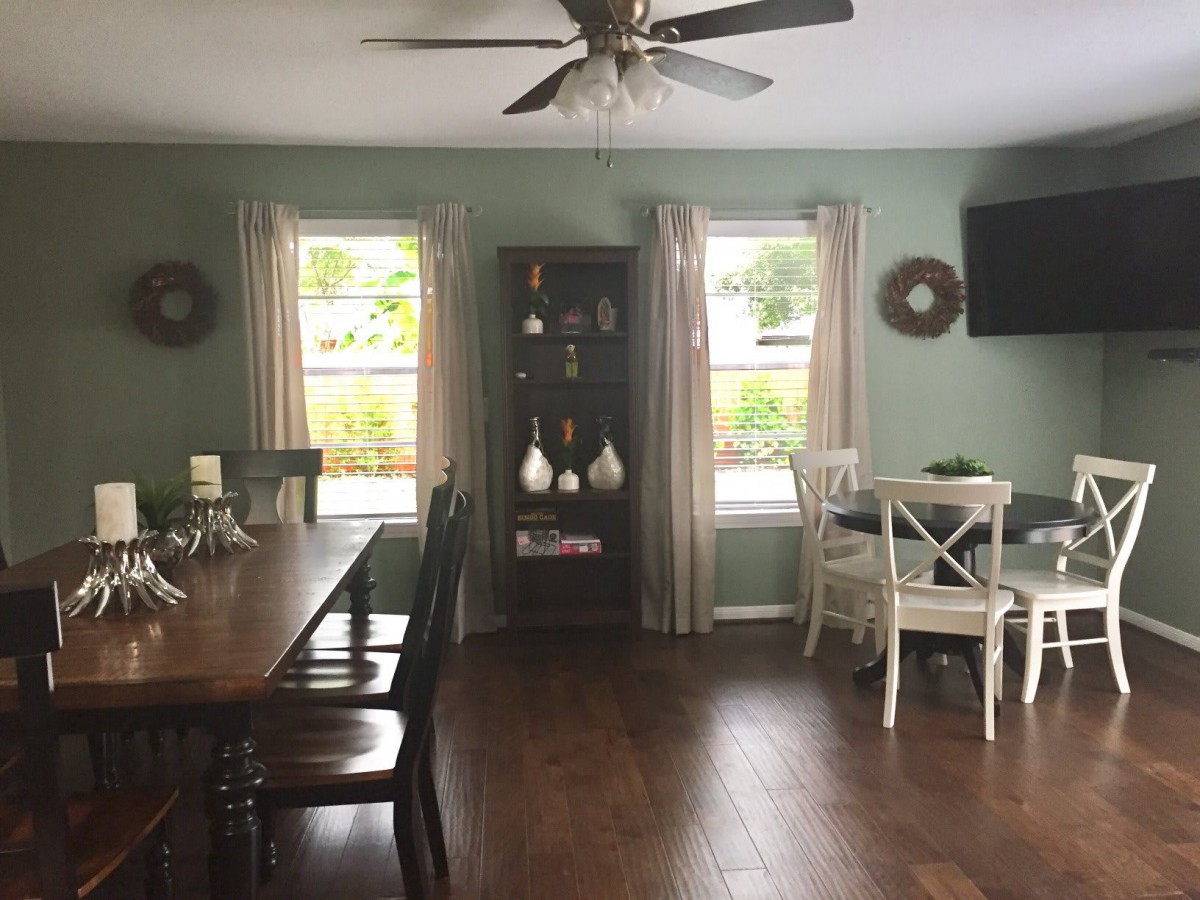
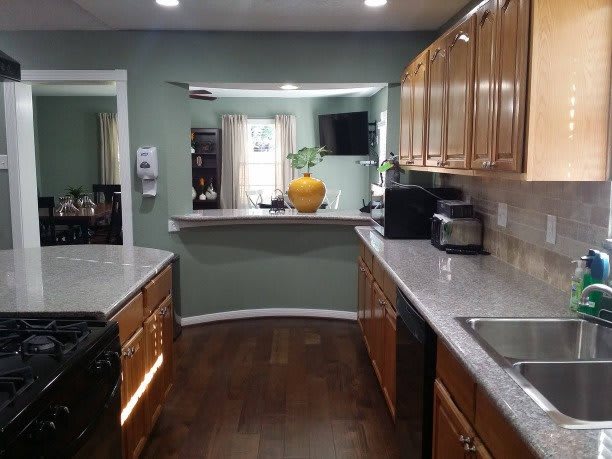
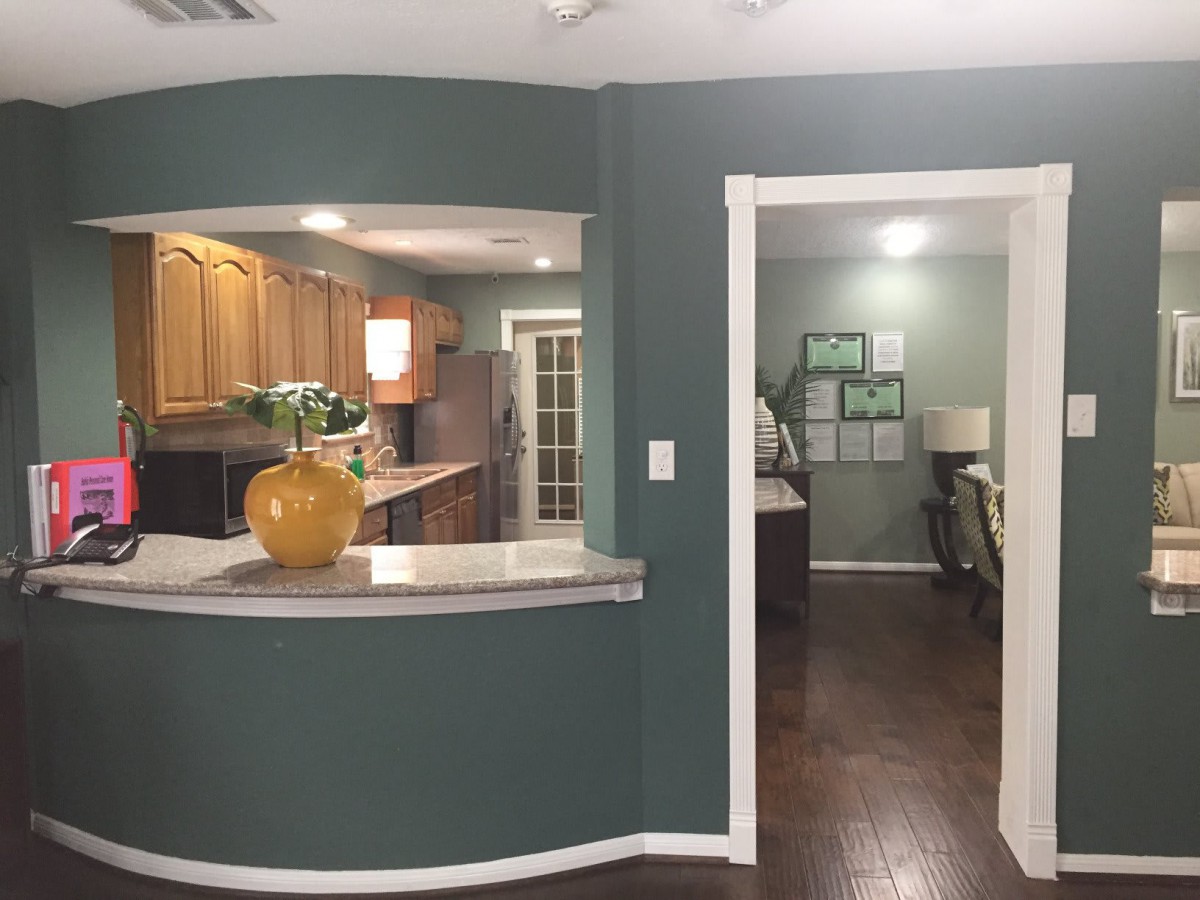
Bahia Personal Care Home in Houston is best suited for seniors who want a home-like, intimate setting where they are known by name rather than categorized as a room number. The community earns trust through leadership by an experienced registered nurse and a team that clearly prioritizes compassionate, hands-on care. Families report that spouses and parents settle in quickly, feel valued, and experience reduced anxiety because staff are consistently present, attentive, and friendly. Residents benefit from predictable routines, three home-style meals daily, and regular activities designed to keep them engaged without overwhelming them. The small scale translates into safer supervision, easier access to staff, and a sense of belonging that larger campuses struggle to reproduce.
Those with substantial medical needs or desires for a large campus with a wide array of therapies should consider alternatives. Bahia operates as a tight-knit, smaller operation; expansion plans are underway but the environment remains intimate. For residents requiring complex 24/7 medical oversight, memory-care specialized programs, or on-site physicians with broad hospital affiliations, other communities may deliver more of what is needed. If the priority is a highly structured rehab program, a campus with full inpatient services, or robust continuity of medical specialists, it is prudent to compare options that emphasize those capabilities.
From the resident’s perspective, the strongest positives are the personal attention, the warmth of the caregiving team, and the reliable daily structure. The owner’s clinical background supports high standards of safety and cleanliness, while nurses and aides consistently treat residents with kindness and respect. Family members repeatedly highlight clear communication, visible trust, and the way care teams integrate daily routines, meals, hygiene, and social activities, into meaningful days. The main counterpoint is the facility’s smaller footprint, which can limit the breadth of on-site services. Yet the combination of nursing expertise, consistent staff presence, and close-knit culture largely offsets this limitation, especially for those who fear being overlooked in larger settings.
Care quality is reinforced by staff dynamics that residents and families notice. The team takes time with each person, builds relationships, and remains genuinely engaged with daily life. The presence of nurses who greet residents with warmth and even hugs signals a level of emotional safety uncommon in bigger communities. This environment means health concerns are promptly acknowledged, dietary needs are met with home-cooked meals, and daily hygiene routines stay well-controlled. When families describe trusting Bahia with a loved one’s routine, it reflects a track record of dependable oversight, timely updates, and a culture where caregivers celebrate small wins together with residents.
Daily life at Bahia centers on practical routine and dignity. Three nutritious, fresh meals each day support both appetite and metabolic goals, an important touch for residents dealing with glucose or weight management. Activities such as gentle games, nail care, music, and simple social events create consistent opportunities for engagement without overstimulation. The small setting makes it easier to tailor activities to individual interests, which helps residents feel seen and valued rather than shuffled through a generic schedule. Families repeatedly note the sense of safety, the honed staff-communication loops, and the firm impression that Bahia is a place where a loved one can truly feel at home.
Decision guidance for families considers whether Bahia fits the current care needs and the long-term trajectory. Prospective residents should plan visits focused on observing caregiver-resident interactions, the cleanliness and safety of living spaces, and how meals and activities are implemented day by day. Verify the availability of personalized care planning, and ask about staffing ratios and continuity over shifts. If memory care or advanced medical supervision becomes a priority in the near future, compare Bahia with communities that offer dementia-specific programming and extended clinical services. Overall, Bahia Personal Care Home is a strong, practical choice for seniors seeking intimate, relationship-driven care and daily life that feels like home; for those with higher medical complexity or memory-care needs, alternatives with broader clinical resources may be more appropriate.
 7 resident community capacity
 Assisted Living
 Board and Care Home
 Cable or satellite TV
 Dining room
 Fully furnished
 Garden
 Housekeeping services
 Move-in coordination
 Outdoor space
 Private
 Telephone
 Wi-Fi/high-speed internet available
 William P X (4 miles away)
 24-hour supervision
 Activities of daily living assistance
 Ambulatory care
 Assistance with bathing
 Assistance with dressing
 Assistance with transfers
 Diabetes diet
 Diabetic care
 High acuity care
 Incontinence care
 Meal preparation and service
 Medication management
 Special dietary restrictions
 Transportation arrangement (medical)
 Transportation to doctors appointments




 Comprehensive Insights into Activities of Daily Living (ADLs) and Their Assessment
 Guiding Elderly Parents Who Refuse Assisted Living: 6 Practical Steps
 Your Comprehensive Guide to Luxury Assisted Living: Elevated Facilities, Amenities, and Costs