StoneCreek of North Richland Hills

Save

  • Interior

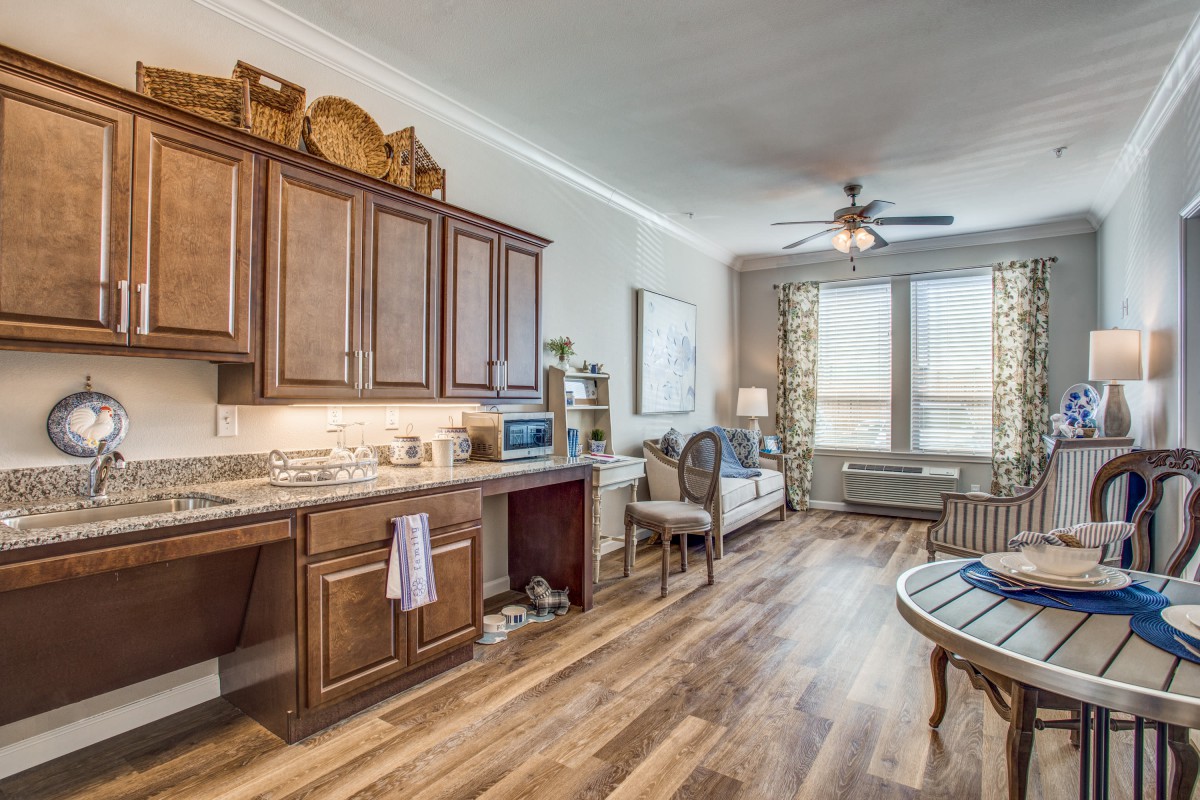
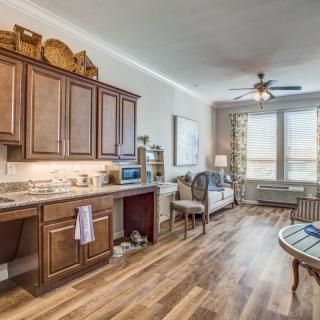
    A cozy and modern open-plan kitchen and living area with wooden cabinets and hardwood flooring.
  • Decor

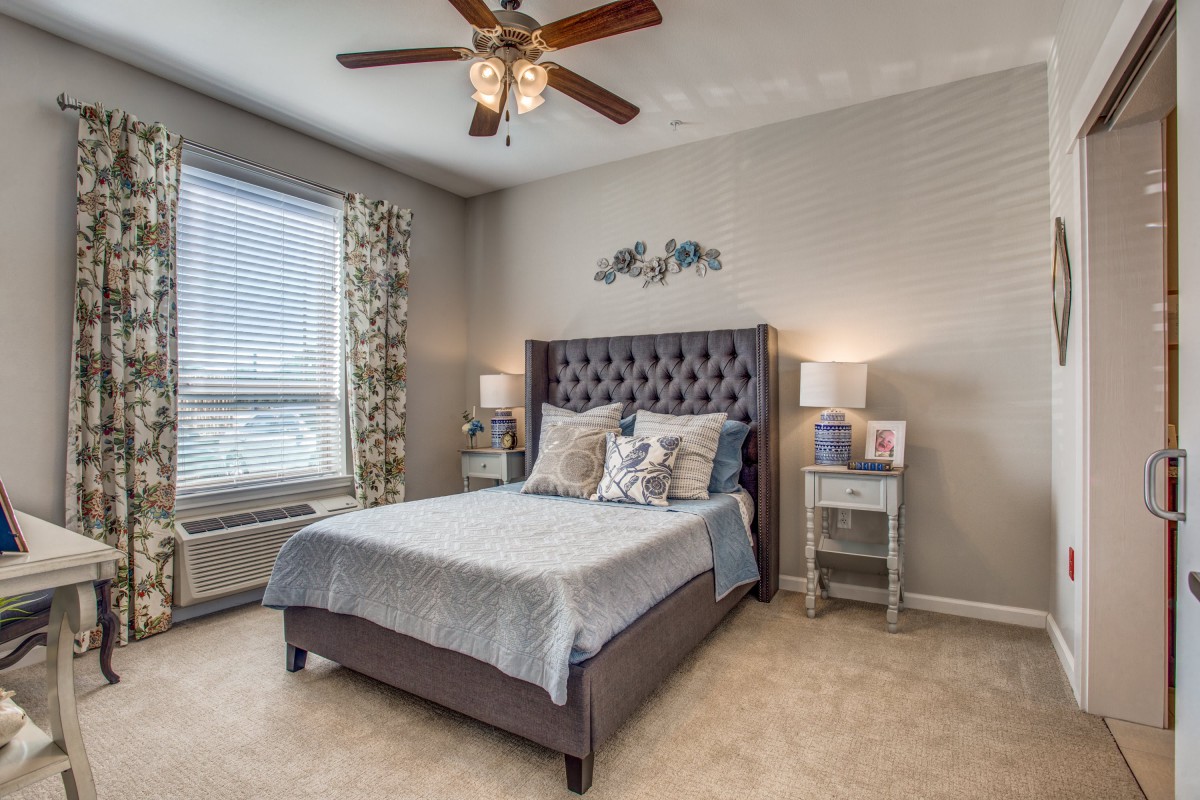
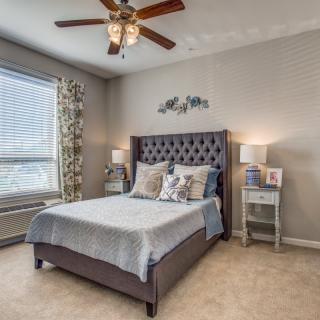
    A cozy bedroom with a large window, stylish bed, and matching nightstands under soft lighting.
  • Living Room

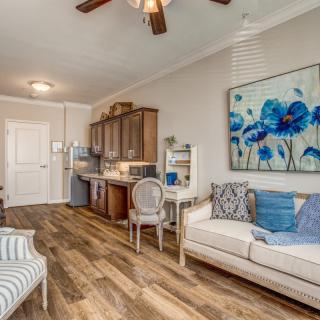
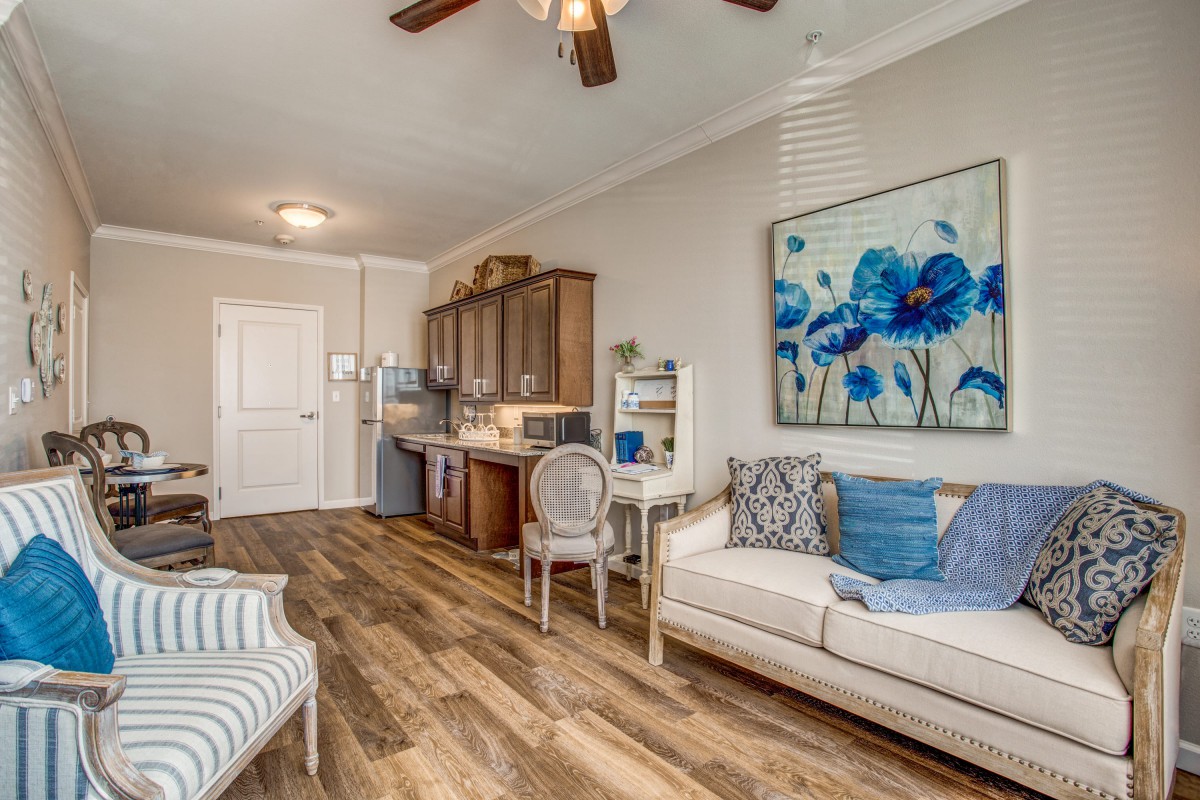
    A cozy living area with a sofa, kitchenette, and vibrant artwork.
  • Building

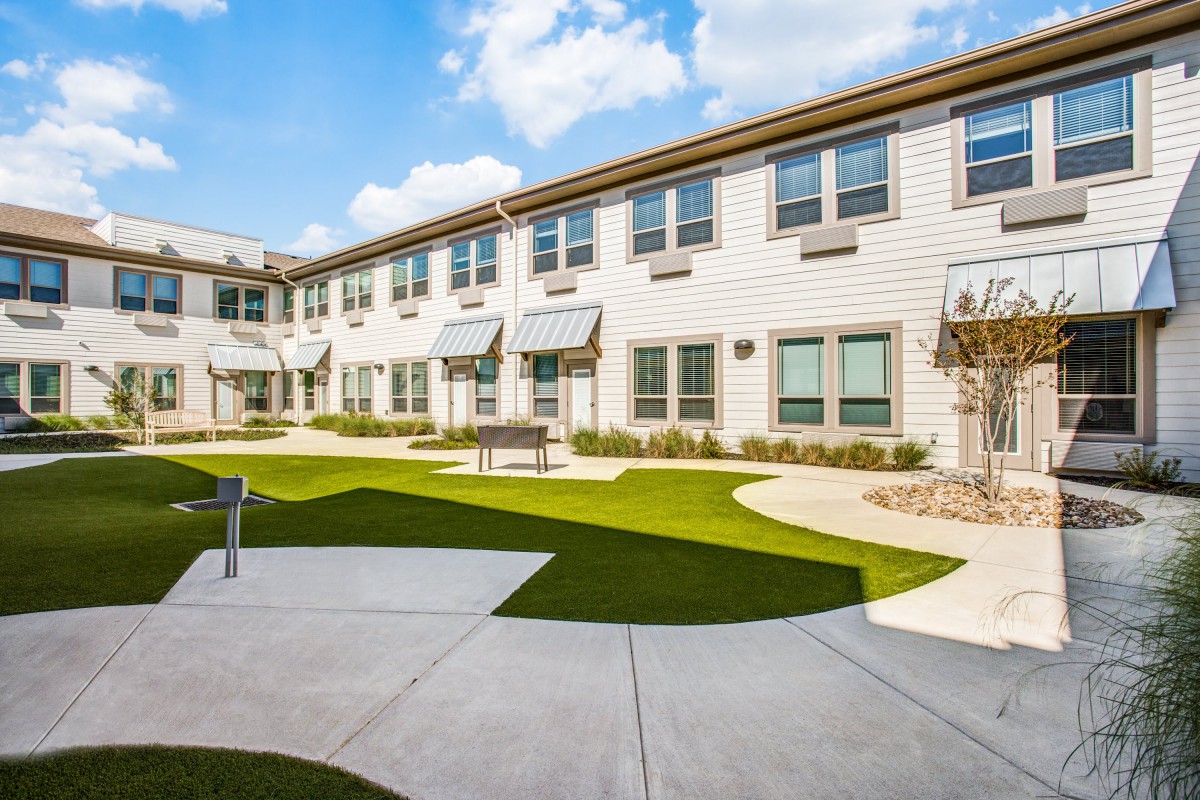
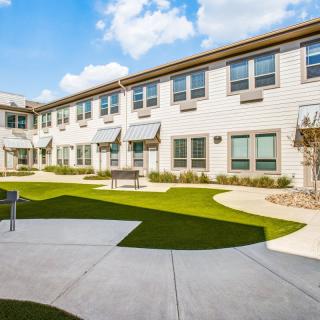
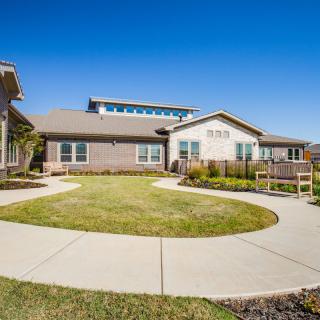
    A sunny day in a residential courtyard with grass and pathways.
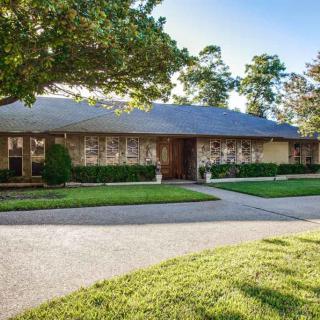
  • Architecture

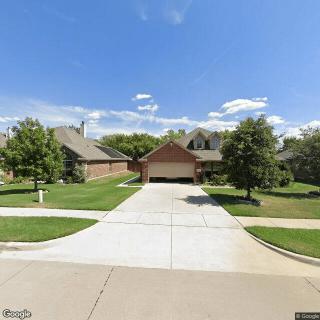
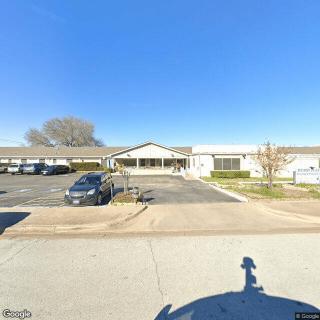
    A modern residential building with a well-maintained lawn and clear blue sky.
  • Windows

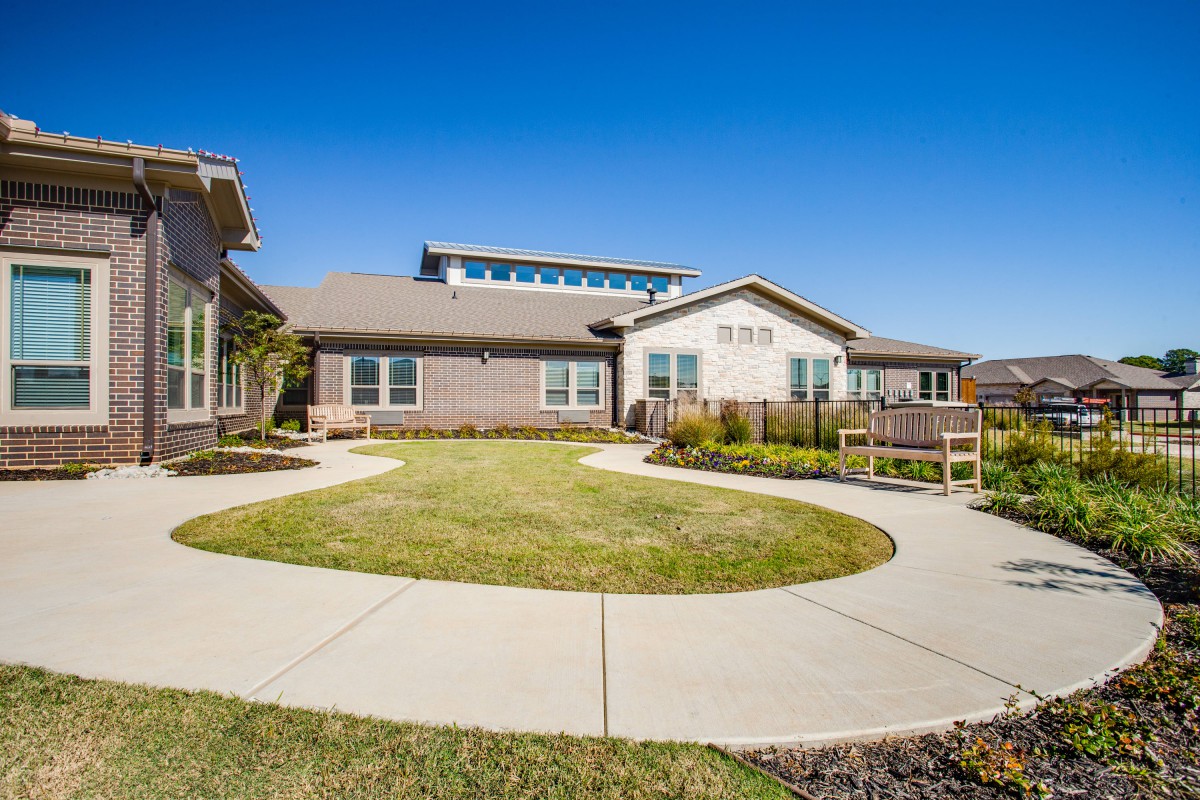
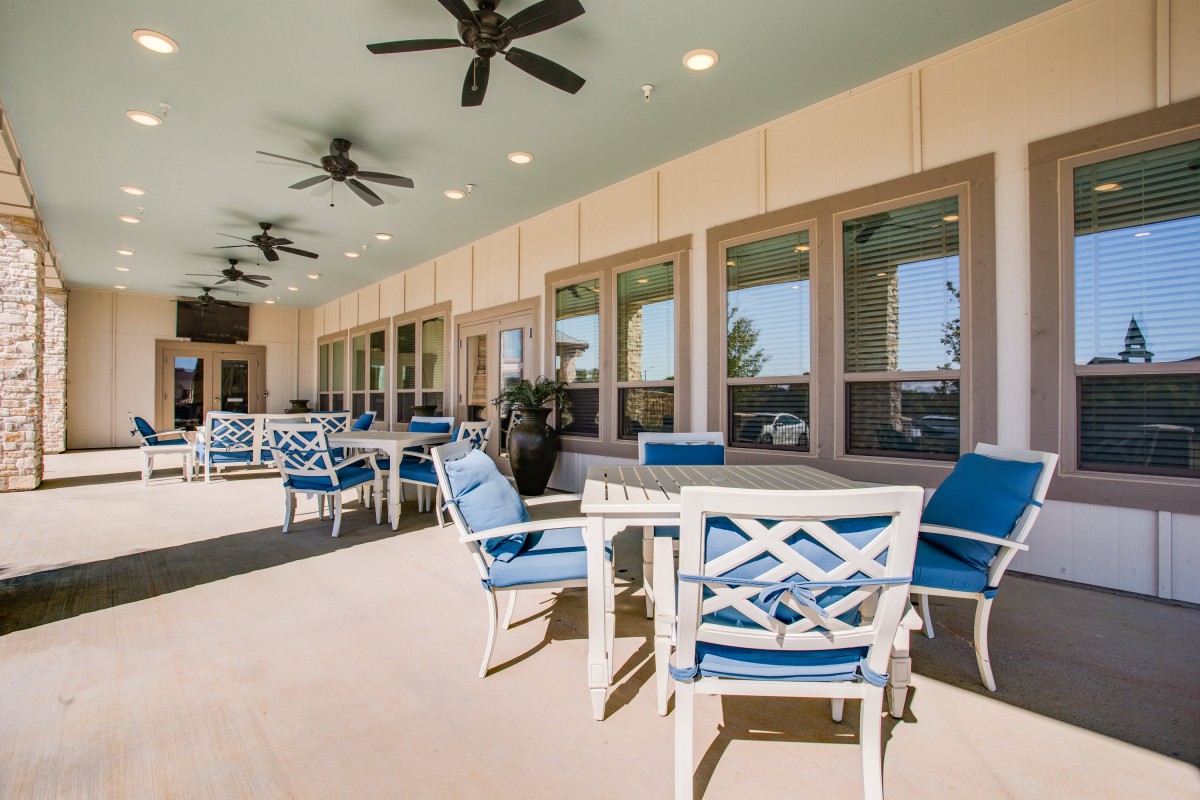
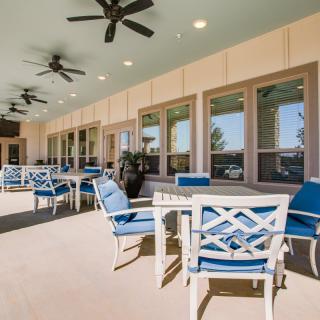
    An inviting outdoor patio area featuring comfortable seating and ceiling fans.
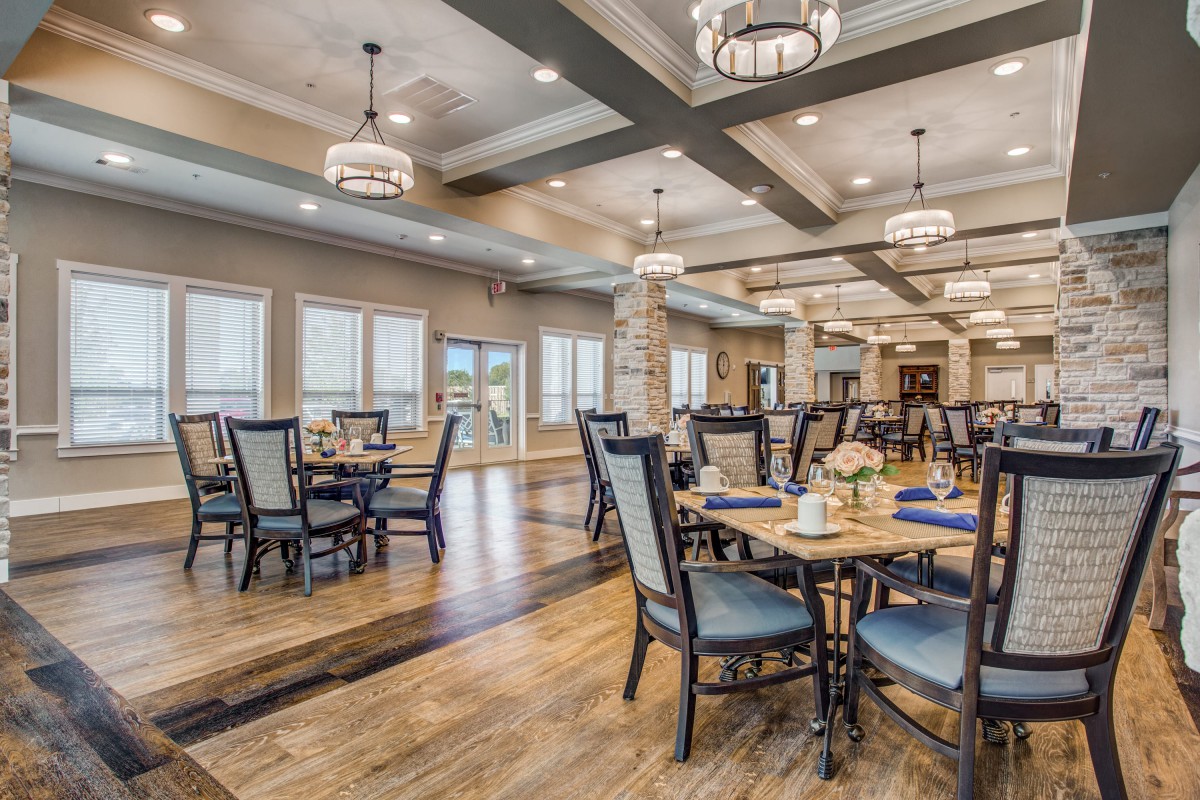
  • Dining

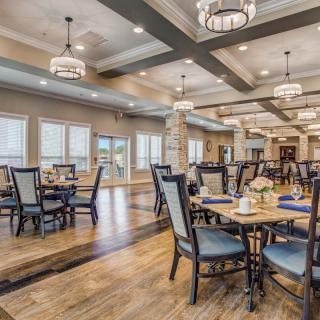
    An elegant dining area with well-arranged seating and stylish chandeliers.
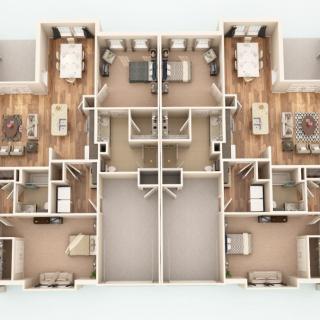
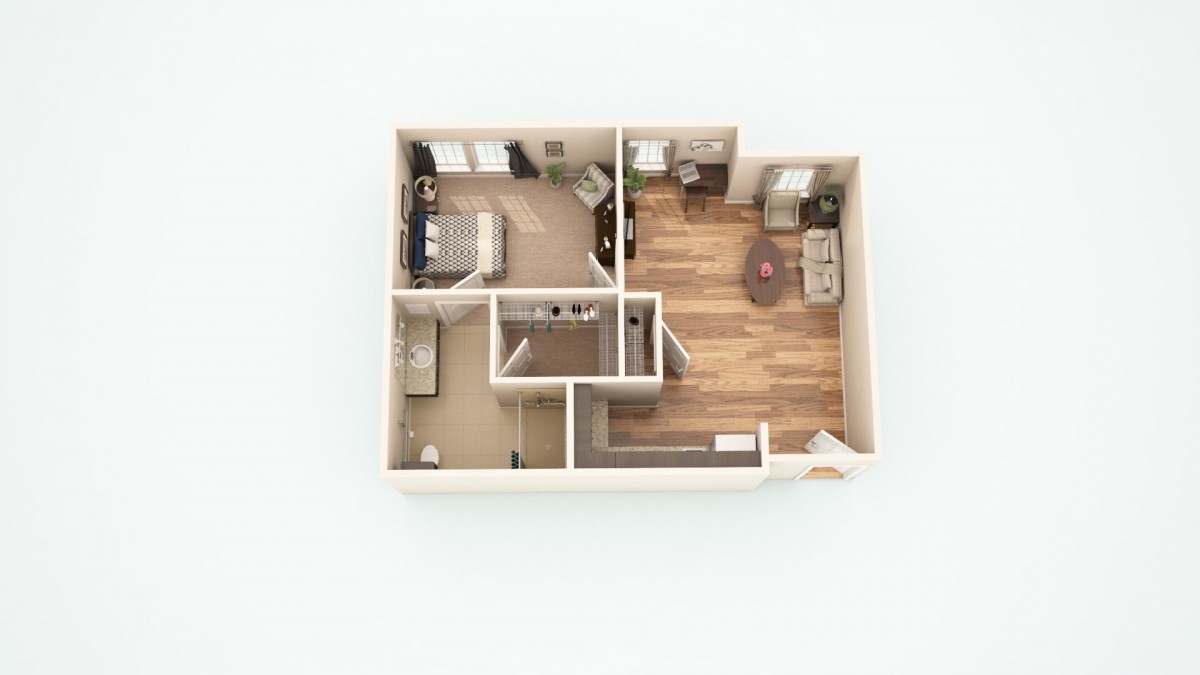
  • Floor Plan

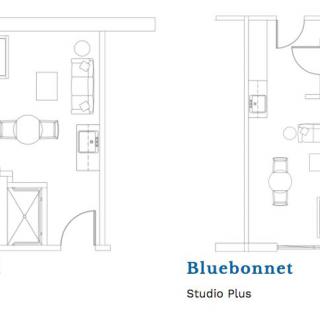
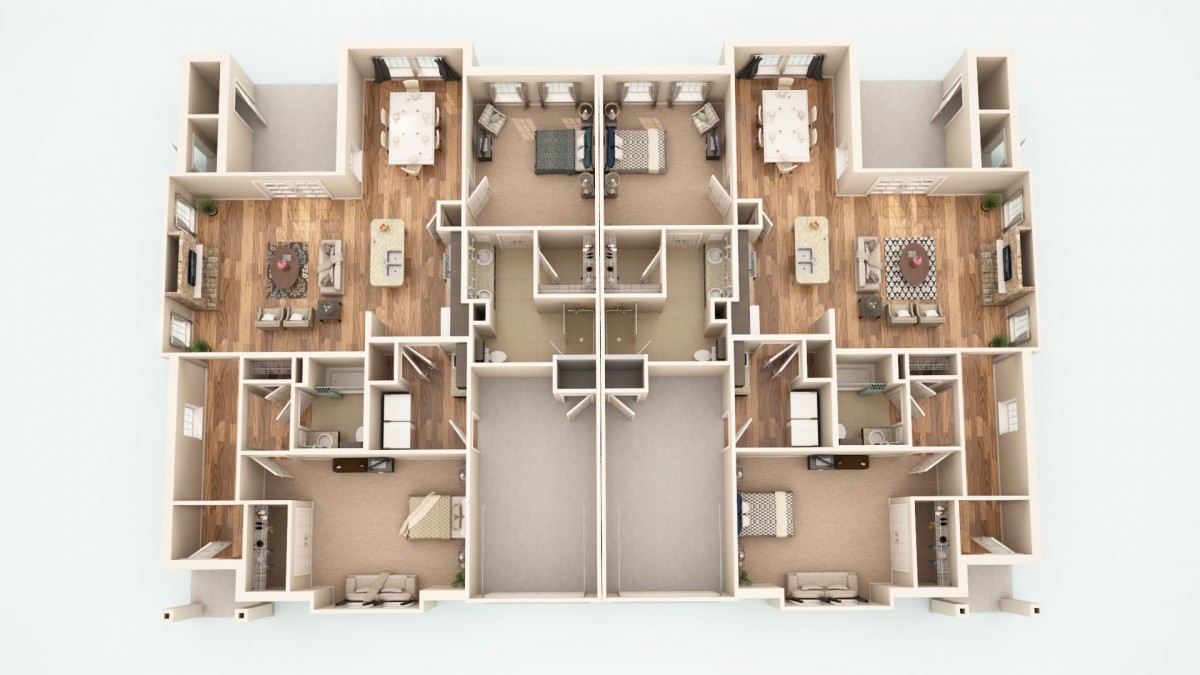
    A detailed floor plan of a residential apartment with multiple rooms and shared spaces.
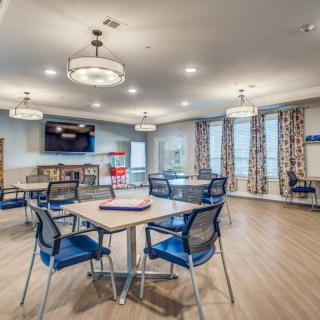
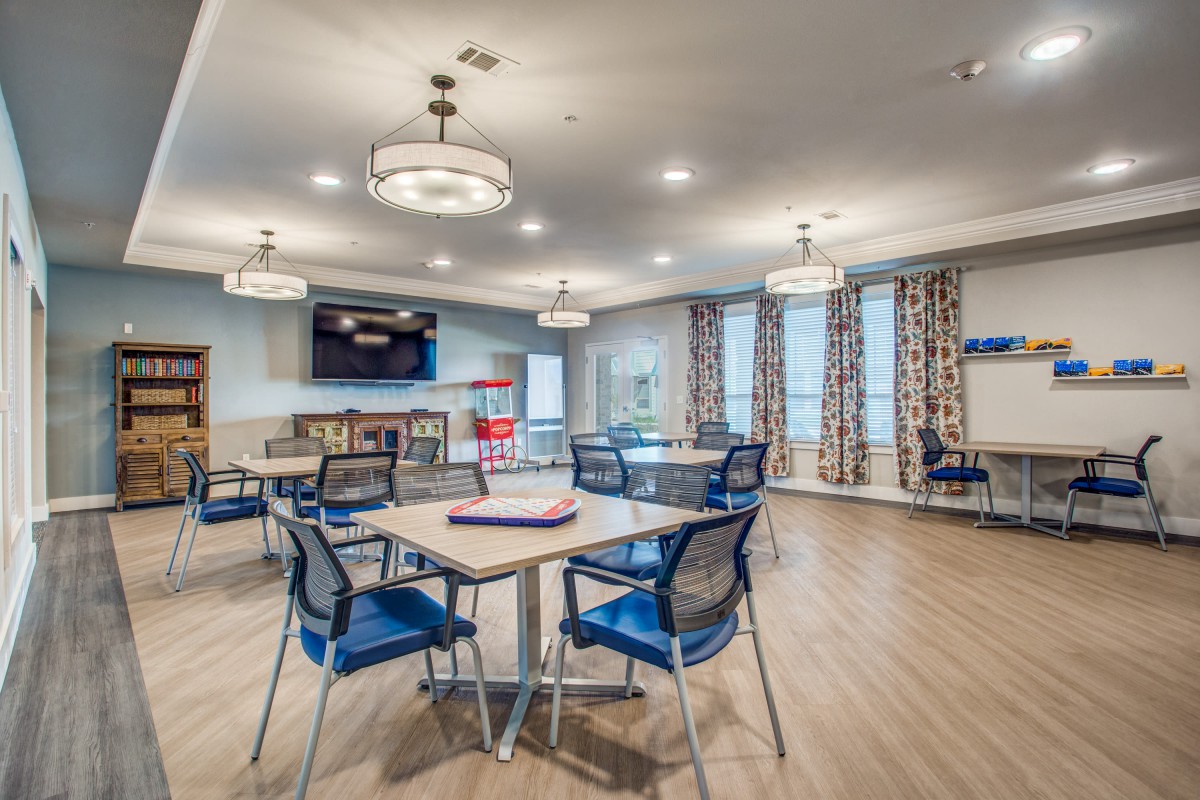
  • Television

    A modern and spacious dining area with stylish lighting and seating arrangements.
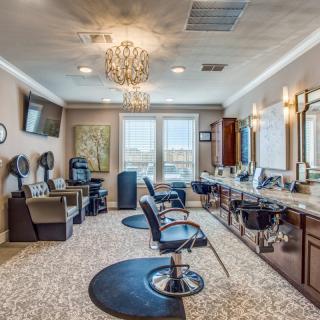
  • Salon

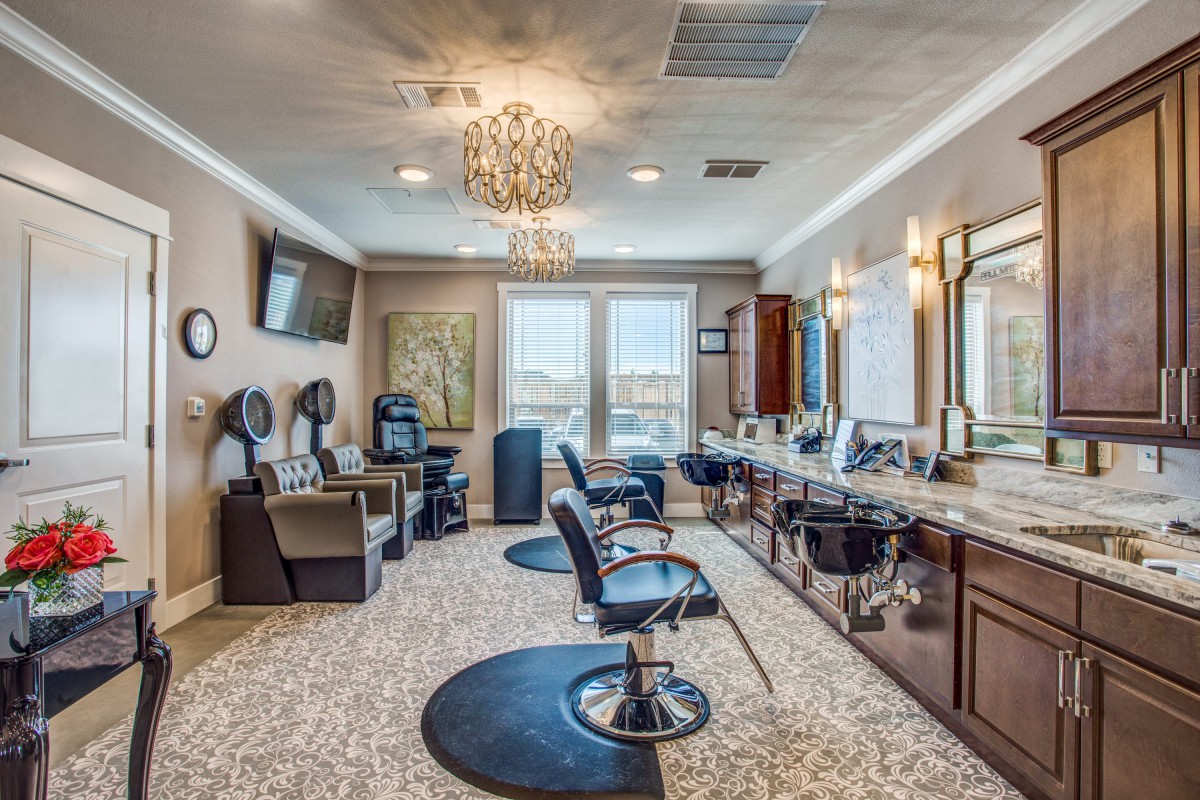
    A modern salon interior featuring styling chairs, mirrors, and hair dryers with elegant lighting.

StoneCreek of North Richland Hills

Information last verified:

8505 Mid Cities Blvd, North Richland Hills, TX 76182

For more information about senior living options: (844) 490-3973

4.4 from 96 reviews
5 stars
76
4 stars
3
3 stars
5
2 stars
2
1 stars
10

StoneCreek of North Richland Hills Costs & Pricing

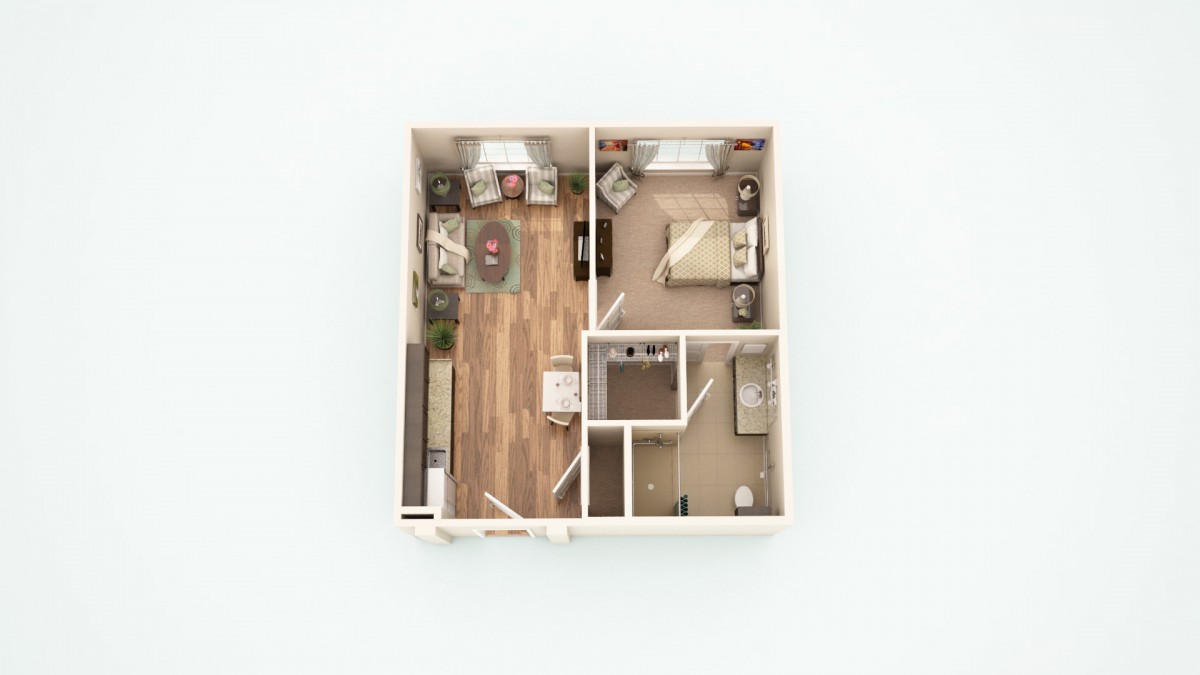
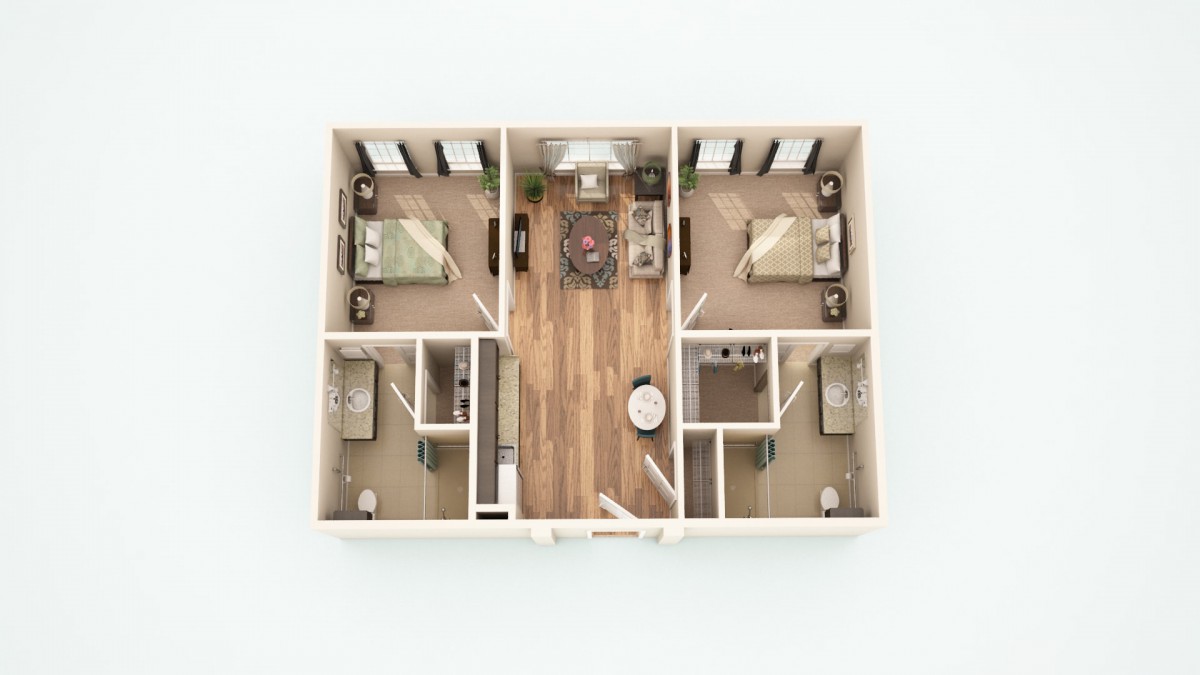
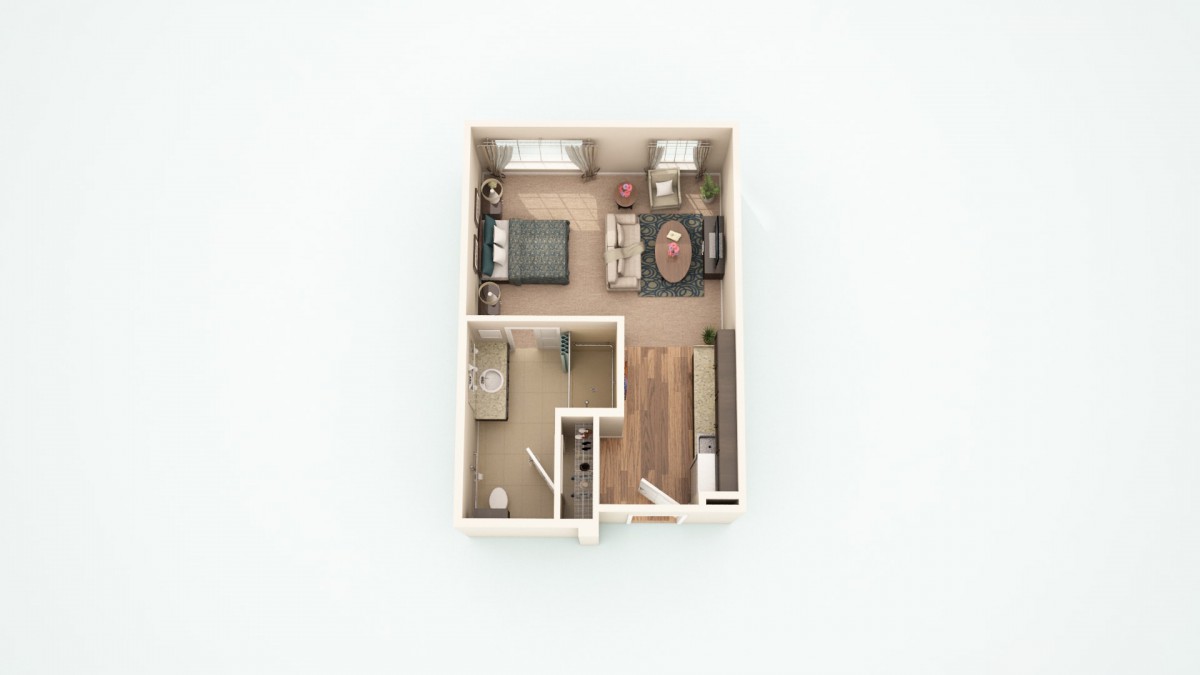
StoneCreek of North Richland Hills presents a comprehensive range of living options, with pricing that reflects its quality and services. The monthly costs for various room types at StoneCreek surpass the averages found in both Tarrant County and Texas as a whole. For instance, a studio apartment is priced at $4,925, significantly higher than the county's average of $3,659 and the state average of $3,758. Similarly, both the one-bedroom and semi-private units are listed at $5,385, which contrasts with local and state averages of approximately $3,741 and $3,680 respectively. Two-bedroom accommodations stand out even more dramatically at $7,690 compared to Tarrant County's average of $4,099 and Texas's rate of $4,215. These figures suggest that while StoneCreek may command a premium price point relative to its regional counterparts, it likely offers enhanced amenities or specialized care services that justify this investment for residents seeking comfort and quality in their living arrangements.

Floor plansStoneCreek of North Richland HillsTarrant CountyTexas
Studio$4,925$3,659$3,758
1 Bedroom$5,385$3,741$3,761
Semi-Private$5,385$3,889$3,680
2 Bedrooms$7,690$4,099$4,215

Overall Review of StoneCreek of North Richland Hills

Pros

  • pro The caregivers are kind, compassionate, and caring.
  • pro From day one, the staff have gone above and beyond to welcome and support residents.
  • pro The management team handles move-ins with professionalism, kindness, and genuine care.
  • pro Jeannine stepped up to provide a great and safe place for a resident.
  • pro The atmosphere is wonderful; the facility is beautiful and inviting.
  • pro The staff greet visitors with smiles and are consistently helpful.
  • pro Crystal Cryer, the Wellness Director, is top-notch, passionate about care, and available around the clock.
  • pro The community gives families peace of mind knowing their loved ones are well cared for.
  • pro The Activities Director engages residents and makes their days better.
  • pro The dining program offers excellent food and responsive service.
  • pro The facility is clean, well-maintained, and feels like home.
  • pro Residents feel safe, valued, and part of a friendly, caring community.

Cons

  • pro Caregivers are overwhelmed by the sheer number of residents, affecting individualized attention.
  • pro Management makes promises but rarely delivers, leading to frustration and distrust.
  • pro Communication is often non-existent or inconsistent, leaving families with unanswered questions.
  • pro There is frequent leadership turnover, signaling instability and disruption for residents.
  • pro Safety, housekeeping, and after-hours staff access issues create ongoing concerns about resident welfare.
  • pro Understaffing results in medication errors, slow responses, and declining quality of care.
  • pro Some reviewers allege unethical management practices around hospice referrals and care decisions.
  • pro The facility is perceived as expensive with services not consistently delivered, making advocacy essential for safety; some feel it resembles a nursing home rather than a premier assisted living.

Review

StoneCreek of North Richland Hills is best suited for families seeking a brand-new, aesthetically inviting community with strong front-line care and a vibrant activity calendar, plus clear memory-care options. It suits those who want a modern campus feel, restaurant-style dining, and frequent staff-to-resident interactions that make transitions emotional yet manageable. The right fit also includes neighbors who value a welcoming atmosphere, accessible amenities, and hands-on move-in support from empathetic coordinators. In short, this is a practical home for families willing to stay engaged, advocate when needed, and leverage the community’s social fabric to keep a loved one engaged and connected.

Those who may want to consider alternatives are primarily care teams prioritizing ironclad administrative consistency and program stability. If a family cannot commit to regular oversight or anticipate frequent leadership turnover, StoneCreek’s history of executive changes and shifting management could undermine continuity. For residents with complex medical needs requiring highly predictable medication management or who demand unwavering after-hours responsiveness, another option with longer-tenured leadership and steadier care coordination may feel more reliable. Price sensitivity also matters: while many praise the dining and atmosphere, the perceptions of value ebb when service expectations clash with turnover or missed promises. In short, a hands-on, prepared family will thrive here; a less-engaged approach or tighter budget may prompt looking elsewhere.

The strongest positives tilt toward interpersonal care and the life the community cultivates. Front-line caregivers come across as compassionate, responsive, and cheerful, and families repeatedly note that the care staff truly treats residents like people first. The setting itself reinforces engagement: bright common areas, a polished entry, and a layout designed to foster social interaction, with access to a robust activity slate, crafts, outings, and resident-driven programming. Dining emerges as a standout; residents frequently speak of variety, flavor, and the chef’s willingness to tailor meals to preferences. A measurable asset is the staff’s willingness to go above and beyond when possible, move-in support, coordination with families, and timely communication about daily life and events. These elements collectively translate into tangible peace of mind for many families.

But the cons deserve clear, candid attention. Leadership turnover has been a recurring theme, with multiple executive shifts within a short span and mixed experiences in how new leadership stabilizes operations. This translates into periods of uneven communication, inconsistent mealtime logistics, and gaps in follow-through on promises. On the care floor, some reviewers describe staffing strain and variable caregiver attentiveness, which can translate into slower response times or uneven execution of routines. Housekeeping and maintenance have surfaced as areas needing more reliable scheduling and attention, and there are pointed anecdotes about issues with medications and safety oversight when staffing is stretched. The price point remains a hurdle for some families, especially when the experience diverges from expectations or when promised services feel inconsistent. Taken together, these factors create a landscape where excellence is possible but not uniformly guaranteed.

The practical implication of this mix is straightforward. For families who can and will stay actively involved, visiting frequently, maintaining open lines with the wellness team, and advocating for individualized care, the strong front-line care, welcoming environment, and abundant activities can offset the less predictable administrative rhythm. The positives tend to compound when leadership is responsive and accessible, evidenced by recent improvements in meals, calendars, and resident engagement after changes in management. In those cases, StoneCreek becomes not just a place to live, but a community where a loved one can feel known, connected, and valued. The risk register, however, weighs heavier for households unable to invest that level of ongoing oversight.

Bottom-line guidance: StoneCreek NRH is a compelling choice for families prepared to partner closely with the staff, value a modern, activity-rich setting, and appreciate robust dining and social options. It works best when inquiries are focused on current leadership, staffing ratios, and the concrete steps taken to ensure consistent communication and reliable service across all levels of care. Prospective residents and families should seek current, concrete assurances about a stable management team, a clear medication administration protocol, and a predictable housekeeping/maintenance cadence before signing. If those assurances are met and the willingness to engage remains strong, StoneCreek offers a welcoming, lively home where residents can thrive. If not, consider other communities with longer-tenured leadership and a more settled care delivery model to avoid the risk of uneven care and disrupted routines.

Features

Housing

  • 1-bedroom apartments 1-bedroom apartments1-bedroom apartments are important for seniors because they provide a sense of independence, privacy, and autonomy while still offering the necessary space for comfortable living. These apartments allow seniors to maintain their own personal space and lifestyle preferences in a supportive community setting.
  • 2-bedroom apartments 2-bedroom apartments2-bedroom apartments are important for seniors because they provide extra space for guests, hobbies, and caregivers, as well as potential for additional income through roommates or rental.
  • Studio apartments Studio apartmentsStudio apartments are important for seniors because they offer a smaller, more manageable living space that is easier to navigate and maintain as physical abilities decline. Additionally, studio apartments provide seniors with independence and privacy while still being part of a community that offers support and social opportunities.

Types of Care

  • Assisted Living Assisted LivingAssisted living facilities provide crucial support and care for seniors who may need help with daily tasks such as medication management, bathing, and meal preparation. These communities offer a safe and comfortable environment where seniors can maintain their independence while receiving the assistance they need to thrive in their golden years.
  • Memory Care Memory CareMemory care is crucial for seniors as it provides specialized support and services for individuals with dementia or Alzheimer's disease. These programs offer a safe and secure environment where residents receive personalized care, cognitive stimulation, and help with daily activities. Memory care helps seniors maintain their independence, quality of life, and dignity while also providing peace of mind for their families.

Pets

  • Cats allowed Cats allowed"Pet friendly" senior living communities are important for seniors because pets provide companionship, reduce feelings of loneliness and depression, promote physical activity and mental stimulation, and offer a sense of purpose and responsibility. Pets can improve overall well-being and quality of life for seniors in many ways.
  • Dogs allowed Dogs allowed"Pet friendly" senior living communities are important for seniors because pets provide companionship, reduce feelings of loneliness and depression, promote physical activity and mental stimulation, and offer a sense of purpose and responsibility. Pets can improve overall well-being and quality of life for seniors in many ways.

Amenities

  • Air-conditioning Air-conditioningAir conditioning is important for seniors as they are more vulnerable to heat-related illnesses and may have underlying health conditions that make it difficult for them to regulate their body temperature. It helps to keep them comfortable, safe, and healthy in hot weather.
  • Beautician on-site Beautician on-siteHaving a beautician on-site at a senior living community is important for seniors as it allows them to easily access grooming and personal care services, boosting their self-esteem and overall well-being. It also provides convenience and helps seniors maintain their sense of independence and personal style.
  • Cable or satellite TV Cable or satellite TVCable or satellite TV is important for seniors because it provides entertainment, news, and companionship, helping to combat loneliness and boredom. It also offers a wide range of programming options tailored to different interests and preferences.
  • Devotional services off-site Devotional services off-siteDevotional services off-site are important for seniors as they provide spiritual nourishment, social engagement, and a sense of community outside of the senior living facility. This can enhance overall well-being and help combat feelings of isolation and loneliness often experienced by older adults.
  • Devotional services on-site Devotional services on-siteDevotional services on-site provide seniors with spiritual support and a sense of community, as well as an opportunity for reflection and guidance during their senior living experience. This can promote emotional well-being and connection to others, leading to a more fulfilling and enriching lifestyle in their later years.
  • Ground floor units Ground floor unitsGround floor units are important for seniors because they provide easy accessibility, reduced risk of falls and injuries, and convenience for those with mobility issues. Seniors can avoid climbing stairs or using elevators, making daily tasks and activities more manageable and enjoyable.
  • Handicap accessible Handicap accessible"Handicap accessible" amenities are crucial for seniors to ensure they can easily navigate and access facilities, services, and activities without barriers or limitations due to physical impairments. This promotes independence, safety, and inclusivity for seniors in senior living communities.
  • Indoor common areas Indoor common areasIndoor common areas are crucial for seniors as they provide a space for socialization, recreation, and community engagement, promoting overall well-being and reducing feelings of isolation and loneliness.
  • Kitchenette KitchenetteKitchenettes are important for seniors living in senior living communities because they provide the convenience and independence of being able to prepare simple meals and snacks in the comfort of their own living space. This can help promote a sense of autonomy and well-being for seniors, allowing them to maintain some level of control over their dietary choices and daily routines.
  • Outdoor common areas Outdoor common areasOutdoor common areas are important for seniors as they provide a space for socialization, physical activity, and relaxation. Being outside in nature can improve mood and overall well-being, while also encouraging movement and engagement with others. These spaces can help combat feelings of isolation and promote a sense of community among residents.
  • Wheelchair accessible showers Wheelchair accessible showersWheelchair accessible showers are crucial for seniors as they provide a safe and independent bathing option for those with mobility challenges. These showers help prevent falls and allow seniors to maintain their dignity and autonomy while ensuring they can bathe comfortably.
  • Wi-Fi/high-speed internet available Wi-Fi/high-speed internet availableWi-Fi/high-speed internet is important for seniors to stay connected with loved ones, access online resources, and participate in virtual activities to combat feelings of loneliness and isolation. It also allows them to easily manage healthcare needs, access entertainment, and engage in lifelong learning opportunities.

Transportation

  • Dallas-Fort Worth International (11 miles away) Dallas-Fort Worth International (11 miles away)
  • Dallas Love (20 miles away) Dallas Love (20 miles away)

Care Services

  • Ambulatory care Ambulatory care"Ambulatory care services provide essential medical support and treatment to seniors without requiring hospitalization, allowing them to maintain their independence and quality of life while managing chronic conditions or receiving routine medical care."
  • Diabetic care Diabetic careDiabetic care is crucial for seniors as they are more susceptible to developing diabetes due to aging and other health conditions. Proper management of diabetes can help prevent complications such as heart disease, vision loss, and nerve damage, improving the overall quality of life for seniors in senior living communities.
  • Incontinence care Incontinence careIncontinence care is essential for seniors to maintain their dignity, hygiene, and overall quality of life. By addressing incontinence issues promptly and effectively, seniors can enjoy a sense of independence and comfort in their daily activities.
  • Medication management Medication managementMedication management is crucial for seniors to ensure they are taking the right medications at the correct dosages and times. This helps prevent adverse drug interactions, reduces the risk of medication errors, and promotes overall health and well-being. Proactive management also allows for adjustments as needed based on changing health conditions or new prescriptions.

Dining

  • Guest meals Guest mealsGuest meals are important for seniors living in senior living communities because they provide an opportunity for socialization and companionship. Sharing a meal with friends, family, or new acquaintances can help combat feelings of loneliness and isolation, promote a sense of community, and enhance overall well-being. Additionally, guest meals allow seniors to enjoy delicious food in a comfortable setting without the hassle of cooking or cleaning up, making dining a pleasurable and stress-free experience.
  • Low / no sodium Low / no sodiumLow/no sodium options are important for seniors because excessive sodium intake can lead to high blood pressure, heart disease, and other health issues commonly experienced by older adults. By choosing low/no sodium foods, seniors can better manage their health and reduce their risk of developing these conditions.
  • Meals provided Meals provided"Meals provided" are crucial for seniors in assisted living communities as it ensures they have access to nutritious, balanced meals without the stress of meal planning and preparation. This can help promote overall health and well-being for seniors who may have limited mobility or cognitive abilities.
  • No Sugar No SugarNo sugar diets are important for seniors because they can help prevent or manage chronic conditions such as diabetes, heart disease, and obesity. Sugar can also contribute to cognitive decline and inflammation in the body, so reducing sugar intake can lead to overall improved health and well-being in older adults.
  • Professional chef Professional chefProfessional chefs are important for seniors living in senior living communities because they provide nutritious and delicious meals that cater to their dietary needs and preferences. A professional chef can ensure that seniors are receiving balanced, flavorful meals that support their overall health and well-being.
  • Restaurant style dining Restaurant style diningRestaurant style dining is important for seniors as it offers them a social and enjoyable dining experience, promotes healthy eating habits, and provides personalized menu options to cater to their dietary needs and preferences. This type of dining setting can enhance their overall quality of life and create a sense of community within the senior living facility.
  • Room service Room serviceRoom service is important for seniors in a senior living community because it provides convenience and allows them to have their meals delivered directly to their room. This can be especially beneficial for seniors who may have mobility issues or difficulty accessing the dining area. Room service ensures that seniors are able to receive nutritious meals without having to navigate through the facility, allowing them to maintain their independence and overall well-being.
  • Special dining programs Special dining programsSpecial dining programs are important for seniors because they provide nutritious meals tailored to their dietary needs and preferences. These programs also offer socialization opportunities, promote overall health and well-being, and can help prevent malnutrition.
  • Vegetarian VegetarianA vegetarian diet is important for seniors because it can help lower the risk of chronic diseases, maintain a healthy weight, and provide essential nutrients needed for aging bodies. Additionally, plant-based diets are often easier on digestive systems and can contribute to overall well-being in older adults.

Activities

  • Art classes Art classesArt classes are important for seniors because they provide a creative outlet, improve cognitive function, reduce stress and anxiety, promote socialization, and enhance overall well-being and quality of life.
  • Catholic services Catholic servicesCatholic services are important for seniors because they provide spiritual support, a sense of community, and opportunities for social interaction that can enhance overall well-being and quality of life in their later years.
  • Day trips and outings Day trips and outingsDay trips and outings are important for seniors as they provide opportunities for socialization, mental stimulation, physical activity, and a break from daily routines. These experiences can enhance overall well-being and quality of life for older adults living in senior communities.
  • Devotional activities offsite Devotional activities offsiteDevotional activities offsite are important for seniors because they provide social engagement, spiritual growth, and a sense of community outside of their living environment. This can improve overall well-being, mental health, and combat feelings of isolation or loneliness.
  • Devotional activities on-site Devotional activities on-siteDevotional activities on-site provide seniors with a sense of community, spiritual fulfillment, and emotional support, promoting overall well-being and a positive sense of purpose in their lives.
  • Educational speakers / life long learning Educational speakers / life long learningEducational speakers and lifelong learning opportunities are crucial for seniors as they provide mental stimulation, promote social engagement, and contribute to overall well-being. Continuous learning helps seniors stay mentally sharp, build new skills, and maintain a sense of purpose and fulfillment in their lives. It also allows them to stay connected to the world around them and fosters a sense of community within senior living facilities.
  • Happy hour Happy hourHappy hour is important for seniors as it provides a social activity that promotes camaraderie and reduces feelings of loneliness or isolation. It also offers an opportunity for older adults to relax, unwind, and enjoy some drinks or snacks in a fun and welcoming atmosphere.
  • Live dance or theater performances Live dance or theater performancesLive dance or theater performances are important for seniors because they provide opportunities for socialization, mental stimulation, and emotional engagement. These performances can help combat feelings of isolation and loneliness, while also offering a sense of connection to the arts and culture. Additionally, watching live performances can bring joy and create lasting memories for seniors in their later years.
  • Live musical performances Live musical performancesLive musical performances can provide seniors with a sense of joy, nostalgia, and connection. Music has the power to evoke emotions and memories, improve mood and cognitive function, and foster social interaction among seniors. It can also serve as a form of therapy and stress relief for older adults, making it an important activity to include in senior living communities.

  • Protestant services Protestant servicesProtestant services are important for seniors because they provide spiritual nourishment, community support, and a sense of belonging. These services can help seniors connect with others who share their faith, find comfort and guidance in times of need, and maintain a sense of purpose and fulfillment in their later years.
  • Visiting chaplain or priest Visiting chaplain or priestHaving a visiting chaplain or priest at a senior living community is important for seniors because it provides spiritual support, comfort, and guidance during a time of life that can be challenging and uncertain. Their presence can help seniors feel connected to their faith, find peace of mind, and cope with the emotional and mental struggles they may face in their later years.

Description

StoneCreek of North Richland Hills is a vibrant assisted living community located in the charming city of North Richland Hills, Texas. Our community offers a variety of housing options to suit different needs, including spacious 2-bedroom apartments and cozy studio apartments.

At StoneCreek of North Richland Hills, we specialize in providing top-notch memory care for our residents who require specialized assistance. Our dedicated staff is trained to provide exceptional care and support to individuals with memory impairments, ensuring their safety and well-being at all times.

Our community boasts a range of amenities designed to enhance the quality of life for our residents. From an on-site beautician to cable or satellite TV in each unit, we strive to create a comfortable and enjoyable living environment. Our indoor and outdoor common areas provide opportunities for socializing and relaxation, while our Wi-Fi/high-speed internet keeps residents connected with friends and family.

We understand the importance of nutrition in maintaining good health. That's why our dining services offer delicious meals prepared by a professional chef. We cater to dietary restrictions such as low/no sodium, no sugar, and vegetarian options. Residents can enjoy restaurant-style dining or have their meals delivered right to their doorstep through room service.

Keeping residents engaged and entertained is a priority at StoneCreek of North Richland Hills. We organize various activities, including day trips, outings, devotional activities, educational speakers/life-long learning sessions, live dance or theater performances, and live musical performances. We also offer Catholic and Protestant services for those seeking spiritual fulfillment.

Located near several cafes, pharmacies, physicians' offices, restaurants, and hospitals, our community ensures convenient access to essential services for both residents and their families.

At StoneCreek of North Richland Hills in beautiful North Richland Hills, Texas, we strive to provide outstanding care in a warm and welcoming environment that promotes independence while ensuring peace of mind for families. Contact us today to learn more about our assisted living community and how we can meet your loved one's needs.

Nearby Places of Interest

This part of North Richland Hills, Texas offers a variety of convenient amenities within a reasonable distance. There are several pharmacies, restaurants, cafes, physicians, hospitals, parks, places of worship, and transportation options nearby. This area provides easy access to essential services such as medical care, dining options, and recreational activities. Additionally, the close proximity to major transportation hubs like the Fort Worth Intermodal Transportation Center ensures convenient travel options for seniors looking to explore the surrounding areas or visit loved ones. Overall, this neighborhood offers a well-rounded community with everything needed for comfortable senior living.

Pharmacies

  • CVS Pharmacy (2.5 miles)
  • Walgreens (2.5 miles)
  • Walgreens (4.3 miles)
  • CVS Pharmacy (4.5 miles)
  • Walgreens (4.5 miles)
  • Walgreens (4.6 miles)
  • Walgreens (4.7 miles)

Restaurants

  • Sushi Axiom (2.6 miles)
  • Olive Garden (2.6 miles)
  • In-N-Out Burger (2.9 miles)
  • Turning Point Beer (3.1 miles)
  • McDonald's (3.1 miles)
  • Whataburger (3.1 miles)
  • Sonic Drive-In (3.3 miles)

Cafes

  • Roots Coffeehouse (3.8 miles)
  • The Tipsy Oak (6.6 miles)
  • Rosa's Cafe (7.6 miles)
  • Starbucks (7.9 miles)
  • Starbucks (8.4 miles)

Physicians

  • Texas Eye and Laser Center (3.8 miles)
  • Kaner Medical Group (3.8 miles)
  • Cook Children's Pediatrics (4.6 miles)
  • Mullanax Dermatology Associates (5.2 miles)
  • Arlington Family Health (5.2 miles)
  • Texas Orthopedic Specialists (5.7 miles)
  • Stop Six Sunrise Edition (6.4 miles)

Hospitals

  • Texas Health Harris Methodist Hurst-Euless-Bedford (4.7 miles)
  • SwiftCare (7.4 miles)
  • Medical Center of Arlington (8.6 miles)

Parks

  • Bedford Bark Park (5.2 miles)
  • Capp Smith Park (6 miles)
  • Fort Worth Water Gardens (8.6 miles)

Places of Worship

  • Wellspring Church (5.8 miles)
  • Gateway Church (6 miles)
  • Lake Arlington Baptist Church (7 miles)
  • New Life Family Church (7.4 miles)
  • St Elizabeth Ann Seton Catholic Church (7.7 miles)
  • Gateway Church North Fort Worth Campus (7.8 miles)

Transportation

  • Fort Worth Intermodal Transportation Center (8.4 miles)

Frequently Asked Questions

How much does it cost to live at StoneCreek of North Richland Hills in North Richland Hills, TX?
What floor plans and room types does StoneCreek of North Richland Hills offer?
Where is StoneCreek of North Richland Hills?
Does StoneCreek of North Richland Hills provide care for residents with dementia or Alzheimer's disease?
Does StoneCreek of North Richland Hills allow residents to have pets?
What photos are available for StoneCreek of North Richland Hills in North Richland Hills, Texas?

Nearby Communities

  • Savanna Oaks Ranch

    Savanna Oaks Ranch

    Fort Worth, TX

    5 from 4 reviews
     

    pro Small, personalized board-and-care with 24-hour supervision, meals, ADL support, and transport to medical appointments.
  • Nursefinders of North Texas

    Nursefinders of North Texas

    Fort Worth, TX

    5 from 1 review
     

    pro Personalized care with convenient access to nearby amenities.

  • Heritage Village Residences

    Heritage Village Residences

    Hurst, TX

    4.8 from 125 reviews
    $1,444 to $1,784 / month

    pro Clean, well-maintained facilities with spacious apartments and friendly staff.

  • Barbee House

    Barbee House

    Hurst, TX

     
    $3,000 to $3,800 / month

    pro Affordable pricing compared to local market with convenient nearby amenities

  • Lexington Place Nursing & Rehabilitation - Richland Hills

    Lexington Place Nursing & Rehabilitation - Richland Hills

    Richland Hills, TX

    2.9 from 27 reviews
     

    pro Extensive on-site amenities and 24/7 care support

  • Lexington Place Richland Hills

    Lexington Place Richland Hills

    Richland Hills, TX

    3.3 from 43 reviews
    $3,000 / month

    pro Compassionate staff and engaging activities.

  • Ashwood Court

    Ashwood Court

    North Richland Hills, TX

    4.4 from 67 reviews
    $3,320 to $4,400 / month

    pro Caring staff with engaging activities in a clean, well-maintained setting.

  • Hurst Plaza Nursing & Rehab

    Hurst Plaza Nursing & Rehab

    Hurst, TX

    4 from 72 reviews
    $3,150 / month

    pro Friendly staff, welcoming atmosphere, and strong memory-care services with ample amenities.

  • Christian Care Communities and Services-Fort Worth

    Christian Care Communities and Services-Fort Worth

    Fort Worth, TX

    4.2 from 113 reviews
    $1,510 to $2,915 / month

    pro Caring staff, clean facilities, and engaging activities.

Related Resources

  • dementia behaviorsDementia Behaviors: In-Depth Understanding and Effective Coping Strategies

    Dementia causes cognitive decline and challenging behaviors that caregivers must manage, necessitating an understanding of the neurological basis of these issues. Effective strategies and self-care for caregivers can enhance support for those with dementia and improve their daily lives.

  • does my mom have dementia quiz5 Early Indicators of Dementia and What You Can Do

    The content outlines five key early indicators of dementia, including significant memory loss and confusion about time and place, while emphasizing the need for professional evaluation and emotional support for both individuals showing symptoms and their caregivers. It encourages family members to monitor these signs closely and use online quizzes for initial awareness.

  • when should someone with dementia go into a care home8 Important Indicators That Memory Care May Be Necessary
    The article highlights eight indicators that a loved one with dementia may require specialized memory care, emphasizing the emotional and logistical challenges families encounter in this decision. It discusses signs such as difficulties with daily tasks, safety concerns, and caregiver burnout, suggesting that memory care facilities can provide the necessary support and structured environments for those experiencing cognitive decline.