
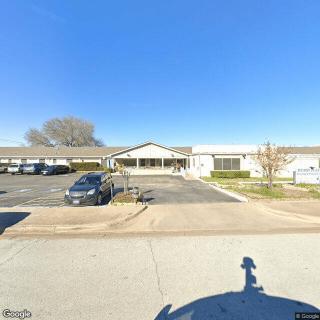
232 Bens Trail, Fort Worth, TX 76120
For more information about senior living options: (866) 208-4318
Overall Review of Savanna Oaks Ranch
Pros
 The patient has shown significant improvement and is now walking with a cane.
- The therapists have been great.
- Paté is considered the best rehabilitation center, with staff who take care of patients and help with rehabilitation.
- The atmosphere is welcoming, and the staff are great people who take good care of patients.
Review
Savanna Oaks Ranch in Fort Worth is best suited for seniors who are actively pursuing post-acute rehabilitation and who prioritize a warm, engaged staff and a positive, encouraging atmosphere. The reviews consistently point to tangible rehabilitation momentum, with residents reporting noticeable improvements in mobility after therapy, one note even mentions walking with a cane as a result of the program. The focus on therapy teams and their responsiveness is underscored by mentions of patient caregivers and clinicians who seem genuinely invested in recovery. This is not presented as a place for passive care; it reads as a setting where skilled rehabilitation is the centerpiece and where the social climate supports consistent effort toward mobility goals. For families seeking a rehab-forward option that emphasizes practical gains and a pleasant daily environment, Savanna Oaks Ranch stands out.
The strongest, most actionable benefits center on the therapy team and the day-to-day atmosphere. Therapists are described as capable, attentive, and effective, delivering care that translates into meaningful function. The staff are portrayed as approachable and personable, contributing to a sense of trust and continuity that often accelerates engagement in therapy. The overall atmosphere is highlighted as a positive driver of recovery, with residents feeling supported by a community that values care and camaraderie. In practical terms, families looking for an environment where therapy feels integrally connected to everyday living, where sessions are paired with encouragement and genuine interactions, will find these elements compelling. The combination of skilled rehabilitation and a friendly setting can meaningfully shorten post-hospital recovery timelines and reduce the frustration that sometimes accompanies rehab.
Because the reviews do not articulate explicit drawbacks, a prudent decision framework must still address potential gaps that families will want to verify. The strongest caveat is the absence of detailed information about long-term care needs beyond rehab, such as 24/7 medical oversight, chronic disease management, or memory-care specialization. There is little mention of the breadth of daily living supports, dining programs, or activity options outside the rehabilitation milieu. For families evaluating options, these omissions should translate into concrete questions during tours: What is the resident-to-staff ratio on evenings and weekends? How is care coordinated for residents who require assistance beyond therapy sessions? What are the options if a longer-term care plan becomes necessary, and how seamlessly can transitions to higher-acuity care be managed? The lack of explicit cons in the reviews should not obscure these practical considerations.
The favorable rehab outcomes and the uplifting atmosphere do offset several potential concerns, but only when aligned with clear expectations. The demonstrated mobility gains and the perceived dedication of therapists suggest that residents who enter with functional goals, such as improving gait, balance, or independence with daily tasks, are entering a setting where those goals can be realistically pursued. The social and emotional climate, described as welcoming and community-oriented, amplifies adherence to therapy and reduces the emotional strain that often accompanies rehab. In practical terms, families should weigh the value of a facility whose core strength is rehabilitative momentum and a supportive culture against the need for ongoing, non-rehab medical oversight. For many, the trade-off will favor Savanna Oaks Ranch, provided the care plan remains centered on restorative goals.
In deciding whether Savanna Oaks Ranch is the right fit, consider the profile of the resident who will thrive there. A senior recovering from a hospital stay, seeking structured, goal-driven rehabilitation with accessible, compassionate staff, is a prime candidate. Those who prize a positive daily atmosphere and staff who remember names and progress tend to feel confident in the continuity of care. However, if the plan requires sustained, around-the-clock medical management, specialized memory-care services, or a broader spectrum of long-term living arrangements, it is wise to explore alternatives that explicitly market those capabilities. Prospective families should demand transparent discussions about service scope, care transitions, and the facility’s capacity to accommodate evolving needs over time.
The bottom-line judgment is clear and practical: Savanna Oaks Ranch appears to be an excellent choice for seniors focused on short- and medium-term rehabilitation with a proven, encouraging therapy environment and a welcoming, people-centered culture. It delivers the kind of tangible mobility improvements and everyday encouragement that families often seek after a hospital stay. Yet careful purchasers will verify that the care model matches long-term needs, ensuring that any potential escalation in medical complexity or the desire for broader care options can be met without a disruptive move. If the plan is to maximize rehab outcomes in a supportive setting, scheduling a tour, asking for therapy-to-discharge benchmarks, and obtaining a written sense of what happens if recovery stalls will provide the decisive clarity. Savanna Oaks Ranch holds strong promise for the right resident; the key is confirming fit with the anticipated care trajectory and service scope.
 16 resident community capacity
 Assisted Living
 Board and Care Home
 Cable or satellite TV
 Dining room
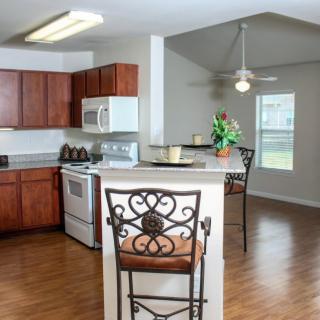
 Fully furnished
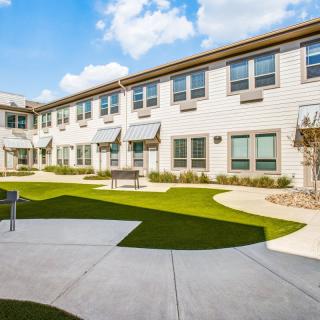
 Garden
 Housekeeping services
 Move-in coordination
 Outdoor space
 Telephone
 Wi-Fi/high-speed internet available
 Dallas-Fort Worth International (13 miles away)
 24-hour supervision
 Activities of daily living assistance
 Assistance with bathing
 Assistance with dressing
 Assistance with transfers
 Diabetes diet
 Meal preparation and service
 Medication management
 Special dietary restrictions
 Transportation arrangement (medical)
 Transportation to doctors appointments


 Social Security Benefits and Assisted Living: Navigating Options Across the U.S.
 An Extensive Exploration of the VA Aid and Attendance Benefit
 Senior Transition Services: Understanding Their Role, Cost, and Importance