
2208 North Loop 250 W, Midland, TX 79707
For more information about senior living options: (866) 208-4318
Overall Review of Mabee Health Care Center
Pros
 The staff at Mabee Health Care Center are wonderful.
- The therapists and nurses are great and check on residents regularly.
- The staff strive to make the environment as home-like as possible.
- It is a wonderful place.
- The private room in the assisted living was wonderful.
- The roommate is wonderful.
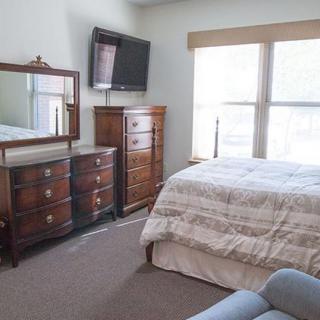
- The room is adequately sized and well taken care of.
- There are no complaints about the care.
Cons
 She is currently in a shared room, which is a downgrade from her previously private room.
- There is a concern that she may become a Medicaid patient if she outlives her money.
- The financial constraints implied by the need for Medicaid suggest a negative long-term outlook.
Review
Mabee Health Care Center in Midland, TX is best suited for seniors who need skilled rehabilitation after a hospital stay and want a warm, home-like atmosphere combined with steady, capable daily care. The centerpiece of the experience is a staff that truly shows up: therapists and nurses who monitor progress, make regular checks, and push to keep residents comfortable and engaged. The facility emphasizes a recovery-forward approach, aiming to make the environment feel less like a hospital and more like a supportive home. Families pursuing a continuum of care, from skilled nursing rehab to assisted living, will appreciate the consistency of caregivers and the sense that staff know the resident beyond the chart.
That said, not every situation will align with Mabee’s strengths. If privacy and uninterrupted personal space are non-negotiable, the possibility of moving from a private room in assisted living to a shared room later may be a drawback. The reality that ongoing care could transition toward Medicaid funding if funds exhaust is another factor that requires careful financial planning. For those seeking a setting with abundant, on-site memory care programming or a broader activity calendar, alternative communities with specialized offerings may be a better fit. The mix of care levels is strong, but privacy and funding dynamics deserve explicit consideration.
On balance, the strongest positives, dedicated therapists and nurses who check on residents, the home-like atmosphere, and the evident commitment to progress, help mitigate the privacy and funding concerns. The rehab team’s responsiveness and the care team’s round-the-clock presence translate into tangible reassurance for families worried about recuperation success. Transitioning from skilled nursing rehab to assisted living, while requiring a shift in setting, is handled with attention to comfort and routine; the personal touch, such as a wonderful roommate and a well-kept room, reduces the sting of room-sharing. In short, care quality and daily attention carry substantial weight, often eclipsing initial privacy trade-offs for residents who value consistency and warmth.
Before committing, families should verify current room arrangements and whether any private accommodations are possible as needs evolve. Clarify how Medicaid eligibility would affect services and bills over time, and whether any additional charges accompany transitions in care level. Request a detailed rehabilitation plan, including expected therapy frequency, progress metrics, and post-acute goals, so choices remain aligned with recovery timelines. Inquire about daily programming, family visitation policies, and the extent of on-site support for activities, meals, and social engagement. A candid discussion around these points will sharpen expectations and reduce surprises, especially during the crucial recovery period.
From the lived experience, Mabee’s front-line team earns high marks: the mother’s rehab phase was led by capable therapists and nurses who made sure visits happened and progress was tracked. The home-like intent was palpable, with care staff prioritizing comfort and dignity. The private room in assisted living was described as wonderful at first, and the ongoing sense that the facility is well maintained reinforces confidence in daily operations. The roommate dynamic, described as wonderful, adds social value and companionship, a critical element in long-term living. The practical note that room size is adequate signals a balanced approach to space and cost, a factor families will weigh alongside care quality.
In sum, Mabee Health Care Center stands out for families seeking reliable rehab-to-long-term care with a compassionate, hands-on staff and a home-like environment. The defining trade-off centers on living arrangements and financial planning: private-to-shared room transitions and potential Medicaid dependence require proactive decision-making and honest budgeting. If these conditions fit, Mabee delivers strong care, steady progress, and meaningful daily support. If privacy, guaranteed private accommodations, or broader specialized programming are paramount, exploring alternatives may be prudent. For families comfortable with the continuum model and the realities of funding, Mabee represents a practical, confident choice.
 156 resident community capacity
 Assisted Living
 Independent Living
 Memory Care
 Skilled Nursing Facility
 Air-conditioning
 Beauty salon
 Cable or satellite TV
 Computer center
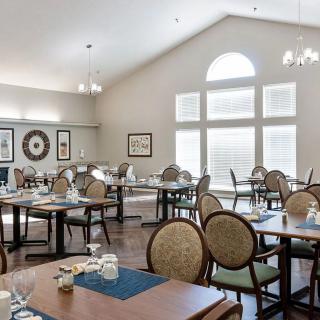
 Dining room
 Fitness room
 Fully furnished
 Gaming room
 Garden
 Housekeeping services
 Kitchenette
 Move-in coordination
 Outdoor space
 Private bathrooms
 Restaurant-style dining
 Small library
 Telephone
 Wellness center
 Wi-Fi/high-speed internet available
 Midland International (5 miles away)
 Community operated transportation
 12-16 hour nursing
 24-hour call system
 Activities of daily living assistance
 Assistance with bathing
 Assistance with dressing
 Assistance with transfers
 Diabetes diet
 Medication management
 Mental wellness program
 Special dietary restrictions
 Concierge services
 Planned day trips




 8 Key Indicators That Suggest It May Be Time to Transition from Assisted Living to Skilled Nursing Care
 Nourishing the Mind: Essential Dietary Approaches for Dementia
 Understanding Dementia Behaviors: Practical Insights and Strategies for Caregivers