

401 Helen Greathouse Circle, Midland, TX 79707
For more information about senior living options: (866) 208-4318
Overall Review of Helen Greathouse Manor
Pros
 The Village at Manor Park offers single rooms, which was a major factor in the family's decision.
- The facility has a doctor who visits Alzheimer’s patients.
- The facility is very clean.
- The staff are highly satisfactory to the family.
- Her room is beautiful.
Cons
 One staff member the reviewer is not pleased with.
- The reviewer had trouble with that staff member and with no one else.
- One staff member keeps insisting on sitters for the mother, while other nurses say sitters are not needed.
Review
Helen Greathouse Manor is best suited for families seeking a private, single-occupancy living option in Midland with a clear eye toward memory-care needs and easy family access. The strongest pull is the private room, which families consistently rate as the top factor in comfort and daily living. Proximity matters here: the setting is close enough to keep visits convenient, which matters for ongoing oversight and reassurance. The presence of a physician who visits Alzheimer’s residents adds a practical layer of medical continuity, helping to weave medical oversight into a daily routine without forcing frequent family travel. Cleanliness and overall staff responsiveness solidify the appeal for those prioritizing a calm, well-kept environment where care staff appear engaged and capable.
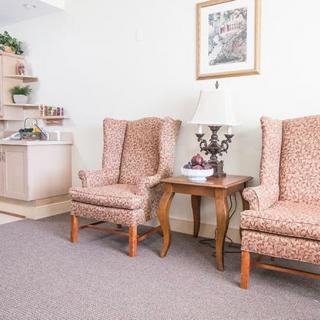
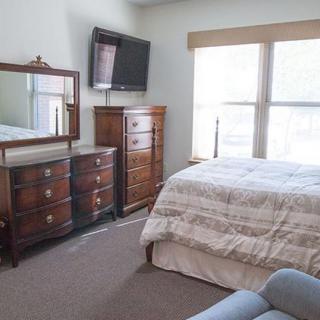
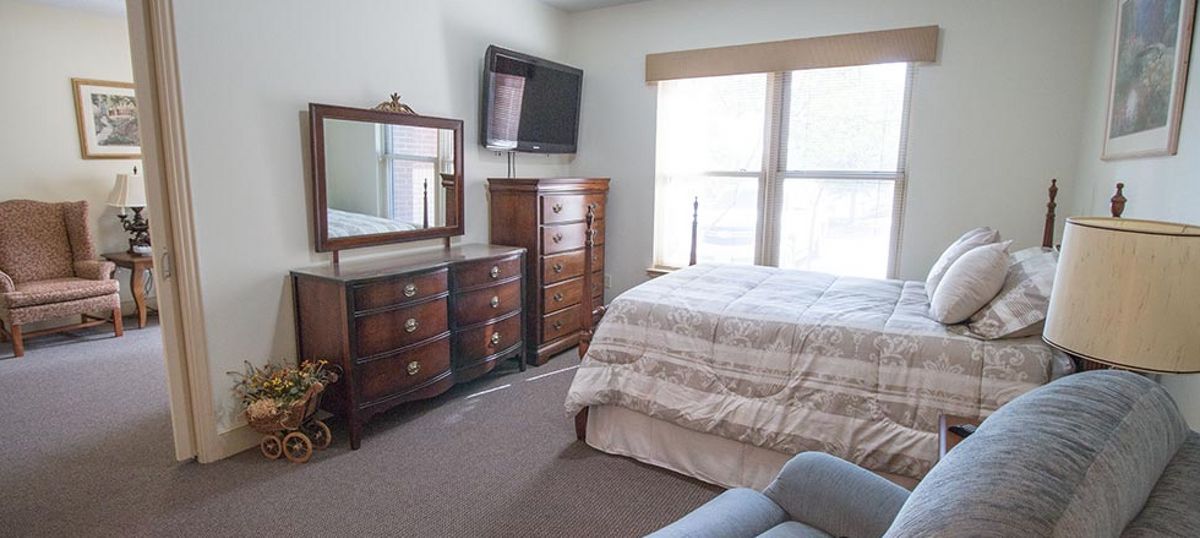
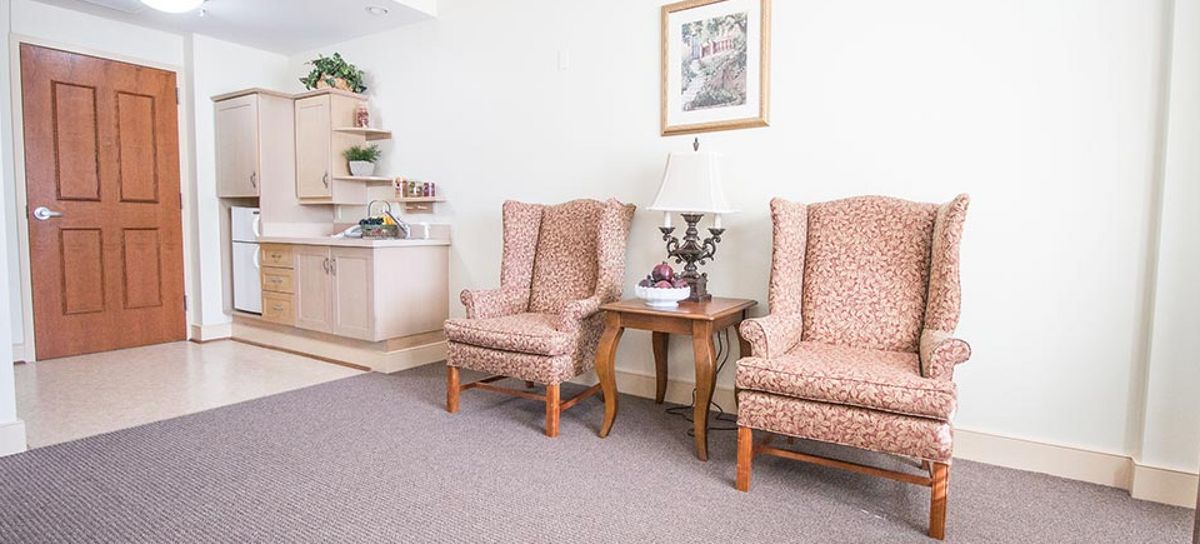
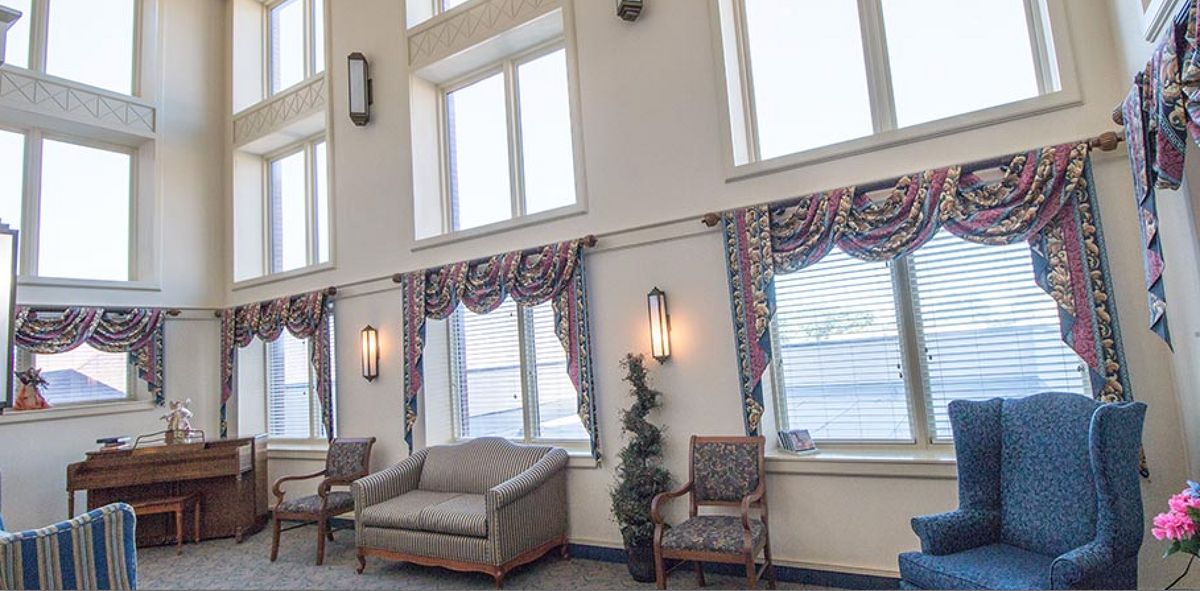
On the tangible side, the facility delivers a straightforward, livable footprint. The patient room described is attractive and functional, with a dedicated foyer and a private bathroom that allows a personalized setup, including furniture and comforts familiar to the resident. The single-room layout supports dignity and independence while reducing the sense of confinement sometimes felt in shared spaces. Cleanliness is consistently cited as a virtue, reinforcing confidence in daily routines, housekeeping, and infection control. Staff dedication formed a core part of the positive impression, with family members praising the team for its overall responsiveness and reliability in day-to-day care.
Yet there is a notable friction point that families should weigh carefully. One staff member became a point of contention, with pressure reportedly placed on the family to hire sitters, while other nurses indicated that sitters were unnecessary and that the resident simply needed adjustment. This vignette signals potential inconsistencies in policy interpretation or in day-to-day care planning. It is not a loud red flag about safety, but it does highlight a risk: care coordination can hinge on which staff member is available and what interpretation of the care plan is being applied. For families evaluating options, such dynamics underline the importance of securing clear, written care guidelines and a stable point of contact who can translate policy into consistent practice.
The positives do offset the concerns to a meaningful degree for many families, but only when proactive steps are taken. The guaranteed private space, coupled with easy family access and medical oversight for memory care, can reduce anxiety about daily living and clinical management. The favorable environment and clean, orderly operations serve as a foundation that minimizes typical stress around transitions. To make the most of this, families should request a defined care plan, a named primary caregiver, and written policies on sitter use and activity pacing. Before committing, arrange a direct conversation with the administrator to confirm how memory-care needs are assessed, how often physician input is integrated, and who manages updates to the resident’s plan.
Alternatives become worth exploring for those who prize broader memory-care programming, more robust social engagement, or better policy alignment across staff shifts. If the goal is a campus with a deeper emphasis on structured activities or a larger care team to ensure continuity, other Midland options may deliver more consistent staffing patterns or a more expansive memory-care ecosystem. For families with tighter budget constraints or a stronger preference for highly predictable routines, shopping around could reveal communities with lower cost or more rigid care protocols that reduce questions about day-to-day coordination.
In sum, Helen Greathouse Manor presents a pragmatic, solid option for families prioritizing privacy, proximity, and Alzheimer’s-focused oversight. The private room, cleanliness, and generally attentive staff create a compelling baseline. The decision hinges on comfort with potential staff-variable coordination and a desire for a clearly defined, consistently applied care plan. If those elements can be locked down through direct discussions and written policies, this community stands as a disciplined, reliable fit for near-term placement and ongoing memory-care management.
 233 resident community capacity
 Assisted Living
 Continuing Care Retirement Community (CCRC)
 Respite Care
 Air-conditioning
 Beauty salon
 Cable or satellite TV
 Computer center
 Dining room
 Fitness room
 Fully furnished
 Gaming room
 Garden
 Housekeeping services
 Kitchenette
 Move-in coordination
 Outdoor space
 Private bathrooms
 Restaurant-style dining
 Small library
 Telephone
 Wellness center
 Wi-Fi/high-speed internet available
 Midland International (5 miles away)
 Community operated transportation
 24-hour call system
 Activities of daily living assistance
 Assistance with bathing
 Assistance with dressing
 Assistance with transfers
 Diabetes diet
 Medication management
 Special dietary restrictions
 Concierge services
 Planned day trips
 English





 Exploring the Contrasts Between Assisted Living and Skilled Nursing
 8 Key Indicators That Suggest It May Be Time to Transition from Assisted Living to Skilled Nursing Care
 Vibrant Senior Living: A Comprehensive Guide for Active Older Adults