
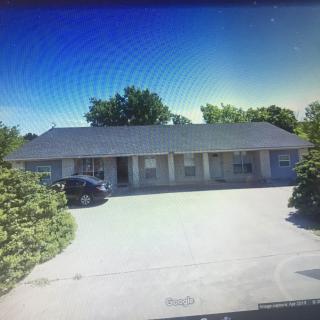
8010 Bernard St, Leander, TX 78641
To contact a resident: (512) 331-0159
For more information about senior living options: (866) 208-4318
Family of Friends Costs & Pricing
In Williamson County, Texas, the costs associated with the Family of Friends program are reflective of the region's growing demand for quality care and support services. Specifically, a private room under this program is priced at $5,000 per month, which is notably higher than the local average of $4,482 for similar accommodations in Williamson County and $4,096 across the state of Texas. This premium pricing may be attributed to enhanced amenities or specialized care offerings within the Family of Friends framework that cater to individuals seeking a more personalized experience. While it presents a higher financial commitment compared to other options in the area, many families find that the unique benefits provided justify the additional cost.
| Floor plans | Family of Friends | Williamson County | Texas |
|---|---|---|---|
| Private | $5,000 | $4,482 | $4,096 |
Senior living communities with a similar price nearby
-
from +$630 / mo
Autumn Leaves of South Austin
$5,630 to $6,438 / month17.1 miles away -
from -$850 / mo
Cedar Ridge Alzheimers Special Care Center
$4,150 / month6.1 miles away -
About the same

Arbor Terrace Lakeway
$5,000 to $7,000 / month8.9 miles away -
from -$150 / mo

The Village at The Triangle
$4,850 to $7,000 / month14.6 miles away -
About the same

Arden Courts Of Austin
$5,000 to $7,180 / month8.4 miles away
Overall Review of Family of Friends
Pros
 Verena at Leander Independent Living is described as having a charismatic appeal that fascinates visitors.
- Staff and residents welcome newcomers with open arms and warmth.
- The residents are friendly and share their stories, enriching the community.
- There is never a bad day, as the community cooperates and enjoys the activities together.
- They respect one another, laugh, have meals, and exercise as a group.
- The reviewer highly recommends giving Verena at Leander a chance to explore the next chapter.
Review
Verena at Leander Independent Living is best suited for active seniors in Leander, TX who want a socially rich, maintenance-free lifestyle that keeps them close to family and local amenities. The resident story in the available reflection centers on a widow relocating from Chicago to be near her daughter, and immediately finding a warm, accepting environment. Staff and neighbors are described as genuinely welcoming, with residents who share a collective pride in their stories, meals, and daily routines. The tone is practical rather than perfumed: a place where friendship, cooperation, and regular activities create a cohesive daily rhythm. For families seeking a community that emphasizes companionship, engaging programming, and tangible day-to-day satisfaction, this setting checks many boxes.
That said, this option may not be the right fit for every elder, and explicit alternatives deserve consideration. Those who require substantial daily assistance, around-the-clock medical supervision, or specialized memory care will likely find independent living too lean on-site. Similarly, seniors anticipating a quieter, more private pace or tighter control over social schedules may prefer other environments. The same logic applies to families weighing long-term planning: if future health needs are anticipated to escalate beyond what this level of care provides, a community with stronger on-site care options or a more scalable care continuum should be explored.
The strongest pros in this case revolve around the human core of the experience. A welcoming reception sets the tone, but it’s the ongoing social fabric that sustains it: friendly neighbors, a culture of mutual respect, and a calendar of activities that keeps residents engaged rather than isolated. The daily structure, shared meals, group exercise, and opportunities to tell stories and laugh together, addresses one of senior living’s most common pitfalls: loneliness. These advantages offset the lack of formal, intensive services by delivering a meaningful, enjoyable lifestyle that preserves autonomy while enriching daily life with purpose and connection.
Proximity to family adds a meaningful layer of value that is hard to quantify. The ability to visit easily, share meals, participate in events, or simply check in without logistical hurdles reduces caregiver stress and strengthens emotional well-being for both residents and their loved ones. In the narrative available, that local integration, being near a daughter and a familiar community, translates into a sense of security and belonging that can make the transition smoother and more sustainable. For families evaluating options in Leander, this touchpoint is often as important as the activities calendar or meal quality.
Given the limited first-hand feedback, diligence remains essential before committing. Prospective residents should verify what the monthly fee covers, how often transportation and housekeeping are provided, and what, if any, additional services can be added as health needs evolve. It is prudent to request a sample activity schedule, a meal plan, and opportunities to interact with current residents during a visit. A trial stay or guest access can illuminate whether the social tempo, privacy expectations, and physical layout align with personal preferences. Costs, contract details, and a clear path for future transition should be laid out in plain terms.
In sum, Verena at Leander Independent Living stands out as a practical, purpose-driven choice for seniors who prize community, activity, and proximity to family. For those pursuing an engaging, neighborly environment where daily life feels affirmed and enjoyable, it merits strong consideration. However, if the need is for robust on-site care, memory-specific programming, or a quieter, less socially intense setting, it is wise to broaden the search to other options that offer a tighter care continuum or a different cultural pace. With a thoughtful tour, careful cost comparison, and candid conversations about future needs, families can determine whether this community is the right fit or if a different Leander option better serves long-term goals.
 Board and Care Home
 Activities off-site
 Bath tubs
 Devotional services off-site
 Indoor common areas
 Outdoor common areas
 Private
 Private bathrooms
 Respite or short term stays offered
 Austin-Bergstrom International (23 miles away)
 Ambulatory care
 Diabetic care
 High acuity care
 Meals provided




 In-Home Care Costs in 2025: A Detailed State-by-State Exploration
 Understanding Home Health Care: A Comprehensive Guide
 Home Health Care Demystified: A Comprehensive Guide for Families and Caregivers