Longhorn Village in Austin, TX

Save

  • Interior

    A cozy library conference room with wooden bookshelves and a large table surrounded by chairs.
  • Decor

    Entrance to a relaxing spa lobby with seating and decorative elements.
  • Building

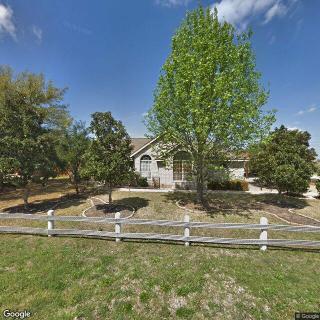
    A hotel building with beautifully landscaped gardens blooming with flowers in the evening light.
  • Architecture

    A hotel building surrounded by vibrant flowers and trees in the evening.
  • Trees

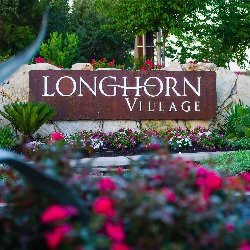
    A welcoming sign for Longhorn Village surrounded by a vibrant garden.
  • Windows

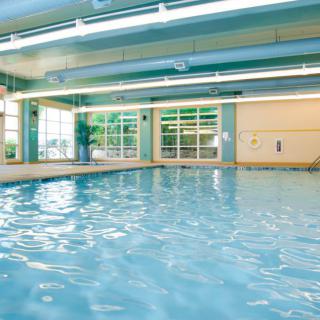
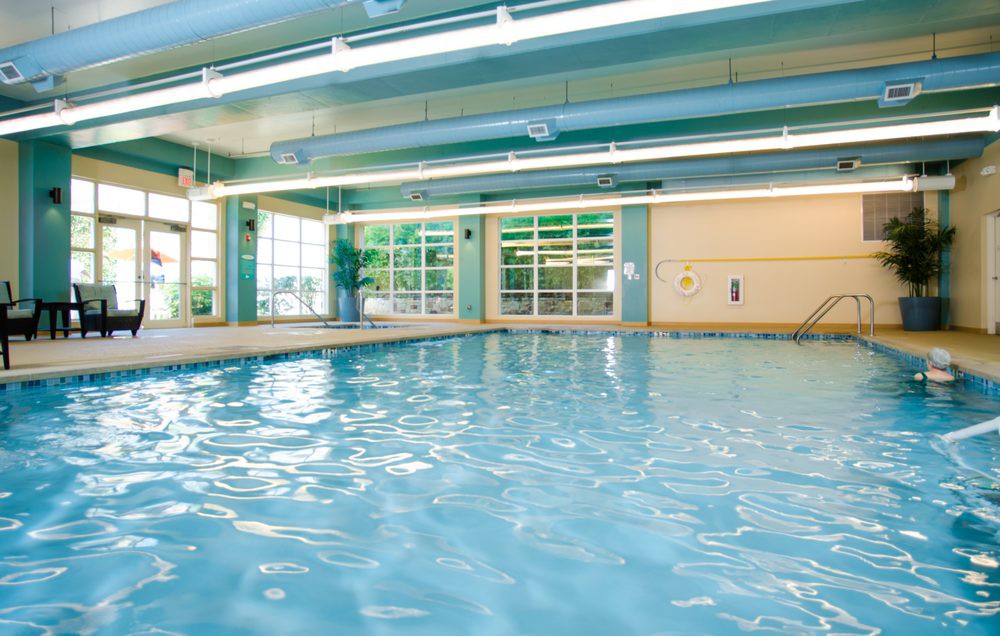
    An indoor swimming pool with large windows and clean, clear water.
  • Dining

    A menu open on a table in a restaurant setting, displaying food and drink options.
  • Landscaping

    Entrance sign for Longhorn Village surrounded by vibrant flowers.
  • Lighting

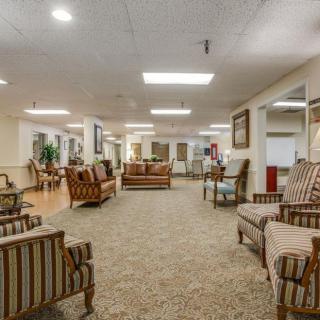
    A cozy lobby area with leather sofas, elegant lighting, and warm-toned furnishings.
  • Artwork

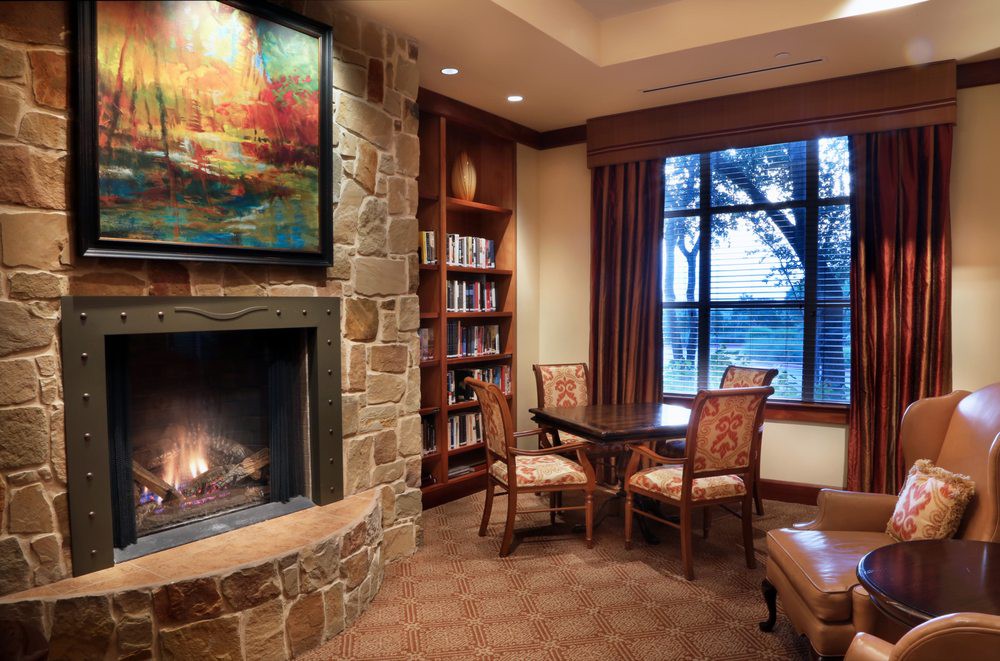
    A cozy library nook featuring a stone fireplace, artwork, and a small table with chairs beside a window.
  • Lobby

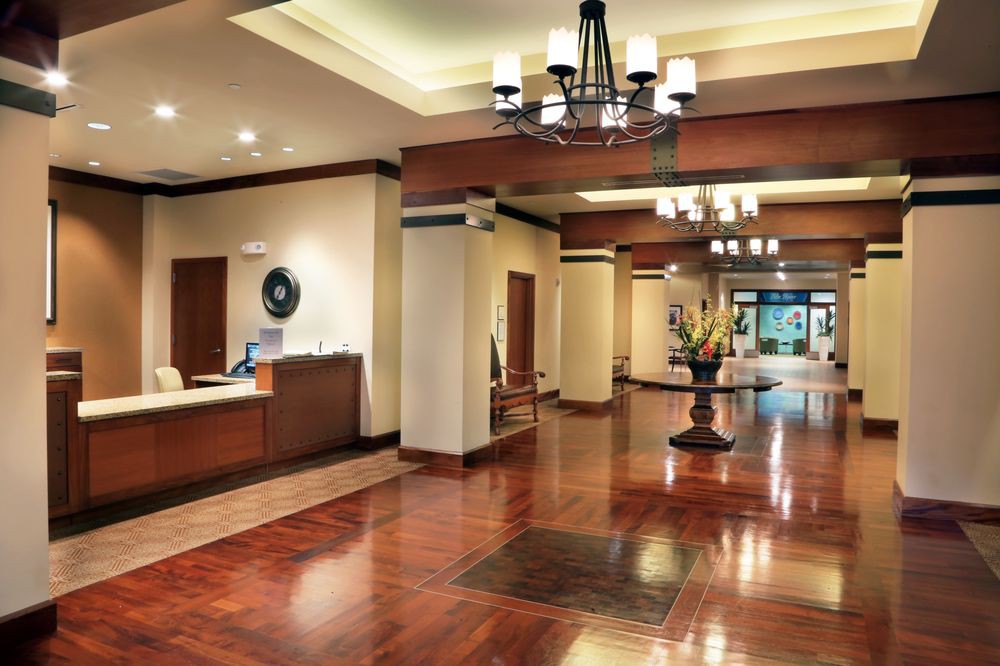
    A spacious hotel lobby featuring elegant chandeliers and polished wooden floors.
  • Exercise Equipment

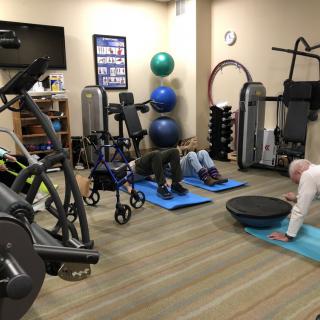
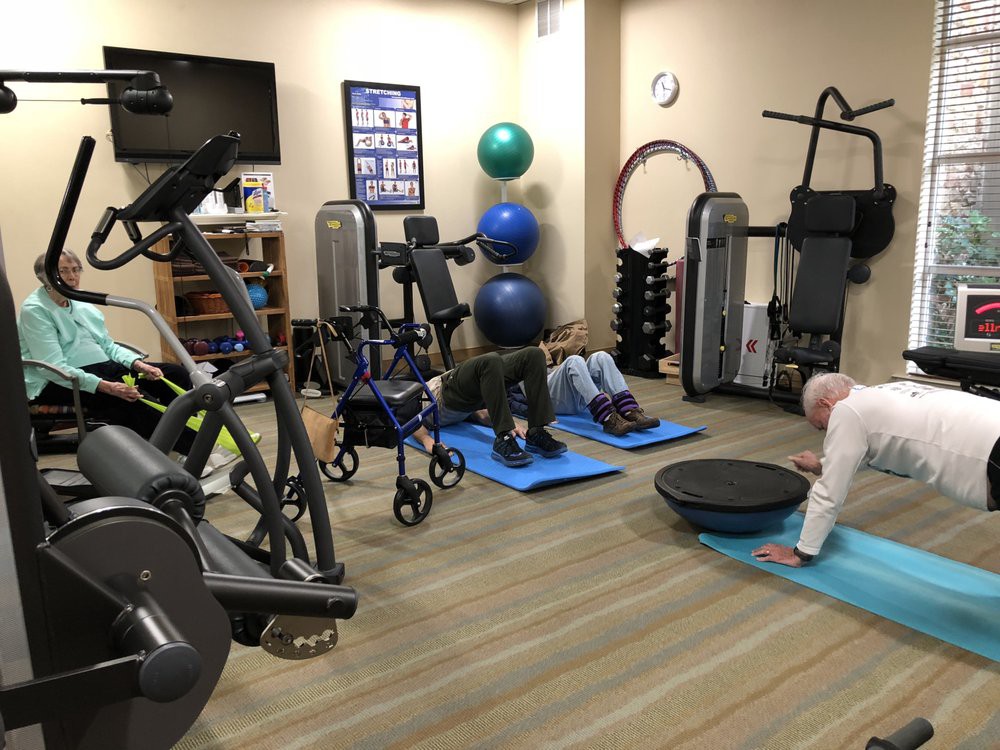
    People exercising in a gym with various fitness equipment and yoga mats.
  • Clouds

    A suburban neighborhood with modern homes under a blue sky with clouds.
  • Salon

    An elegant hair salon interior with styling chairs and large mirrors.

Longhorn Village in Austin, TX

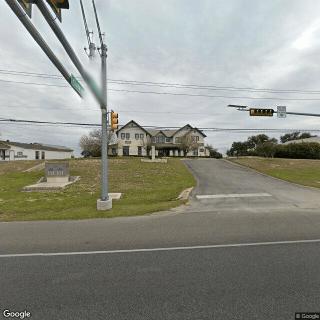
12001 Longhorn Parkway, Austin, TX 78732

For more information about senior living options: (844) 490-3973

4.5 from 73 reviews
5 stars
54
4 stars
9
3 stars
2
2 stars
6
1 stars
2

Assisted Living Continuing Care Retirement Community (CCRC) Independent Living Memory Care Respite Care Skilled Nursing Facility

Longhorn Village Costs & Pricing

Longhorn Village offers competitive monthly costs for its residents, particularly when compared to both Travis County and the broader state of Texas. For a studio apartment, Longhorn Village's rate is $2,522, which stands in stark contrast to the average of $3,999 within Travis County and $3,758 across the state. This significant difference highlights the value that Longhorn Village provides. For those seeking more space, such as a two-bedroom apartment, the cost at Longhorn Village is $4,750. While this exceeds both Travis County's average of $4,448 and Texas's statewide average of $4,215, it's essential to consider the quality of life and amenities offered alongside these rates. Overall, residents can appreciate the thoughtful pricing structure that prioritizes affordability without compromising on comfort or community engagement.

Floor plansLonghorn VillageTravis CountyTexas
Studio$2,522$3,999$3,758
2 Bedrooms$4,750$4,448$4,215

What level of care are you interested in?

Assisted Living

Memory Care

Independent Living

Skilled Nursing Facility

Continuing Care Retirement Community (CCRC)CCRC

Other


Request a tour at Longhorn Village

    Overall Review of Longhorn Village

    Pros

    • pro The location is very upscale and well deserving of its reputation.
    • pro The residences are highly desirable for those seeking a luxury retirement experience.
    • pro The place is like a five-star hotel.
    • pro The Village has been a pleasure thus far.
    • pro The staff and residents are helpful and friendly to new residents adjusting to the environment.
    • pro The dining is delicious.
    • pro The community is outstanding with very friendly residents and delicious food.
    • pro The maintenance team has consistently gone above and beyond to assist residents.
    • pro Stacey Himba is extremely helpful.
    • pro The staff are sweet, polite, and very caring.
    • pro The apartments include essential appliances and Wi-Fi.
    • pro The campus is beautiful, with a courtyard and walking areas.
    • pro The bus service provides convenient transportation to shopping, events, downtown, and UT activities.
    • pro Longhorn Village is highly recommended for an upscale community with great care and amenities.

    Cons

    • pro They only care about making money.
    • pro The executive team prioritizes the bottom line over residents and does not listen to them.
    • pro They removed the handicap access ramp and show no intention of restoring it.
    • pro The CEO never responded to emails or calls about concerns.
    • pro Management communication is terrible, and Delaney is unprofessional and uncommunicative.
    • pro It takes forever to hear back from them.
    • pro The remote location makes it hard to retain staff.

    Review

    Longhorn Village in Austin, Texas is best suited for seniors who want a luxury, self-contained retirement experience with ready access to a full continuum of care, high-end amenities, and a lively, activity-filled campus. It is especially attractive for independent living residents who appreciate spacious, well-appointed apartments or villas, a robust social calendar, excellent dining, and frequent organized excursions, all within a setting that feels more resort-like than typical senior housing. The community's UT-alumni connections, expansive grounds, and integrated transportation options make it a compelling choice for those who prize convenience, status, and a high level of service in their daily life.

    The strongest positives center on scale and sophistication. The renovated spaces, the sense of being in a superior property, and the wide array of amenities are frequently cited as differentiators. Residents enjoy restaurant-quality meals, a variety of daily activities, water aerobics, formal and casual social occasions, and a campus layout that supports walking, outdoor time, and socializing. The on-site campus also includes skilled nursing, memory care, and separate assisted-living neighborhoods, which means transitions within care levels can be smoother, reducing the stress of changing environments as needs evolve. Transportation and support services - such as scheduled buses, help with doctor visits, and accessible campus-wide services - further reduce friction for busy families and active retirees.

    Yet the community does show clear friction points that influence decision-making. Several reviews flag communication gaps and what feels like a management emphasis on expansion and bottom-line metrics over resident voice. Specific concerns mention unresponsive executives, delayed replies, and decisions perceived as not fully accounting for resident or family input. Construction nearby disrupts daily life and quiet, and parking becomes crowded with tours and visitor traffic. A higher price tag accompanies the perks, and some families question whether governance and transparency match the upscale image. These factors can tilt the balance for buyers who prioritize predictable, steady communication and a quieter environment during retirement years.

    Despite those concerns, the pros often offset the cons for families seeking an upscale, all-in-one living experience. The breadth of care options - Independent Living, Assisted Living, Memory Care, and Skilled Nursing - provides a clear ladder of care without relocating far, a major advantage for long-term planning. The staff consistently earns praise for warmth and attentiveness, with frontline teams delivering reliable, personal care and a sense of belonging that can feel like a true community rather than a facility. The campus culture - friendly residents, proactive activities directors, and a strong sense of hospitality - helps residents build meaningful routines, friendships, and a social network that sustains well-being over time.

    Several authentic, on-the-ground strengths reinforce the recommendation. Individual staff members and teams stand out for going above and beyond: maintenance crews that keep apartments in excellent shape, and front-line staff who remember residents by name and cultivate a welcoming atmosphere. The dining experience is repeatedly described as standout, with ample opportunities for group dining, themed events, and a sunday buffet rhythm that reinforces the sense of "cruise ship living" day after day. The physical setting - beautiful grounds, a courtyard, and easy access to outdoor activity - contributes to a lifestyle that many families seek for enriching senior years, while the campus' proximity to the University of Texas ecosystem and local amenities enhances cultural and educational possibilities for long-term residents.

    For families weighing the decision, Longhorn Village represents a decisive choice for those prioritizing luxury, comprehensive care, and an engaged, sociable environment in a premier Austin location. It is less suitable for households prioritizing cost containment, ultra-quiet governance, or minimal disruption from ongoing expansion projects. Alternatives may be worth considering for those who need tighter budget control, more transparent governance, or a quieter pace with fewer construction-driven interruptions. In all scenarios, a rigorous, up-front discussion about move-in timelines, care-planning, construction noise schedules, and explicit expectations around communication will sharpen the fit. Conduct a thorough visit, speak with the activities director, and verify how the community plans to handle any future care needs, parking logistics, and admission details to ensure alignment with long-term goals.

    Features

    Housing

    • 40 resident community capacity 40 resident community capacity

    Types of Care

    • Assisted Living Assisted LivingAssisted living facilities provide crucial support and care for seniors who may need help with daily tasks such as medication management, bathing, and meal preparation. These communities offer a safe and comfortable environment where seniors can maintain their independence while receiving the assistance they need to thrive in their golden years.
    • Continuing Care Retirement Community (CCRC) Continuing Care Retirement Community (CCRC)Continuing Care Retirement Communities (CCRCs) are important for seniors because they provide a range of housing options and care services all in one location. This allows seniors to age in place and receive the level of care they need as their health changes, without having to move to a new facility. CCRCs provide a sense of security and peace of mind for seniors and their families, knowing that they will be taken care of no matter what the future holds.
    • Independent Living Independent LivingIndependent living communities are important for seniors because they offer a safe and supportive environment where older adults can live independently while still having access to amenities and services that enhance their quality of life. These communities provide social opportunities, recreational activities, and assistance with daily tasks, promoting overall well-being and allowing seniors to maintain their independence for as long as possible.
    • Memory Care Memory CareMemory care is crucial for seniors as it provides specialized support and services for individuals with dementia or Alzheimer's disease. These programs offer a safe and secure environment where residents receive personalized care, cognitive stimulation, and help with daily activities. Memory care helps seniors maintain their independence, quality of life, and dignity while also providing peace of mind for their families.
    • Respite Care Respite CareRespite care provides temporary relief for caregivers, allowing them to recharge and attend to their own needs. It also gives seniors the opportunity to socialize, receive professional care, and experience a change of scenery, promoting overall well-being and reducing feelings of isolation.
    • Skilled Nursing Facility Skilled Nursing FacilitySkilled Nursing Facilities are crucial for seniors as they provide round-the-clock medical care, rehabilitation services, and assistance with daily activities. These facilities ensure that seniors receive the specialized care they need to maintain their health and well-being as they age.

    Pets

    • Cats allowed Cats allowed"Pet friendly" senior living communities are important for seniors because pets provide companionship, reduce feelings of loneliness and depression, promote physical activity and mental stimulation, and offer a sense of purpose and responsibility. Pets can improve overall well-being and quality of life for seniors in many ways.
    • Dogs allowed Dogs allowed"Pet friendly" senior living communities are important for seniors because pets provide companionship, reduce feelings of loneliness and depression, promote physical activity and mental stimulation, and offer a sense of purpose and responsibility. Pets can improve overall well-being and quality of life for seniors in many ways.

    Amenities

    • Activities off-site Activities off-siteEngaging in off-site activities is crucial for seniors to maintain social connections, stay active, and stimulate their minds. It promotes overall well-being and helps combat feelings of isolation and loneliness.
    • Activities on-site Activities on-siteActivities on-site are important for seniors because they provide opportunities for socialization, mental stimulation, physical activity, and overall well-being. Engaging in activities can help seniors stay active, maintain their independence, and improve their quality of life.
    • Bath tubs Bath tubsBath tubs are important for seniors because they provide a safe and relaxing way to bathe, helping to prevent slips and falls while promoting independence and overall well-being.
    • Beautician on-site Beautician on-siteHaving a beautician on-site at a senior living community is important for seniors as it allows them to easily access grooming and personal care services, boosting their self-esteem and overall well-being. It also provides convenience and helps seniors maintain their sense of independence and personal style.
    • Beauty salon Beauty salonBeauty salons are important for seniors because they provide a space for them to feel pampered, socialize, and maintain their personal grooming and hygiene. Regular visits to a beauty salon can help boost seniors' self-esteem and overall well-being.
    • Cable or satellite TV Cable or satellite TVCable or satellite TV is important for seniors because it provides entertainment, news, and companionship, helping to combat loneliness and boredom. It also offers a wide range of programming options tailored to different interests and preferences.
    • Devotional services off-site Devotional services off-siteDevotional services off-site are important for seniors as they provide spiritual nourishment, social engagement, and a sense of community outside of the senior living facility. This can enhance overall well-being and help combat feelings of isolation and loneliness often experienced by older adults.
    • Devotional services on-site Devotional services on-siteDevotional services on-site provide seniors with spiritual support and a sense of community, as well as an opportunity for reflection and guidance during their senior living experience. This can promote emotional well-being and connection to others, leading to a more fulfilling and enriching lifestyle in their later years.
    • Dining room Dining roomDining rooms are important for seniors as they provide a space for socialization, connection, and nutritious meals. They offer opportunities for residents to bond over shared meals, foster a sense of community, and promote healthy eating habits. Dining rooms also ensure that seniors have access to well-balanced meals tailored to their dietary needs and preferences.
    • Fully furnished Fully furnishedFully furnished senior living communities are important for seniors because they provide convenience, comfort, and a hassle-free moving experience. Seniors can easily settle into their new living space without the stress of having to buy and move furniture. This allows them to focus on enjoying their new home and community.
    • Garden GardenGardens are important for seniors as they provide a peaceful and therapeutic environment for relaxation, physical activity, and socialization. Being in nature has been shown to reduce stress, improve mood, and promote overall well-being. Gardens also offer opportunities for seniors to engage in gardening activities, which can improve mobility, flexibility, and cognitive function. Additionally, gardens create a sense of community and connection with others who share a passion for plants and outdoor spaces.
    • Housekeeping services Housekeeping servicesHousekeeping services are important for seniors because they help maintain a clean and safe living environment, promote independence, and reduce the risk of accidents or illnesses. Additionally, having assistance with household chores can alleviate physical strain and allow seniors to focus on other aspects of their well-being.
    • Indoor common areas Indoor common areasIndoor common areas are crucial for seniors as they provide a space for socialization, recreation, and community engagement, promoting overall well-being and reducing feelings of isolation and loneliness.
    • Kitchenette KitchenetteKitchenettes are important for seniors living in senior living communities because they provide the convenience and independence of being able to prepare simple meals and snacks in the comfort of their own living space. This can help promote a sense of autonomy and well-being for seniors, allowing them to maintain some level of control over their dietary choices and daily routines.
    • Move-in coordination Move-in coordinationMove-in coordination is important for seniors because it helps ease the transition into their new living environment. It ensures that all logistics, such as packing, organizing movers, and setting up utilities are taken care of, allowing seniors to focus on settling in and adjusting to their new home. Having a smooth move-in process can alleviate stress and anxiety, making the transition smoother and more enjoyable for seniors.
    • Outdoor common areas Outdoor common areasOutdoor common areas are important for seniors as they provide a space for socialization, physical activity, and relaxation. Being outside in nature can improve mood and overall well-being, while also encouraging movement and engagement with others. These spaces can help combat feelings of isolation and promote a sense of community among residents.
    • Outdoor space Outdoor spaceOutdoor spaces are important for seniors as they provide opportunities for physical activity, social interaction, exposure to natural light and fresh air, and a sense of connection to nature. Having access to outdoor spaces can improve overall well-being and quality of life for older adults living in senior communities.
    • Respite or short term stays offered Respite or short term stays offeredRespite or short term stays provide seniors with a temporary solution when their regular caregiver is unavailable, offering them the opportunity to receive additional care and support during times of need, while also giving caregivers a chance to rest and recharge.
    • Restaurant-style dining Restaurant-style diningRestaurant-style dining is important for seniors because it allows them to enjoy delicious, nutritious meals in a social and upscale setting. This enhances their dining experience, promotes healthy eating habits, and fosters socialization with fellow residents, ultimately contributing to their overall well-being and quality of life.
    • Small library Small librarySmall libraries are important for seniors as they provide access to a variety of reading materials, including books, newspapers, and magazines. This can help stimulate their minds, keep them engaged, and provide a sense of community through book clubs and other social activities. Additionally, reading has been shown to improve cognitive function and overall mental well-being in older adults.
    • Swimming pool / hot tub Swimming pool / hot tubSwimming pools and hot tubs are important for seniors as they provide a safe and enjoyable way to stay active, improve mobility, reduce joint pain, and promote relaxation. Regular use of these amenities can contribute to overall well-being and quality of life for older adults living in senior communities.
    • Telephone TelephoneTelephones are important for seniors as they provide a lifeline for communication with loved ones, emergency services, and healthcare providers. They offer a sense of security and independence, enabling seniors to stay connected and access assistance when needed.
    • Wheelchair accessible showers Wheelchair accessible showersWheelchair accessible showers are crucial for seniors as they provide a safe and independent bathing option for those with mobility challenges. These showers help prevent falls and allow seniors to maintain their dignity and autonomy while ensuring they can bathe comfortably.
    • Wi-Fi/high-speed internet available Wi-Fi/high-speed internet availableWi-Fi/high-speed internet is important for seniors to stay connected with loved ones, access online resources, and participate in virtual activities to combat feelings of loneliness and isolation. It also allows them to easily manage healthcare needs, access entertainment, and engage in lifelong learning opportunities.

    Transportation

    • Austin-Bergstrom International (18 miles away) Austin-Bergstrom International (18 miles away)

    Care Services

    • 24-hour call system 24-hour call system24-hour call systems are important for seniors because they provide peace of mind and immediate assistance in case of emergencies. This technology ensures that help is always available, promoting safety and security for elderly individuals living alone or in assisted living facilities.
    • 24-hour supervision 24-hour supervision24-hour supervision is important for seniors to ensure their safety, well-being, and access to immediate assistance in case of emergencies or health issues. This constant support provides peace of mind for both seniors and their loved ones, allowing them to age in place with dignity and security.
    • Activities of daily living assistance Activities of daily living assistanceActivities of daily living assistance are important for seniors because they provide essential support with tasks such as eating, bathing, dressing, and mobility. This assistance helps seniors maintain their independence, dignity, and overall quality of life as they age.
    • Ambulatory care Ambulatory care"Ambulatory care services provide essential medical support and treatment to seniors without requiring hospitalization, allowing them to maintain their independence and quality of life while managing chronic conditions or receiving routine medical care."
    • Assistance with bathing Assistance with bathingAssistance with bathing is crucial for seniors as it helps maintain personal hygiene, prevents infections, and ensures their overall well-being and comfort. It also provides a sense of dignity and independence for seniors who may struggle with this task on their own.
    • Assistance with dressing Assistance with dressingAssistance with dressing is important for seniors because it helps maintain their independence, promotes personal hygiene, prevents accidents and injuries, and improves overall quality of life. This service ensures that seniors can continue to dress comfortably and confidently, despite any physical limitations they may have.
    • Assistance with transfers Assistance with transfersAssistance with transfers is crucial for seniors as it helps prevent falls and injuries, maintains their independence, and ensures they can safely navigate their living environment. It also provides peace of mind for both seniors and their loved ones.
    • Diabetes diet Diabetes dietA diabetes diet is crucial for seniors as it helps manage blood sugar levels, reduce risks of complications, and improve overall health and well-being. By following a balanced and nutritious diet tailored to their specific needs, seniors can better control their diabetes and enhance their quality of life.
    • High acuity care High acuity careHigh acuity care is important for seniors because it provides specialized medical attention and support for individuals with complex medical needs. This level of care ensures that seniors receive the appropriate treatment and assistance to maintain their health and quality of life as they age.
    • Incontinence care Incontinence careIncontinence care is essential for seniors to maintain their dignity, hygiene, and overall quality of life. By addressing incontinence issues promptly and effectively, seniors can enjoy a sense of independence and comfort in their daily activities.
    • Meal preparation and service Meal preparation and serviceMeal preparation and service are crucial for seniors as they may have limited mobility or energy to cook nutritious meals. Having access to healthy and convenient food options can ensure they are getting the proper nutrition needed to maintain their overall health and well-being.
    • Medication management Medication managementMedication management is crucial for seniors to ensure they are taking the right medications at the correct dosages and times. This helps prevent adverse drug interactions, reduces the risk of medication errors, and promotes overall health and well-being. Proactive management also allows for adjustments as needed based on changing health conditions or new prescriptions.
    • Mental wellness program Mental wellness programMental wellness programs are essential for seniors as they promote cognitive stimulation, emotional support, and social engagement. These programs help prevent isolation, depression, and cognitive decline, ultimately enhancing the overall quality of life for older adults.
    • Special dietary restrictions Special dietary restrictionsSpecial dietary restrictions are important for seniors because age-related changes in metabolism and health conditions can make it difficult for their bodies to process certain foods. By following a diet tailored to their specific needs, seniors can maintain their overall health and well-being, manage chronic conditions, and reduce the risk of complications such as malnutrition or food interactions with medications.
    Dining

    • Diabetes diet Diabetes dietA diabetes diet is crucial for seniors as it helps manage blood sugar levels, reduce risks of complications, and improve overall health and well-being. By following a balanced and nutritious diet tailored to their specific needs, seniors can better control their diabetes and enhance their quality of life.
    • Meals provided Meals provided"Meals provided" are crucial for seniors in assisted living communities as it ensures they have access to nutritious, balanced meals without the stress of meal planning and preparation. This can help promote overall health and well-being for seniors who may have limited mobility or cognitive abilities.
    • Special dietary restrictions Special dietary restrictionsSpecial dietary restrictions are important for seniors because age-related changes in metabolism and health conditions can make it difficult for their bodies to process certain foods. By following a diet tailored to their specific needs, seniors can maintain their overall health and well-being, manage chronic conditions, and reduce the risk of complications such as malnutrition or food interactions with medications.
    • Vegetarian VegetarianA vegetarian diet is important for seniors because it can help lower the risk of chronic diseases, maintain a healthy weight, and provide essential nutrients needed for aging bodies. Additionally, plant-based diets are often easier on digestive systems and can contribute to overall well-being in older adults.

    Activities

    • Activities off-site Activities off-siteEngaging in off-site activities is crucial for seniors to maintain social connections, stay active, and stimulate their minds. It promotes overall well-being and helps combat feelings of isolation and loneliness.
    • Activities on-site Activities on-siteActivities on-site are important for seniors because they provide opportunities for socialization, mental stimulation, physical activity, and overall well-being. Engaging in activities can help seniors stay active, maintain their independence, and improve their quality of life.
    • Community-sponsored activities Community-sponsored activitiesCommunity-sponsored activities are important for seniors as they provide opportunities for social interaction, mental stimulation, and physical activity. These activities can help improve overall well-being, combat loneliness and isolation, and promote a sense of belonging and purpose among older adults.
    • Devotional activities offsite Devotional activities offsiteDevotional activities offsite are important for seniors because they provide social engagement, spiritual growth, and a sense of community outside of their living environment. This can improve overall well-being, mental health, and combat feelings of isolation or loneliness.
    • Devotional activities on-site Devotional activities on-siteDevotional activities on-site provide seniors with a sense of community, spiritual fulfillment, and emotional support, promoting overall well-being and a positive sense of purpose in their lives.
    • Resident-run activities Resident-run activitiesResident-run activities are important for seniors as they encourage social interaction, creativity, and a sense of autonomy. These activities empower seniors to stay engaged and active in their community while fostering meaningful connections with their peers.
    • Scheduled daily activities Scheduled daily activitiesScheduled daily activities are important for seniors because they provide structure, socialization, mental stimulation, and physical activity. Engaging in regular activities can improve overall well-being and quality of life for seniors living in a community setting.

    Description

    Longhorn Village is a premier assisted living community located in the vibrant city of Austin, Texas. Offering a wide range of care services including Continuing Care Retirement Community (CCRC), Independent Living, Memory Care, Respite Care, and Skilled Nursing Facility, residents can receive personalized care tailored to their individual needs.

    The community boasts an array of amenities designed to enhance the lifestyle and well-being of its residents. Enjoy engaging activities right on-site, whether it's participating in group fitness classes or joining a hobby club. Relaxation is also encouraged with access to bath tubs and a swimming pool/hot tub for a soothing experience. Stay connected with loved ones through Wi-Fi/high-speed internet or make use of cable/satellite TV for entertainment. Longhorn Village also provides spiritual support with both devotional services on-site and off-site.

    Residents can savor delicious meals in the elegant dining room offering restaurant-style dining, with special dietary restrictions and vegetarian options available. The community features fully furnished accommodations complete with kitchenettes for added convenience. Housekeeping services ensure a clean and comfortable living environment.

    Longhorn Village prioritizes the well-being of its residents by offering 24-hour supervision and assistance with activities of daily living such as bathing, dressing, transfers, and meal preparation. Medication management is provided to ensure proper administration while mental wellness programs contribute to overall cognitive health.

    Engaging in social interactions is effortless at Longhorn Village through various activities organized on-site or sponsored by the local community. Residents can participate in resident-run activities or enjoy devotional activities both on-site and off-site according to their preferences.

    Located close to parks, pharmacies, physicians' offices, restaurants, and places of worship within the vicinity ensures that residents have easy access to essential services and are well-connected to their wider community.

    Longhorn Village offers a warm and supportive environment where seniors can thrive while receiving exceptional care tailored to their unique needs.

    Nearby Places of Interest

    Pharmacies

    • Walgreens (3.2 miles)
    • Walgreens (3.5 miles)
    • CVS Pharmacy (3.5 miles)
    • CVS Pharmacy (4.2 miles)
    • Walgreens (5 miles)
    • CVS Pharmacy (5.1 miles)
    • Walgreens (7.9 miles)

    Restaurants

    • Chick-Fil-A (3.3 miles)
    • Whataburger (3.3 miles)
    • The League Kitchen & Tavern (3.3 miles)
    • Bon Japanese Cuisine (3.4 miles)
    • Artemis Mediterranean Grill (3.5 miles)
    • P. Terry's Burger Stand (3.5 miles)
    • Maudie’s Hill Country (3.5 miles)

    Physicians

    • Austin Gastroenterology (3.5 miles)
    • Bee Caves Pediatrics (3.5 miles)
    • Westlake Dermitology PA (3.8 miles)
    • Lake Travis Eye & Laser Center (3.9 miles)
    • Aspire Allergy & Sinus (6.4 miles)
    • Kennon Candice Greater Austin Allergy Asthma Immunology West Lake Hills (6.5 miles)
    • Westlake Dermatology & Cosmetic Surgery - Southwest Parkway (7 miles)

    Places of Worship

    • Emmaus Catholic Church (4 miles)

    Parks

    • Hippie Hollow Park (4.6 miles)
    • Windmill Run Park (7.9 miles)
    • Millrun Park (9.5 miles)
    • Arboretum Park (9.9 miles)
    • Zilker Metropolitan Park (10.3 miles)

    Cafes

    • Ski Shores Waterfront Cafe (5.4 miles)
    • Black Rock Coffee Bar (7 miles)
    • Starbucks (8.5 miles)
    • Mozart's Coffee Roasters (8.5 miles)
    • Nordstrom Ebar Artisan Coffee (8.9 miles)
    • Epoch Coffee (9 miles)
    • Starbucks (9.8 miles)

    Theaters

    • AMC Barton Creek Square 14 (8.9 miles)

    Frequently Asked Questions

    How much does it cost to live at Longhorn Village in Austin, TX?
    Where is Longhorn Village?
    Does Longhorn Village provide care for residents with dementia or Alzheimer's disease?
    Does Longhorn Village allow residents to have pets?
    What photos are available for Longhorn Village in Austin, Texas?

    Nearby Communities

    • Professional Caretakers Inc

      Professional Caretakers Inc

      Lakeway, TX


      pro Personalized, compassionate care with easy access to nearby pharmacies, physicians, restaurants, and worship.

    • Golden Heart Senior Care - Austin West

      Golden Heart Senior Care - Austin West

      Austin, TX

      3.4 from 7 reviews
       

      pro Continuity of care with long-term, experienced caregivers and active owner involvement.

    • Longleaf Bee Cave

      Longleaf Bee Cave

      Austin, TX

      4.8 from 33 reviews
      $4,795 to $6,995 / month

      pro Compassionate staff and engaging activities in a modern, clean facility.

    • Belmont Village Senior Living Lakeway

      Belmont Village Senior Living Lakeway

      Lakeway, TX

      4.2 from 72 reviews
      $4,445 to $8,755 / month

      pro Caring staff with 24/7 on-site nurses and engaging activities.

    • ComforCare Austin

      ComforCare Austin

      Lakeway, TX

      4.3 from 23 reviews
       

      pro Friendly, compassionate caregivers and fabulous staff delivering a great service.

    • Grace House Assisted Living

      Grace House Assisted Living

      Austin, TX

      4.5 from 54 reviews
      $5,230 to $6,270 / month

      pro Family-like atmosphere with attentive staff and engaging activities.

    • Arbor Terrace Lakeway

      Arbor Terrace Lakeway

      Lakeway, TX

      4.8 from 167 reviews
      $5,000 to $7,000 / month

      pro Clean, well-maintained environment with friendly staff and engaging activities.

    • The Auberge At Bee Cave

      The Auberge At Bee Cave

      Bee Cave, TX

      4.5 from 73 reviews
       

      pro Compassionate, attentive staff and engaging programs.

    • Querencia at Barton Creek

      Querencia at Barton Creek

      Austin, TX

      4.6 from 30 reviews
      $4,790 to $6,670 / month

      pro Offers a full continuum of care (Independent Living, Assisted Living, Memory Care, Skilled Nursing) in a luxury, amenity-rich setting.

    Related Resources

    • active senior livingVibrant Senior Living: A Comprehensive Guide for Active Older Adults

      Vibrant Senior Living emphasizes active senior living communities that promote independence and engagement through diverse amenities and activities, fostering wellness and social interaction among older adults. These communities range from independent to assisted living, with a focus on personal growth, family involvement, financial planning, and leveraging technology to enhance residents' experiences.

    • assisted living vs memory careAssisted Living and Memory Care: Understanding Their Core Differences

      Assisted living provides moderate support for seniors seeking independence, while memory care offers specialized support for individuals with dementia or cognitive impairments through structured routines and trained staff. Key differences include care approaches, environment security measures, staff training levels, activity types, and cost considerations.

    • assisted living vs nursing homeChoosing the Right Senior Care: A Detailed Exploration of Assisted Living and Nursing Homes


      Choosing between assisted living and nursing homes involves evaluating emotional and financial factors, with assisted living offering independence and support for daily activities at a lower cost, while nursing homes provide intensive medical care for individuals with significant health needs. The decision is influenced by personal preferences, health status, cognitive function, and varying Medicaid coverage across states.


    Get Pricing Ask A Question Schedule A Tour Contact Senior Advisor