At The Auberge at Kingwood, the monthly costs for various room types reflect a premium offering compared to both Montgomery County and the broader state of Texas. For semi-private rooms, residents can expect to pay between $5,000 and $5,500, significantly exceeding the county average of $3,664 and the state average of $3,680. Private rooms are priced at a flat rate of $6,000, which is notably higher than the local average of $4,177 and the state figure of $4,096. Additionally, studio accommodations at The Auberge are offered at $6,500 - a price that surpasses both Montgomery County's average of $3,939 and Texas's average of $3,758. These costs highlight The Auberge's commitment to providing enhanced services and amenities tailored to meet the needs of its residents in a refined setting.
Floor plans
The Auberge at Kingwood
Montgomery County
Texas
Semi-Private
$5,000 to $5,500
$3,664
$3,680
Private
$6,000
$4,177
$4,096
Studio
$6,500
$3,939
$3,758
Memory care communities with a similar price nearby
Residents and families repeatedly describe the care team as compassionate and attentive.
Across many reviews, people say the staff is genuinely caring and responsive to residents, with frequent mention of kindness, patience, and warmth. Multiple reviewers describe feeling reassured about day-to-day care and communication, including the way staff interacts with residents like family. There are also comments about staff helping during difficult moments and keeping residents engaged and safe during visits and longer stays.
common12 reviews mention this
Food and chef stand out
Food is a standout topic, with praise for the chef and regular themed meals.
Several reviews highlight the quality of meals and the chef’s cooking, often noting that lunch or dinner has been enjoyable. Families also describe themed dinners and special family-night type get-togethers as part of the routine. A few reviewers connect dining with resident satisfaction, including comments that residents like the food and that it helps make visits feel easier.
common10 reviews mention this
Activities help residents stay engaged
Residents are kept busy with activities that get described as engaging and varied.
Many reviewers mention that the community schedules activities and that residents have opportunities to participate rather than just watching TV. There are specific references to residents joining programs, staying active, and having family-focused events. Some families also describe sensory or ongoing activity as part of daily life, with staff encouraging involvement during visits.
differentiator6 reviews mention this
Memory care programming receives praise
Memory care is a recurring strength, including mentions of specialized programming.
Reviews that focus on Alzheimer’s or memory care describe the program as well understood for those needs. Several families say the staff is knowledgeable about memory-related challenges, and they describe supportive experiences that reduce stress about care. A review also specifically calls out a program meant to identify individual “SPARK� interests and use them in everyday learning and care.
caveat3 reviews mention this
Cost comes up as a concern
A few reviews say the community is expensive for what they experienced.
While many reviewers are positive overall, a small set of comments calls out the cost as a surprise or an ongoing concern. One reviewer links the expense to a short stay, and another says the community is very expensive. Another review suggests cost can feel higher than expected even though they view it as comparable to other add-on pricing structures.
How we summarize
Counts show how many written reviews mention each theme; a review can touch several themes, and only frequently mentioned themes are displayed.
Features
Housing
48 resident community capacity
Types of Care
Assisted Living
Memory Care
Pets
Cats allowed
Dogs allowed
Amenities
Activities off-site
Activities on-site
Bath tubs
Beautician on-site
Beauty salon
Cable or satellite TV
Devotional services off-site
Devotional services on-site
Dining room
Fully furnished
Garden
Ground floor units
Handicap accessible
Housekeeping services
Indoor common areas
Kitchenette
Move-in coordination
Outdoor common areas
Outdoor space
Respite or short term stays offered
Restaurant-style dining
Small library
Spa
Telephone
Wheelchair accessible showers
Wi-Fi/high-speed internet available
Transportation
George Bush Intercontinental (7 miles away)
Care Services
24-hour call system
24-hour supervision
Activities of daily living assistance
Ambulatory care
Assistance with bathing
Assistance with dressing
Assistance with transfers
Coordination with health care providers
Diabetes diet
Diabetic care
Incontinence care
Meal preparation and service
Medication management
Mental wellness program
Mild cognitive impairment
Special dietary restrictions
Specialized memory care programming
Transportation arrangement (medical)
Transportation to doctors appointments
Dining
Anytime dining
Diabetes diet
Gluten-free
Guest meals
International cuisine
Kosher
Low / no sodium
Meals provided
No Sugar
Professional chef
Restaurant style dining
Special dietary restrictions
Special dining programs
Vegetarian
Activities
Art classes
Community-sponsored activities
Cooking classes
Day trips and outings
Devotional activities offsite
Devotional activities on-site
Karaoke
Live dance or theater performances
Live musical performances
Other religious services
Resident-run activities
Scheduled daily activities
Stretching classes
Visiting chaplain or priest
Wine tasting
Nearby Places of Interest
This area of Kingwood, Texas boasts convenient access to a variety of healthcare providers, including physicians specializing in dermatology, endocrinology, orthopedics, and cardiology. Nearby hospitals such as Texas Children's Hospital offer top-notch medical care for seniors. Pharmacies like Walgreens and CVS are easily accessible for medication needs. In terms of dining options, there are popular chains like IHOP and Chick-Fil-A as well as local favorites like Italianos. Entertainment is also within reach with the ShowBiz Cinemas nearby. For those who enjoy outdoor activities, parks like Hunter's Ridge and Greentree Park provide serene settings for leisurely walks. Transportation options such as the airport terminals and TSA security checkpoint are conveniently located for any travel needs. Ultimately, this part of Kingwood offers a well-rounded community with ample resources for senior living.
At The Auberge at Kingwood, the monthly costs for various room types reflect a premium offering compared to both Montgomery County and the broader state of Texas. For semi-private rooms, residents can expect to pay between $5,000 and $5,500, significantly exceeding the county average of $3,664 and the state average of $3,680. Private rooms are priced at a flat rate of $6,000, which is notably higher than the local average of $4,177 and the state figure of $4,096. Additionally, studio accommodations at The Auberge are offered at $6,500 - a price that surpasses both Montgomery County's average of $3,939 and Texas's average of $3,758. These costs highlight The Auberge's commitment to providing enhanced services and amenities tailored to meet the needs of its residents in a refined setting.
The Auberge at Kingwood offers a comprehensive suite of features tailored to meet the unique needs of residents with dementia or Alzheimer's disease, ensuring their safety and well-being. The 24-hour supervision provides a constant source of support and security, while assistance with activities of daily living--including bathing, dressing, and transfers--promotes dignity and independence. Coordination with healthcare providers ensures that medical needs are met promptly, complemented by medication management to help maintain consistent treatment regimens. Incontinence care addresses personal hygiene challenges often faced by residents, enhancing comfort and quality of life. Meal preparation and service cater to dietary requirements, encouraging nutrition essential for cognitive health. The mental wellness program alongside specialized memory care programming engages residents in stimulating activities designed for various stages of cognitive impairment, fostering social interaction and cognitive engagement. Transportation arrangements for medical appointments add an extra layer of support, ensuring continuity in their healthcare journey. Collectively, these features create an environment that not only prioritizes physical care but also nurtures emotional well-being and cognitive function.
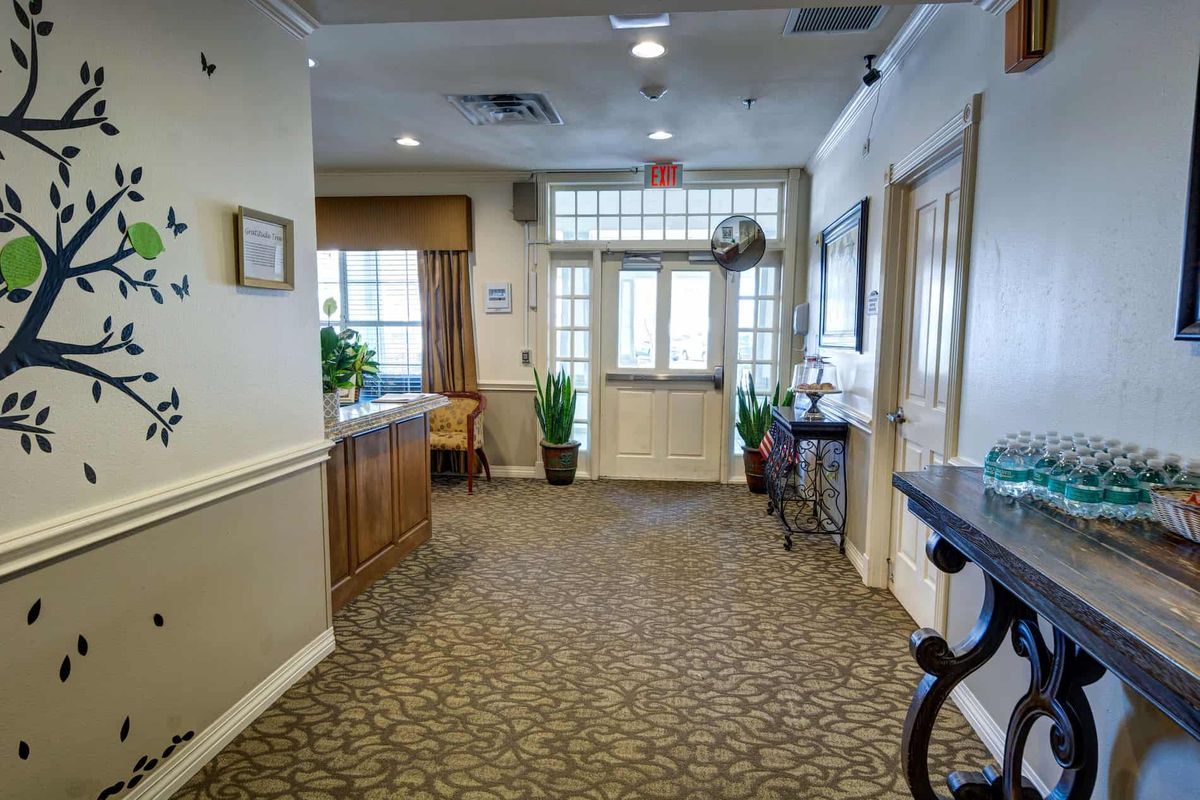
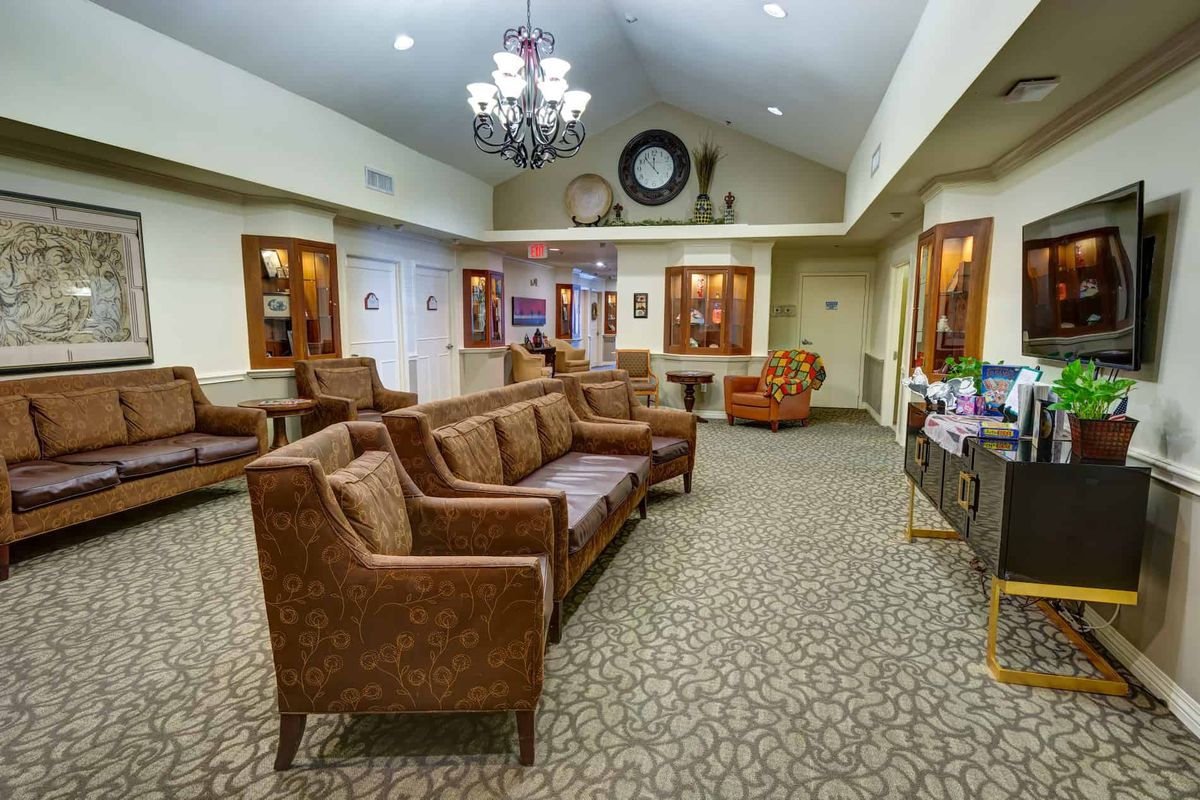
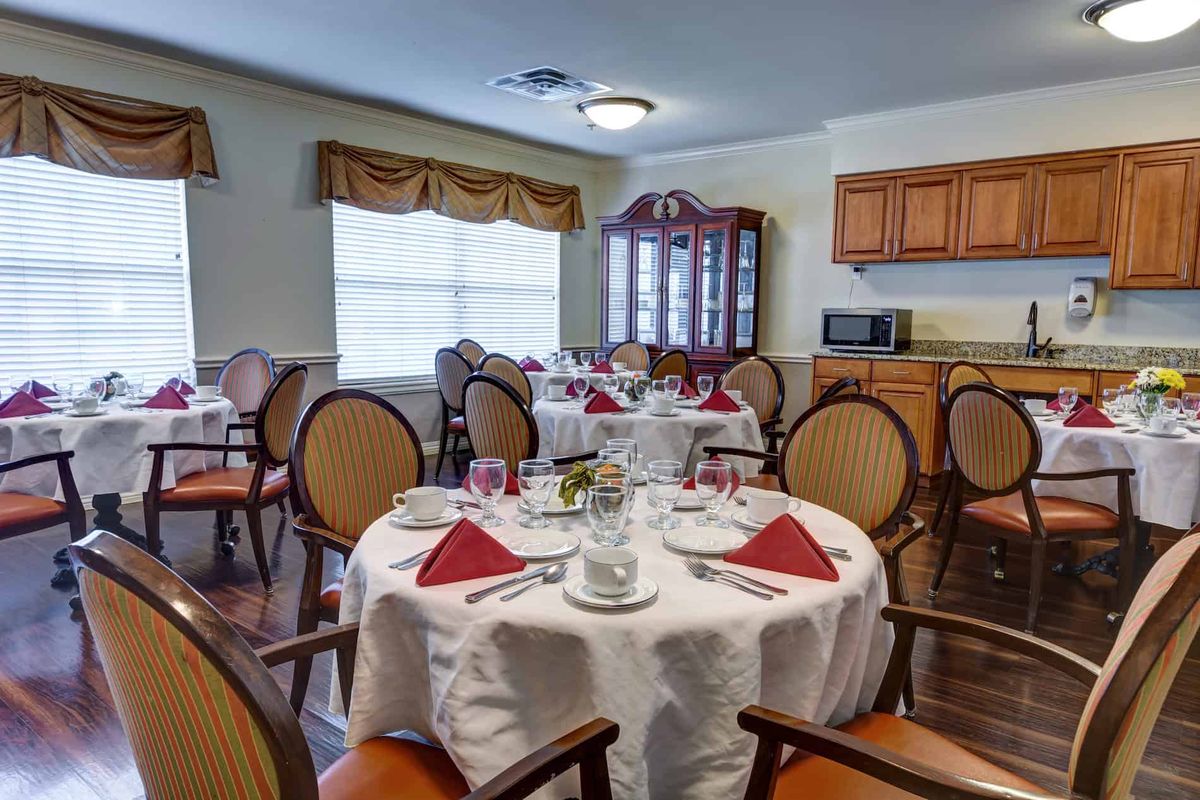
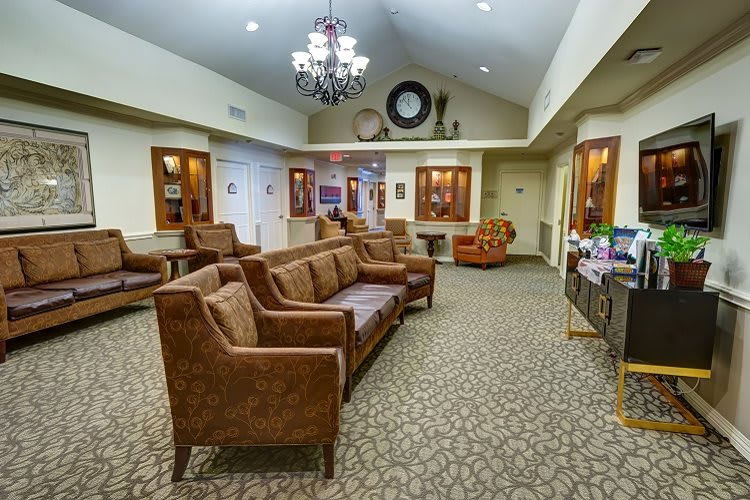
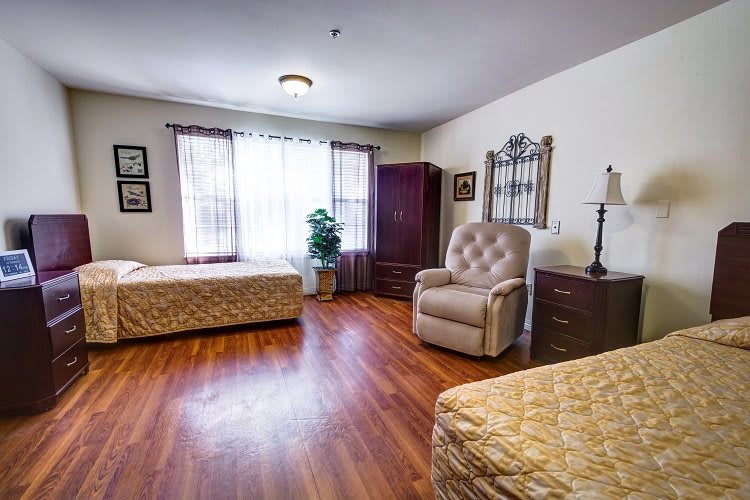
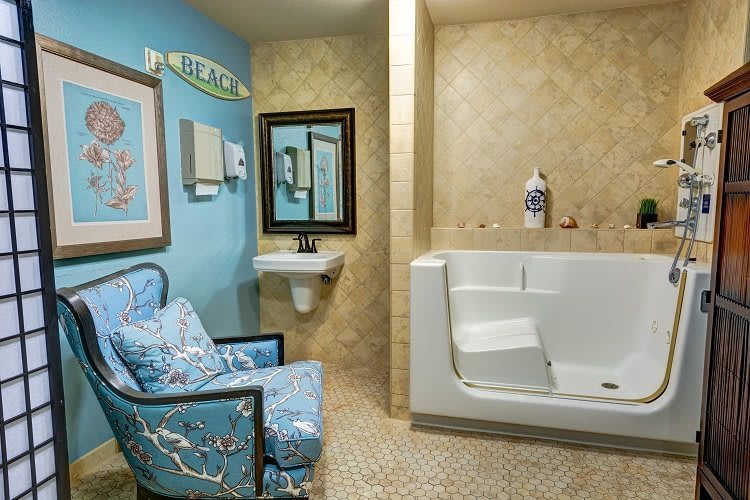
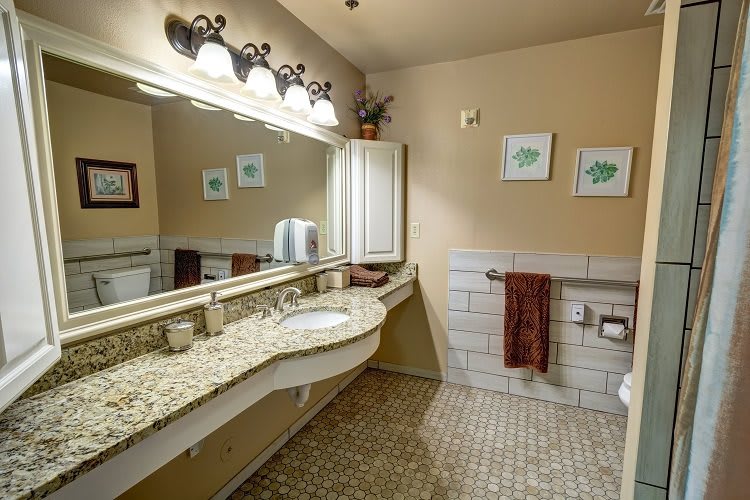
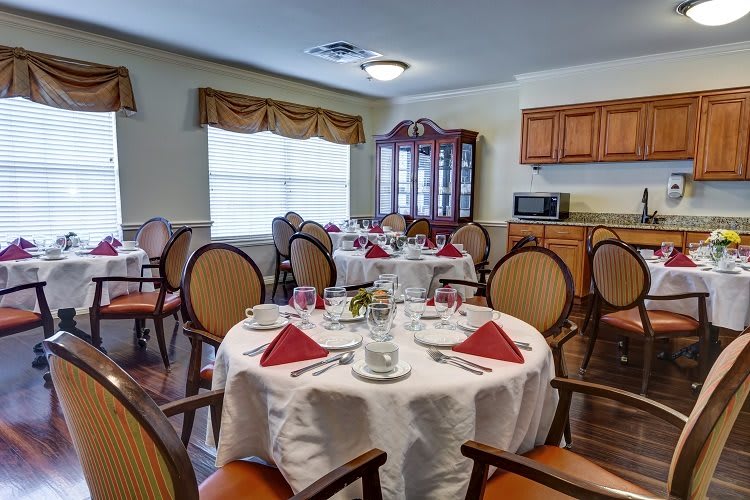
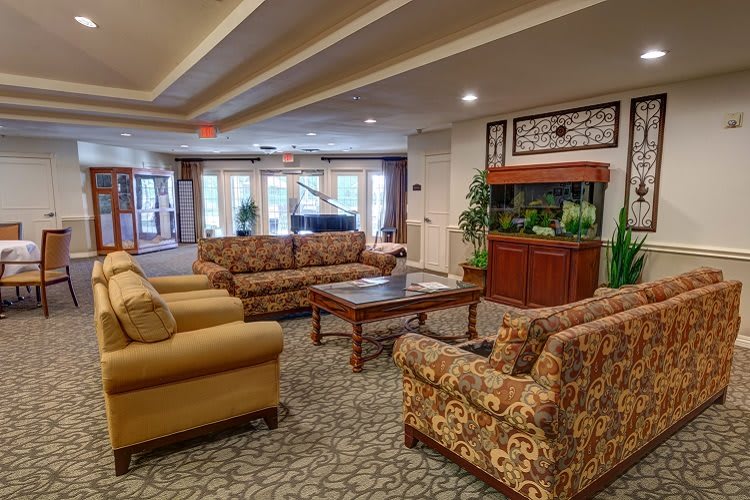
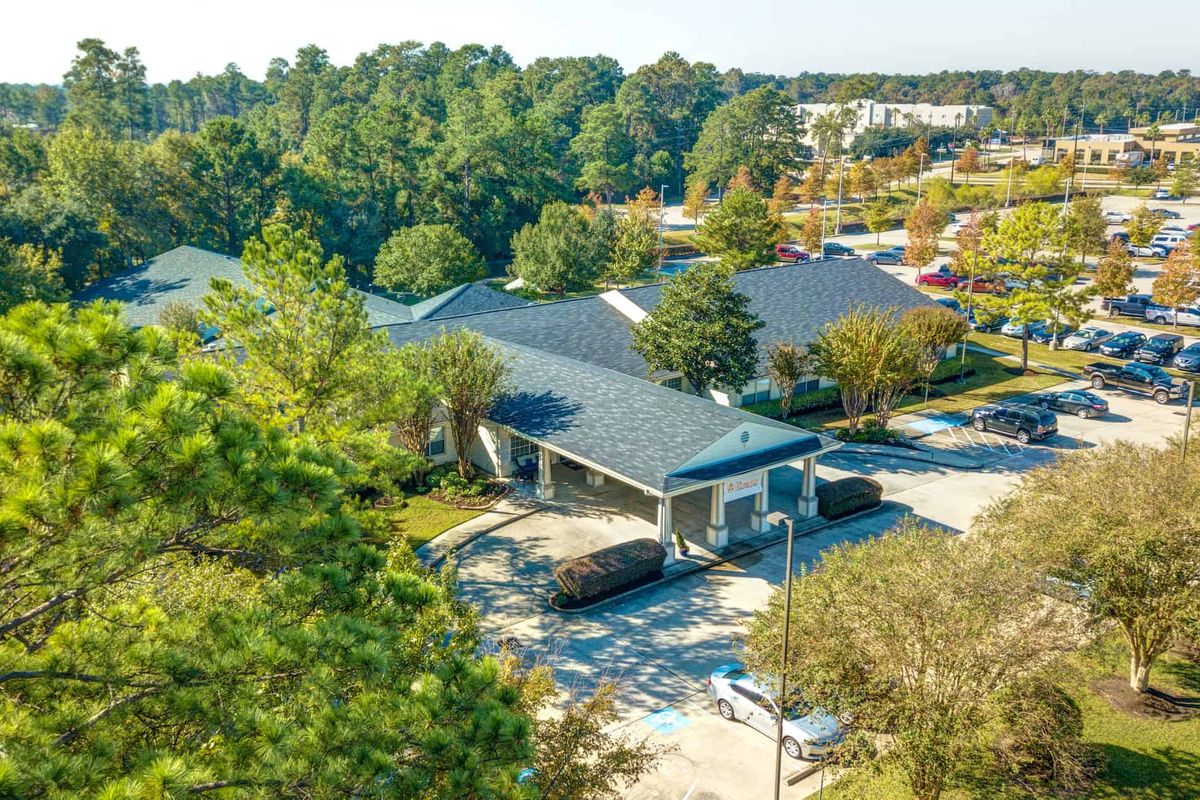
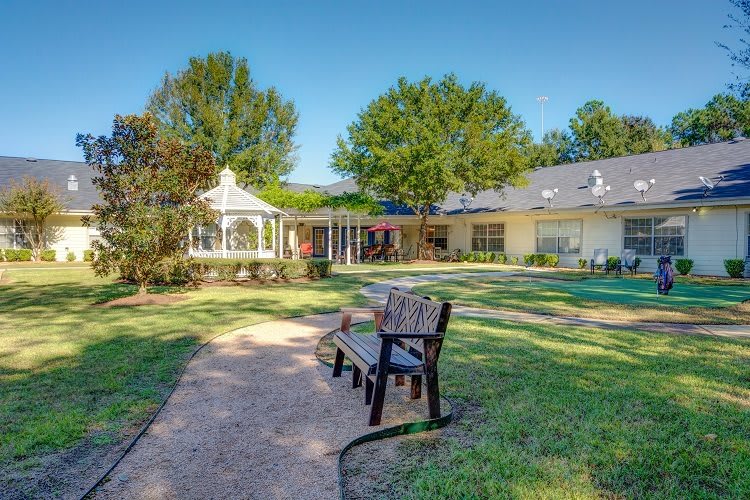
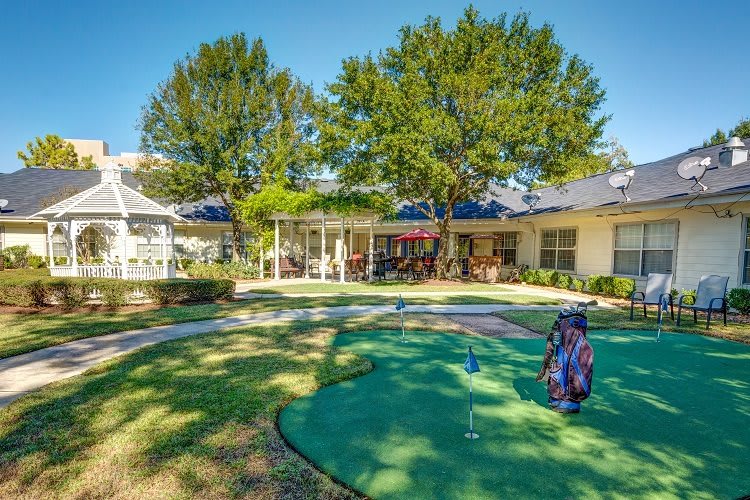
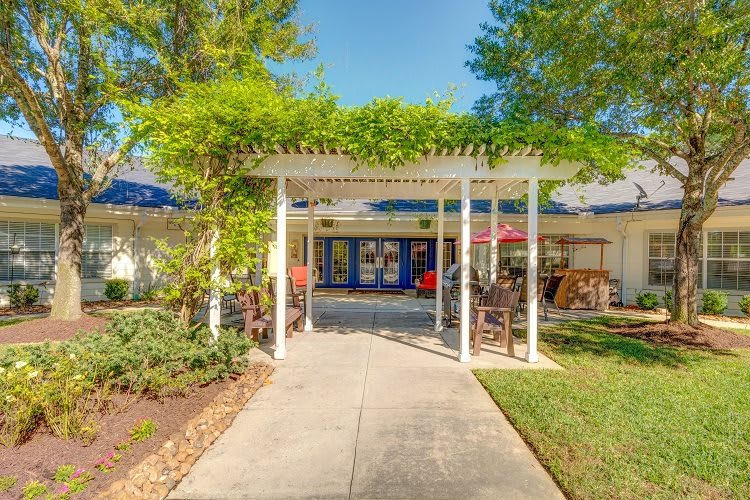
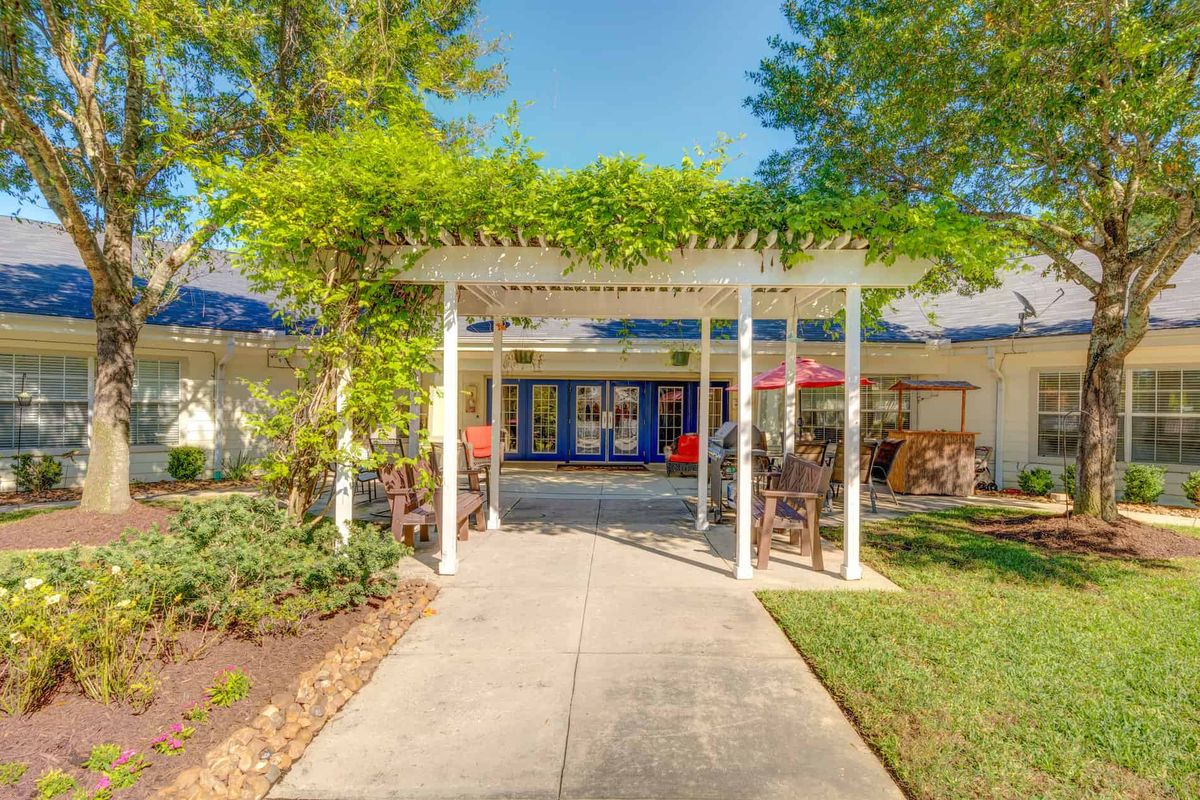
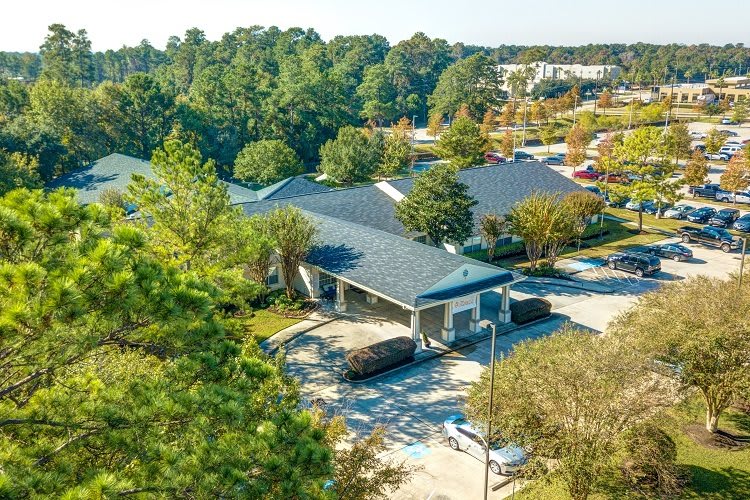
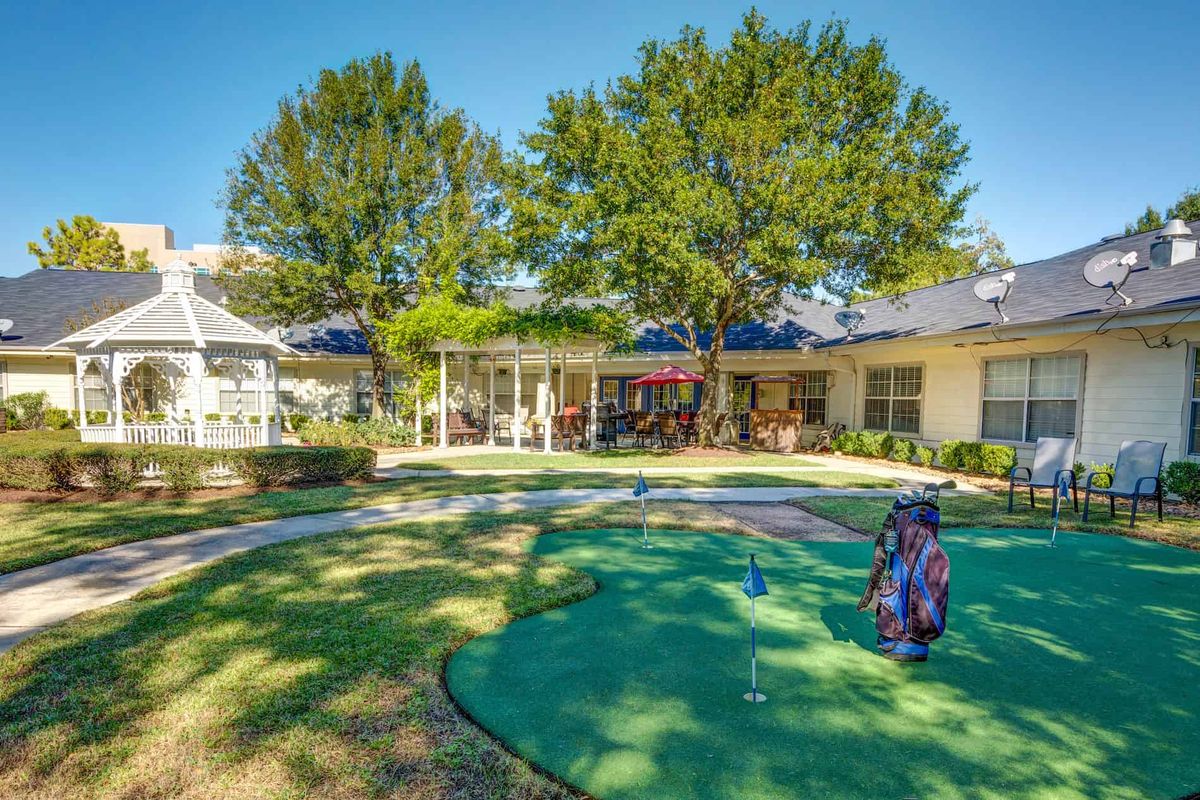
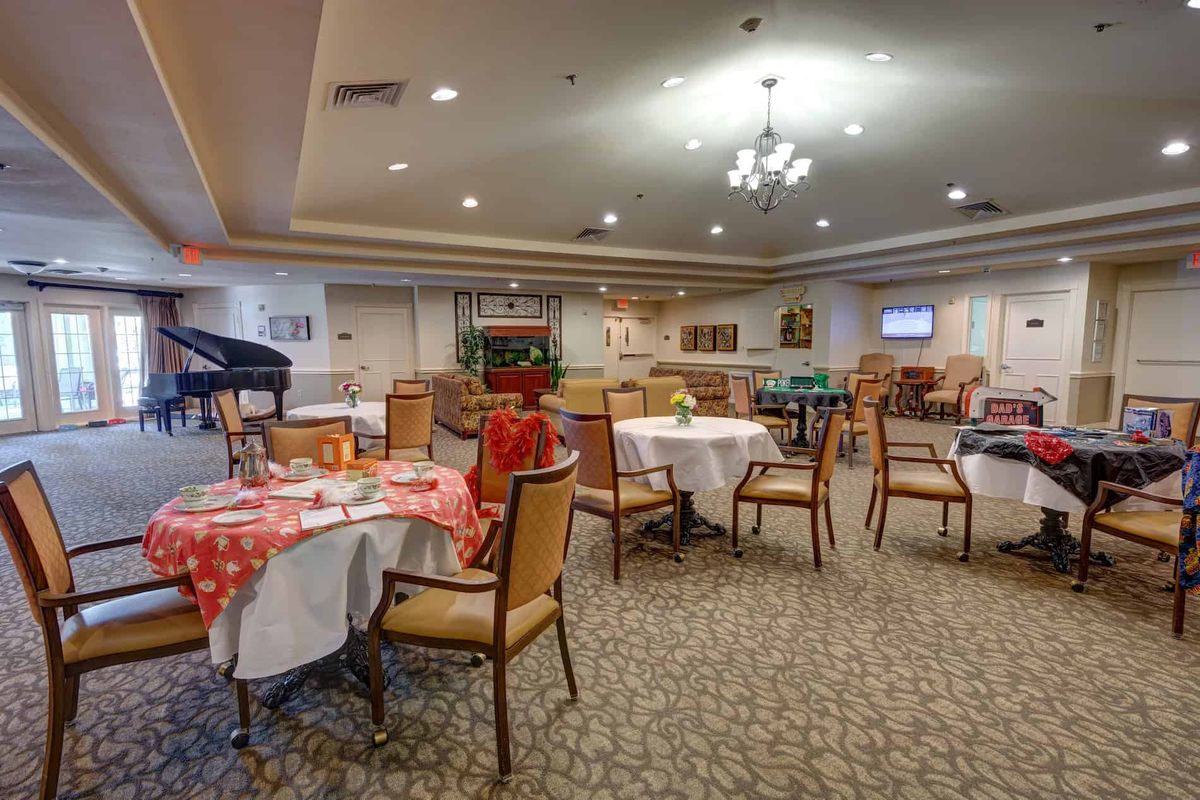
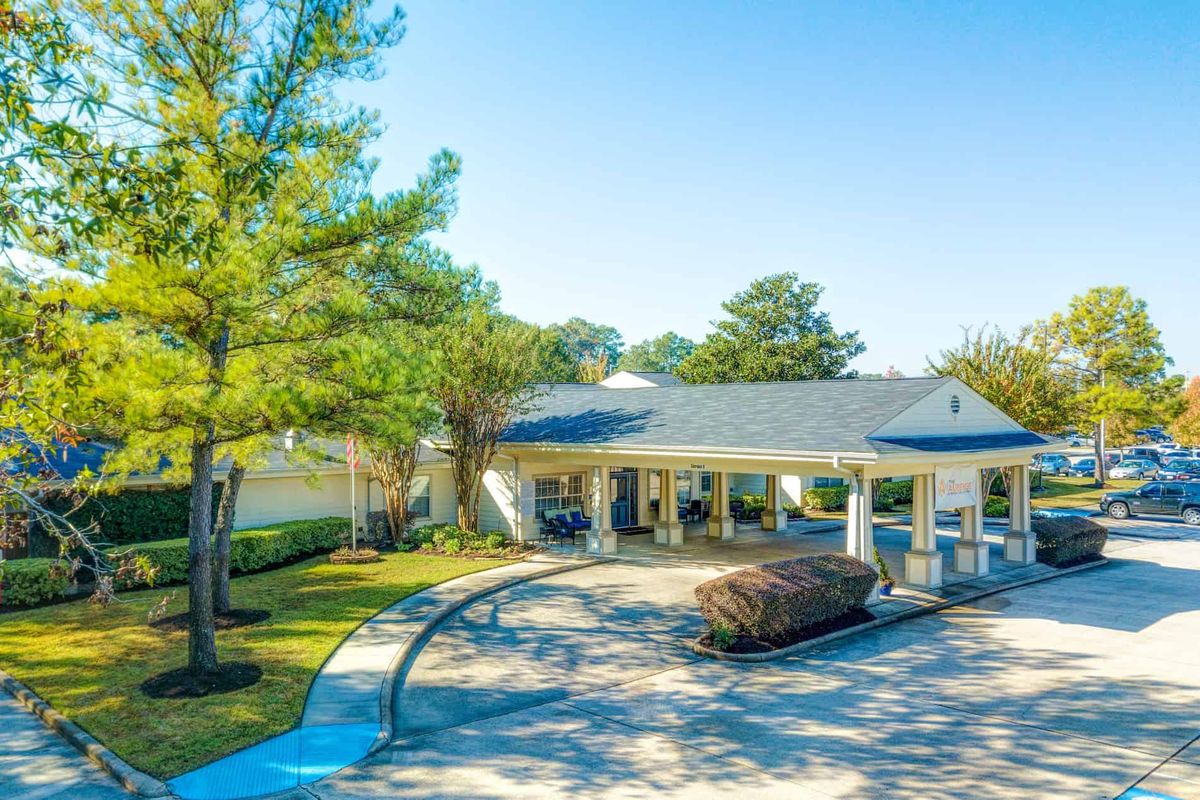
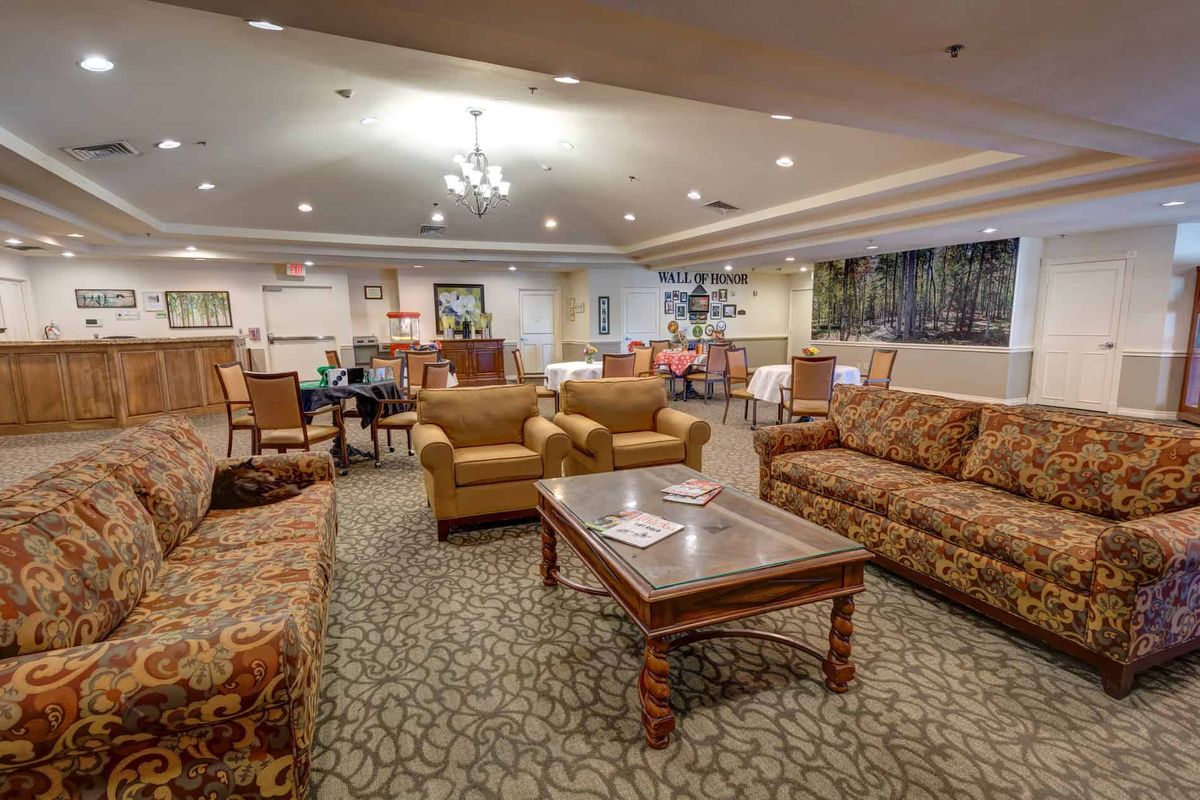
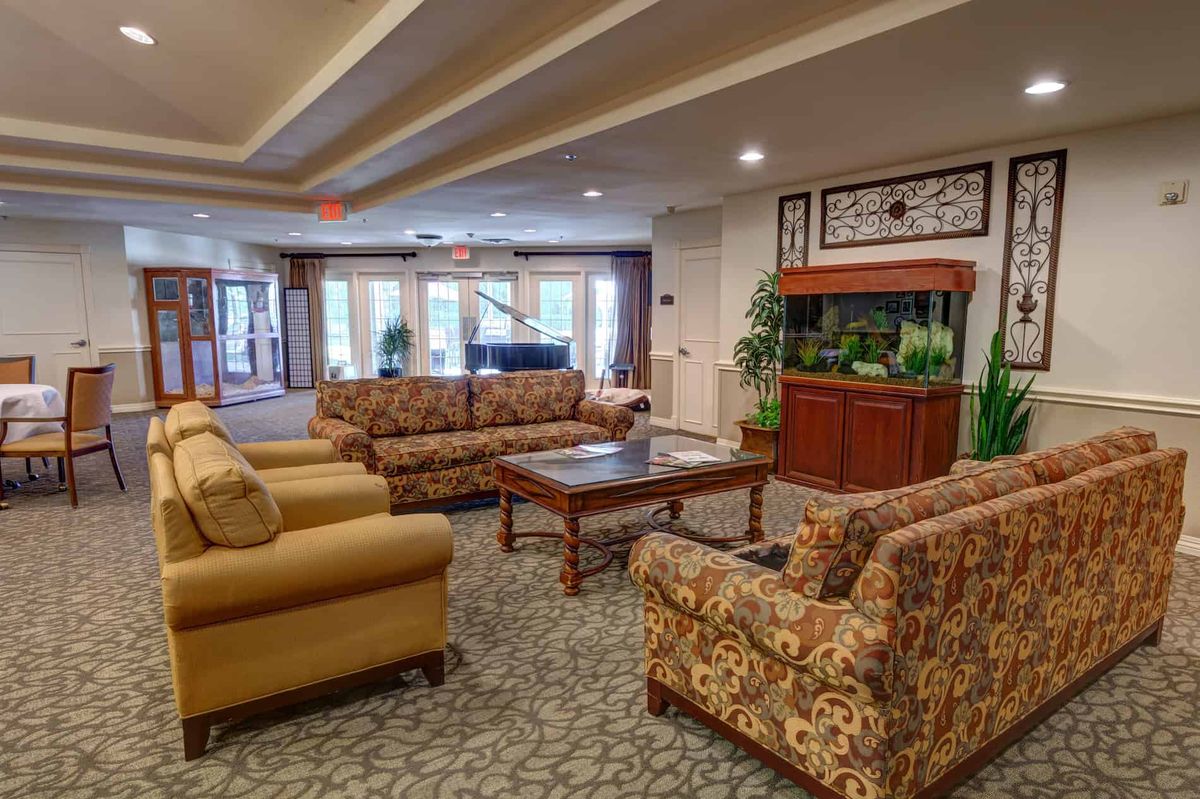
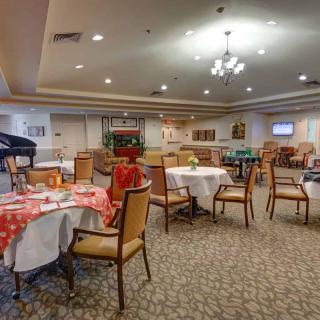
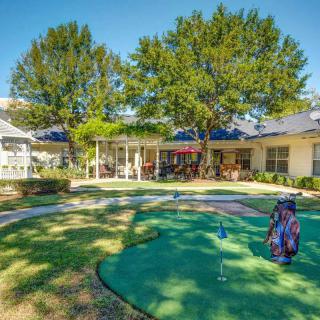
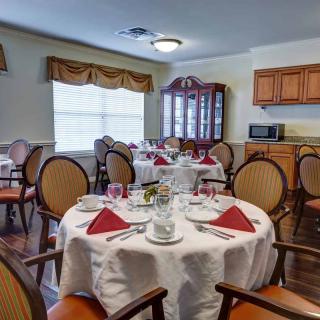
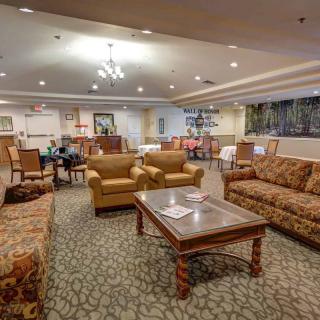
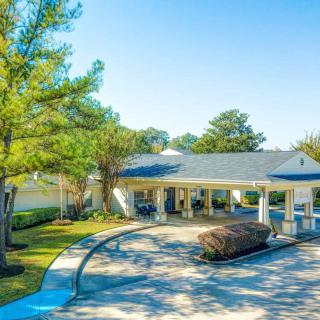
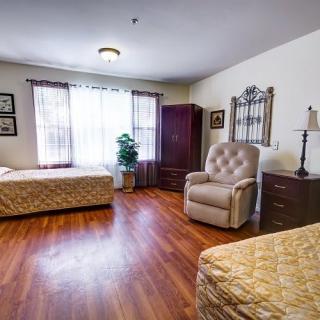
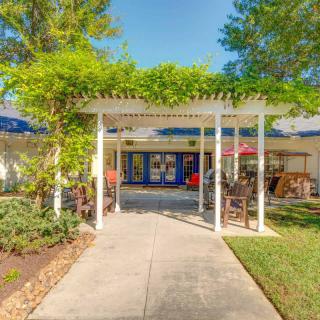
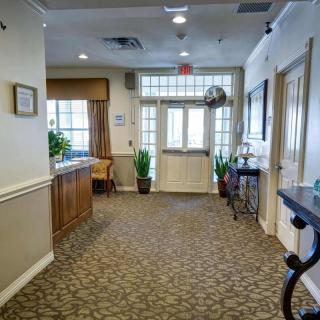
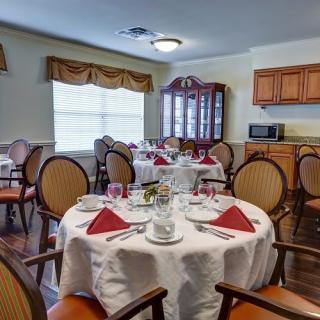
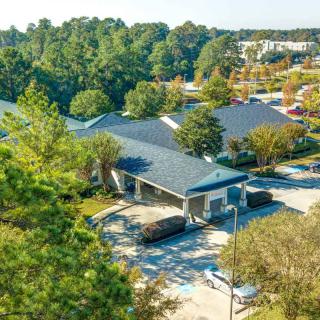
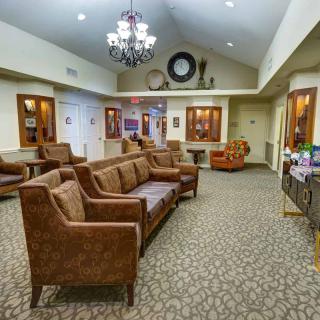
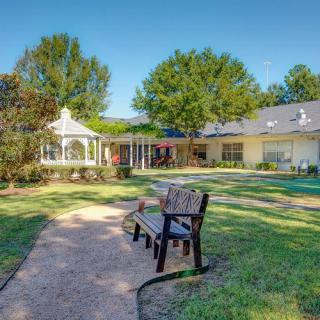
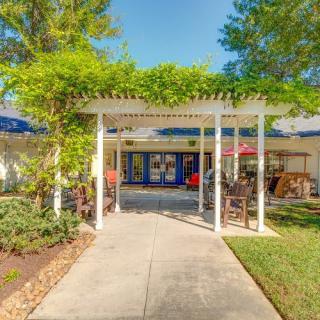
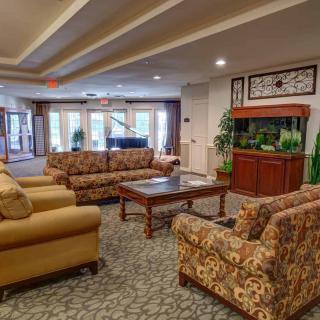
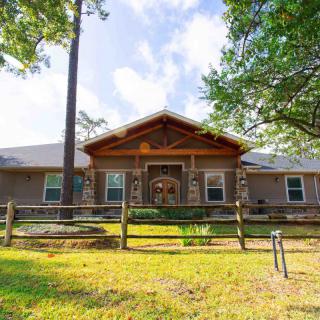
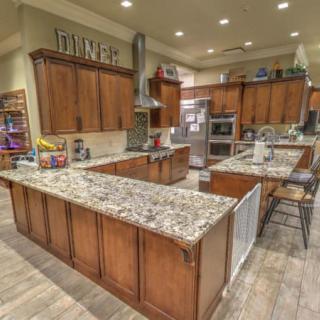
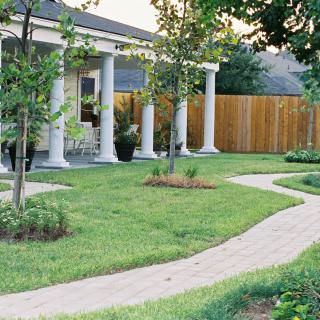
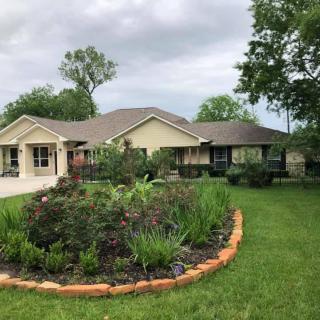
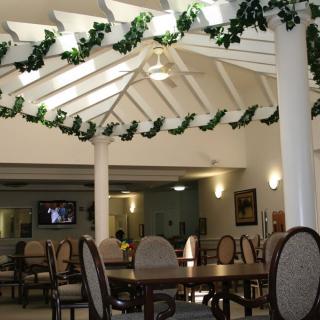
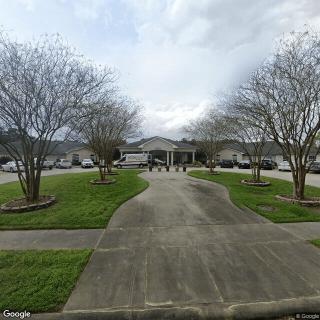
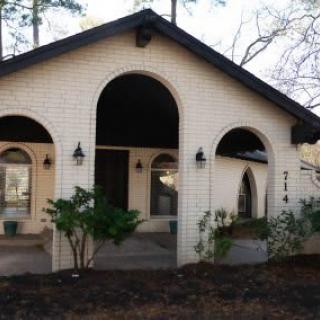
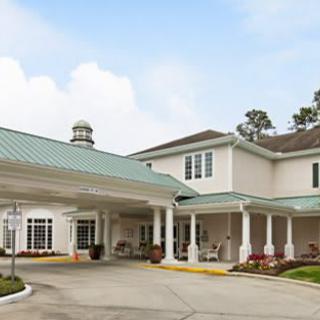
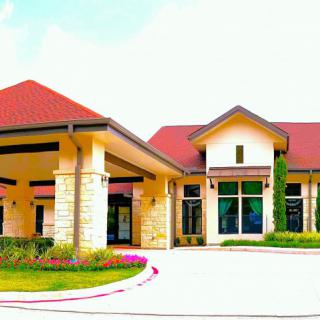
The Auberge at Kingwood on seniors.fyi includes 26 photos including images showing interior, dining, trees, landscaping, lighting, decor, building, garden, and more.
Nearby Communities
Kingwood Memory & Assisted Living
Kingwood, TX
4.8 from 18 reviews
$3,000 to $3,300 / month
Small, intimate community with personalized memory care and competitive pricing.
Holiday Cypress Woods
Kingwood, TX
4.5 from 151 reviews
$2,209 to $2,799 / month
Caring staff and a strong sense of community
Regent Care Center Of Kingwood
Kingwood, TX
3.1 from 76 reviews
$4,727 to $6,252 / month
Clean, well-maintained environment with friendly staff and engaging activities.
Kingwood Cottage
Kingwood, TX
3.9 from 9 reviews
$4,500 to $5,000 / month
Memory-care specialist with comprehensive care services and engaging activities
Reunion Court of Kingwood
Kingwood, TX
4.2 from 184 reviews
$1,875 to $2,695 / month
Friendly staff, good cleanliness, and engaging activities.
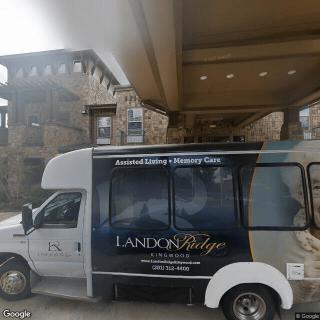
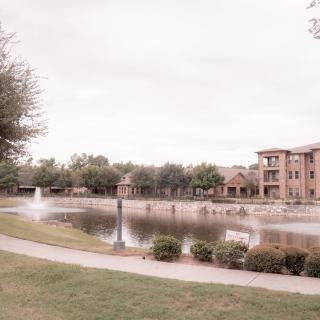
Landon Ridge Kingwood
Kingwood, TX
4.4 from 109 reviews
$2,400 to $4,300 / month
Engaging activities and upscale amenities with caring staff.
Watercrest at Kingwood Garden Village
Kingwood, TX
5 from 23 reviews
$1,825 to $3,700 / month
Vibrant community with extensive amenities and activities.
Village Green Alzheimer'S Care Home I
Kingwood, TX
5 from 23 reviews
$6,500 / month
Beautiful, clean, well-run memory care with attentive staff and engaging activities.
The Bradford Memory Care
Humble, TX
4.9 from 39 reviews
$3,900 to $5,600 / month
Compassionate staff, engaging activities, and restaurant-style dining.
Dementia, influenced by aging and certain medications, may be exacerbated by drug classes such as anticholinergics, benzodiazepines, and antipsychotics, which are associated with cognitive impairment. Regular medication reviews by healthcare professionals are crucial for older adults to manage risks and optimize cognitive health.
Dementia often results in disrupted sleep patterns, leading to excessive daytime sleeping due to factors like brain damage affecting circadian rhythms, medication side effects, and lack of structure in daily activities. Caregivers must monitor these changes closely, as oversleeping can increase risks such as malnutrition or dehydration, and provide necessary support and routines to enhance patient engagement and well-being.
The transition from assisted living to skilled nursing care is often prompted by complex medical needs that assisted living cannot meet, with key indicators including frequent health declines, increased falls, severe memory issues, and caregiver burnout. Families should recognize these signs early to discuss options with healthcare providers and prepare for the emotional and logistical aspects of moving to a facility that offers comprehensive medical support.
Get PricingAsk A QuestionSchedule A TourContact Senior Advisor
By clicking submit, you agree to our Partner's Terms of Use. You
also consent to receive calls and texts, which may be autodialed, from our Partner. Your consent is not a condition to
using our Partner's service. Please visit our Partner's Privacy Policy for information about their privacy practices.


 48 resident community capacity
 Assisted Living
 Memory Care
 Cats allowed
 Dogs allowed
 Activities off-site
 Bath tubs
 Beautician on-site
 Cable or satellite TV
 Devotional services off-site
 Dining room
 Fully furnished
 Garden
 Ground floor units
 Handicap accessible
 Housekeeping services
 Indoor common areas
 Kitchenette
 Move-in coordination
 Outdoor common areas
 Respite or short term stays offered
 Restaurant-style dining
 Small library
 Spa
Spa Telephone
 Wheelchair accessible showers
 Wi-Fi/high-speed internet available
 George Bush Intercontinental (7 miles away)
 24-hour call system
 Ambulatory care
 Assistance with bathing
 Assistance with dressing
 Assistance with transfers
 Diabetes diet
 Diabetic care
 Incontinence care
 Medication management
 Mental wellness program
 Special dietary restrictions
 Transportation arrangement (medical)
 Transportation to doctors appointments
 Art classes
 Cooking classes
 Day trips and outings
 Karaoke
 Live dance or theater performances
 Live musical performances
 Visiting chaplain or priest
 Wine tasting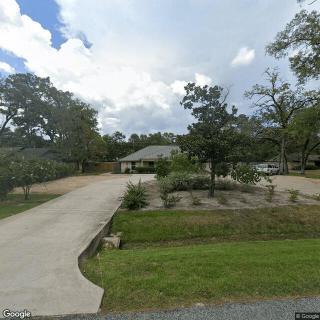
 Small, intimate community with personalized memory care and competitive pricing.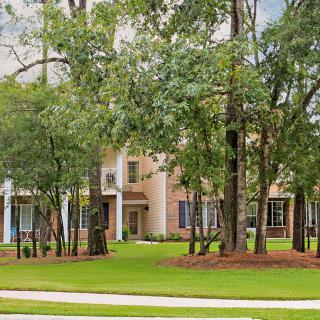
 A Thorough Discussion of Medications Potentially Linked to Dementia Risk
 Why Do Dementia Patients Sleep So Much? Understanding Oversleeping, Stages, and Care Approaches
 8 Key Indicators That Suggest It May Be Time to Transition from Assisted Living to Skilled Nursing Care