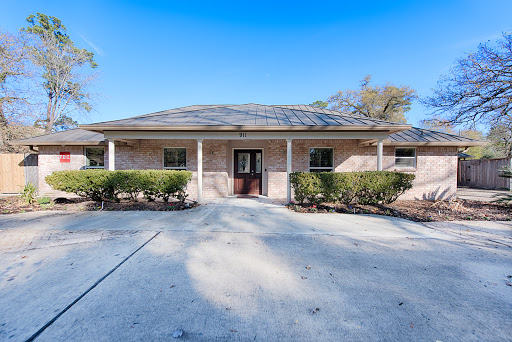
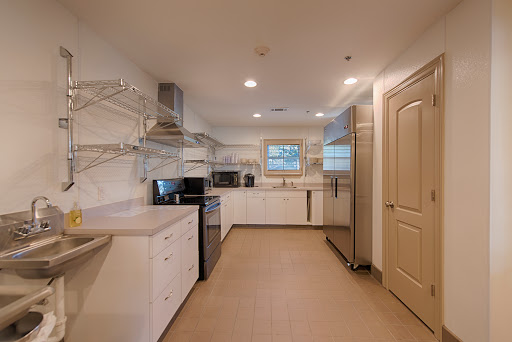
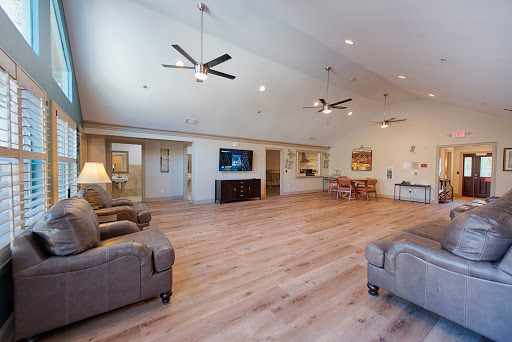

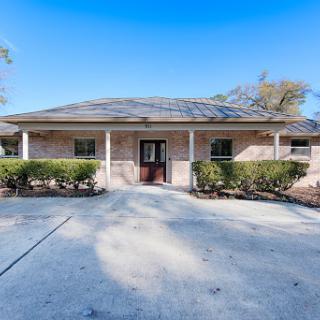
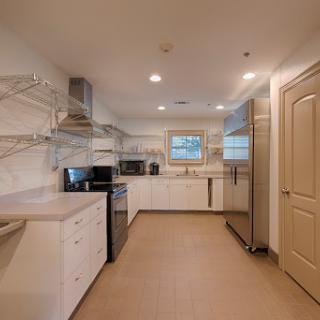
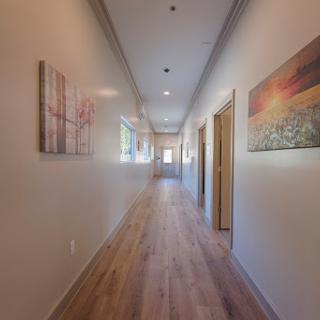
911 Southern Hills Road, Kingwood, TX 77339
For more information about senior living options: (866) 208-4318
Kingwood Memory & Assisted Living Costs & Pricing
Kingwood Memory & Assisted Living offers competitive pricing for its memory and assisted living services, particularly when compared to both Montgomery County and the broader Texas market. For a semi-private room, residents pay $3,000 per month, which is notably lower than the county average of $3,664 and the state average of $3,680. Similarly, for private rooms priced at $3,300, Kingwood remains an attractive option against the county's average of $4,177 and the state's average of $4,096. This cost-effective approach makes Kingwood an appealing choice for families seeking quality care in a supportive environment while also being mindful of their budget.
| Floor plans | Kingwood Memory & Assisted Living | Montgomery County | Texas |
|---|---|---|---|
| Semi-Private | $3,000 | $3,664 | $3,680 |
| Private | $3,300 | $4,177 | $4,096 |
Memory care communities with a similar price nearby
-
from +$450 / mo

Cypress Assisted Living- Drake Prairie Lane
$3,450 / month23.6 miles away -
from +$500 / mo
Houston - Arad Senior Care 1
$3,500 / month22.3 miles away -
from -$200 / mo
Atascocita Senior Care Home, Inc
$2,800 to $3,450 / month5.2 miles away -
from -$500 / mo
Northgate Assisted Living
$2,500 to $3,000 / month14.0 miles away -
from +$300 / mo
Countryside Manor Assisted Living
$3,300 to $4,300 / month23.8 miles away
Overall Review of Kingwood Memory & Assisted Living
Pros
 The care at Kingwood Memory Care is described as compassionate and family-like.
- Pat Cartwright and the staff are consistently caring, attentive, and accessible for guidance.
- Residents feel at home thanks to the warm, loving engagement of the caregivers.
- The facility is spotless and well maintained, with a clean, inviting environment.
- Meals are home-cooked and shared together, creating a homey dining experience.
- The staff maintain personal relationships with residents thanks to low turnover.
- Families feel grateful and trust the care provided to their loved ones.
- End-of-life care is delivered with dignity, love, and dedicated family support.
- The environment encourages socialization and joy through activities and interaction.
- Pat Cartwright is described as a compassionate leader, and the staff are praised for their dedication.
Cons
 The facility has gone downhill tremendously, with only a few good caregivers left and the owner and director allegedly covering up numerous issues.
- The reviewer says residents are not safe there and would never recommend the home to anyone.
- They claim the care is a paycheck-driven operation and not what someone in end-of-life should have to endure.
- The reviewer notes that some employees are allowed to treat other employees and residents horribly.
- The facility should be shut down due to these ongoing problems.
Review
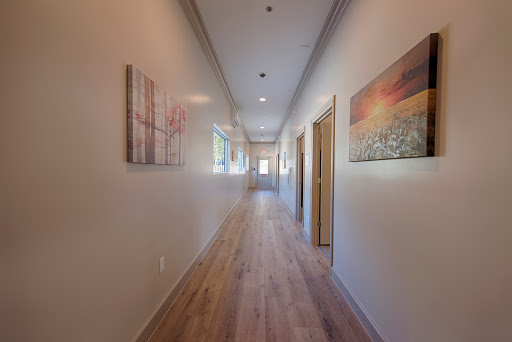
Kingwood Memory & Assisted Living is best suited for families seeking a small, intimate setting where memory care and assisted living feel like a familial home rather than a clinical facility. This community excels when residents require close, individualized attention, constant warmth, and daily interaction in a calm, home-like environment. The standout asset is Pat Cartwright, whose leadership threads through every interaction, fostering a culture of genuine care. The facility’s compact footprint makes it possible for staff to know residents personally, respond quickly to needs, and maintain high cleanliness standards. For families prioritizing heart-forward care, consistent staff relationships, and visible affection from caregivers, this is a compelling match.
Those weighing alternatives should consider size, scope, and cost. If a family needs a larger campus with broader medical staffing, more formal clinical programming, or aggressive care plans, other communities in Kingwood may be more appropriate. The same applies to families on tighter budgets who worry about price versus depth of services; the strong sense of care here often comes with a premium, and families should verify what level of medical oversight is included. Additionally, for residents with advanced medical needs, complex wound care, or aggressive behavioral challenges requiring intensive supervision, other facilities with robust clinical teams could be more suitable. The right choice hinges on balancing intimate, individualized attention with the exacting clinical support required.
The core pros here, compassionate, steady caregiving; low staff turnover; and a truly home-like atmosphere, largely offset practical drawbacks. Reviews consistently praise staff engagement, warmth, and the sense that residents are treated as family. The dining experience feels communal and homelike, with home-cooked meals and group meals that reinforce social connection. Cleanliness and a lack of intrusive odors stand out, reinforcing a sense of dignity and comfort. The small size translates into frequent, meaningful interactions and the opportunity for families to visit at nearly any time and see their loved ones in a familiar, relaxed setting. These benefits collectively address the loneliness, confusion, and isolation common in memory care, making daily life feel purposeful rather than transactional.
Yet one persistent caution cannot be ignored: a minority of feedback raises questions about management and safety philosophy. A strongly critical review describes a perceived decline in care quality and concerns about how certain staff and leadership interact with residents and employees. While this view is not echoed by the majority of the experiences shared, it underscores the importance of due diligence. Prospective families should verify governance transparency, request recent staffing metrics, and ask direct questions about incident reporting, training standards, and how conflicts are resolved. The facility’s strength, personalized attention, depends on consistent leadership and reliable processes; confirming those elements is essential before choosing Kingwood Memory & Assisted Living.
In practical terms, this community makes the most sense for a resident with memory impairment who thrives on familiarity, social engagement, and the reassurance of a tightly knit care team. It is less compelling for families prioritizing extensive on-site clinical services, aggressive medical interventions, or a budget-conscious option. To decide confidently, families should schedule a visit, observe the rhythm of daily life, and engage directly with Pat and the caregiving team. Questions to prioritize include staff-to-resident ratios across shifts, how medication management is handled, and where end-of-life planning or hospice collaboration fits into the care plan. Observe for cleanliness, smells, and the overall tone in common areas; these cues often reflect underlying routines and morale.
Ultimately, Kingwood Memory & Assisted Living stands out for its heartfelt, family-first approach in a compact, meticulously cared-for setting. It rewards families who value warmth, continuity, and visible affection from caregivers, delivering a sense of security that loved ones are known and cherished. For those who can align with the price level and the model of size-driven attentiveness, it is a strong, decision-ready option. For others, especially those needing broader clinical resources or different financial considerations, exploring alternatives with more formal medical oversight or larger facilities will help ensure the care plan matches both current needs and future contingencies. The choice hinges on balancing the power of a caring, community-oriented environment against the specific clinical and economic realities of the loved one’s situation.
 16 resident community capacity
 Assisted Living
 Board and Care Home
 Memory Care
 Activities off-site
 Beautician on-site
 Cable or satellite TV
 Devotional services off-site
 Dining room
 Fully furnished
 Garden
 Housekeeping services
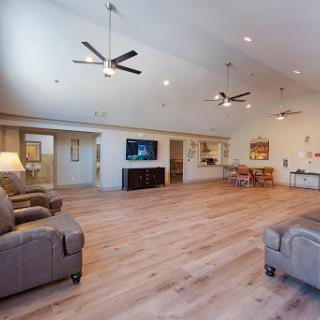
 Indoor common areas
 Move-in coordination
 Outdoor common areas
 Private
 Respite or short term stays offered
 Telephone
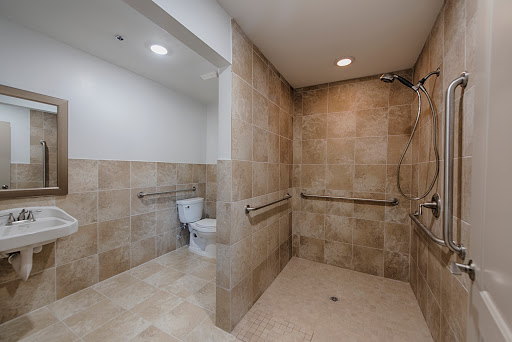
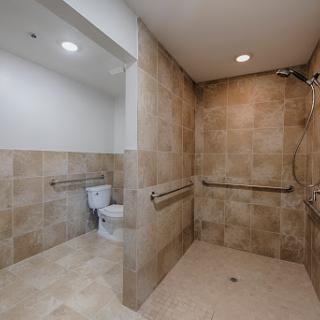
 Wheelchair accessible showers
 Wi-Fi/high-speed internet available
 George Bush Intercontinental (7 miles away)
 24-hour supervision
 Assistance with bathing
 Assistance with dressing
 Assistance with transfers
 Diabetes diet
 Diabetic care
 High acuity care
 Hospice waiver
 Incontinence care
 Meal preparation and service
 Medication management
 Mental wellness program
 Special dietary restrictions
 Transportation arrangement (medical)
 Transportation to doctors appointments



 When to Transition from Assisted Living to Memory Care: Key Indicators, Steps, and Finding the Right Community
 Understanding the Distinctions: Assisted Living and Memory Care Explained
 How to Communicate with a Loved One Living with Dementia: 10 Supportive Strategies