
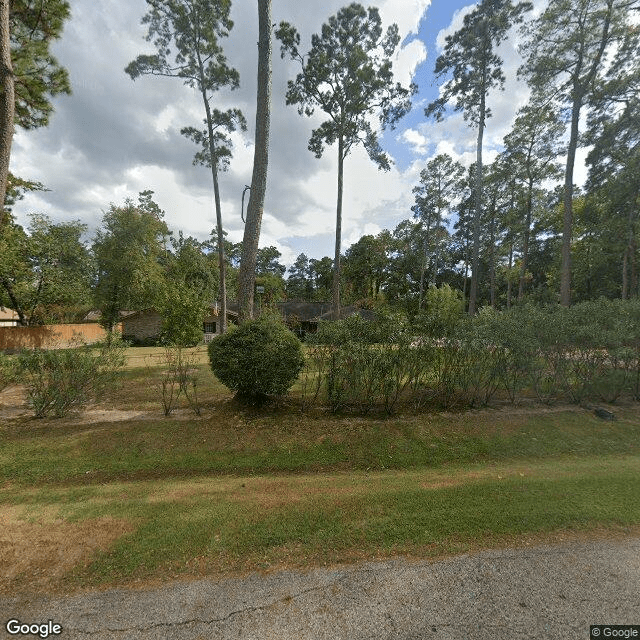
1210 Masters Way, Humble, TX 77339
For more information about senior living options: (866) 208-4318
Houston Extended Care Costs & Pricing
Houston Extended Care offers semi-private rooms at a monthly cost of $4,500, which is notably higher than the average rates in both Montgomery County and the broader Texas state, where costs are approximately $3,664 and $3,680 respectively. For those seeking greater privacy, the private room rate at Houston Extended Care is set at $5,500, again exceeding the local county average of $4,177 and the state level of $4,096. While these prices reflect a premium associated with the quality of care and amenities provided at Houston Extended Care, prospective residents and their families should weigh these costs against their specific needs and expectations for care.
| Floor plans | Houston Extended Care | Montgomery County | Texas |
|---|---|---|---|
| Semi-Private | $4,500 | $3,664 | $3,680 |
| Private | $5,500 | $4,177 | $4,096 |
Assisted Living communities with a similar price nearby
-
from +$500 / mo
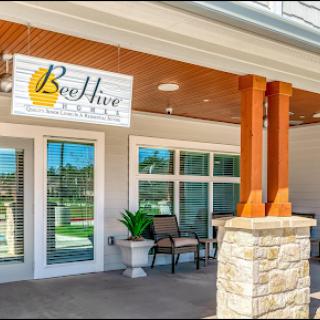
Beehive Homes of Spring
$5,000 / month13.7 miles away -
About the same
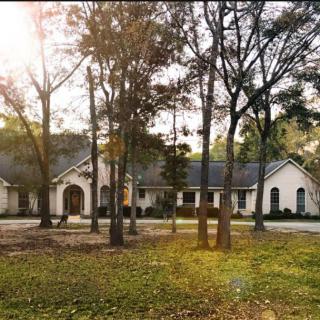
Assisted Living Of Sendera Ranch
$4,500 to $5,000 / month22.9 miles away -
from -$500 / mo
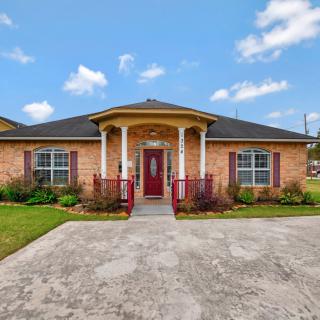
Homebridge Care
$4,000 to $5,000 / month10.3 miles away -
from -$700 / mo
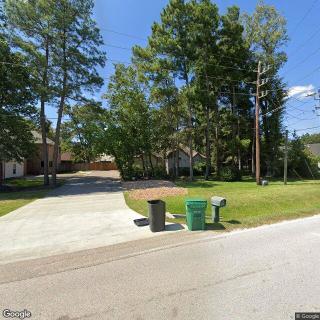
Acorn Manor Assisted Living
$3,800 to $4,800 / month14.2 miles away -
from -$600 / mo

The Bradford Memory Care
$3,900 to $5,600 / month4.6 miles away
Overall Review of Houston Extended Care
Pros
 The staff are consistently caring, patient, and kind.
- The care provided is exceptional and personalized for each resident.
- The facility is spotless, clean, and well maintained.
- The home feels like a warm, loving, home-like environment.
- Management is communicative, professional, and attentive.
- Families experience peace of mind knowing their loved ones are well cared for.
- Meals are delicious and dining is a positive part of the day.
- The staff respond quickly to call buttons and medication times, ensuring safety.
Cons
 One reviewer would absolutely not put a loved one in this place, claiming it isn’t what it appears to be.
Review
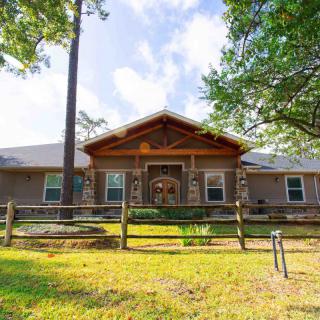
Houston Extended Care in Humble, TX is best suited for seniors who need consistent, full-time assistance in a small, home-like setting. This community shines for families seeking intimate, highly personalized care where residents receive substantial staff attention and a warm, family-centered atmosphere. With a cap around 12 residents, it functions more like a private care home than a sprawling campus, and that configuration yields remarkably visible continuity: long-tenured caregivers, a steady management team, and a culture of hands-on, neighborly support. For families prioritizing daily kindness, reliable supervision, and a home environment over institutional grandeur, this is a standout option.
Alternatives become worth considering for residents with higher medical acuity or broader service needs. If a loved one requires extensive on-site medical oversight, highly specialized memory care, or a larger, more structured activity calendar, a bigger facility may better meet those demands. Some reviewers have expressed concern that the intimate setting may not align with every resident’s care trajectory, and a few families may prefer more formalized programs or more expansive social opportunities. In short, the strength here is personal attention; when medical complexity or sheer scale matters more, other options deserve consideration.
The strongest pros, exceptional staff engagement, attentive management, and a consistently clean, welcoming environment, do a compelling job of offsetting the largest drawbacks of the small-scale model. The high staff-to-resident ratio translates into quick responses to call bells, careful monitoring of medications, and the ability to tailor routines to individual needs. Families repeatedly note the warmth and professionalism of caregivers, the meticulous housekeeping, and the home-like dining and interaction that encourage community participation. Management is described as communicative and transparent, which reduces uncertainty for families navigating care transitions. These elements collectively defend the value proposition when seeking peace of mind.
On balance, the care quality is corroborated by multiple families who speak of long-term satisfaction and genuine gratitude for the level of kindness and competence displayed by staff. The facility’s cleanliness, the quality and customization of meals, and the visible dedication of caregivers emerge as recurring strengths. For residents who thrive in a calm, predictable routine and benefit from consistent caregiver relationships, the experience aligns closely with expectations. The practical reality is that this setting delivers remarkable day-to-day reliability, with residents commonly presented as fed, groomed, engaged, and well-supported in a manner that larger, more anonymous campuses often struggle to replicate.
A practical decision framework helps families decide: assess the resident’s current and forecasted care needs, especially around medical supervision and memory-related support. Schedule a firsthand visit to observe staffing levels during mealtime and activities, verify medication management practices, and evaluate how staff interact with the resident’s specific preferences and routines. Ask about emergency escalation, hospice or palliative coordination, and how transitions to higher levels of care would be handled. Consider the value of the intimate environment against the potential limits on grooming, therapy variety, and social programming. Costs are described as reasonable for the services provided, which strengthens the case for the right fit.
The verdict is clear. Houston Extended Care is a compelling choice for families seeking a warm, attentive, and intimate personal care home that treats residents like a beloved family member. Its blend of small size, dedicated staff, strong management, and consistently high care standards creates a durable sense of security. It is less suited for those who need a broad campus with extensive on-site medical specialties or expansive, highly structured activity programming. For families prioritizing individualized attention, predictable routines, and a genuinely home-like feel, this community stands out as a prudent, practical recommendation.
 14 resident community capacity
 Assisted Living
 Board and Care Home
 Activities on-site
 Beautician on-site
 Cable or satellite TV
 Dining room
 Fully furnished
 Garden
 Housekeeping services
 Move-in coordination
 Outdoor common areas
 Private
 Private bathrooms
 Telephone
 Wheelchair accessible showers
 Wi-Fi/high-speed internet available
 George Bush Intercontinental (8 miles away)
 24-hour supervision
 Ambulatory care
 Assistance with bathing
 Assistance with dressing
 Assistance with transfers
 Diabetes diet
 Diabetic care
 High acuity care
 Incontinence care
 Meal preparation and service
 Medication management
 Special dietary restrictions
 Transportation arrangement (medical)
 Transportation to doctors appointments
 Art classes
 Birthday parties
 Live musical performances
 Understanding the True Cost of Assisted Living in 2025: A Comprehensive Guide
 Understanding Medicaid Coverage for Assisted Living: A Comprehensive Guide
 How and When Medicaid May Cover Assisted Living Costs