
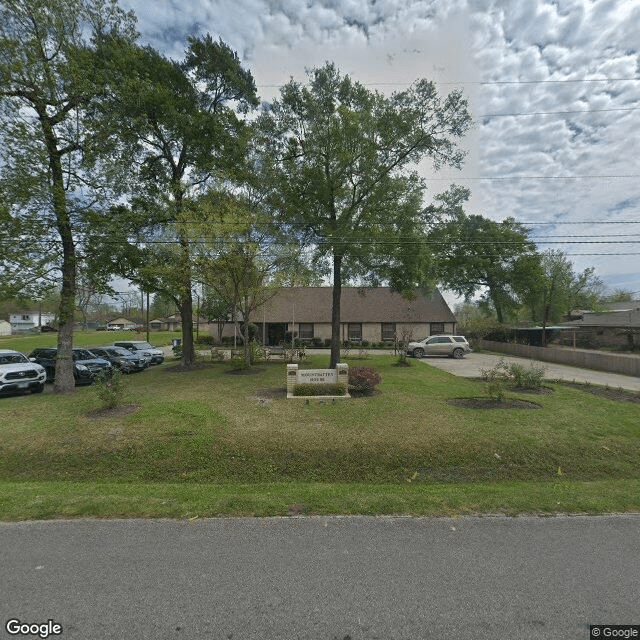
213 Maple Street, Highlands, TX 77562
For more information about senior living options: (866) 208-4318
Mountbatten House Costs & Pricing
Mountbatten House presents a competitive pricing structure for its studio units, with a monthly cost of $1,500. This stands in stark contrast to the average costs in Harris County, which are significantly higher at $4,021 per month. Similarly, the state of Texas reflects an elevated average of $3,758 for comparable accommodations. The affordability of Mountbatten House not only makes it an attractive option for potential residents but also positions it as a value-driven choice in the larger context of local and state housing markets. This advantageous pricing could appeal to those seeking quality living arrangements without the burden of excessive financial strain.
| Floor plans | Mountbatten House | Harris County | Texas |
|---|---|---|---|
| Studio | $1,500 | $4,021 | $3,758 |
Assisted Living communities with a similar price nearby
-
from +$120 / mo

The Forum at Memorial Woods
$1,620 to $3,725 / month23.9 miles away -
from -$110 / mo

St. Dominic Village
$1,390 to $2,010 / month20.8 miles away -
from -$235 / mo
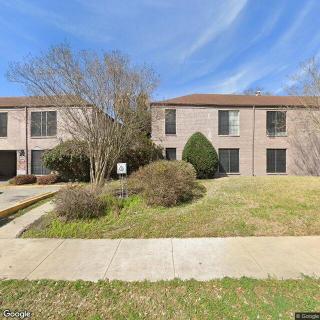
Khs Hospitality LLC
$1,265 to $1,650 / month14.8 miles away -
from +$250 / mo

Crimson Heights
$1,750 to $3,500 / month18.1 miles away -
from +$200 / mo

Pine Tree Assisted Living
$1,700 / month11.8 miles away
Overall Review of Mountbatten House
Pros
 Mountbatten House is an amazing place for loved ones, where residents are cared for and feel like family.
- The staff are kind and caring, making residents feel loved and at home.
- The management team is highly regarded, and events feature delicious food and thoughtful gifts.
- The staff provide amazing care and love, making the home feel like a real home.
- The facility is clean, cozy, and decorated to reflect residents’ personalities, giving it a personalized feel.
- Mountbatten House is a nonprofit with affordable, transparent pricing and no hidden fees.
- Families see Mountbatten House as a great fit—smaller, homelike, with engaging activities and affordable pricing.
- Residents are treated with love and respect, with staff forming bonds as if family.
Cons
 They claim the DBE allowed a mother-daughter leadership tag team to run off good staff and treat them less than human, indicating bad management.
 - They state there is a large turnover of staff caused by bad management.
- They argue a complete overhaul and turnover of leadership is necessary.
- They feel it’s not about the residents anymore but about egos and wages.
- They found Mountbatten House too small and too close to a major road, and not impressive in appearance.
Review
Mountbatten House in Highlands, TX is best suited for seniors who want a small, home-like, budget-conscious assisted living where staff know residents well and care is delivered with a family-first ethos. It works especially for those with moderate care needs who don’t require extensive medical complexity, and for families that prize personalized attention, continuity of relationships, and a warm, intimate atmosphere over shiny campus amenities. Private bedrooms are available, but residents share a restroom, reinforcing a village-like feel rather than a clinical setting. The decor embraces a personal touch and unique British-inspired charm, while everyday life emphasizes engagement, games, crafts, and social visits, that anchor residents in a familiar daily rhythm. This combination of low-key comfort and visible staff warmth makes Mountbatten House a compelling option for households prioritizing belonging and affordability.
Anyone weighing this community against alternatives should consider that it may not be the best fit for those with high-acuity medical needs or a strong preference for large, highly structured campuses or specialized memory-care programs. A critical note from one review points to concerns about leadership stability and staff turnover, suggesting that take-away: governance and consistency matter. For families seeking a facility with a robust clinical infrastructure, abundant on-site nursing oversight, or a sprawling calendar of highly specialized activities, other options may offer more predictability. Those who insist on fully private bathrooms or more modern, expansive amenities may also want to look elsewhere. Mountbatten House excels as a small, cost-conscious option, not as a replacement for a larger, clinically oriented setting.
The strongest upside, staff warmth and resident-centered care, consistently offsets the modest drawbacks. Reviews repeatedly describe staff as kind, loving, and genuinely invested in residents’ happiness and dignity; families report feeling like the home is a real family unit, not a cold institution. The non-profit model translates into transparent, affordable pricing with no per-meal or per-service surcharges, which is a meaningful financial benefit for households watching budgets. The homey atmosphere, personalized rooms that residents can decorate with cherished possessions, and a strong emphasis on social engagement create protective buffers against the loneliness that can accompany aging in place. The rose garden, small-group activities, and opportunities to participate in community life (including school visits and local volunteering) lend a sense of continuity and purpose that larger facilities often struggle to replicate.
Yet potential concerns deserve close attention during due diligence. The small footprint and road proximity, while contributing to a cozy feel, can raise noise and safety considerations for residents with mobility or safety risks. The shared bathroom arrangement, while typical for a 24-bedroom house-sized footprint, can matter to families prioritizing maximum privacy. One review’s call for leadership changes and its broader caution about staff turnover should prompt candid conversations about the current administrative stability and contingency plans. The ideal candidate is someone who reads a warm, person-centered culture as a signal of reliable daily care, while recognizing that governance and staffing stability require ongoing confirmation with management.
Tour diligence should probe staffing models, turnover rates, and how care plans are updated and communicated to families. Inquire about the nurse’s role within the leadership team, the cadence of resident assessments, and how medical needs are coordinated with external providers. Verify room configurations, actual bathroom access, emergency response protocols, and the availability of additional support if cognitive or physical needs later escalate. Ask residents or families about long-term continuity, do staff members stay long enough to develop meaningful relationships? Observe the atmosphere during visits: does the environment feel truly welcoming, with residents engaged and staff nearby and attentive? These are the cues that determine whether the pros translate into durable quality of life.
For families weighing options, Mountbatten House offers a persuasive combination of warmth, affordability, and person-centered care that is hard to match in many other small, nonprofit settings. It is especially attractive for someone who values a “home away from home” where staff members are likely to know residents by name, celebrate personal memories, and foster social connectedness. However, the decision should hinge on alignment with care needs, appetite for a smaller community, and tolerance for the potential governance fragility noted by some reviews. If those elements match, a guided tour and frank conversations will likely confirm Mountbatten House as a strong choice. If not, alternatives with larger scale, more clinical oversight, or private-bathroom configurations may be warranted.
 24 resident community capacity
 Studio apartments
 Assisted Living
 Activities on-site
 Beauty salon
 Cable or satellite TV
 Devotional services off-site
 Dining room
 Financial aid
 Fully furnished
 Garden
 Hiking trails
 Housekeeping services
 Indoor common areas
 Kitchenette
 Laundry
 Move-in coordination
 Outdoor space
 Party space
 Respite or short term stays offered
 Restaurant-style dining
 Small library
 Telephone
 Wi-Fi/high-speed internet available
 William P X (18 miles away)
 24-hour call system
 Ambulatory care
 Assistance with bathing
 Assistance with dressing
 Assistance with transfers
 Diabetes diet
 Diabetic care
 Medication management
 Mental wellness program
 Special dietary restrictions
 Arts and crafts
 Games
Games English





 8 Key Indicators That Suggest It May Be Time to Transition from Assisted Living to Skilled Nursing Care
 Vibrant Senior Living: A Comprehensive Guide for Active Older Adults
 When to Transition from Assisted Living to Memory Care: Key Indicators, Steps, and Finding the Right Community