The Waterford At Baytown offers competitive pricing for its various living arrangements compared to average costs in Harris County and across Texas. Monthly rates for a studio range from $1,995 to $3,500, significantly lower than the county average of $4,021 and the state average of $3,758. For semi-private accommodations, prices range from $2,500 to $4,310, also undercutting the county's average of $3,518. One-bedroom options are priced at a flat rate of $2,800, again favorably lower than both Harris County and Texas averages. The two-bedroom units are available for $3,360 - more cost-effective than the county's typical charge of $4,574. Finally, private rooms are listed at $4,400 but remain competitive against local rates. Overall, The Waterford At Baytown presents an attractive and affordable option in the context of regional pricing trends.
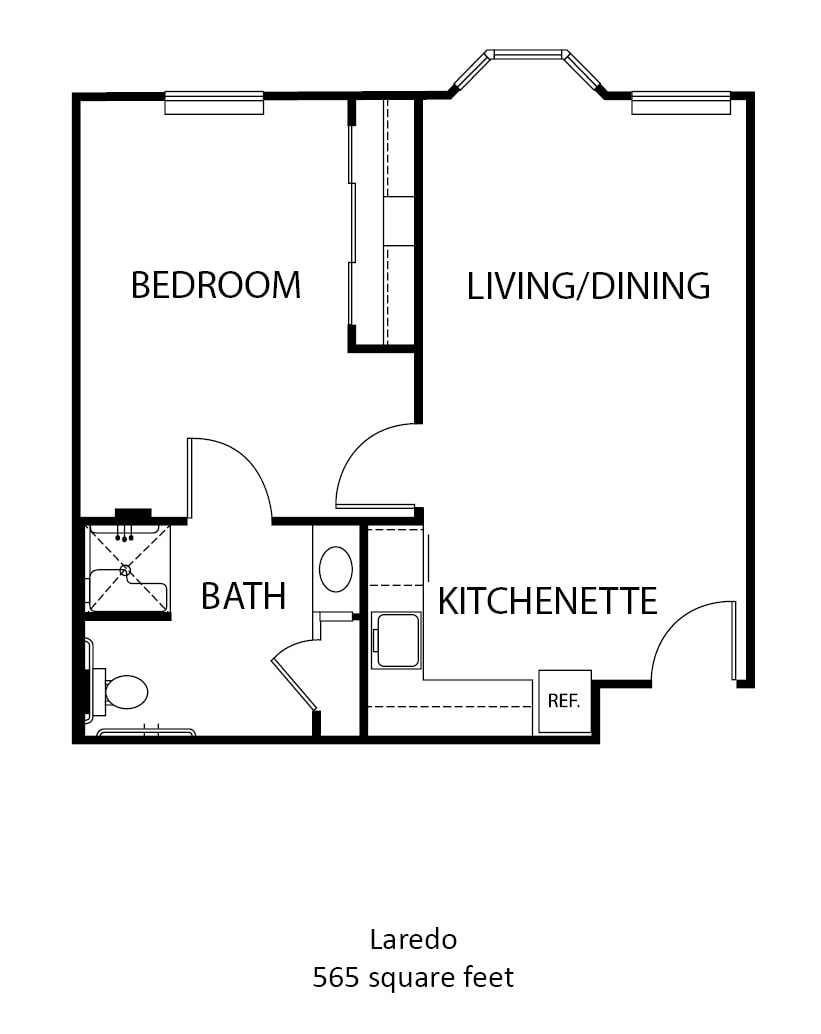
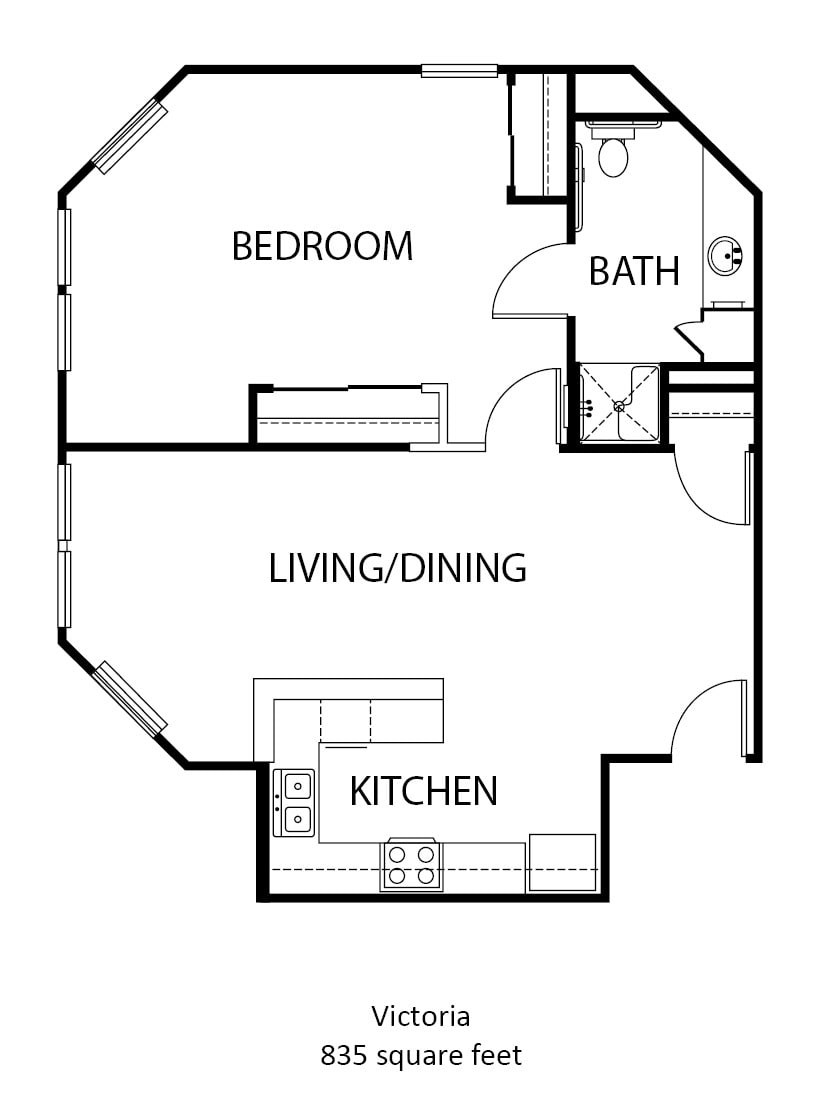
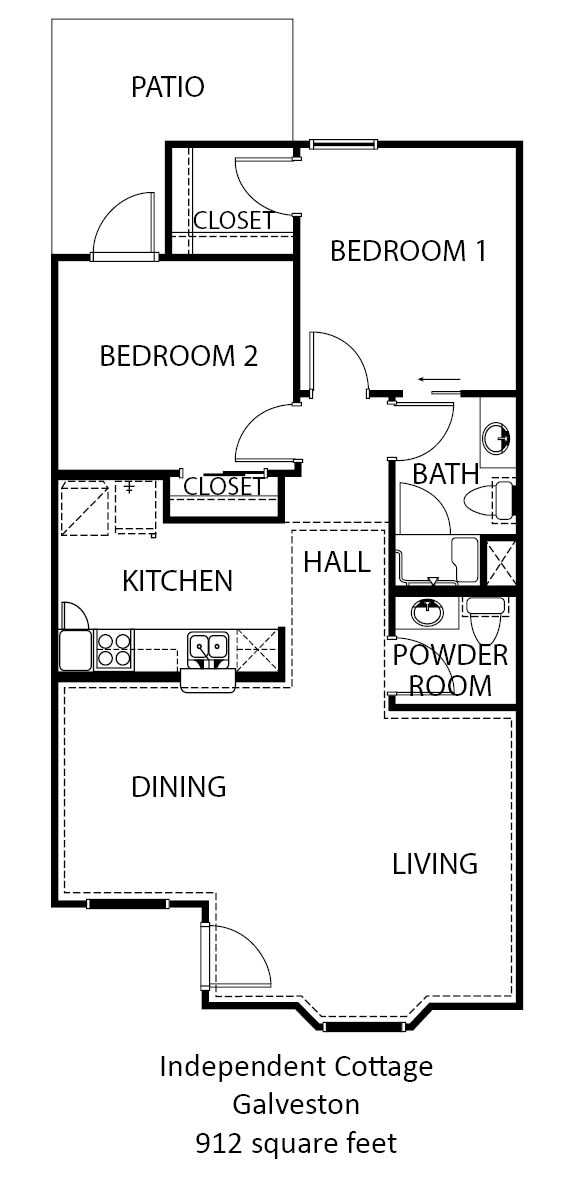
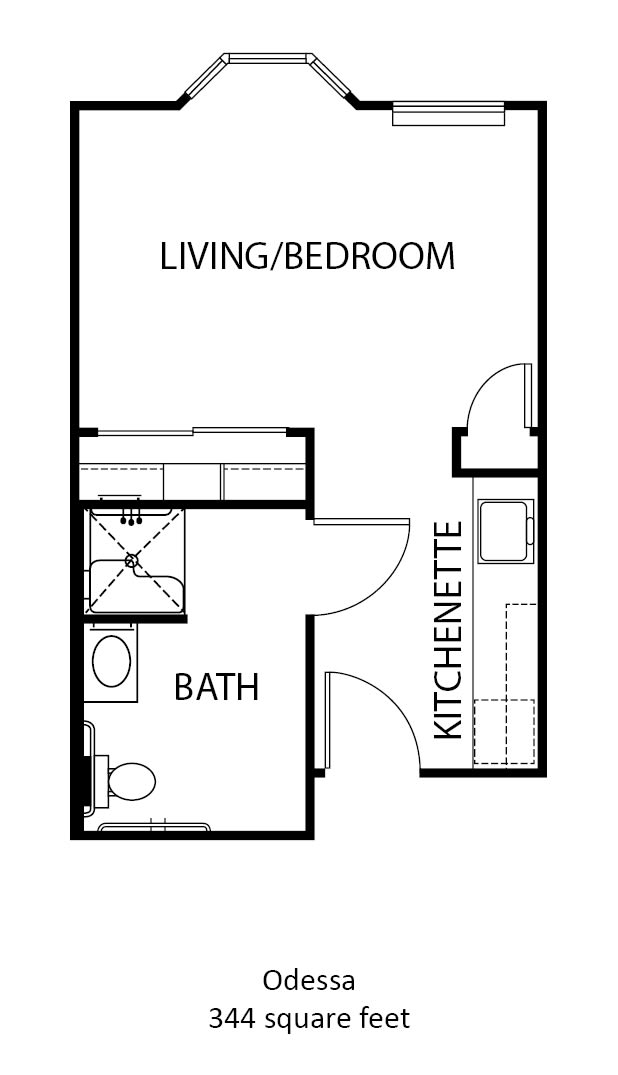
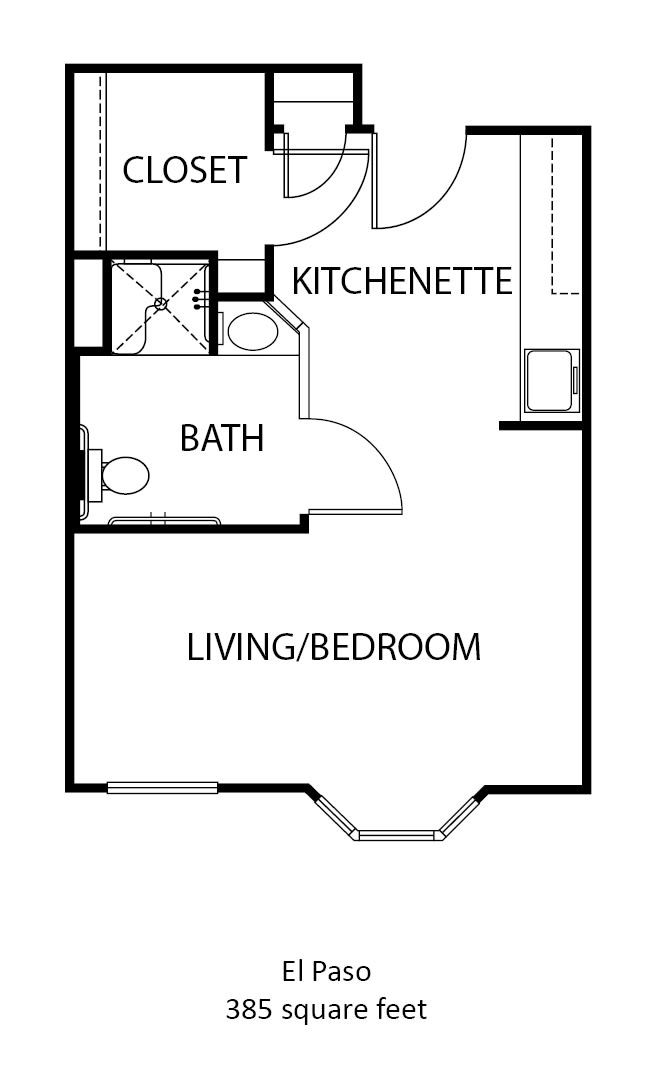
Floor plans
The Waterford At Baytown
Harris County
Texas
Studio
$1,995 to $3,500
$4,021
$3,758
Semi-Private
$2,500 to $4,310
$3,518
$3,680
1 Bedroom
$2,800
$4,027
$3,761
2 Bedrooms
$3,360
$4,574
$4,215
Private
$4,400
$3,784
$4,096
Memory care communities with a similar price nearby
Residents and families consistently describe staff as friendly, attentive, and quick to help.
Many reviews emphasize a welcoming experience at the front doors and an overall feeling that staff are present and helpful during day-to-day needs. Several families mention responsiveness when something comes up, including support with care logistics and communication back to loved ones. Residents also describe feeling safe and cared for, including support that helps them stay engaged in daily routines.
differentiator20 reviews mention this
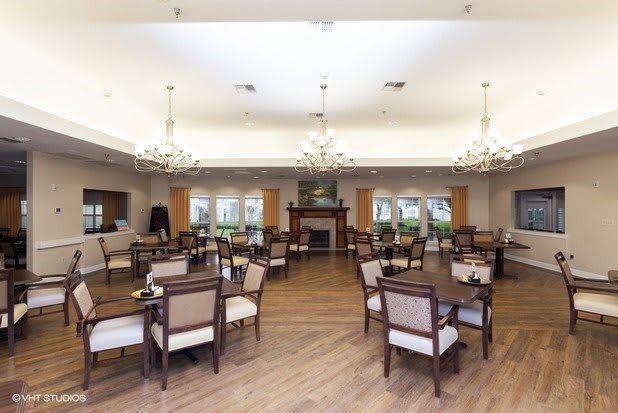
Dining feels restaurant-style
Dining stands out, with residents describing restaurant-style service and strong meal quality.
A recurring theme is that meals are more than cafeteria-style: residents and visitors talk about enjoying the dining room experience and food quality. Multiple reviews also connect meal service to comfort and daily satisfaction, including attention to special diets. This matches the community’s provided dining approach and meal support for different dietary needs.
common38 reviews mention this
Activities keep residents engaged
Many reviews say there are plenty of on-site activities that keep residents involved.
Residents and families frequently mention an active schedule—bingo, games, crafts, and regular group activities that help people feel included. Some reviewers also describe escorting or support so residents can participate even when they need assistance. Reviews generally frame activities as a key part of what helps residents feel like they have a routine and social connection.
caveat10 reviews mention this
Care depends on supervision
A minority of reviews raise concerns about supervision, medication handling, and care consistency.
Several critical reviews describe gaps that can affect safety and daily support, including delayed or missed care and inadequate supervision leading to incidents like falls. Others mention concerns around medication administration and what families expected to receive for the level of care provided. Even where reviews are otherwise positive, these criticisms stand out as a recurring reason some families hesitate or warn others to verify expectations.
caveat6 reviews mention this
Pricing is often out of budget
Multiple reviews note the community can be too expensive for their budget.
Some families describe touring or considering the community but deciding against moving in due to cost being out of range. Others reference unexpected charges or communication gaps related to billing and paperwork, which worsened their experience. This aligns with the community’s posted pricing positioning relative to county and state benchmarks across unit types.
How we summarize
Counts show how many written reviews mention each theme; a review can touch several themes, and only frequently mentioned themes are displayed.
Features
Housing
95 resident community capacity
1-bedroom apartments
2-bedroom apartments
Studio apartments
Types of Care
Assisted Living
Independent Living
Memory Care
Pets
Cats allowed
Dogs allowed
Amenities
Activities off-site
Activities on-site
Air-conditioning
Beautician on-site
Beauty salon
Cable or satellite TV
Cafe
Computer center
Devotional services off-site
Devotional services on-site
Dining room
Fitness room
Full kitchen
Fully furnished
Gaming room
Garden
Ground floor units
Guest parking
Handicap accessible
Housekeeping services
Indoor common areas
Kitchenette
Laundry
Move-in coordination
Outdoor common areas
Outdoor space
Party space
Private bathrooms
Private cleaning services
Resident parking
Respite or short term stays offered
Restaurant-style dining
Security gate
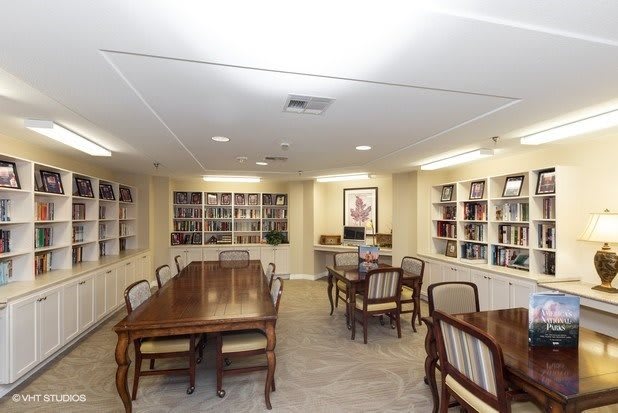
Small library
Spa
TV room
Telephone
VA Benefits Consultation
Wellness center
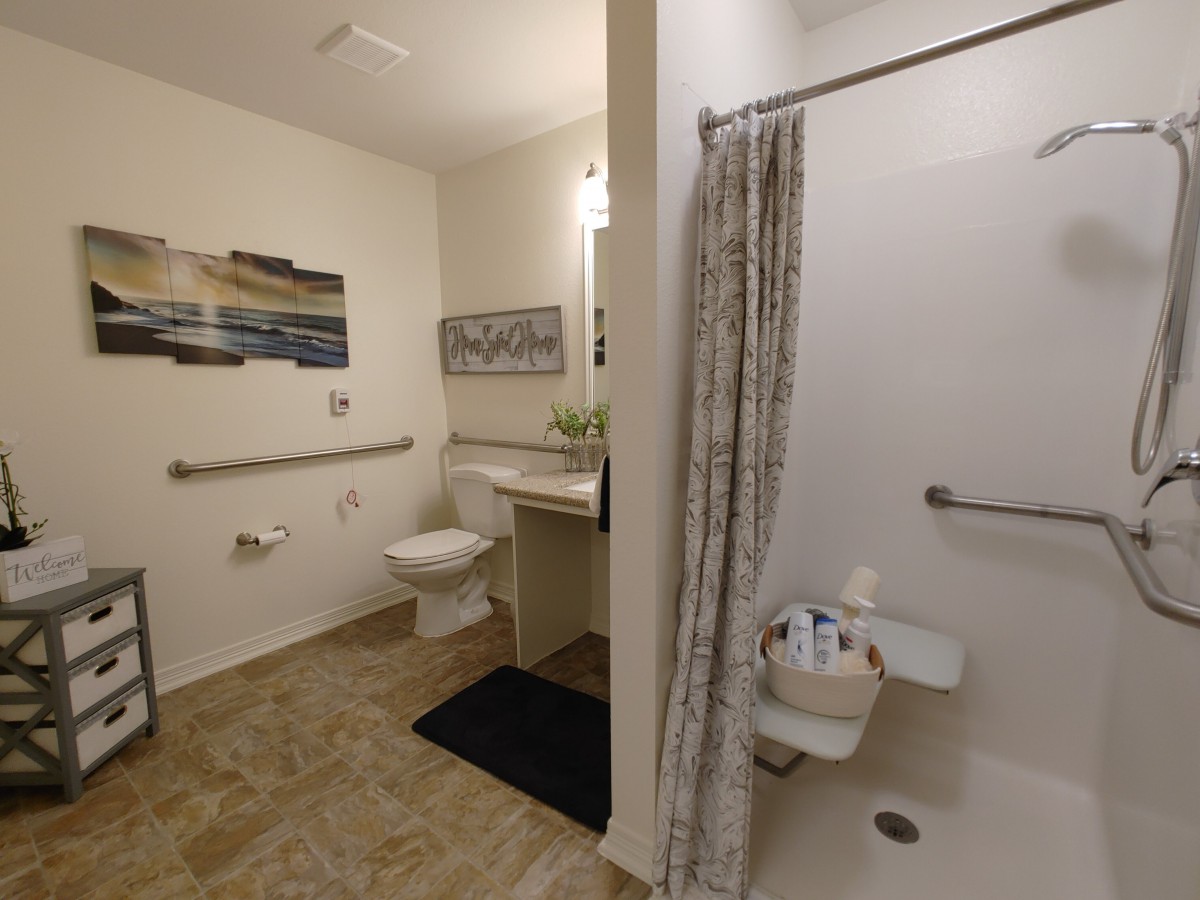
Wheelchair accessible showers
Wi-Fi/high-speed internet available
Transportation
William P X (20 miles away)
Community operated transportation
Transportation & parking
Transportation arrangement
Transportation arrangement (non-medical)
Transportation to doctors appointments
Care Services
12-16 hour nursing
24-hour call system
24-hour supervision
Activities of daily living assistance
Ambulatory care
Assistance with bathing
Assistance with dressing
Assistance with transfers
Companion care
Diabetes diet
Diabetic care
Hospice care
Incontinence care
Meal preparation and service
Medication management
Mental wellness program
Mild cognitive impairment
Personal care assistants
Physical therapy
Special dietary restrictions
Specialized memory care programming
Dining
Diabetes diet
Guest meals
International cuisine
Low / no sodium
Low fat
Meals provided
Renal
Restaurant style dining
Room service
Special dietary restrictions
Special dining programs
Vegetarian
Activities
Activities off-site
Art classes
Arts and crafts
Catholic services
Community-sponsored activities
Concierge services
Cooking classes
Cooking club
Day trips and outings
Devotional activities offsite
Devotional activities on-site
Educational speakers / life long learning
Fitness programs
Games
Gardening club
Karaoke
Live well programs
Other religious services
Planned day trips
Religious services
Resident-run activities
Scheduled daily activities
Stories
Visiting chaplain or priest
Wine tasting
Languages Spoken
English
Nearby Places of Interest
This part of Baytown, Texas offers a variety of amenities and services that cater to senior living. With a range of restaurants nearby such as Luby's, Nara Thai Dining, and Antonio's Italian Grill & Seafood, seniors can enjoy diverse dining options. Additionally, there are several pharmacies and physicians in close proximity, including Houston Methodist Hospital for medical care. For leisure activities, there are cafes like Starbucks for socializing and parks like Jenkins Park for outdoor relaxation. Places of worship such as First United Methodist Church of La Porte provide spiritual support within the community. Overall, this area provides convenience and accessibility for seniors looking for a comfortable and vibrant retirement lifestyle.
Restaurants
Luby's (0.2 miles)
Nara Thai Dining - Baytown (0.3 miles)
McDonald's (0.3 miles)
Chick-Fil-A (0.9 miles)
Antonio's Italian Grill & Seafood (0.9 miles)
Little Caesars Pizza (1.2 miles)
First Watch (1.9 miles)
Physicians
Pars Open MRI (0.2 miles)
Methodist San Jacinto Hospital Independence Plaza 2 (0.4 miles)
Patricia Ann Frey (0.4 miles)
Mohamed S Ahmed (0.4 miles)
Houston Methodist Orthopedics & Sports Medicine (0.5 miles)
Dr Shahina Ali, MD (0.6 miles)
Asad Dr - Asad Abbas Abbas MD (0.6 miles)
Pharmacies
Target Pharmacy (0.3 miles)
Walgreens (0.3 miles)
Walmart Pharmacy (0.6 miles)
Southside Pharmacy 10 (1.2 miles)
Walgreens (1.5 miles)
Walgreens (2.3 miles)
Walgreens (2.7 miles)
Hospitals
Houston Methodist Hospital (0.4 miles)
Kindred Hospital-East Houston (2.2 miles)
San Jacinto Methodist Hospital-Alexander Campus (2.2 miles)
Comdet Design (11 miles)
Cafes
Starbucks (0.5 miles)
Sycamore Grounds Coffee House (13.1 miles)
Starbucks (13.1 miles)
Starbucks (14.1 miles)
Parks
Jenkins Park (2.2 miles)
Baytown Nature Center (3.9 miles)
Mont Belvieu City Park (8.9 miles)
Gene Green Beltway 8 Park (11.9 miles)
Newport M.U.D Port O Call Park (12.3 miles)
Places of Worship
First United Methodist Church of La Porte (10.7 miles)
Churches United In Caring (11 miles)
Old River Assembly (12.7 miles)
Memorial Baptist Church SBC of Pasadena (12.7 miles)
The Waterford At Baytown offers competitive pricing for its various living arrangements compared to average costs in Harris County and across Texas. Monthly rates for a studio range from $1,995 to $3,500, significantly lower than the county average of $4,021 and the state average of $3,758. For semi-private accommodations, prices range from $2,500 to $4,310, also undercutting the county's average of $3,518. One-bedroom options are priced at a flat rate of $2,800, again favorably lower than both Harris County and Texas averages. The two-bedroom units are available for $3,360 - more cost-effective than the county's typical charge of $4,574. Finally, private rooms are listed at $4,400 but remain competitive against local rates. Overall, The Waterford At Baytown presents an attractive and affordable option in the context of regional pricing trends.
The features offered at The Waterford At Baytown are designed to comprehensively support residents navigating the challenges of dementia and Alzheimer's disease. With 24-hour supervision, caregivers ensure safety and immediate assistance, fostering a secure environment. Activities of daily living assistance, including help with bathing, dressing, and transfers, promote independence while addressing personal care needs sensitively. Incontinence care is provided discreetly to enhance comfort and dignity. Meal preparation and service cater to nutritional requirements while also encouraging social interaction during meal times. Medication management ensures adherence to prescribed treatments, which is crucial for maintaining health. The mental wellness program and specialized memory care programming specifically target cognitive engagement, promoting mental stimulation tailored to individual capabilities. Additionally, physical therapy offers residents opportunities for mobility improvement and overall well-being. Together, these features create a nurturing environment that enhances quality of life for individuals at various stages of cognitive decline.
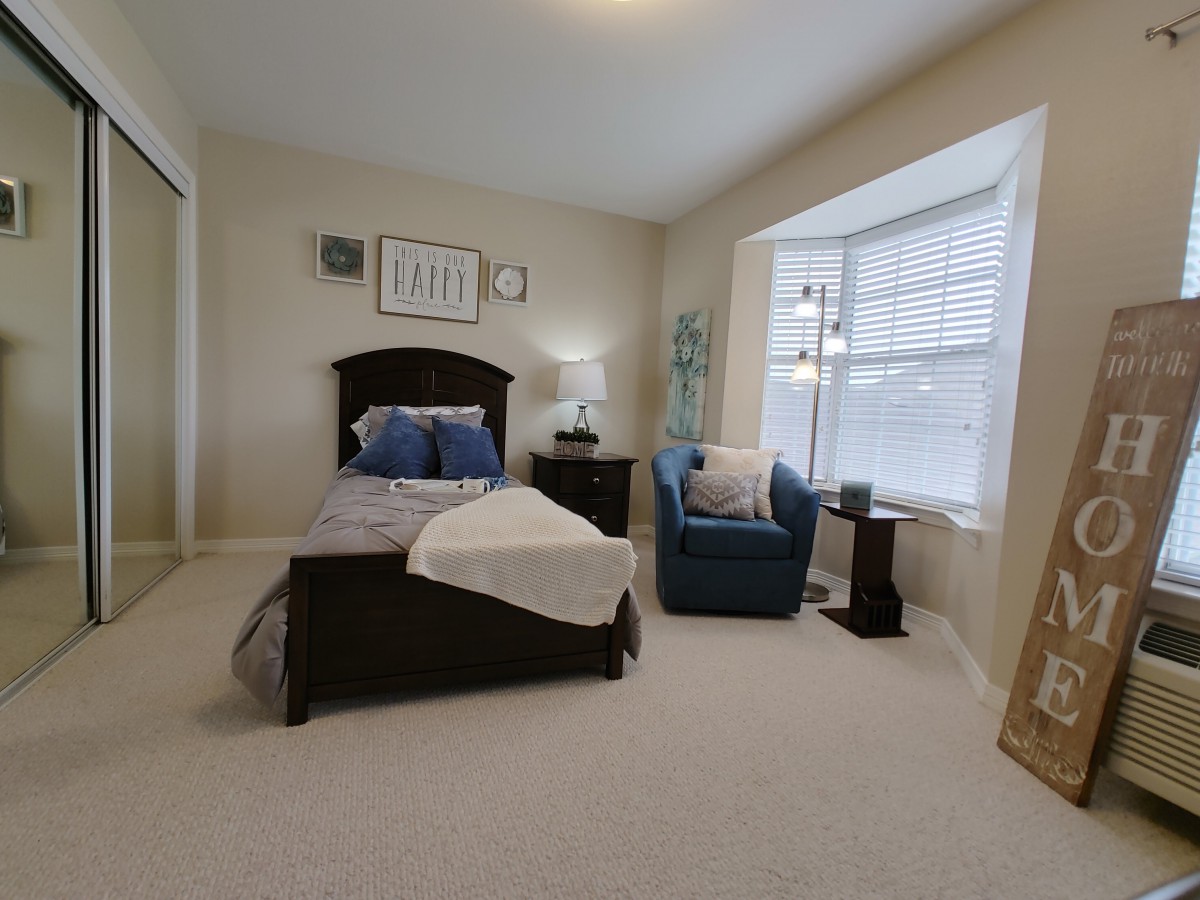
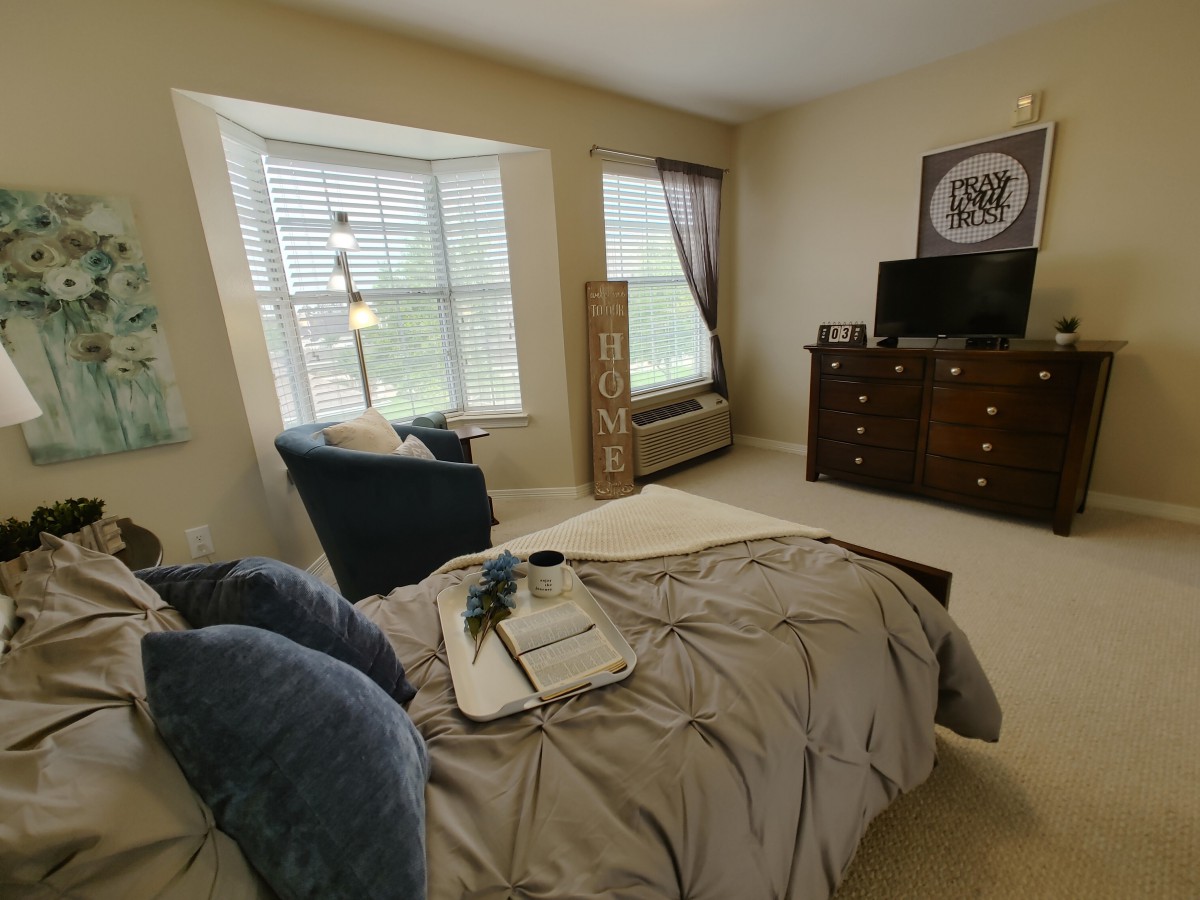
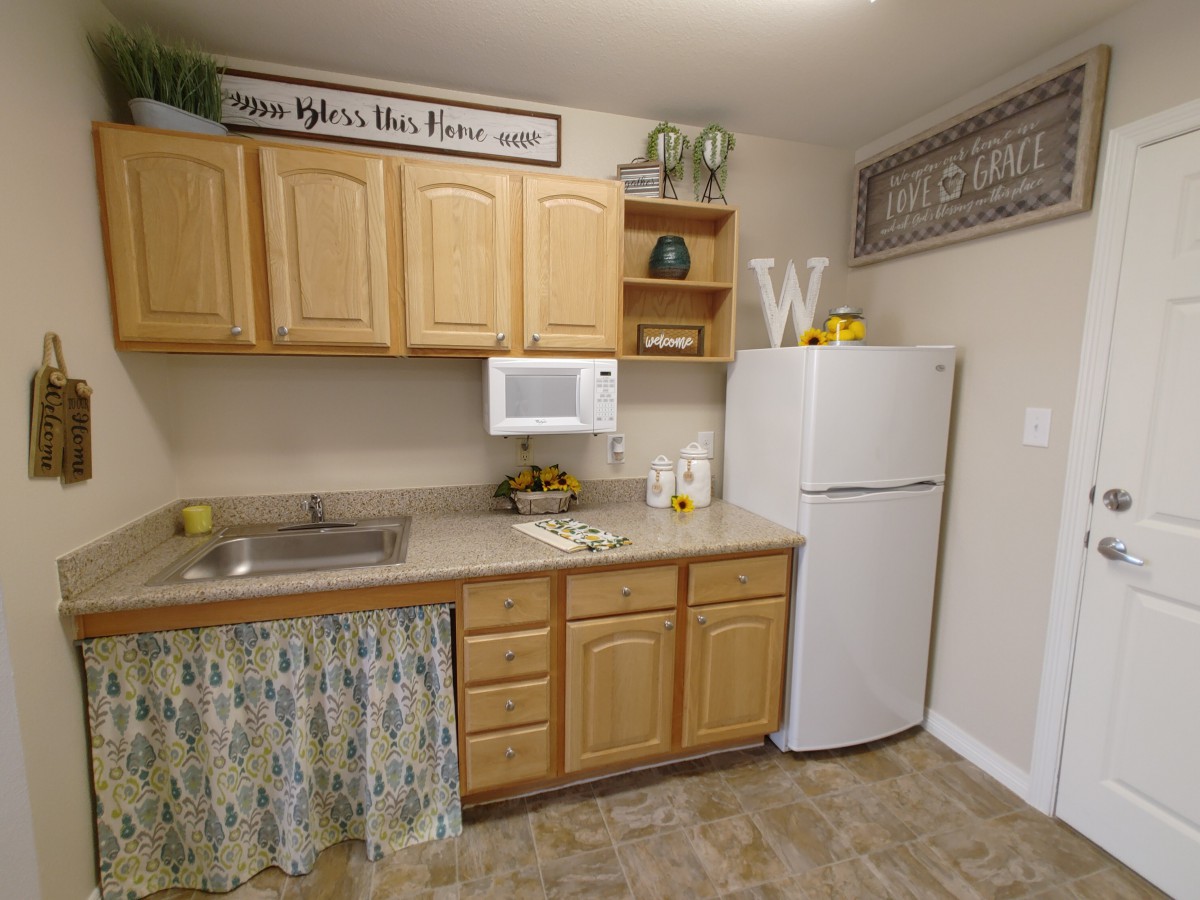
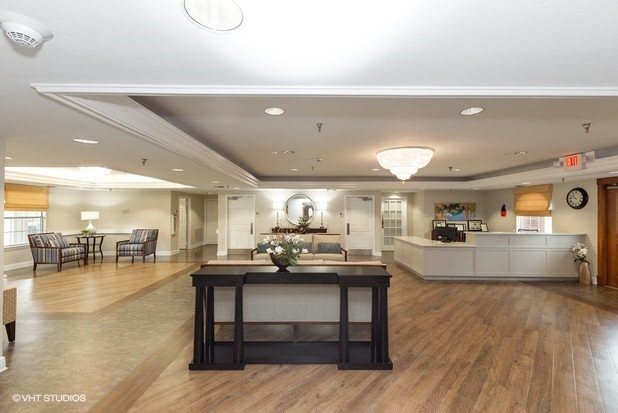
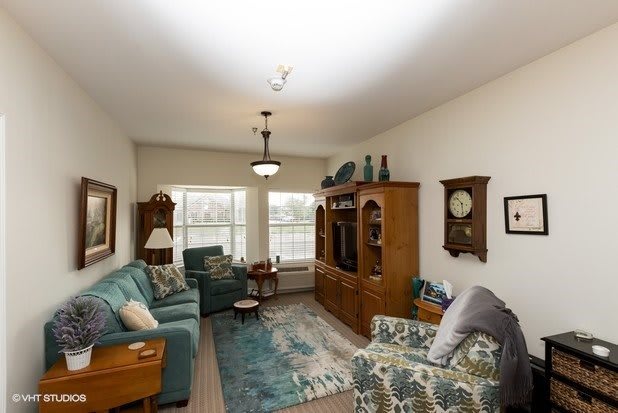
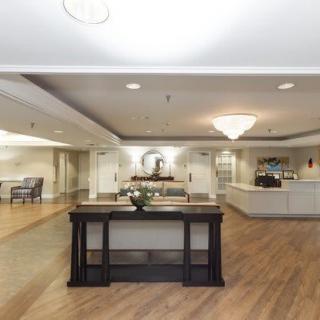
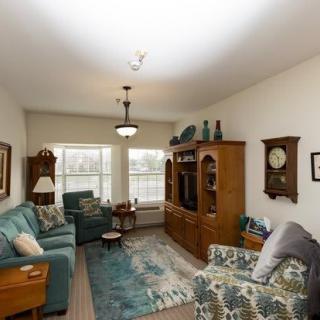
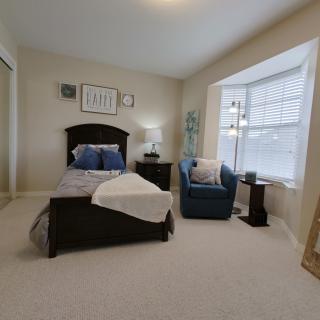
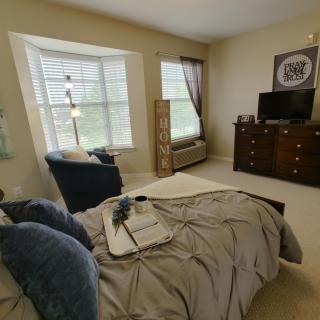
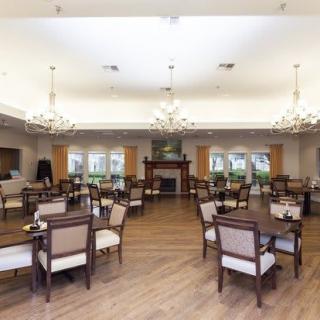
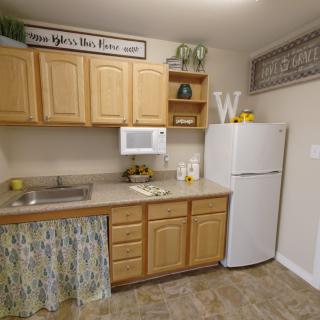
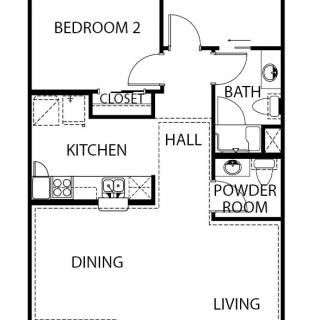
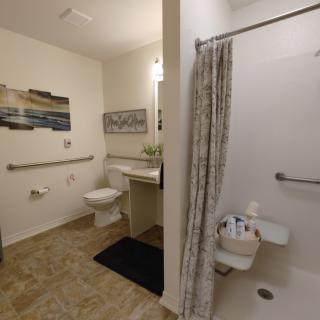
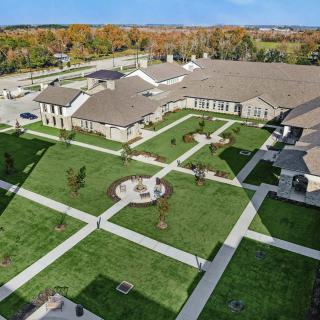
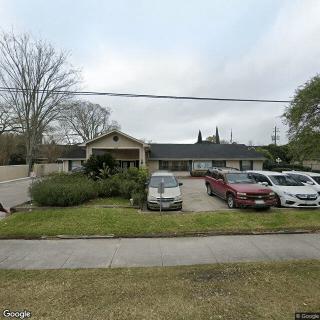
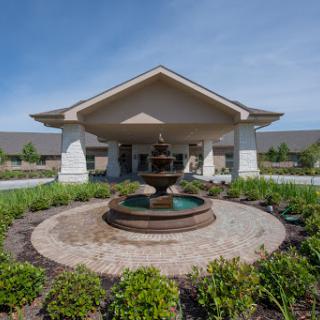
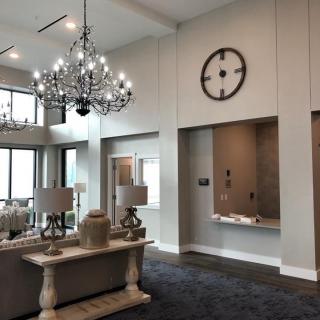
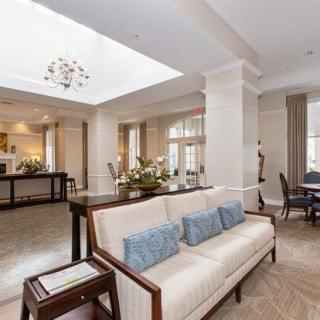
The Waterford At Baytown on seniors.fyi includes 16 photos including images showing floor plan, interior, bedroom, bathroom, decor, studio apartment, kitchenette, living area, and more.
Nearby Communities
Focused Care At Allenbrook
Baytown, TX
3.8 from 63 reviews
Extensive care and amenities with 24/7 supervision and transportation.
Allenbrook Healthcare Center
Baytown, TX
3.4 from 58 reviews
Some staff show genuine care and communicate well with families.
Rollingbrook Rehabilitation And Healthcare Center
Baytown, TX
3.8 from 94 reviews
Caring staff with good communication and comfortable, well-equipped rooms.
Focused Care At Burnet Bay
Baytown, TX
4 from 62 reviews
Comprehensive care with 24-hour supervision and diverse amenities.
Baytown Health Care and Rehabilitation
Baytown, TX
3.9 from 60 reviews
$3,900 to $5,700 / month
Convenient location with easy access to nearby restaurants, parks, pharmacies, physicians, and hospitals.
Focused Care At Cedar Bayou
Baytown, TX
4.4 from 95 reviews
Caring nursing staff and engaging activities.
The Lodge at Pine Creek
Baytown, TX
4.3 from 23 reviews
$2,249 to $3,475 / month
Clean facility with attentive staff, good meals, and an active resident community.
Sodalis - Deer Park
Deer Park, TX
4.5 from 79 reviews
$2,800 to $5,100 / month
Compassionate, family-like staff in a clean, well-maintained community.
Morada Deer Park
Deer Park, TX
4.8 from 164 reviews
$1,860 to $2,820 / month
Warm, welcoming staff in a clean, well-decorated community with engaging activities.
Dementia, influenced by aging and certain medications, may be exacerbated by drug classes such as anticholinergics, benzodiazepines, and antipsychotics, which are associated with cognitive impairment. Regular medication reviews by healthcare professionals are crucial for older adults to manage risks and optimize cognitive health.
Dementia often results in disrupted sleep patterns, leading to excessive daytime sleeping due to factors like brain damage affecting circadian rhythms, medication side effects, and lack of structure in daily activities. Caregivers must monitor these changes closely, as oversleeping can increase risks such as malnutrition or dehydration, and provide necessary support and routines to enhance patient engagement and well-being.
The transition from assisted living to skilled nursing care is often prompted by complex medical needs that assisted living cannot meet, with key indicators including frequent health declines, increased falls, severe memory issues, and caregiver burnout. Families should recognize these signs early to discuss options with healthcare providers and prepare for the emotional and logistical aspects of moving to a facility that offers comprehensive medical support.
Get PricingAsk A QuestionSchedule A TourContact Senior Advisor
By clicking submit, you agree to our Partner's Terms of Use. You
also consent to receive calls and texts, which may be autodialed, from our Partner. Your consent is not a condition to
using our Partner's service. Please visit our Partner's Privacy Policy for information about their privacy practices.










 95 resident community capacity
 1-bedroom apartments
 Assisted Living
 Independent Living
 Memory Care
 Cats allowed
 Dogs allowed
 Activities off-site
 Air-conditioning
 Beautician on-site
 Cable or satellite TV
 Cafe
Cafe Computer center
 Devotional services off-site
 Dining room
 Fitness room
 Full kitchen
 Fully furnished
 Gaming room
 Garden
 Ground floor units
 Guest parking
 Handicap accessible
 Housekeeping services
 Indoor common areas
 Laundry
 Move-in coordination
 Outdoor common areas
 Party space
 Private bathrooms
 Respite or short term stays offered
 Restaurant-style dining
 Security gate
 Small library
 Spa
Spa Telephone
 VA Benefits Consultation
 Wheelchair accessible showers
 Wi-Fi/high-speed internet available
 William P X (20 miles away)
 Community operated transportation
 12-16 hour nursing
 24-hour call system
 Ambulatory care
 Assistance with bathing
 Assistance with dressing
 Assistance with transfers
 Companion care
 Diabetes diet
 Diabetic care
 Hospice care
 Incontinence care
 Medication management
 Mental wellness program
 Physical therapy
 Special dietary restrictions
 Art classes
 Catholic services
 Concierge services
 Cooking classes
 Day trips and outings
 Educational speakers / life long learning
 Games
Games Karaoke
 Stories
 Wine tasting
 English
 Extensive care and amenities with 24/7 supervision and transportation.


 A Thorough Discussion of Medications Potentially Linked to Dementia Risk
 Why Do Dementia Patients Sleep So Much? Understanding Oversleeping, Stages, and Care Approaches
 8 Key Indicators That Suggest It May Be Time to Transition from Assisted Living to Skilled Nursing Care