3921 N. Main St., Baytown, TX 77521
For more information about senior living options: (844) 490-3973
Baytown Health Care and Rehabilitation offers competitive pricing for its services, particularly when compared to the broader market in Harris County and across Texas. For a semi-private room, the monthly cost is set at $3,900, which is slightly above the county average of $3,518 but remains lower than the statewide figure of $3,680. On the other hand, those seeking the privacy of a private room will find Baytown's rate of $5,700 to be significantly higher than both Harris County's average of $3,784 and Texas' overall rate of $4,096. This disparity suggests that while Baytown provides quality care within the local community context, those choosing private accommodations might expect additional amenities or specialized services that justify this elevated cost.
| Floor plans | Baytown Health Care and Rehabilitation | Harris County | Texas |
|---|---|---|---|
| Semi-Private | $3,900 | $3,518 | $3,680 |
| Private | $5,700 | $3,784 | $4,096 |
What level of care are you interested in?

Assisted Living

Memory Care

Independent Living

Skilled Nursing Facility

Continuing Care Retirement Community (CCRC)CCRC

Other
Focused Care at Burnet Bay in Baytown is best suited for families seeking a rehab-centric environment where daily routines revolve around therapy, social activity, and hands-on staff attention. When the care team is functioning at their best, residents benefit from responsive nurses, attentive CNAs, and a robust therapy program that pushes for progress. The facility often earns praise for wound care, daily enrichment activities, and a welcoming, home-like atmosphere that helps residents feel connected and engaged. In short, this community can deliver meaningful rehab outcomes and a warm daily experience for those who can tolerate the variability that comes with staffing and operational challenges.
That said, alternatives deserve consideration for families prioritizing consistent, unambiguous care across all shifts. Several reviews flag serious gaps: delayed responses to call lights, night-shift understaffing, and episodes where residents were left unattended for long periods. Reports of bedsores, inadequate feeding for diabetics, and lapses in basic hygiene or care oversight trigger real safety concerns. Food quality, while praised in some instances, has also been criticized, and communication problems between front desk, administration, and families recur in multiple accounts. For families needing near-perfect reliability and strict, uniform care, these patterns warrant looking at other options.
The strongest pros - compassionate bedside staff, timely assistance from nurses and CNAs, and a capable rehab and wound-care team - often offset many daily inconveniences when therapy and social programming are the priority. The therapists and wound-care nurses frequently receive explicit gratitude for keeping residents mobile, reducing pain, and addressing medical needs with skill. Cleanliness and a pleasant atmosphere further reinforce a sense of safety and dignity. However, the weight of the cons can overwhelm these benefits for residents with high acuity or fragile medical conditions, where even sporadic gaps in response or monitoring can lead to avoidable risks, like infections or unmanaged symptoms. The overall experience hinges on stable staffing and effective leadership on each shift.
What to watch for during a visit or a trial stay is critical. Assess current staffing levels, especially evenings and weekends, and request to observe call-light response times. Speak with residents and families about how often needs are addressed, and verify that therapy sessions align with stated plans. Inquire about dietary accommodations, particularly for diabetics, and confirm menu variety and meal delivery consistency. Inspect patient rooms for cleanliness, equipment functionality, bed safety, and the availability of comfortable, supportive mattresses. Ask to review the latest quality and safety indicators, including infection control practices, incident reporting, and any recent corrective actions led by management. These concrete checks illuminate whether the positive therapy and atmosphere hold steady beyond the initial charm.
In deciding, it helps to frame expectations around rehab outcomes versus long-term custodial care. If the goal is aggressive physical therapy, pain management, and social engagement with reliable daily structure, this community can be a strong contender - provided recent experiences with staffing and escalation are favorable and monitored. If, however, a loved one requires unwavering, 24/7 attentiveness, with flawless call-light responsiveness and ironclad safety, the risk of inconsistent care makes alternatives worth pursuing. The standout reality is that care quality appears highly contingent on day-to-day leadership and shift staffing, so a measured site visit, coupled with conversations with multiple staff members and residents, is essential to avoid placing trust in a system that may falter at critical moments.
The practical next steps are straightforward. Schedule unannounced visits at different times, including evenings, to observe actual operations and staff responsiveness. Request to meet with the Director of Nursing and the administrator to discuss care plans, escalation protocols, and ownership of past deficiencies. Gather candid feedback from a wide range of families and current residents, and ask for copies of recent state surveys and corrective-action plans. If choosing this community, establish clear, time-bound rehab goals, daily communication routines with the care team, and a formal mechanism for reporting and addressing concerns. With diligent oversight and a realistic appraisal of strengths and risks, the decision can align with the specific needs and values of the family and the resident.
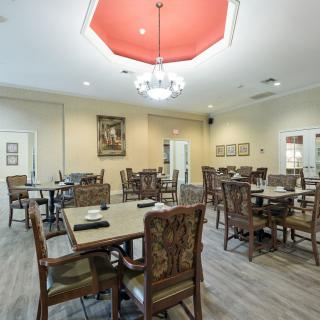
Baytown Health Care and Rehabilitation is an assisted living community located in the vibrant city of Baytown, TX. Situated in close proximity to various amenities, this community offers convenience and accessibility to its residents.
For those who enjoy exploring local eateries or dining out with friends and family, Baytown Health Care and Rehabilitation is surrounded by 15 restaurants. Whether craving a casual meal or fine dining experience, residents have a wide range of culinary options to choose from.
Nature enthusiasts will appreciate the presence of two nearby parks. These green spaces provide opportunities for leisurely strolls, picnics, and enjoying the beauty of nature. Residents can immerse themselves in a tranquil setting while engaging in outdoor activities or simply relaxing amidst peaceful surroundings.
Maintaining good health is made easier with the availability of 7 nearby pharmacies. This ensures that residents have easy access to their prescription medications and other healthcare essentials. Furthermore, with 19 physicians situated nearby, residents can benefit from numerous medical professionals who are readily available to attend to their healthcare needs.
In case of emergencies or specialized medical treatments, the presence of three hospitals nearby provides peace of mind to both residents and their families. Quick access to quality healthcare services is essential for any assisted living community, ensuring the well-being and safety of its residents at all times.
Overall, Baytown Health Care and Rehabilitation offers a desirable location for individuals seeking an assisted living community that values convenience, accessibility to amenities, as well as prioritizes health and wellness.
Baytown Health Care and Rehabilitation offers competitive pricing for its services, particularly when compared to the broader market in Harris County and across Texas. For a semi-private room, the monthly cost is set at $3,900, which is slightly above the county average of $3,518 but remains lower than the statewide figure of $3,680. On the other hand, those seeking the privacy of a private room will find Baytown's rate of $5,700 to be significantly higher than both Harris County's average of $3,784 and Texas' overall rate of $4,096. This disparity suggests that while Baytown provides quality care within the local community context, those choosing private accommodations might expect additional amenities or specialized services that justify this elevated cost.
Baytown Health Care and Rehabilitation is located at 3921 N. Main St., Baytown, TX 77521 in Harris County, Texas
Understanding the Full Cost of 24/7 In-Home Care: A Detailed Overview

The guide outlines the rising costs of 24/7 in-home care, ranging from $10,000 to over $20,000 monthly, driven by factors such as location and caregiver qualifications. It discusses the limited coverage by Medicare and private insurance, potential Medicaid support, and the emotional and living condition considerations influencing families' decisions on care arrangements.
Exploring the World of Home Health Nurses: Qualifications, Roles, and Hiring Tips

Home health nursing is an expanding field where licensed professionals provide specialized medical care in patients' homes, addressing the needs of an aging population through personalized services like assessments and medication management. Effective collaboration with healthcare teams, cultural sensitivity, and quality assurance measures are essential for fostering trust and ensuring positive patient outcomes.
Navigating Medicare Coverage for In-Home Care Services
Medicare covers in-home health care services, which are medical and provided by licensed professionals under a physician's supervision, whereas non-medical personal assistance is generally not covered unless part of a broader skilled care plan. Eligibility for benefits depends on being homebound and needing intermittent skilled services from a Medicare-certified agency, with specific coverage limitations and additional resources available for navigating options.