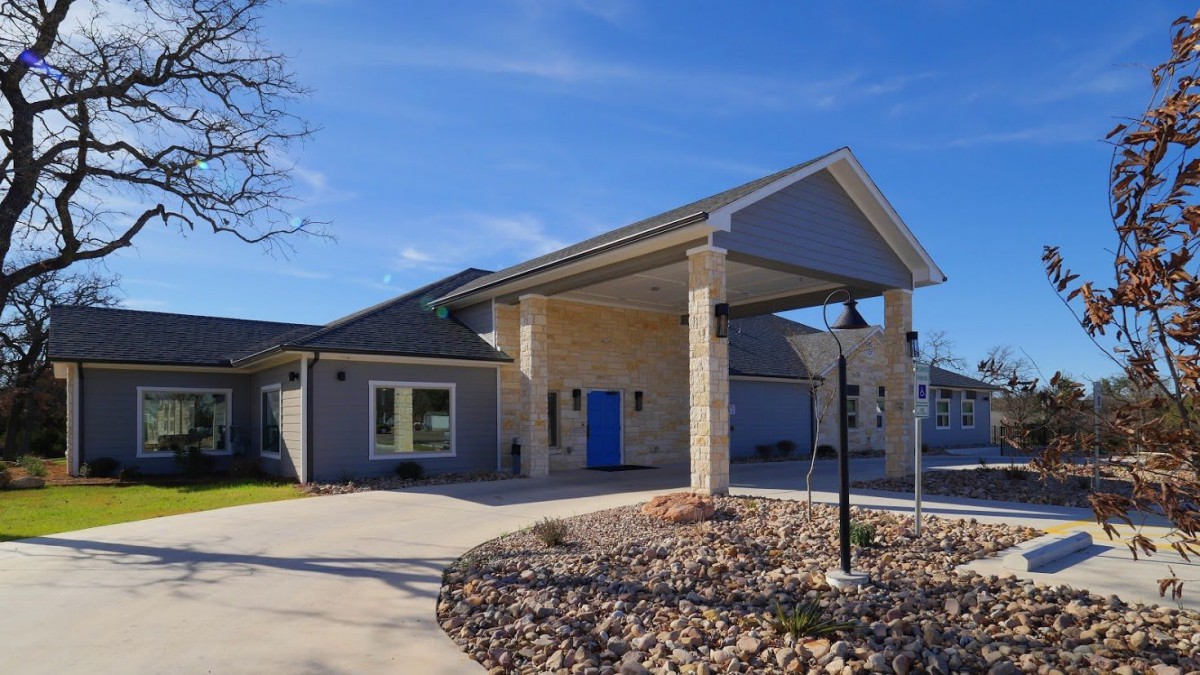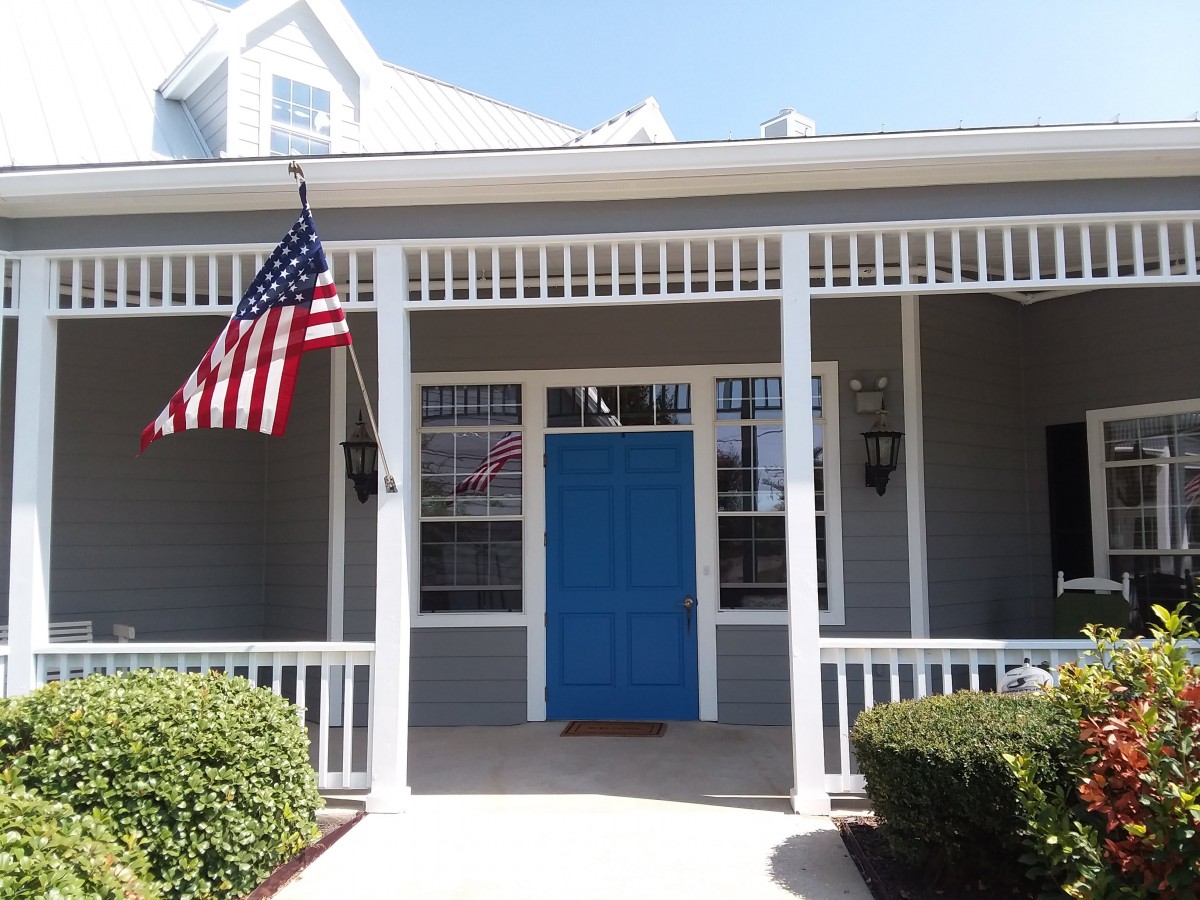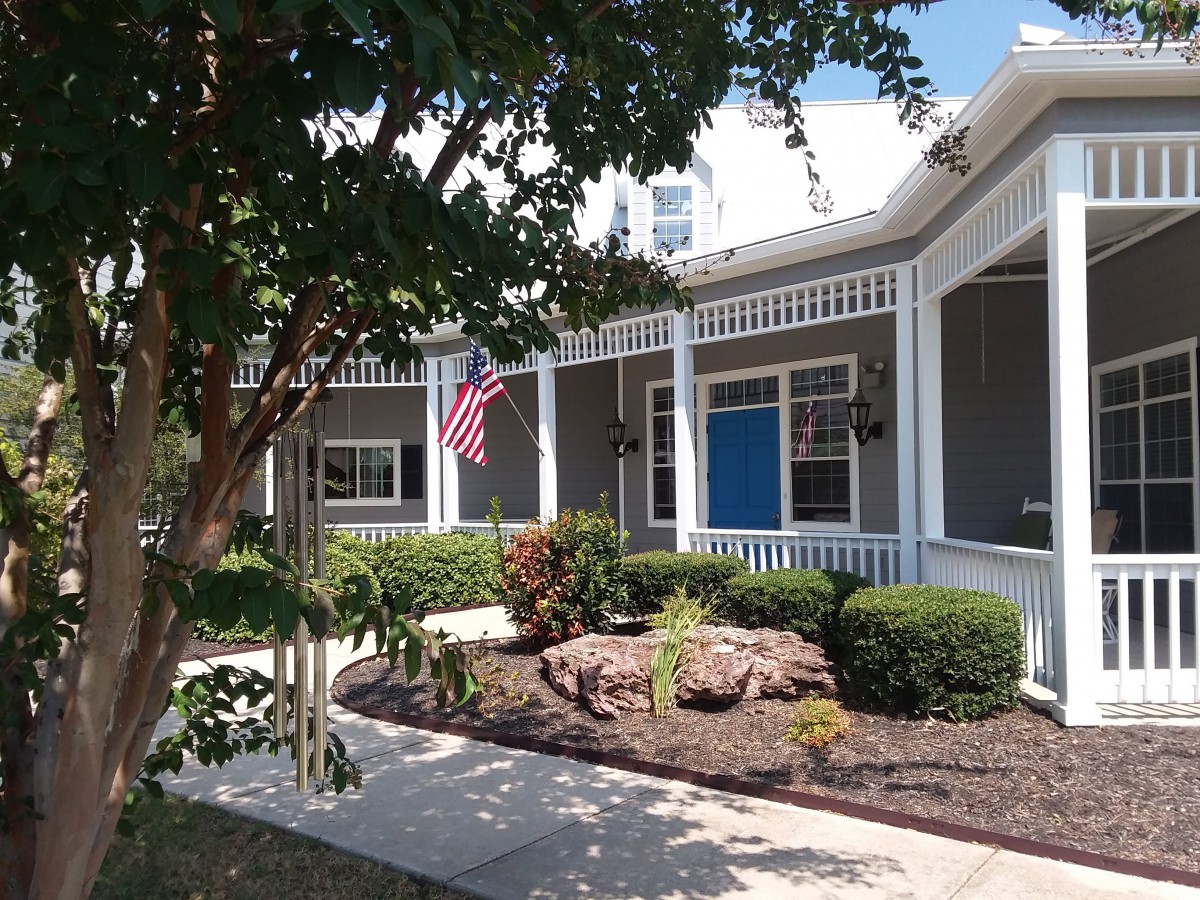
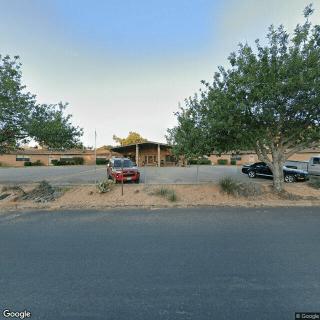
2230 North Llano, Fredericksburg, TX 78624
For more information about senior living options: (866) 208-4318
Celestecare Of Fredericksburg Costs & Pricing
Celestecare of Fredericksburg offers competitive monthly rates for its residents, particularly appealing within the context of Mason County and the broader Texas market. For a studio apartment, residents can expect to pay $3,000 per month, which is significantly lower than the county average of $3,616 and offers substantial savings compared to the state average of $3,758. Transitioning to a one-bedroom unit, Celestecare's rate is $3,600, again providing a cost-effective option relative to Mason County's higher charge of $4,567 while remaining comparable to the statewide figure of $3,761. For those seeking more space with a two-bedroom accommodation at Celestecare, the cost stands at $5,100 - this is slightly below Mason County's average of $5,775 and notably more affordable than Texas' average of $4,215. Overall, Celestecare of Fredericksburg positions itself as an attractive choice for individuals seeking quality care without compromising their budget.
| Floor plans | Celestecare Of Fredericksburg | Mason County | Texas |
|---|---|---|---|
| Studio | $3,000 | $3,616 | $3,758 |
| 1 Bedroom | $3,600 | $4,567 | $3,761 |
| 2 Bedrooms | $5,100 | $5,775 | $4,215 |
Overall Review of Celestecare Of Fredericksburg
Pros
 The staff know residents well and ensure they are well cared for.
- The facility offers a quiet environment with very personal care.
- The staff are consistently helpful and happy to be there.
- The community is very resident-focused.
- The director's experience enhances the quality of care.
- The staff are phenomenal and have done a great job.
- The facility has a homey feel with a small number of residents.
- The staff are consistently kind to residents, helping them feel taken care of.
- Hill Country Gardens provides good health care with ample freedom.
- CelesteCare offers chef-planned meals, diverse activities, and onsite medical support from knowledgeable, compassionate staff.
Cons
 Celeste Care is kind of struggling with staffing retention right now.
- They could provide better care, but they have a lack of staff.
- The housekeeping service in Celeste Care's rooms is inadequate, with only a quick wipe down instead of a deep cleaning.
- The Celeste Care of Fredericksburg was clean, but it was not what they were looking for.
- Residents who live there will often drop or spill things and are unable to see or clean it up.
Review
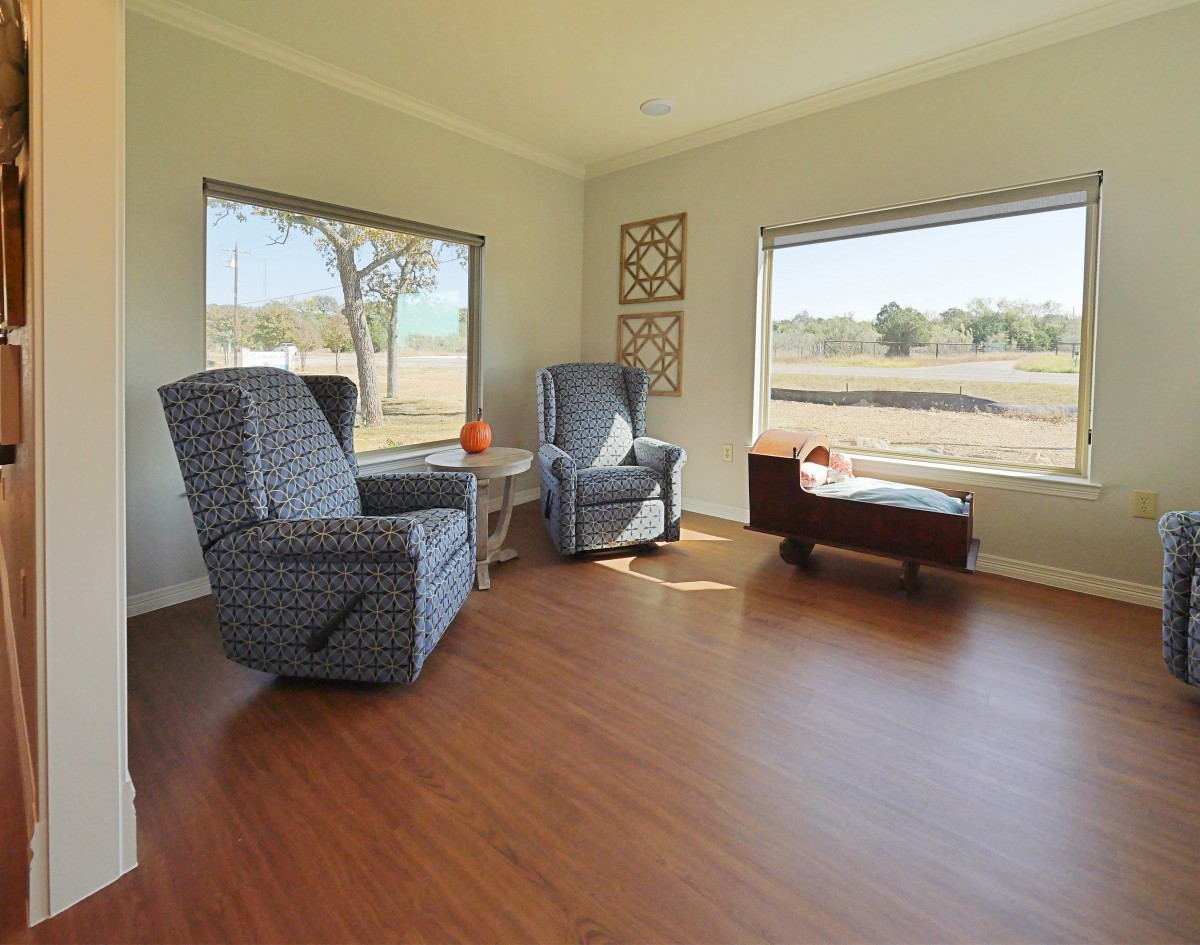
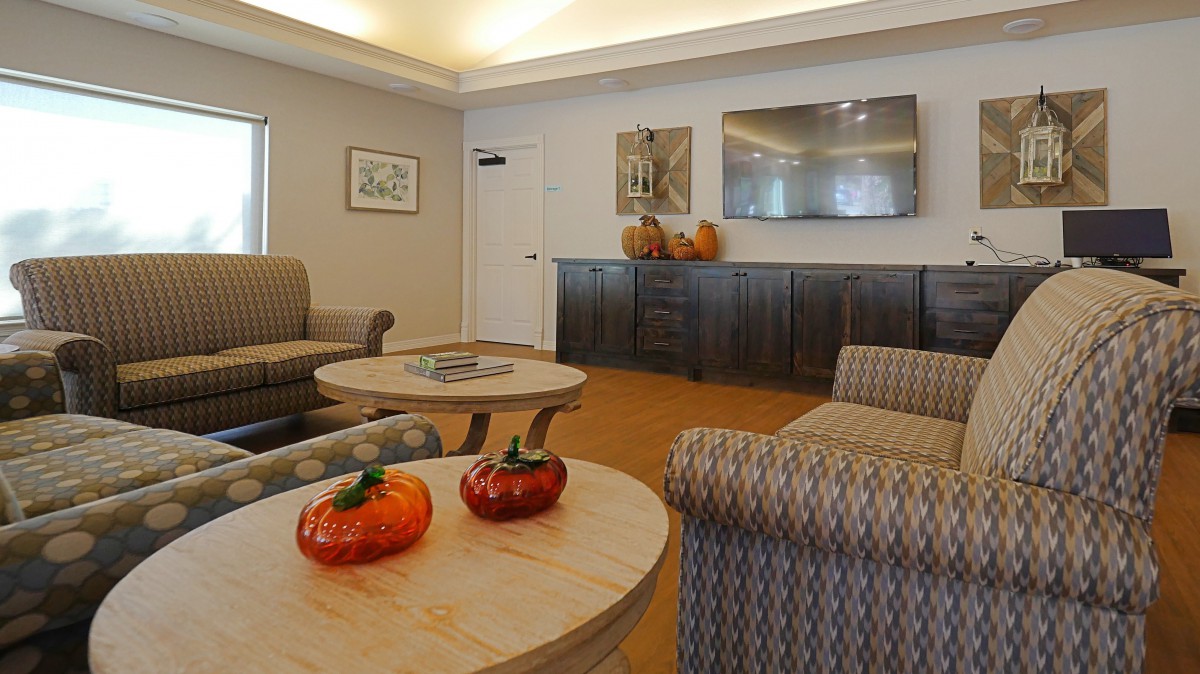
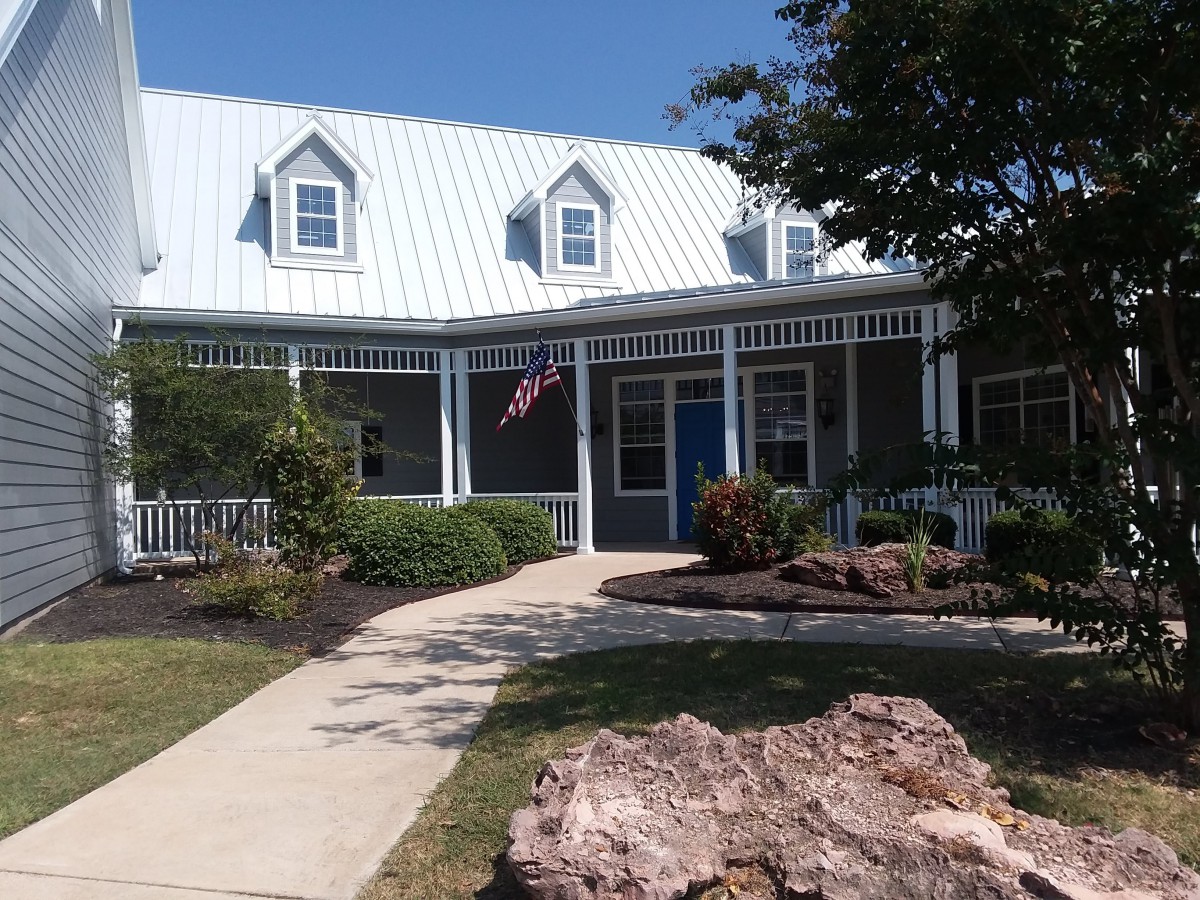
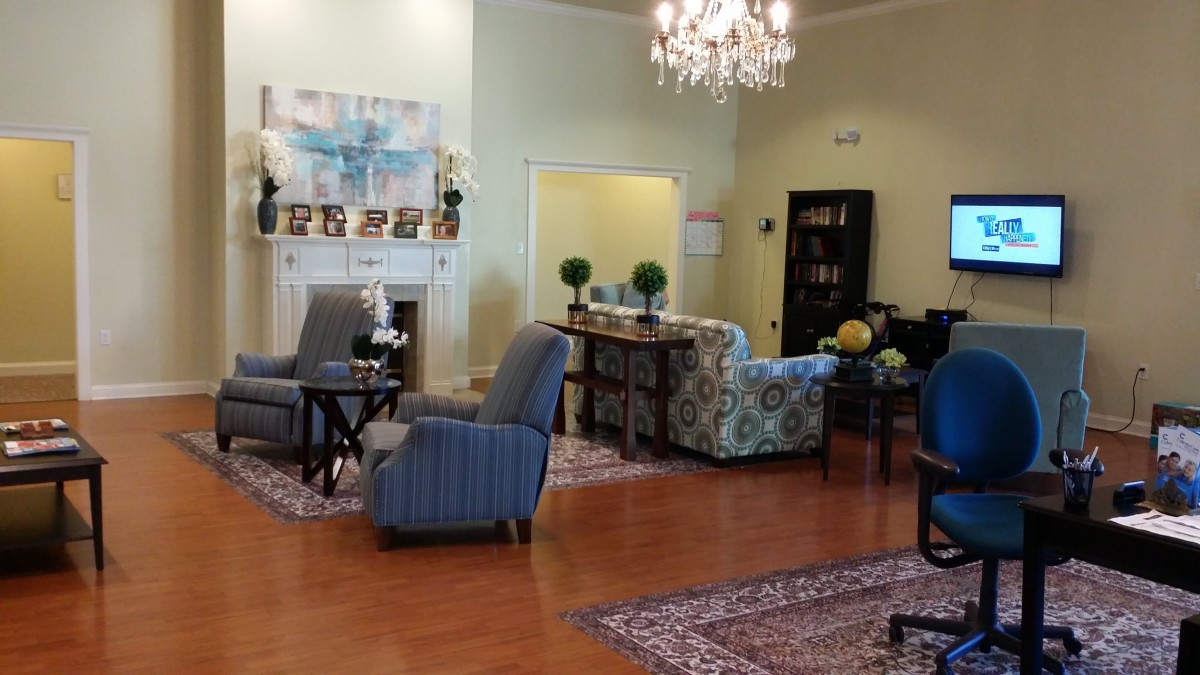
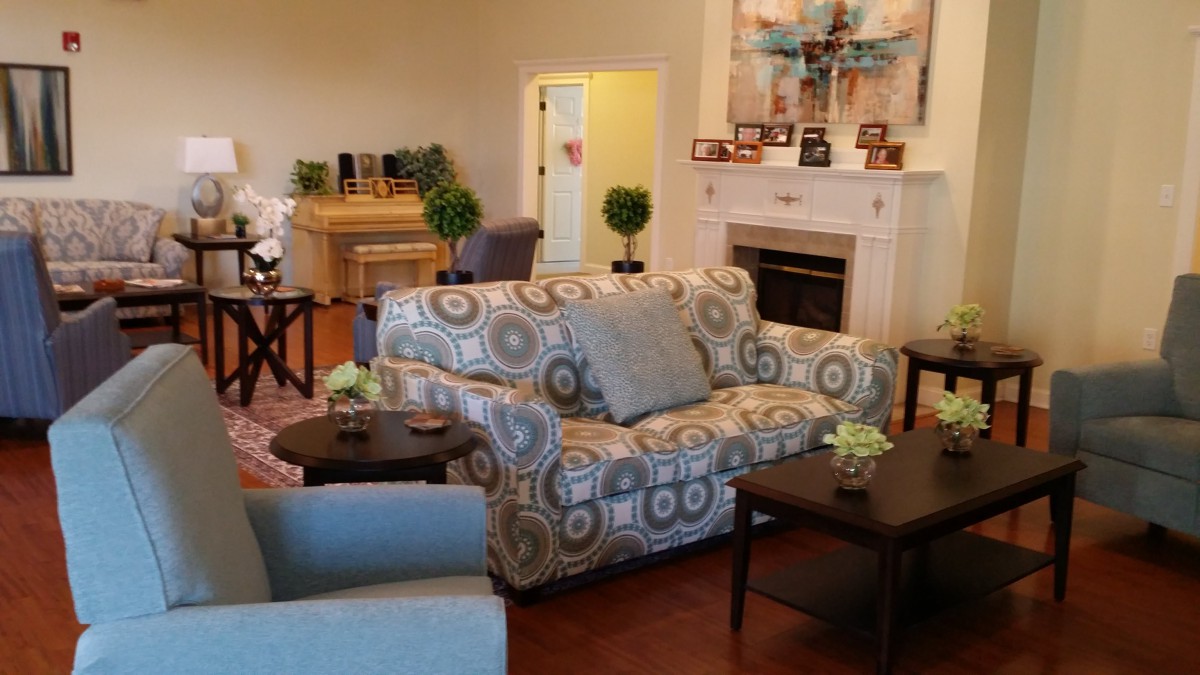
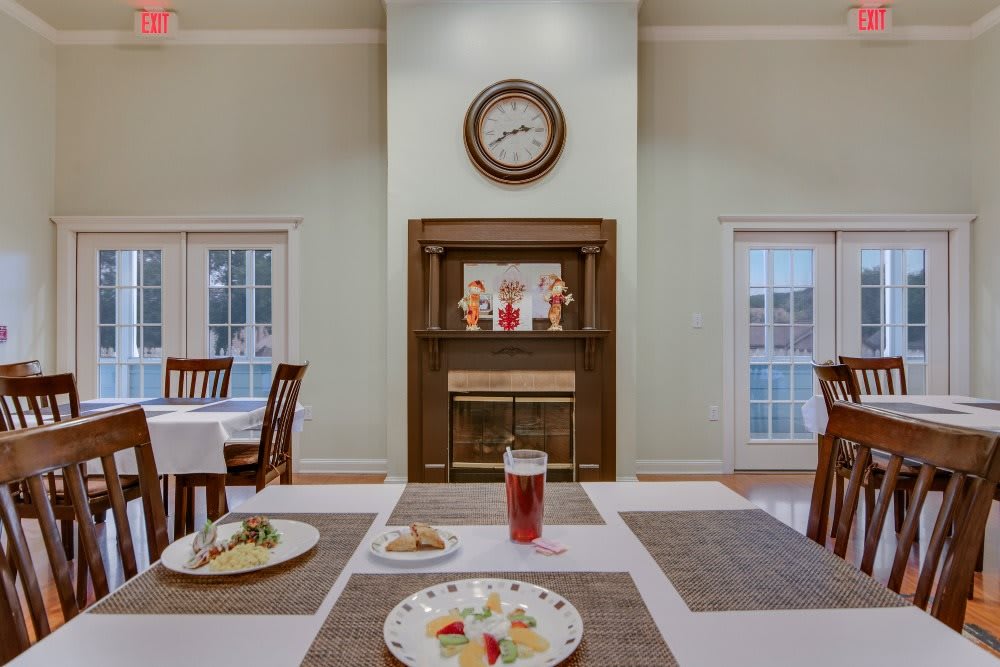
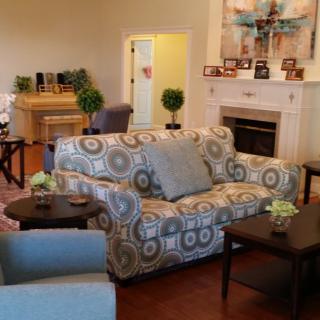
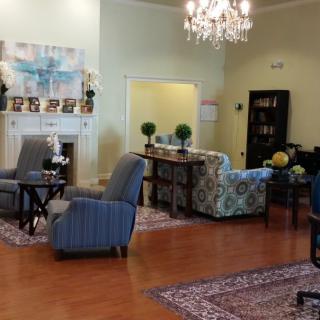
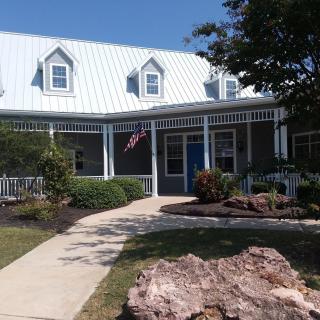
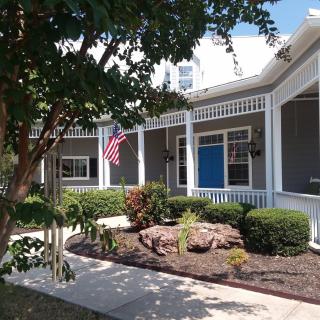
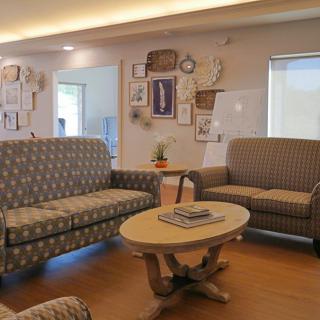
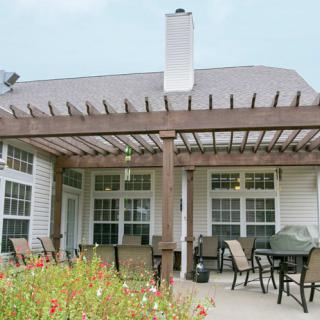
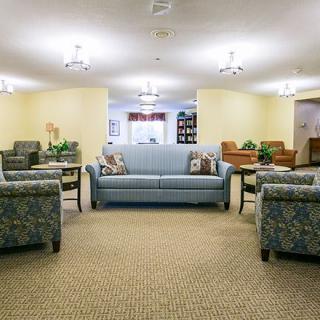
CelesteCare of Fredericksburg is best suited for families seeking a tiny, home-like assisted living option where every resident is known by name and routine is predictable. With around a dozen residents, the community prioritizes intimate, personalized care over sprawling amenities. The environment feels more like a well-kept house than a facility; residents move freely, meals are shared in a dining rhythm that supports appetite, and staff form relationships that become almost familial. For seniors who value quiet, dignity-focused care and the reassurance that the same caregivers routinely check in, CelesteCare delivers. It’s especially appealing for nearby families who want frequent, easy visits and continuity for a loved one who thrives on regular contact with a small, attentive team.
Potential residents who may want alternatives are those who require more robust medical support, more structured programming, or a broader social sphere. The small size, while a strength for personal attention, can feel limiting for someone who desires intensive activities or access to a wider range of therapists and onsite specialists. Staffing churn is a noted concern in reviews; even when the team remains excellent, turnover can put extra pressure on coverage and family communication. Those seeking thorough housekeeping protocols or heavy room cleaning may find the current approach insufficient, and families must judge whether the daily level of care will meet evolving needs. For higher-acuity needs, a larger community with more on-call nursing may be a better fit.
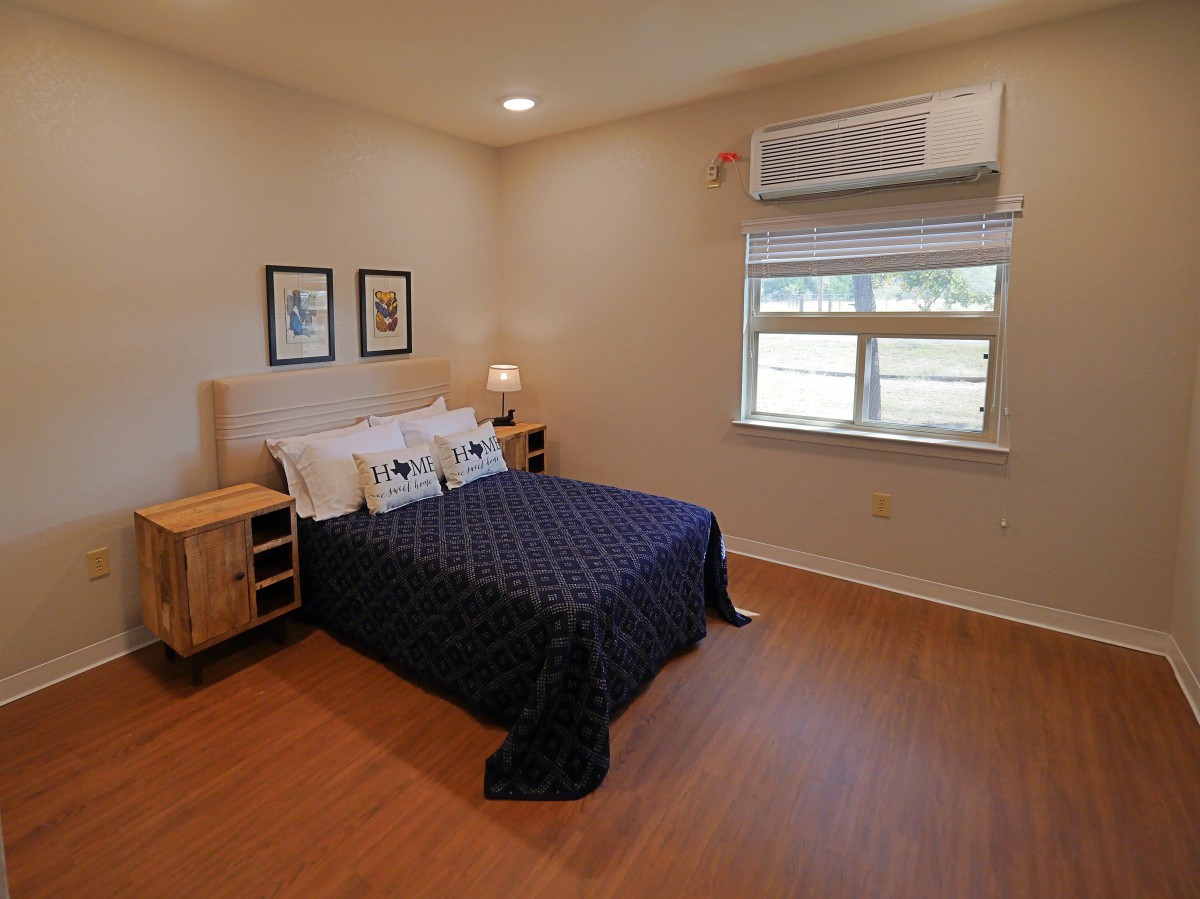
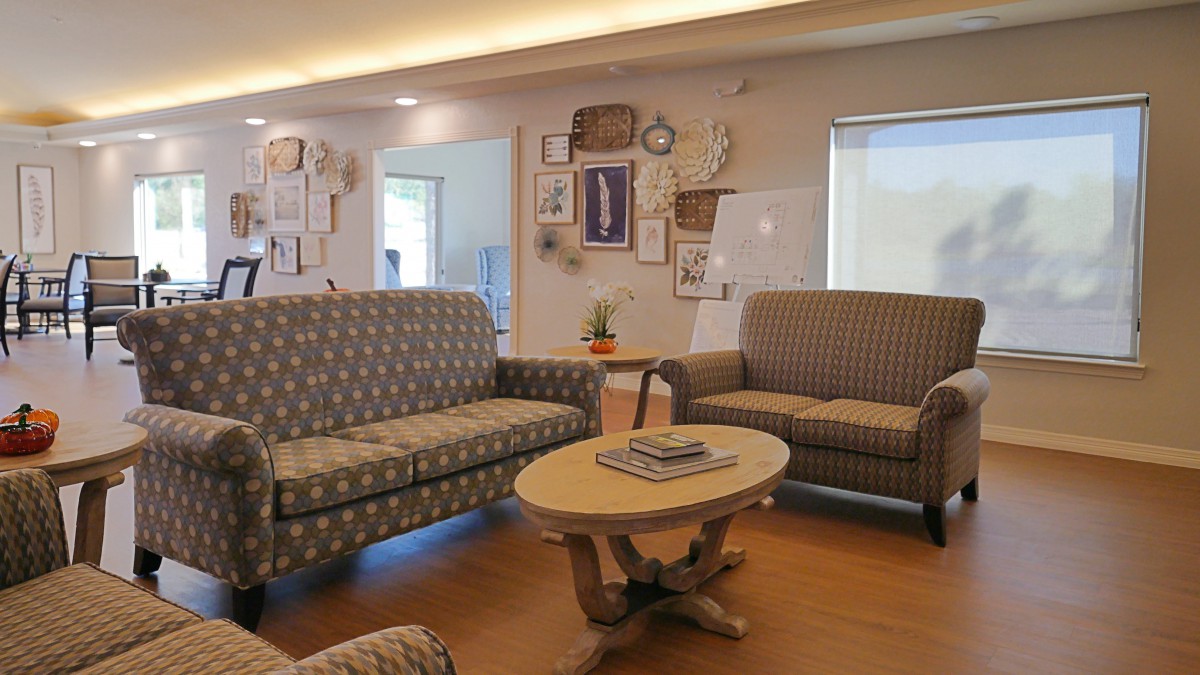
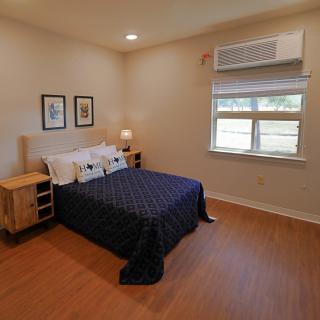
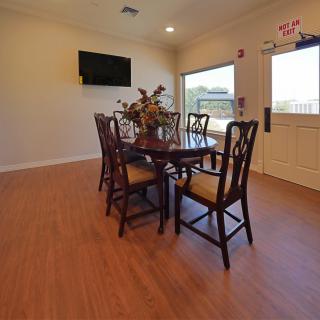
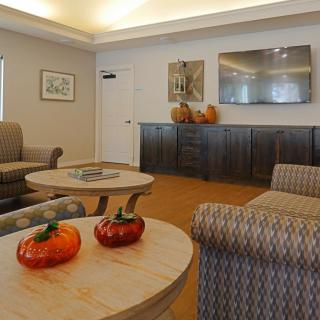
Key positives center on the human touch: a small, resident-focused community led by a director who is widely praised, with staff consistently described as kind, patient, and genuinely invested. Residents experience a home-like atmosphere, with spacious apartments that accommodate personal furnishings, regular meals brought to each resident to support nutrition, and coordinated activities and local outings that feel accessible. The cleanliness and welcoming scent in common areas reinforce a comfortable vibe. The primary drawbacks emerge from staffing constraints and a less comprehensive housekeeping approach in individual rooms, one reviewer notes occasional lapses when spills occur. It’s also clear that CelesteCare sits in the Level B tier, which matters for families navigating expectations about emergency and escalated care.
Yet those cons are often outweighed by the strengths. The intimate scale means staff know residents’ routines, preferences, and health signals with greater nuance than in larger communities, enabling proactive care and quicker adjustments. Leadership by the director provides continuity and a clear line of accountability, which helps when staffing is stretched. On-site medical support, chef-planned meals, and a robust activities calendar translate into meaningful daily value, giving families confidence that essential needs are met without unnecessary relocation. Although room-level housekeeping can lag at times, the communal upkeep, dining areas, hallways, and shared spaces, generally remains high, and staff consistently encourage residents to engage in meals and activities rather than skip them.
When a small, near-home setting is the priority, CelesteCare stands out as a strong choice. It suits seniors who want consistent caregivers, a calm environment, and meaningful social routines delivered through structured activities, with the comfort of professional oversight close at hand. The Level B designation should interest families who anticipate the resident needing assistance but not continuous nursing-level care. For those who fear a loss of autonomy, the homey design, with room to furnish and personalize, offers a gentler transition. However, families planning for future escalations should compare options that provide more intensive medical staffing and deeper housekeeping; for some, migrating to a larger, more clinical setting may be the prudent long-term move.
Prospective residents and families are advised to schedule a tour with direct conversations about daily routines, staffing coverage, and housekeeping standards. Ask for specifics on Level A versus Level B care, and what triggers a move to a higher level of service. Inquire about meal planning, activity calendars, and transportation to off-site events, to verify the program aligns with current lifestyle goals. Speak with current residents or families to gauge consistency of care across shifts and seasons. Finally, compare costs relative to care depth, and test whether the atmosphere, intimate and home-like, fits the resident’s personality and anticipated care trajectory over the coming year.
 16 resident community capacity
 Assisted Living
 Board and Care Home
 Memory Care
 Activities off-site
 Air-conditioning
 Bath tubs
 Cable or satellite TV
 Devotional services off-site
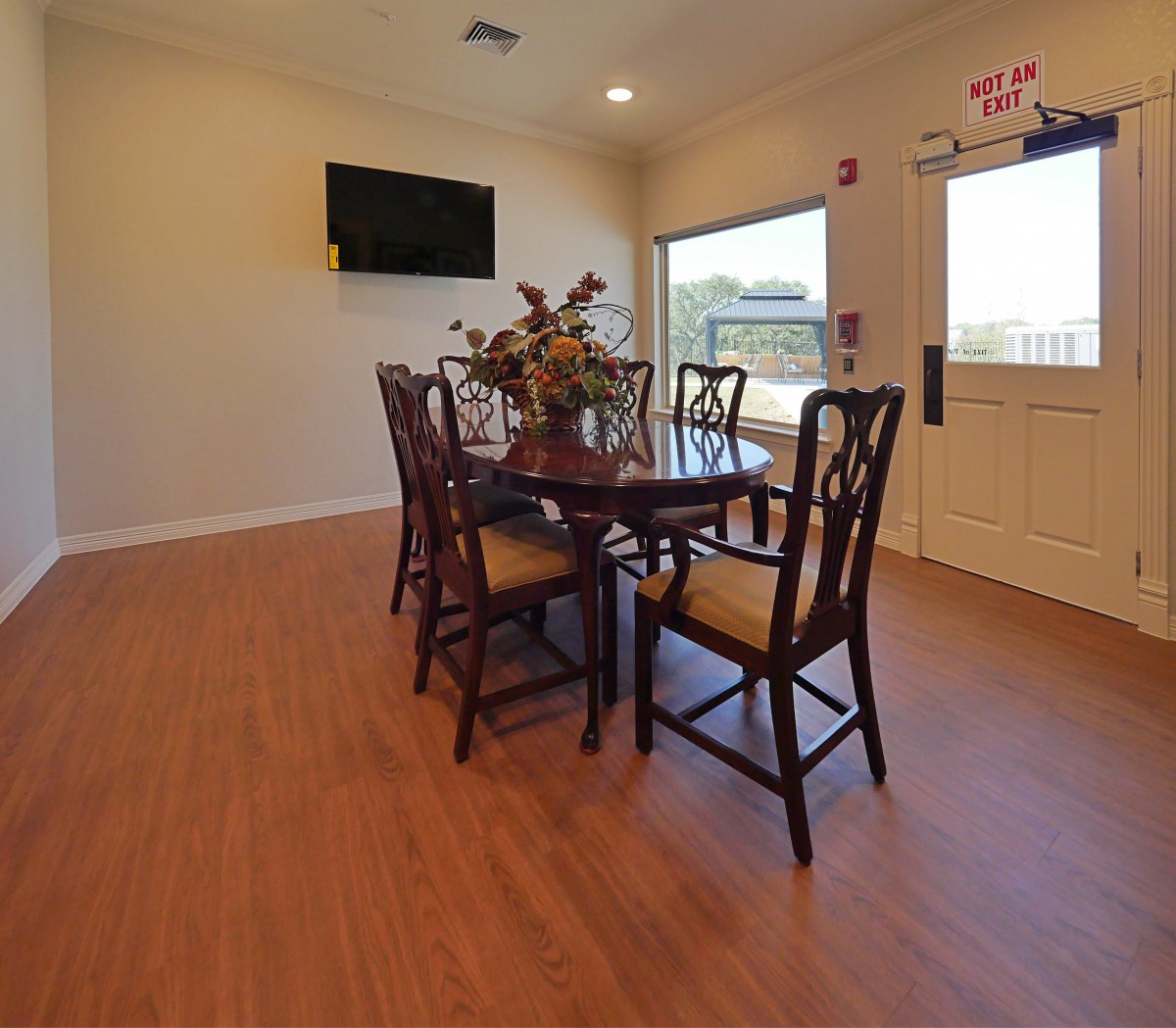
 Dining room
 Fully furnished
 Garden
 Ground floor units
 Handicap accessible
 Housekeeping services
 Indoor common areas
 Kitchenette
 Move-in coordination
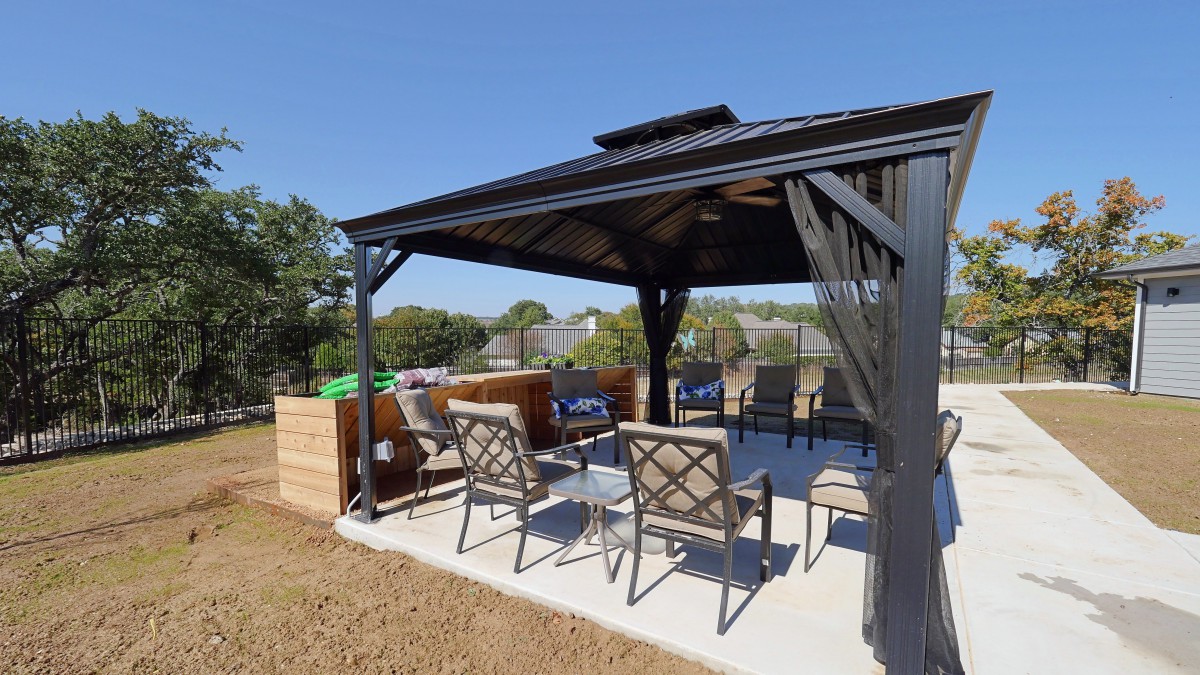
 Outdoor common areas
 Private bathrooms
 Respite or short term stays offered
 Telephone
 Wheelchair accessible showers
 Wi-Fi/high-speed internet available
 24-hour supervision
 Ambulatory care
 Assistance with bathing
 Assistance with dressing
 Assistance with transfers
 Diabetes diet
 Diabetic care
 High acuity care
 Incontinence care
 Meal preparation and service
 Medication management
 Special dietary restrictions
 Transportation arrangement (medical)
 Transportation to doctors appointments
 Art classes
 Brain fitness
 Cooking classes
 Day trips and outings
 Educational speakers / life long learning
 Karaoke
 Live dance or theater performances
 Live musical performances
 Live well programs
 An In-Depth Look at Reminiscence Therapy in Dementia Care
 Dementia-Related Hallucinations: Causes, Experiences, and Practical Approaches
 Illuminating Insights About Alzheimer's Disease: Ten Crucial Realities