Morning Star Memory Care Of Fredericksburg Texas

Save
Morning Star Memory Care Of Fredericksburg Texas Morning Star Memory Care Of Fredericksburg Texas Morning Star Memory Care Of Fredericksburg Texas

Morning Star Memory Care Of Fredericksburg Texas

106 Heritage Hills Drive, Fredericksburg, TX 78624

For more information about senior living options: (844) 490-3973

4.5 from 16 reviews
5 stars
10
4 stars
4
3 stars
2
2 stars
0
1 stars
0

Assisted Living Board and Care Home Memory Care

Morning Star Memory Care Of Fredericksburg Texas Costs & Pricing

At Morning Star Memory Care of Fredericksburg, Texas, the monthly costs for care reflect a commitment to high-quality services tailored to residents' needs. The pricing for a semi-private room is set at $4,100, which is notably higher than the local average in Mason County ($3,043) and the broader state average for Texas ($3,680). For those seeking more privacy, studio accommodations are available at $5,125, again exceeding both county and state benchmarks - Mason County averages $3,616 while Texas overall sees prices around $3,758. These figures suggest that Morning Star offers not only specialized memory care but also an elevated standard of living that may contribute to the increased costs compared to surrounding areas.

Floor plansMorning Star Memory Care Of Fredericksburg TexasMason CountyTexas
Semi-Private$4,100$3,043$3,680
Studio$5,125$3,616$3,758

Overall Review of Morning Star Memory Care Of Fredericksburg Texas

Pros

  • pro Morning Star is a small, 16-bed, family-owned community that feels like a family runs it.
  • pro The staff care deeply about residents and follow through on what they promise.
  • pro Morning Star offers a variety of activities to keep residents active.
  • pro Residents are served balanced, nutritious meals.
  • pro The facility is clean, well-maintained, and has a knowledgeable RN on staff.
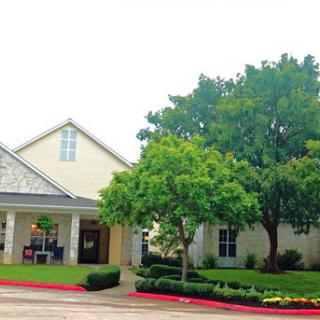
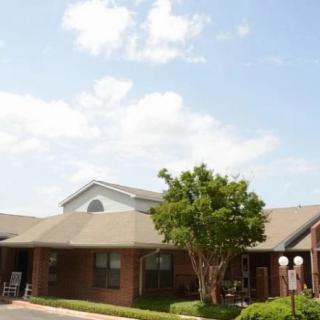
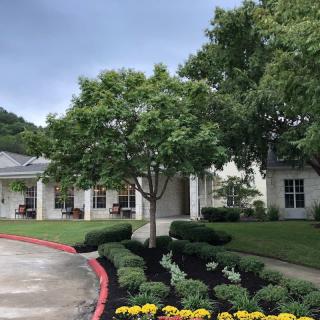
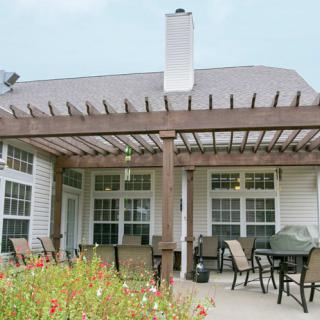
  • pro The atmosphere is open and welcoming, with a large yard and patio for outdoor visits.
  • pro Families feel their loved ones are in good hands and receive loving, individualized care.
  • pro Reviewers describe the staff as friendly, attentive, and compassionate.
  • pro The community fosters a family atmosphere that makes residents feel at home.
  • pro Many reviewers would recommend Morning Star Memory Care to others based on their experience.
  • pro Morning Star is praised for its supportive environment for memory care and personalized attention.

Cons

  • pro There were times when none of the staff were on the floor where most residents spent their days.
  • pro The laundry is not kept up.
  • pro They were shorted what they were due back after paying the monthly payment.
  • pro They did not reply to inquiries about what was owed.
  • pro There were a couple of team members who did not take as good care of the residents as others did.
  • pro They need better food options and more activities.
  • pro No in-room bathrooms and a fully secured environment seem extreme for their needs.
  • pro The facility was too far away for convenient visits.

Review

Morning Star Memory Care of Fredericksburg is best suited for families seeking a small, hands-on memory-care setting where the staff feel like an extension of the family and residents are known individually. With a maximum of 16 beds, the community operates as an intimate home rather than a campus, delivering consistent staffing, genuine relationships, and a calmer daily rhythm that matters when dementia care is the priority. The facility's family-owned heritage translates into a welcoming, open atmosphere, and visitors repeatedly note that residents respond well to personal attention, predictable routines, and a clear commitment to dignity. This is the right match for a loved one who benefits from secure oversight, purposeful activities, and a homelike environment near Fredericksburg.

That said, this community may not be the best fit for every situation. Families seeking a larger campus with a wider array of amenities, more expansive programming, or fully private in-room bathrooms may want to look elsewhere. Those prioritizing aggressive diversification of activities or a more formal, institutional feel might find alternatives with bigger operations, more structured schedules, and polished dining programs more to their liking. Additionally, for families that place a premium on crystal-clear, rapid financial communication and turnkey accountability, it's wise to compare facilities with documented, transparent processes before committing. Morning Star's strengths ride with its intimacy; its gaps show up most clearly where breadth of services matters.

The defining positives center on care that feels personal and purpose-built. Staff are described as attentive and in-tune with residents, with owners and leadership who follow through on commitments. The presence of an RN on staff and a Certified Dementia Practitioner adds clinical credibility, and the on-site focus on memory care is supported by meaningful relationships that develop between residents and caregivers. Activities exist and are thoughtfully designed to keep residents engaged, while meals are generally described as balanced and appealing. The open environment and large yard support safe exploration, and visitors can participate without feeling like outsiders. In short, the small, family-driven framework can produce caregiving that genuinely respects individuality and history, which often offsets the inevitable friction that accompanies any intimate, low-occupancy setting.

Nevertheless, several recurring caveats temper the enthusiasm. A few families report moments when staff were not consistently on the floor with residents, and there are whispers of communication hiccups that can leave families uncertain. Concerns about belongings disappearing and laundry not being kept up surface in some accounts, underscoring the need for proactive, clear policies and meticulous daily operations. Financial concerns appear in a couple of reviews, including refunds that were not promptly resolved; such experiences remind prospective residents to insist on explicit terms, documented agreements, and timely responses before enrollment. The physical layout - no in-room bathrooms and a fully secured environment - reflects deliberate safety choices; for some residents this level of restriction is welcome, for others it can feel overly confining, especially for those at earlier stages of memory loss or who expect more independence.

For families evaluating Morning Star, it is prudent to visit with specific aims: observe whether staff are visibly present on the floor during peak times, ask how belongings are safeguarded, and clarify the laundry process and what is included in the monthly rate. Review the activity calendar to determine if programming aligns with the loved one's interests and energy level, and probe the dining options to ensure dietary needs and preferences can be accommodated. Discuss palliative and dementia-specific care capabilities, and gauge how care plans are updated as needs evolve. Above all, assess whether the sanctuary-like feel and intimate community dynamics will support real progress in quality of life, or if a larger, more resource-rich setting would better meet evolving requirements.

In sum, Morning Star Memory Care stands out as a thoughtful, capable option for families seeking a small, home-like memory-care experience that centers genuine relationships and individualized attention within the Fredericksburg area. The strongest case favors residents who thrive on a tight-knit community, predictable routines, and a care team that treats each person with warmth and respect. The tradeoffs - a limited menu of activities compared to larger campuses, occasional communication gaps, and some concerns about operational glitches - are offset by the unique advantages of intimacy, hands-on supervision, and a setting that feels like a true extension of family life. For families valuing proximity, personal connection, and a compassionate, resident-centered approach, Morning Star Memory Care is a compelling choice; for those needing broader programming, more private amenities, or a higher degree of administrative polish, exploring alternatives remains a sensible step.

Features

Housing

  • 16 resident community capacity 16 resident community capacity

Types of Care

  • Assisted Living Assisted LivingAssisted living facilities provide crucial support and care for seniors who may need help with daily tasks such as medication management, bathing, and meal preparation. These communities offer a safe and comfortable environment where seniors can maintain their independence while receiving the assistance they need to thrive in their golden years.
  • Board and Care Home Board and Care HomeBoard and care homes provide a smaller, more intimate setting for seniors who require assistance with daily tasks but do not need the level of care offered by a nursing home. They offer personalized care, meals, and social activities in a homelike environment, ensuring that seniors receive individualized attention and support in their golden years.
  • Memory Care Memory CareMemory care is crucial for seniors as it provides specialized support and services for individuals with dementia or Alzheimer's disease. These programs offer a safe and secure environment where residents receive personalized care, cognitive stimulation, and help with daily activities. Memory care helps seniors maintain their independence, quality of life, and dignity while also providing peace of mind for their families.

Amenities

  • Activities on-site Activities on-siteActivities on-site are important for seniors because they provide opportunities for socialization, mental stimulation, physical activity, and overall well-being. Engaging in activities can help seniors stay active, maintain their independence, and improve their quality of life.
  • Air-conditioning Air-conditioningAir conditioning is important for seniors as they are more vulnerable to heat-related illnesses and may have underlying health conditions that make it difficult for them to regulate their body temperature. It helps to keep them comfortable, safe, and healthy in hot weather.
  • Beautician on-site Beautician on-siteHaving a beautician on-site at a senior living community is important for seniors as it allows them to easily access grooming and personal care services, boosting their self-esteem and overall well-being. It also provides convenience and helps seniors maintain their sense of independence and personal style.
  • Cable or satellite TV Cable or satellite TVCable or satellite TV is important for seniors because it provides entertainment, news, and companionship, helping to combat loneliness and boredom. It also offers a wide range of programming options tailored to different interests and preferences.
  • Devotional services on-site Devotional services on-siteDevotional services on-site provide seniors with spiritual support and a sense of community, as well as an opportunity for reflection and guidance during their senior living experience. This can promote emotional well-being and connection to others, leading to a more fulfilling and enriching lifestyle in their later years.
  • Dining room Dining roomDining rooms are important for seniors as they provide a space for socialization, connection, and nutritious meals. They offer opportunities for residents to bond over shared meals, foster a sense of community, and promote healthy eating habits. Dining rooms also ensure that seniors have access to well-balanced meals tailored to their dietary needs and preferences.
  • Fully furnished Fully furnishedFully furnished senior living communities are important for seniors because they provide convenience, comfort, and a hassle-free moving experience. Seniors can easily settle into their new living space without the stress of having to buy and move furniture. This allows them to focus on enjoying their new home and community.
  • Garden GardenGardens are important for seniors as they provide a peaceful and therapeutic environment for relaxation, physical activity, and socialization. Being in nature has been shown to reduce stress, improve mood, and promote overall well-being. Gardens also offer opportunities for seniors to engage in gardening activities, which can improve mobility, flexibility, and cognitive function. Additionally, gardens create a sense of community and connection with others who share a passion for plants and outdoor spaces.
  • Ground floor units Ground floor unitsGround floor units are important for seniors because they provide easy accessibility, reduced risk of falls and injuries, and convenience for those with mobility issues. Seniors can avoid climbing stairs or using elevators, making daily tasks and activities more manageable and enjoyable.
  • Handicap accessible Handicap accessible"Handicap accessible" amenities are crucial for seniors to ensure they can easily navigate and access facilities, services, and activities without barriers or limitations due to physical impairments. This promotes independence, safety, and inclusivity for seniors in senior living communities.
  • Housekeeping services Housekeeping servicesHousekeeping services are important for seniors because they help maintain a clean and safe living environment, promote independence, and reduce the risk of accidents or illnesses. Additionally, having assistance with household chores can alleviate physical strain and allow seniors to focus on other aspects of their well-being.
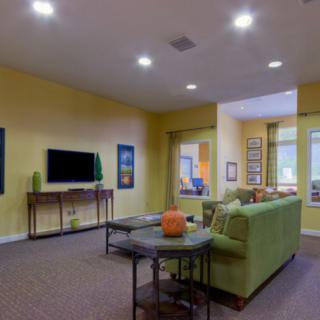
  • Indoor common areas Indoor common areasIndoor common areas are crucial for seniors as they provide a space for socialization, recreation, and community engagement, promoting overall well-being and reducing feelings of isolation and loneliness.
  • Move-in coordination Move-in coordinationMove-in coordination is important for seniors because it helps ease the transition into their new living environment. It ensures that all logistics, such as packing, organizing movers, and setting up utilities are taken care of, allowing seniors to focus on settling in and adjusting to their new home. Having a smooth move-in process can alleviate stress and anxiety, making the transition smoother and more enjoyable for seniors.
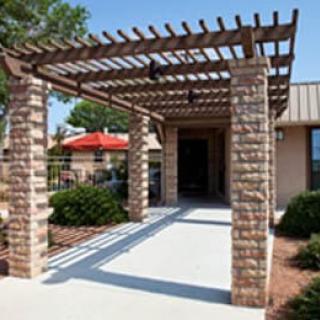
  • Outdoor common areas Outdoor common areasOutdoor common areas are important for seniors as they provide a space for socialization, physical activity, and relaxation. Being outside in nature can improve mood and overall well-being, while also encouraging movement and engagement with others. These spaces can help combat feelings of isolation and promote a sense of community among residents.
  • Outdoor space Outdoor spaceOutdoor spaces are important for seniors as they provide opportunities for physical activity, social interaction, exposure to natural light and fresh air, and a sense of connection to nature. Having access to outdoor spaces can improve overall well-being and quality of life for older adults living in senior communities.
  • Respite or short term stays offered Respite or short term stays offeredRespite or short term stays provide seniors with a temporary solution when their regular caregiver is unavailable, offering them the opportunity to receive additional care and support during times of need, while also giving caregivers a chance to rest and recharge.
  • Telephone TelephoneTelephones are important for seniors as they provide a lifeline for communication with loved ones, emergency services, and healthcare providers. They offer a sense of security and independence, enabling seniors to stay connected and access assistance when needed.
  • Wheelchair accessible showers Wheelchair accessible showersWheelchair accessible showers are crucial for seniors as they provide a safe and independent bathing option for those with mobility challenges. These showers help prevent falls and allow seniors to maintain their dignity and autonomy while ensuring they can bathe comfortably.
  • Wi-Fi/high-speed internet available Wi-Fi/high-speed internet availableWi-Fi/high-speed internet is important for seniors to stay connected with loved ones, access online resources, and participate in virtual activities to combat feelings of loneliness and isolation. It also allows them to easily manage healthcare needs, access entertainment, and engage in lifelong learning opportunities.

Care Services

  • 24-hour supervision 24-hour supervision24-hour supervision is important for seniors to ensure their safety, well-being, and access to immediate assistance in case of emergencies or health issues. This constant support provides peace of mind for both seniors and their loved ones, allowing them to age in place with dignity and security.
  • Activities of daily living assistance Activities of daily living assistanceActivities of daily living assistance are important for seniors because they provide essential support with tasks such as eating, bathing, dressing, and mobility. This assistance helps seniors maintain their independence, dignity, and overall quality of life as they age.
  • Ambulatory care Ambulatory care"Ambulatory care services provide essential medical support and treatment to seniors without requiring hospitalization, allowing them to maintain their independence and quality of life while managing chronic conditions or receiving routine medical care."
  • Assistance with bathing Assistance with bathingAssistance with bathing is crucial for seniors as it helps maintain personal hygiene, prevents infections, and ensures their overall well-being and comfort. It also provides a sense of dignity and independence for seniors who may struggle with this task on their own.
  • Assistance with dressing Assistance with dressingAssistance with dressing is important for seniors because it helps maintain their independence, promotes personal hygiene, prevents accidents and injuries, and improves overall quality of life. This service ensures that seniors can continue to dress comfortably and confidently, despite any physical limitations they may have.
  • Assistance with transfers Assistance with transfersAssistance with transfers is crucial for seniors as it helps prevent falls and injuries, maintains their independence, and ensures they can safely navigate their living environment. It also provides peace of mind for both seniors and their loved ones.
  • Coordination with health care providers Coordination with health care providersCoordination with health care providers is crucial for seniors to ensure proper medical care, medication management, and overall well-being. This collaboration helps prevent overlapping treatments, track progress more effectively, and provide comprehensive support tailored to individual needs.
  • Diabetes diet Diabetes dietA diabetes diet is crucial for seniors as it helps manage blood sugar levels, reduce risks of complications, and improve overall health and well-being. By following a balanced and nutritious diet tailored to their specific needs, seniors can better control their diabetes and enhance their quality of life.
  • Diabetic care Diabetic careDiabetic care is crucial for seniors as they are more susceptible to developing diabetes due to aging and other health conditions. Proper management of diabetes can help prevent complications such as heart disease, vision loss, and nerve damage, improving the overall quality of life for seniors in senior living communities.
  • Incontinence care Incontinence careIncontinence care is essential for seniors to maintain their dignity, hygiene, and overall quality of life. By addressing incontinence issues promptly and effectively, seniors can enjoy a sense of independence and comfort in their daily activities.
  • Meal preparation and service Meal preparation and serviceMeal preparation and service are crucial for seniors as they may have limited mobility or energy to cook nutritious meals. Having access to healthy and convenient food options can ensure they are getting the proper nutrition needed to maintain their overall health and well-being.
  • Medication management Medication managementMedication management is crucial for seniors to ensure they are taking the right medications at the correct dosages and times. This helps prevent adverse drug interactions, reduces the risk of medication errors, and promotes overall health and well-being. Proactive management also allows for adjustments as needed based on changing health conditions or new prescriptions.
  • Special dietary restrictions Special dietary restrictionsSpecial dietary restrictions are important for seniors because age-related changes in metabolism and health conditions can make it difficult for their bodies to process certain foods. By following a diet tailored to their specific needs, seniors can maintain their overall health and well-being, manage chronic conditions, and reduce the risk of complications such as malnutrition or food interactions with medications.
  • Transportation arrangement (medical) Transportation arrangement (medical)Transportation arrangements for medical purposes are essential for seniors as they may have difficulty driving themselves to appointments or accessing public transportation. Having reliable and safe transportation options ensures that seniors can receive timely medical care and maintain their health and well-being.
  • Transportation to doctors appointments Transportation to doctors appointmentsTransportation to doctors' appointments is crucial for seniors as it ensures they have access to necessary medical care and support for their health needs. Without reliable transportation, seniors may struggle to attend important appointments, leading to potential delays in treatment and health complications. Providing transportation services helps seniors maintain their overall well-being and quality of life.

Dining

  • Anytime dining Anytime diningAnytime dining is important for seniors because it allows them the flexibility to eat when they are hungry, rather than being restricted to set meal times. This can be especially beneficial for those with medical conditions or medications that affect their appetite, as well as those who may have difficulty adhering to a strict dining schedule. Overall, anytime dining promotes independence and overall well-being for seniors in senior living communities.
  • Diabetes diet Diabetes dietA diabetes diet is crucial for seniors as it helps manage blood sugar levels, reduce risks of complications, and improve overall health and well-being. By following a balanced and nutritious diet tailored to their specific needs, seniors can better control their diabetes and enhance their quality of life.
  • Guest meals Guest mealsGuest meals are important for seniors living in senior living communities because they provide an opportunity for socialization and companionship. Sharing a meal with friends, family, or new acquaintances can help combat feelings of loneliness and isolation, promote a sense of community, and enhance overall well-being. Additionally, guest meals allow seniors to enjoy delicious food in a comfortable setting without the hassle of cooking or cleaning up, making dining a pleasurable and stress-free experience.
  • International cuisine International cuisineInternational cuisine is important for seniors because it offers a variety of flavors, ingredients, and cultural experiences that can help keep their meals interesting and enjoyable. Trying new dishes can also stimulate the senses and provide different nutrients that contribute to overall health and well-being. Additionally, exploring international cuisine can bring back fond memories of travels or childhood experiences, making mealtime more nostalgic and fulfilling for seniors.
  • Kosher KosherKosher options are important for seniors because they adhere to dietary laws that are significant to many Jewish individuals, providing them with peace of mind and an opportunity to maintain their cultural traditions and beliefs while living in a senior living community.
  • Meals provided Meals provided"Meals provided" are crucial for seniors in assisted living communities as it ensures they have access to nutritious, balanced meals without the stress of meal planning and preparation. This can help promote overall health and well-being for seniors who may have limited mobility or cognitive abilities.
  • No Sugar No SugarNo sugar diets are important for seniors because they can help prevent or manage chronic conditions such as diabetes, heart disease, and obesity. Sugar can also contribute to cognitive decline and inflammation in the body, so reducing sugar intake can lead to overall improved health and well-being in older adults.
  • Organic OrganicOrganic foods are important for seniors because they contain fewer chemicals and pesticides, which can be harmful to aging bodies. Additionally, organic foods often have higher nutrient levels, making them a healthier choice for maintaining overall well-being in older adults.
  • Room service Room serviceRoom service is important for seniors in a senior living community because it provides convenience and allows them to have their meals delivered directly to their room. This can be especially beneficial for seniors who may have mobility issues or difficulty accessing the dining area. Room service ensures that seniors are able to receive nutritious meals without having to navigate through the facility, allowing them to maintain their independence and overall well-being.
  • Special dietary restrictions Special dietary restrictionsSpecial dietary restrictions are important for seniors because age-related changes in metabolism and health conditions can make it difficult for their bodies to process certain foods. By following a diet tailored to their specific needs, seniors can maintain their overall health and well-being, manage chronic conditions, and reduce the risk of complications such as malnutrition or food interactions with medications.
  • Special dining programs Special dining programsSpecial dining programs are important for seniors because they provide nutritious meals tailored to their dietary needs and preferences. These programs also offer socialization opportunities, promote overall health and well-being, and can help prevent malnutrition.
  • Vegetarian VegetarianA vegetarian diet is important for seniors because it can help lower the risk of chronic diseases, maintain a healthy weight, and provide essential nutrients needed for aging bodies. Additionally, plant-based diets are often easier on digestive systems and can contribute to overall well-being in older adults.

Activities

  • Art classes Art classesArt classes are important for seniors because they provide a creative outlet, improve cognitive function, reduce stress and anxiety, promote socialization, and enhance overall well-being and quality of life.
  • Catholic services Catholic servicesCatholic services are important for seniors because they provide spiritual support, a sense of community, and opportunities for social interaction that can enhance overall well-being and quality of life in their later years.
  • Community-sponsored activities Community-sponsored activitiesCommunity-sponsored activities are important for seniors as they provide opportunities for social interaction, mental stimulation, and physical activity. These activities can help improve overall well-being, combat loneliness and isolation, and promote a sense of belonging and purpose among older adults.
  • Devotional activities on-site Devotional activities on-siteDevotional activities on-site provide seniors with a sense of community, spiritual fulfillment, and emotional support, promoting overall well-being and a positive sense of purpose in their lives.
  • Forever fit Forever fit"Forever fit" programs are crucial for seniors as they promote physical activity, social engagement, and overall well-being. These programs help seniors maintain their independence, improve their strength and flexibility, and reduce the risk of chronic diseases. By participating in these activities, seniors can enjoy a higher quality of life and live independently for longer.
  • Karaoke KaraokeKaraoke provides seniors with a fun and social activity that can boost mood, confidence, and cognitive function. It encourages social interaction, physical movement, and creative expression, making it an important form of entertainment for senior living communities.
  • Live dance or theater performances Live dance or theater performancesLive dance or theater performances are important for seniors because they provide opportunities for socialization, mental stimulation, and emotional engagement. These performances can help combat feelings of isolation and loneliness, while also offering a sense of connection to the arts and culture. Additionally, watching live performances can bring joy and create lasting memories for seniors in their later years.
  • Live musical performances Live musical performancesLive musical performances can provide seniors with a sense of joy, nostalgia, and connection. Music has the power to evoke emotions and memories, improve mood and cognitive function, and foster social interaction among seniors. It can also serve as a form of therapy and stress relief for older adults, making it an important activity to include in senior living communities.
  • Live well programs Live well programs"Live well programs are essential for seniors as they provide opportunities for physical activity, social engagement, and mental stimulation, ultimately promoting overall health and well-being in later years."
  • Mormon/LDS services Mormon/LDS servicesMormon/LDS services are important for seniors as they provide a sense of community, spiritual support, and connection to their faith during their later years. These services offer opportunities for socialization, worship, and guidance in navigating the challenges of aging.
  • Other religious services Other religious servicesOther religious services are important for seniors as they provide a sense of community, spiritual comfort, and opportunities for socializing. These services can help seniors feel connected to their faith and maintain a sense of purpose and belonging in their later years.
  • Protestant services Protestant servicesProtestant services are important for seniors because they provide spiritual nourishment, community support, and a sense of belonging. These services can help seniors connect with others who share their faith, find comfort and guidance in times of need, and maintain a sense of purpose and fulfillment in their later years.
  • Scheduled daily activities Scheduled daily activitiesScheduled daily activities are important for seniors because they provide structure, socialization, mental stimulation, and physical activity. Engaging in regular activities can improve overall well-being and quality of life for seniors living in a community setting.
  • Visiting chaplain or priest Visiting chaplain or priestHaving a visiting chaplain or priest at a senior living community is important for seniors because it provides spiritual support, comfort, and guidance during a time of life that can be challenging and uncertain. Their presence can help seniors feel connected to their faith, find peace of mind, and cope with the emotional and mental struggles they may face in their later years.

Description

Morning Star Memory Care is an assisted living community located in Fredericksburg, Texas. We specialize in providing board and care for seniors with memory impairments. Our facility offers a variety of amenities to ensure the comfort and well-being of our residents.

Our air-conditioned apartments are fully furnished and have ground floor access for easy mobility. We provide housekeeping services to keep the living spaces clean and tidy. In addition, our indoor common areas are designed for socializing and engaging in activities.

For those who enjoy spending time outdoors, we have a beautiful garden and outdoor common areas where residents can relax and enjoy fresh air. Our community is also wheelchair accessible to accommodate individuals with mobility challenges.

At Morning Star, we understand the importance of nutrition and offer a wide range of dining options. We provide meals that cater to special dietary needs such as diabetes diets, no sugar diets, organic food preferences, kosher diets, vegetarian diets, and more. Room service is available for those who prefer to dine in their apartments.

Engaging in stimulating activities is essential for our residents' overall well-being. We offer various scheduled daily activities, including community-sponsored events and religious services such as Catholic, Mormon/LDS, Protestant services, among others. Our live entertainment programs include dance or theater performances as well as musical performances.

Convenience is important when it comes to accessing amenities and services outside our community. Morning Star Memory Care is surrounded by numerous cafes, parks, pharmacies, restaurants, places of worship, physicians' offices nearby. Additionally, we provide transportation arrangements for medical appointments.

At Morning Star Memory Care in Fredericksburg Texas, we prioritize the comfort and specialized care needs of individuals with memory impairments. With our comprehensive care services and array of amenities available both indoors and outdoors along with easy access to neighboring facilities - we create a warm and supportive environment where seniors can thrive while receiving personalized assistance with their daily living activities.

Nearby Places of Interest

This part of Fredericksburg, Texas offers a quaint and vibrant community with a variety of amenities within close proximity. There are several cafes, restaurants, pharmacies, and places of worship nearby, providing convenience for daily needs and social activities. Additionally, there are reputable physicians and a hospital in the area for medical care. The parks in the vicinity offer opportunities for outdoor recreation and relaxation. The transportation options also ensure easy access to services beyond the immediate area. Overall, this part of Fredericksburg provides a well-rounded living environment with a strong sense of community and support for senior residents.

Cafes

  • Starbucks (0.7 miles)
  • Emma + Ollie (1.8 miles)
  • Twisted Sisters Bake Shop (2 miles)
  • Greater Grace Christian Coffee House (2 miles)
  • H-E-B Deli (2.2 miles)
  • The Stable Cocktail Bar (2.3 miles)
  • Austin Street Java & Gelato (2.4 miles)

Places of Worship

  • Calvery Pentecostal Church (0.7 miles)
  • Oak Hills Church (2.3 miles)
  • Southern Baptist Convention (2.4 miles)
  • St Mary's Catholic Church (2.6 miles)
  • Fredericksburg United Methodist Church (2.7 miles)
  • Church of Jesus Christ of Latter Day Saints (2.8 miles)
  • Memorial Presbyterian Church (2.9 miles)

Restaurants

  • Whataburger (1 miles)
  • Sonic Drive-In (1.2 miles)
  • Opa's Smoked Meat (2 miles)
  • The Auslander (2 miles)
  • Tubby's Ice House (2 miles)
  • Otto's (2.1 miles)
  • Woerner Warehouse (2.1 miles)

Pharmacies

  • Prescription Laboratory (2.2 miles)
  • H-E-B Pharmacy (2.3 miles)
  • Walgreens (2.3 miles)
  • Valu-Med Pharmacy (2.4 miles)
  • The Drug Shop (19.7 miles)
  • Comfort Pharmacy (19.7 miles)
  • The Drug Shop (19.7 miles)

Physicians

  • Pedernales Medical Group (2.2 miles)
  • Austin Heart - Fredericksburg (2.2 miles)
  • Cornerstone Clinic (2.3 miles)
  • Gastroenterology Clinic of San Antonio (2.3 miles)
  • Hill Country Facial Plastic Surgery Center (2.3 miles)
  • Dr Fincke (2.3 miles)
  • Hill Country Vision Center (2.3 miles)

Hospitals

  • Hill Country Memorial Hospital (2.3 miles)
  • Hill Country Memorial Health (2.3 miles)

Parks

  • Marktplatz (2.4 miles)
  • The H-E-B Playground at Marktplatz (2.5 miles)
  • Old Tunnel State Park (10.3 miles)

Transportation

  • Artistic Impressions Taxidermy (3.4 miles)
  • Enterprise Rent-A-Car (20.4 miles)

Frequently Asked Questions

How much does it cost to live at Morning Star Memory Care Of Fredericksburg Texas in Fredericksburg, TX?
Where is Morning Star Memory Care Of Fredericksburg Texas?
Does Morning Star Memory Care Of Fredericksburg Texas provide care for residents with dementia or Alzheimer's disease?
What photos are available for Morning Star Memory Care Of Fredericksburg Texas in Fredericksburg, Texas?

Nearby Communities

  • Fredericksburg Nursing And Rehabilitation

    Fredericksburg Nursing And Rehabilitation

    Fredericksburg, TX

    3 from 6 reviews
    $2,330 to $3,563 / month

    pro Competitive pricing for semi-private and private rooms compared with county and state averages.

  • Knopp Assisted Living Center

    Knopp Assisted Living Center

    Fredericksburg, TX


    pro 24/7 supervision with extensive amenities and activities

  • Windcrest Nursing And Rehabilitation Center

    Windcrest Nursing And Rehabilitation Center

    Fredericksburg, TX


    pro Comprehensive 24/7 care with restaurant-style dining and on-site amenities.

  • Knopp Healthcare And Rehab Center

    Knopp Healthcare And Rehab Center

    Fredericksburg, TX

    4.7 from 3 reviews
     

    pro Attentive staff delivering quality care

  • The Villages of Windcrest

    The Villages of Windcrest

    Fredericksburg, TX

    4.5 from 31 reviews
    $3,950 to $6,450 / month

    pro Clean, attractive environment with good meals and engaging activities.

  • Knopp Retirement Center

    Knopp Retirement Center

    Fredericksburg, TX

    4.5 from 16 reviews
     

    pro Strong sense of community with caring, attentive staff.

  • New Haven Memory Care of Kerrville

    New Haven Memory Care of Kerrville

    Kerrville, TX

    4.8 from 30 reviews
    $4,950 to $5,500 / month

    pro Caring, engaging staff and a clean, activity-rich environment.

  • Brookdale Kerrville

    Brookdale Kerrville

    Kerrville, TX

    4.1 from 76 reviews
    $4,325 to $4,755 / month

    pro Caring staff in a home-like setting with engaging activities.

  • River Point Of Kerrville

    River Point Of Kerrville

    Kerrville, TX

    4.2 from 63 reviews
    $3,650 to $4,545 / month

    pro Beautiful, welcoming community with friendly staff and engaging amenities.

Related Resources

  • dementia stagesUnderstanding Dementia Through Its Seven Stages: A Comprehensive Look at Progression and Expectations

    Dementia encompasses a range of cognitive impairments characterized by types such as Alzheimer's and vascular dementia, and follows a seven-stage progression model known as the Global Deterioration Scale (GDS), highlighting varying symptoms and decline timelines. Early detection allows for lifestyle adjustments to potentially slow progression, while caregivers need support and resources to manage the challenges involved in caring for affected individuals.

  • dementia careA Holistic Dementia Care Guide: Effective Strategies for Memory Support

    The guide on holistic dementia care outlines the complexity of dementia and stresses the need for individualized caregiver strategies that include medical treatment, psychological support, and environmental adaptations, while emphasizing early detection, various therapeutic options, and caregiver support to enhance quality of life and maintain dignity.

  • dementia careMemory Care Pathways: A Holistic Guide to Dementia Support
    "Memory Care Pathways: A Holistic Guide to Dementia Support" outlines the complexities of dementia and its various types, emphasizing early detection, patient-centered care strategies, caregiver support, and long-term care options while addressing legal and financial considerations to enhance the quality of life for individuals with dementia and their families.