
202 Billie Drive, Fredericksburg, TX 78624
For more information about senior living options: (866) 208-4318
Overall Review of Knopp Assisted Living Center
Pros
 The staff have been consistently kind, respectful and thoughtful.
- My family member enjoys living there, likes the food and remains grateful to those who help him every day.
Cons
 Katie is a terrible employee.
- She does not help the residents and is always on her phone, being rude.
- She left one resident full of feces for another employee to clean up.
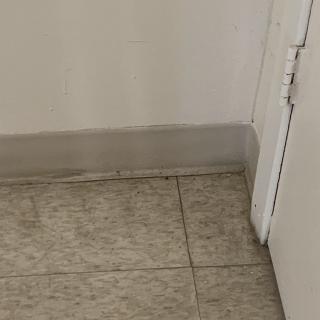
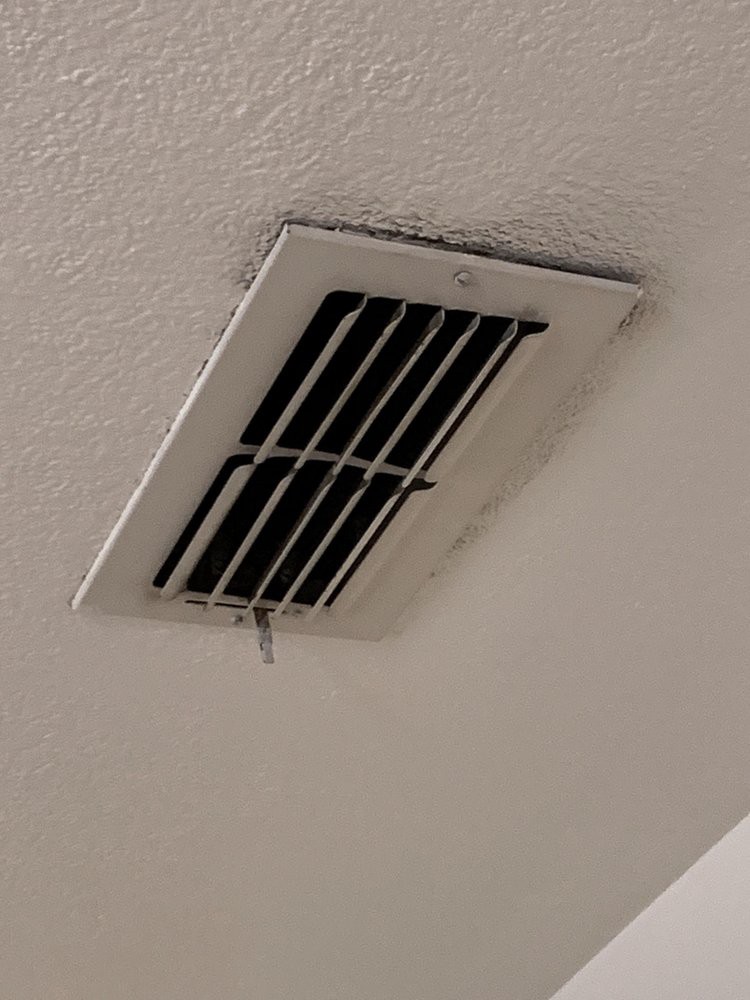
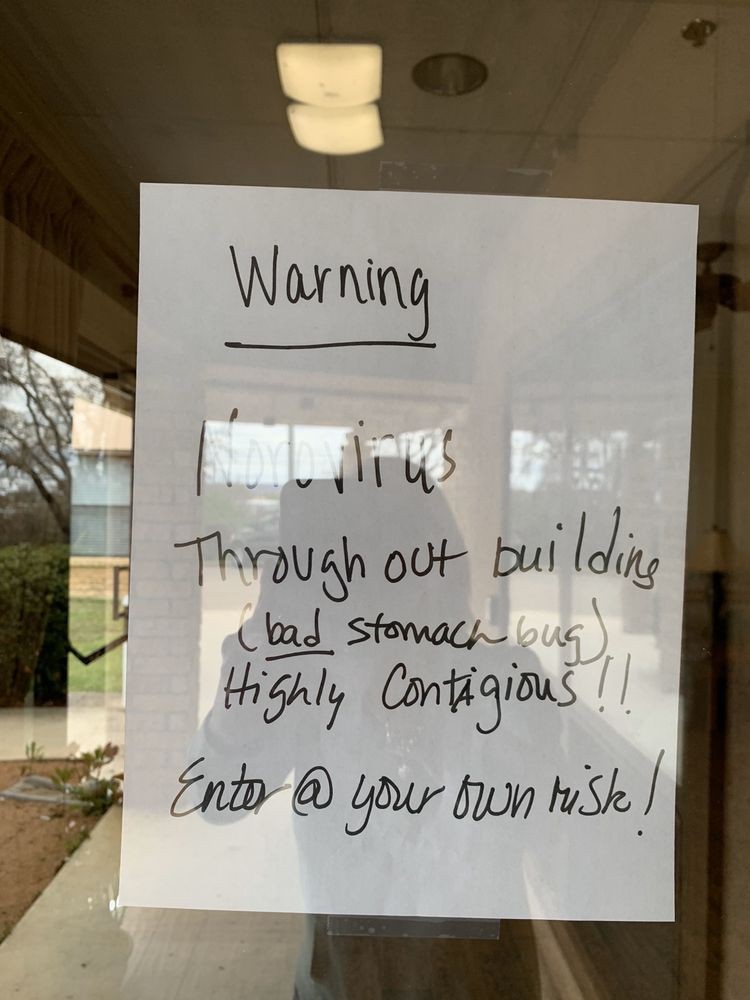
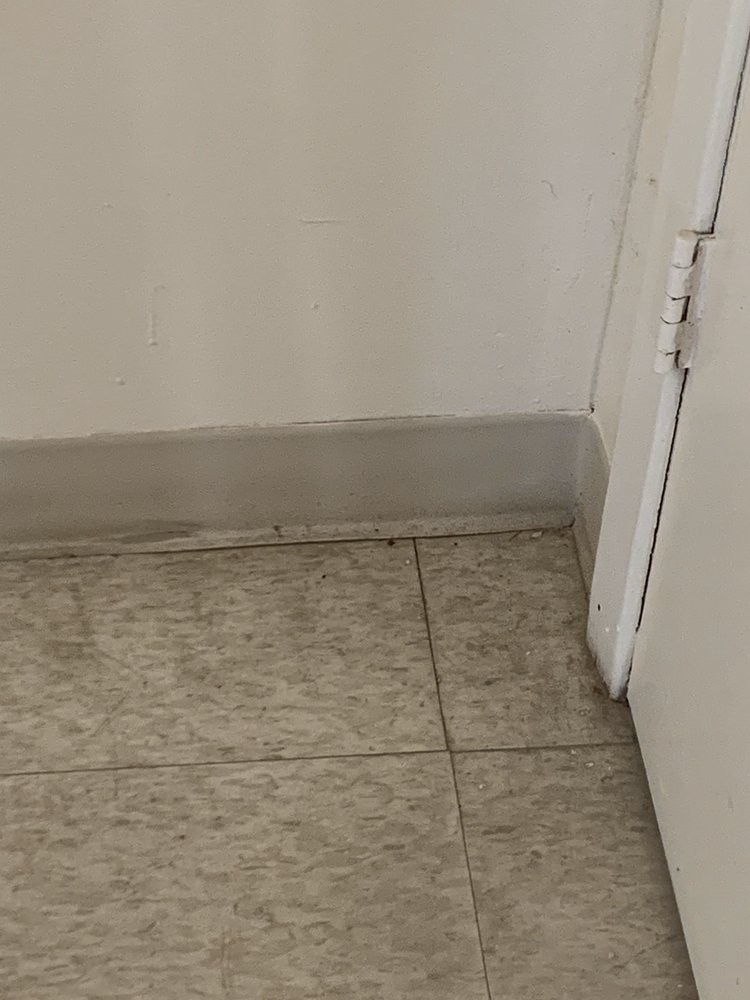
- The memory care wing showed horrible filth and the elderly patients could not take care of themselves.
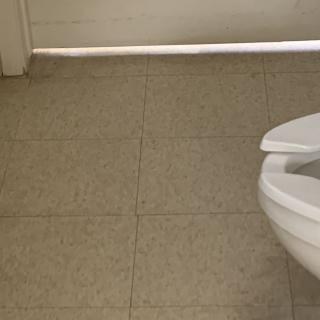
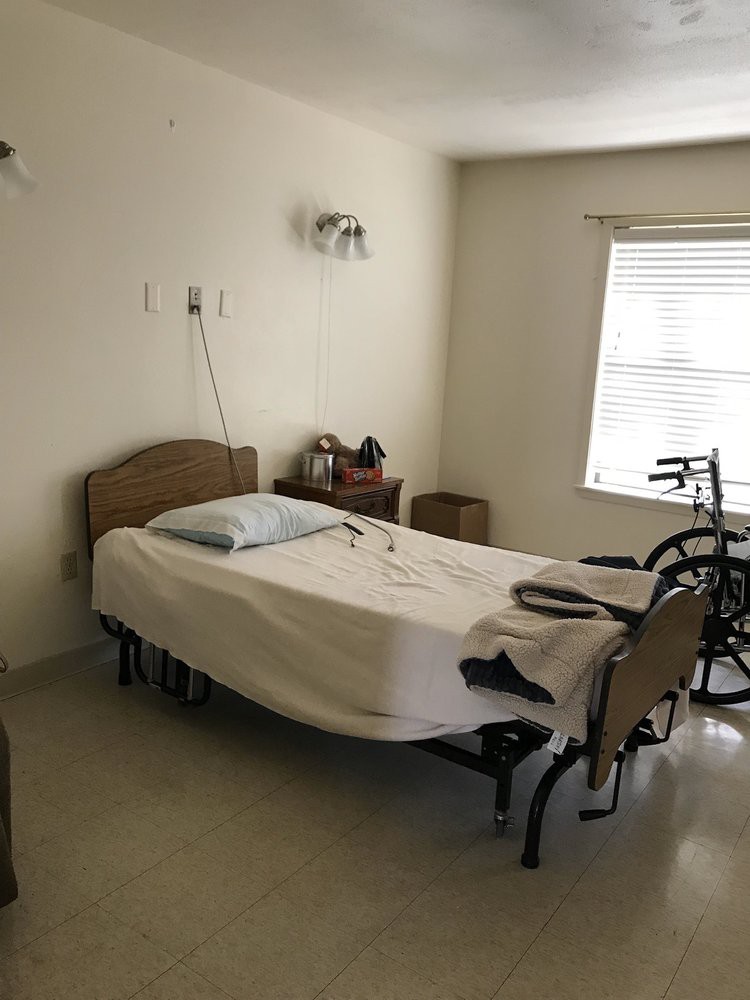
- The bathroom was not ADA compliant and the father was wheelchair bound.
- Owner Jane Perry had a nonchalant attitude, saying they couldn’t help the father.
- The reviewer warned to go elsewhere.
Review
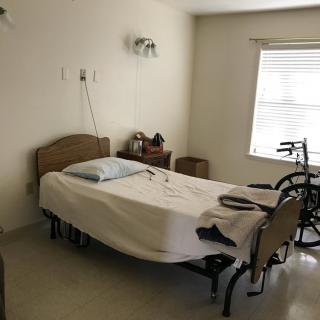
Knopp Assisted Living Center in Fredericksburg is best suited for families seeking a modest, budget-conscious option where daily life centers on a homey feel, attentive but variable staffing, and decent meals. This community can work for residents who are relatively independent or lightly assisted and who can tolerate fluctuations in caregiver consistency. In practice, praise from some families highlights friendly, respectful interactions and daily help that keeps a loved one engaged and supported. For households prioritizing cost savings and a smaller, less clinical atmosphere, this site can feel approachable and approachable enough to make daily routines workable.
Those weighing alternatives should note that this is not a one-size-fits-all fit. Families with residents who require steady, highly supervised memory care, robust clinical oversight, or uncompromising safety standards should look elsewhere. The most alarming signals in the feedback center on the memory care environment, including concerns about cleanliness, ADA accessibility, and a management tone that some families found disengaged. These red flags tend to tilt heavily toward facilities with transparent, consistently enforced protocols and proactive problem resolution, especially for residents who cannot advocate for themselves.
The strongest positives track to everyday living: kind, respectful staff in multiple accounts, a responsive atmosphere for daily assistance, and meals that residents enjoy. When these pieces align, residents can experience meaningful daily routine, social interaction, and reliable support for basic activities. Yet these advantages are tested by notable gaps elsewhere, an incident alleging neglect by a staff member, and a separate report describing a memory care area in distress with substandard cleanliness and non-ADA compliant facilities. The divergence between these experiences makes the overall value contingent on current staffing, management responsiveness, and the specific unit a resident will inhabit.
In practical terms, the pros partially offset the cons only if the resident does not require intensive memory care oversight and the family can verify consistent, accountable staffing. Where friction surfaces, such as documented cleanliness concerns and questions about how issues are escalated, the offset weakens. Potential residents should not rely on general warmth alone; there needs to be a clear, verifiable commitment to high hygiene standards, accessible design features, and a proactive approach by management to complaints. Until those elements are demonstrably stable, the risk of recurring problems remains a meaningful consideration.
Prospective movers should approach with a due-diligence mindset. Schedule a front-to-back tour of both the general population areas and any memory care wing, and request to speak with current residents and families about day-to-day staffing reliability. Inspect sanitation practices, room condition, and ADA-related features firsthand. Ask for recent state survey results, incident logs, and a concrete plan for addressing any reported deficiencies. Clarify who is responsible for oversight, how quickly concerns are resolved, and whether owner or executive leadership regularly engages with families. This is essential to determine if the environment truly sustains consistent care or simply offers pockets of quality that may not be universal.
Bottom line: Knopp Assisted Living Center offers a mixed proposition. It can serve families prioritizing a warm, home-like setting and decent mealtime experiences at a lower price point, where the resident does not demand concentrated memory care or rigorous safety standards. However, for those needing dependable, uniformly high-quality memory care with proven cleanliness and responsive management, alternatives should be seriously considered. The decision should hinge on current staffing stability, the facility’s ability to demonstrate sustained cleanliness and ADA compliance, and the transparency of leadership in addressing past concerns. Tour, verify, and compare concrete metrics before committing.
 60 resident community capacity
 Assisted Living
 Skilled Nursing Facility
 Air-conditioning
 Beauty salon
 Cable or satellite TV
 Computer center
 Dining room
 Fitness room
 Fully furnished
 Gaming room
 Garden
 Housekeeping services
 Kitchenette
 Move-in coordination
 Outdoor space
 Private bathrooms
 Restaurant-style dining
 Small library
 Telephone
 Wellness center
 Wi-Fi/high-speed internet available
 Community operated transportation
 12-16 hour nursing
 24-hour call system
 Activities of daily living assistance
 Assistance with bathing
 Assistance with dressing
 Assistance with transfers
 Diabetes diet
 Medication management
 Mental wellness program
 Special dietary restrictions
 Concierge services
 Planned day trips






 Comprehensive Insights into Activities of Daily Living (ADLs) and Their Assessment
 Medicare Coverage for Assisted Living: An In-Depth Exploration
 Your Comprehensive Guide to Luxury Assisted Living: Elevated Facilities, Amenities, and Costs