
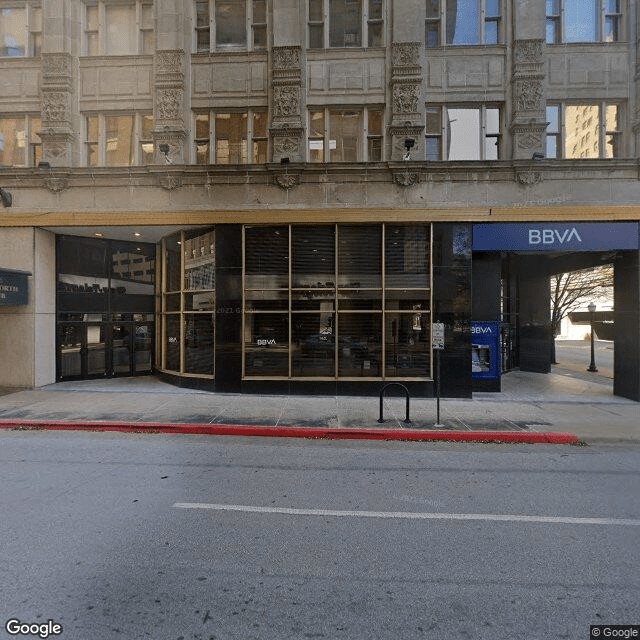
306 W 7th St. Suite 415, Fort Worth, TX 76102
To contact a resident: (817) 335-4111
For more information about senior living options: (866) 208-4318
Overall Review of Cathedral Rock
Cons
 They are a telemarketing company, not an assisted living home.
- Their number is being used by a telemarketing company.
- They do not operate as an actual assisted living home.
- The review suggests they are more of a telemarketing operation than a legitimate care facility.
Review
Cathedral Rock in Fort Worth is best suited for families evaluating a provider primarily through its marketing presence rather than documented care outcomes. The one substantive user experience available frames the operation as a telemarketing-focused entity rather than a traditional, let alone reputable, assisted living home. In practical terms, this means the community may only appeal to households that interpret aggressive outreach as a sign of engagement, while ignoring fundamental questions about licensing, daily care routines, staffing, and resident well-being. For seniors with real needs for supervision, medication management, or social programming, this profile signals a mismatch with what reliable assisted living should deliver.
Explicitly, those who should consider alternatives are families seeking transparent operations and verifiable resident care outcomes. Anyone prioritizing consistent in-person tours, candid conversations with staff, and access to current resident references should look elsewhere. Seniors with health conditions, mobility challenges, or memory care needs deserve communities with proven care standards, not a marketing-first impression. Also, purchasers who value straightforward pricing, contract clarity, and accessible licensing information will likely find Cathedral Rock lacking. In short, anyone who suspects that an outreach-heavy approach masks deeper gaps should move to more established operators.
Regarding pros, there are none clearly evident in the available feedback. The sole documented review offers no affirmed strengths, no detail on meal quality, activities, safety, or staff responsiveness, only a pointed concern about where the phone number comes from and what the operation truly is. That absence matters: in decision terms, unverified promises cannot offset the core risk implied by a telemarketing-focused identity. Without credible benefits like transparent pricing, consistent staffing, and demonstrable resident satisfaction, the apparent marketing vigor cannot compensate for the lack of trust and known quality signals.
From a due-diligence perspective, the primary red flag demands rigorous scrutiny. Prospective residents should verify licensing status with the state, request direct contact with current residents or families, and insist on a structured tour that includes observing daily routines and security measures. Check for recent inspection reports, complaint history, and ownership changes. Ask for written policies on admissions, discharge planning, and medical oversight. If the operator relies on outbound calls or pressuring contacts rather than offering clear, face-to-face engagement, that should be a warning sign. In short, the integrity of the operation hinges on transparent, verifiable care delivery, not persuasive outreach.
When evaluating alternatives, prioritize communities with verifiable outcomes: consistent staffing ratios, registered nurse or medically trained oversight, well-established activity calendars, and documented resident satisfaction. Use in-person visits to gauge cleanliness, smell, noise levels, and staff responsiveness, and demand a careful read of the resident agreement. Compare costs, but ensure that what is included is clearly defined, medications, personal care assistance, and routine care assessments. Favor operators with longstanding local reputations, independent inspections, and third-party reviews. In these terms, Cathedral Rock should not be favored, since the one available anecdote raises substantive concerns about care integrity.
Bottom line: Cathedral Rock presents a high-risk proposition for families seeking dependable assisted living in Fort Worth. The lack of corroborating care-quality signals paired with a troubling emphasis on outreach over substance points toward alternatives that offer real transparency and proven resident-focused services. The prudent path is to pursue communities with established licensing, demonstrable care outcomes, and reassurance from current residents. If exploration of Cathedral Rock continues, it must be tempered by rigorous verification, multiple independent perspectives, and a readiness to walk away if the engagement feels like marketing rather than care.
 Dallas-Fort Worth International (20 miles away)
 Personalized caregiver matching with courteous, attentive, and reliable care.




 Home Health Care Aides: Understanding Their Role and Supporting Your Family
 Urinary Tract Infections in Older Adults: Comprehensive Insights on Symptoms, Treatment, and Prevention
 California's Form 602A: An In-Depth Examination of Senior Care Assessment