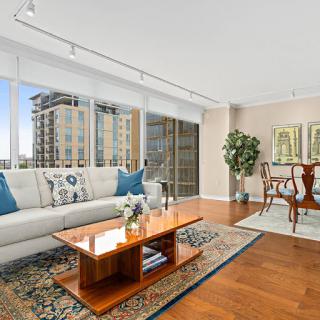


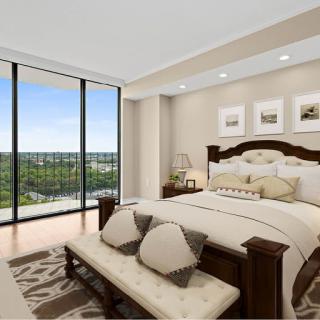
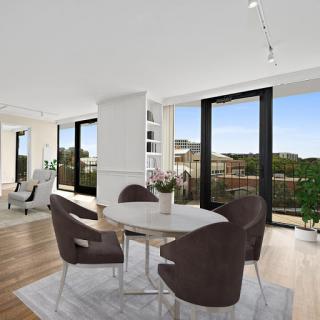

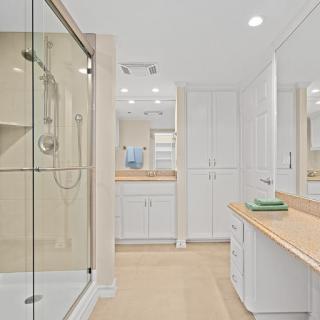
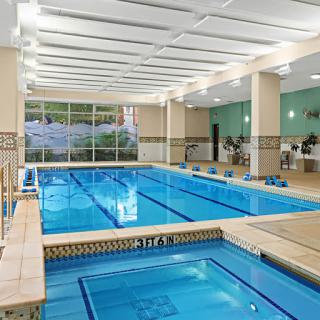

1600 Texas Street, Fort Worth, TX 76102
For more information about senior living options: (866) 208-4318
Overall Review of Trinity Terrace
Pros
 The staff are great and the atmosphere is wonderful.
- Trinity Terrace provides a seamless transition through independent living, skilled nursing, and memory care.
- The staff are beautiful inside and out, especially on the second floor.
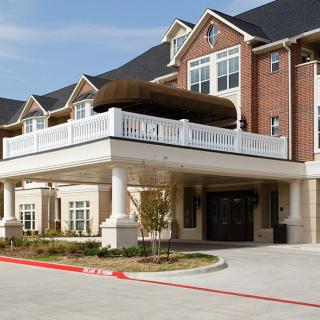
- Trinity Terrace feels luxurious, with a very helpful and patient concierge.
- Residents love the place and feel they get what they pay for.
- A mom’s rehab experience showed that the staff are caring and on top of things.
- If given the chance to place a loved one there, one wouldn’t get better care anywhere.
- Trinity Terrace offers excellent rehab, terrific staff, and engaging activities.
- The food is terrific with multiple dining options and well-organized facilities.
- The home has great COVID protocols and a welcoming environment.
Cons
 The reviewers described the staff as not courteous, with residents moved three times to accommodate more people, which was intolerable.
- One nurse (Esther) was said to have no sense of urgency and not care about questions.
- The care team allegedly delayed essential care for the reviewer’s grandmother, leading to dehydration and near-fatal complications.
- It took five hours to draw blood, and antibiotics were not started until days later.
- The reviewer feared that vulnerable patients without advocates could be neglected, potentially resulting in death.
- The reviewer wished they could give negative stars.
Review
Trinity Terrace is best suited for seniors who want an upscale, single-campus continuum of care and are prepared to invest in prestige as part of daily life. This community shines for families seeking a smooth progression from independent living through skilled nursing and memory care without the disruption of moving to a different campus. The staff-centered culture, resort-like amenities, and a strong social fabric make it ideal for residents who prize a vibrant lifestyle, personalized service, and the reassurance of care teams integrated across levels. Those who want to stay in one place while aging, enjoying fine dining, regular activities, and real rehab resources on site will find Trinity Terrace compelling. It is especially appealing to families who value a well-staffed environment where caregivers are attentive, engaged, and genuinely present.
Yet, Trinity Terrace is not the right fit for everyone. A tighter budget or a preference for no-buy-in arrangements should steer families toward alternatives, as the model leans into upfront capital plus ongoing monthly fees. The premium, multi-dining, on-site rehab layout also means higher costs than many comparable communities. For families prioritizing straightforward month-to-month leases, minimal upfront commitments, or lower-cost options, other Fort Worth options may align better with expectations. Also, despite a generally strong track record, every family should scrutinize how care is delivered on the skilled nursing/rehab floor, because concerns have surfaced in a few reviews about responsiveness and medical oversight. In short, Trinity Terrace rewards those who can justify the investment with a high-value lifestyle and integrated care.
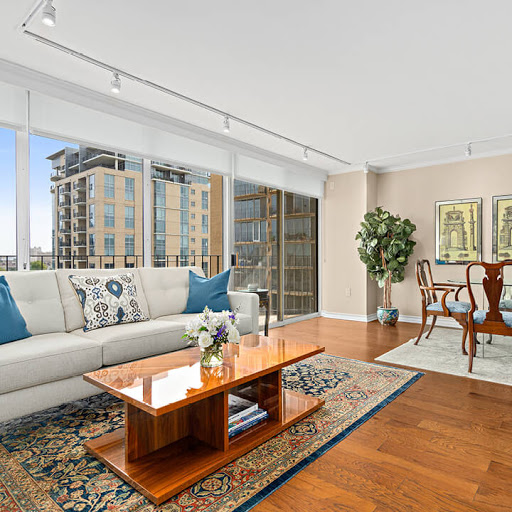
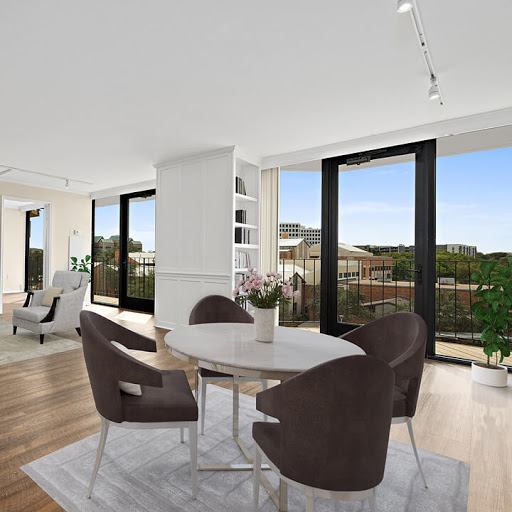
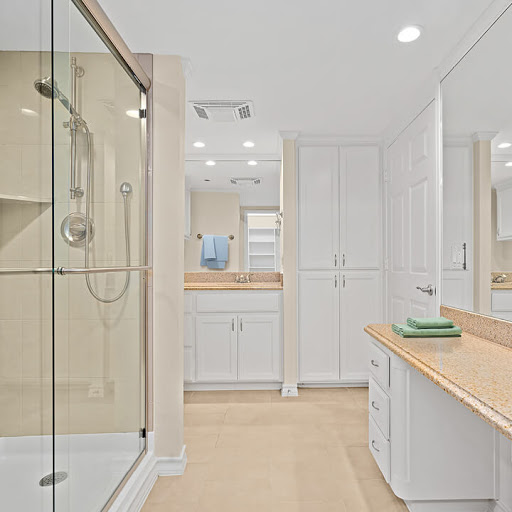
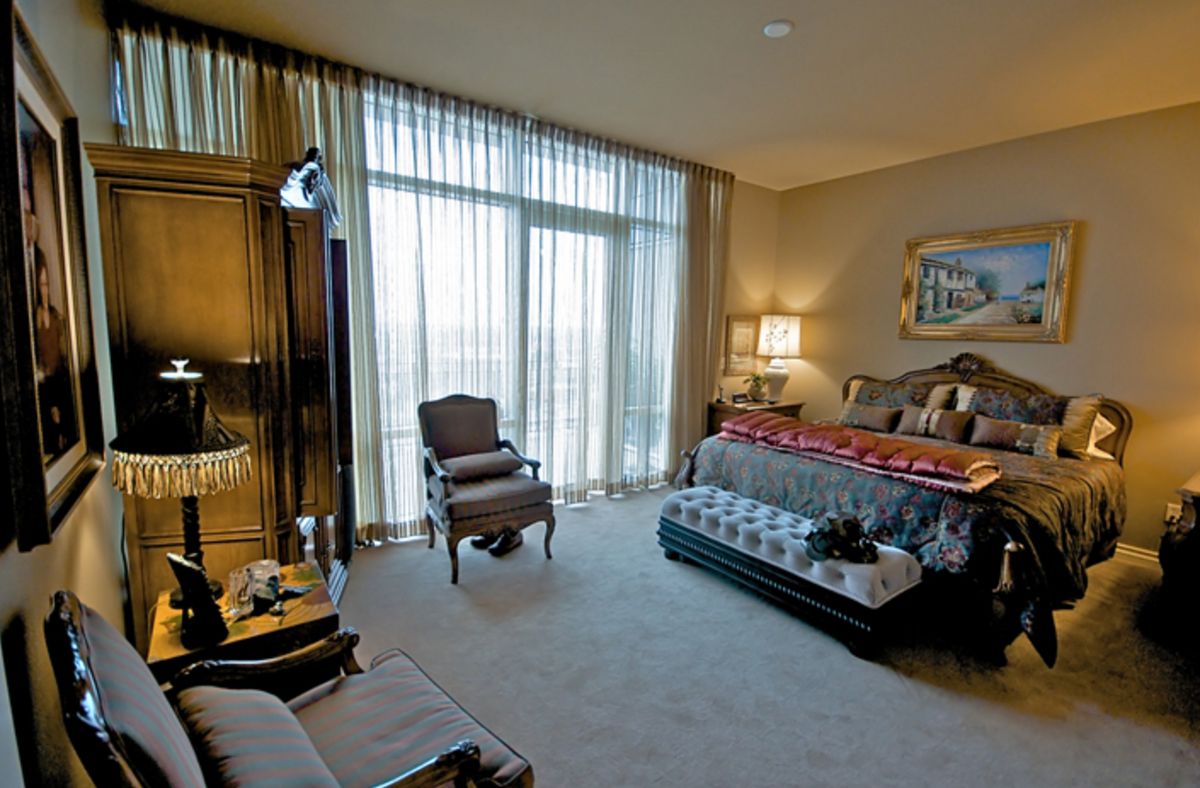
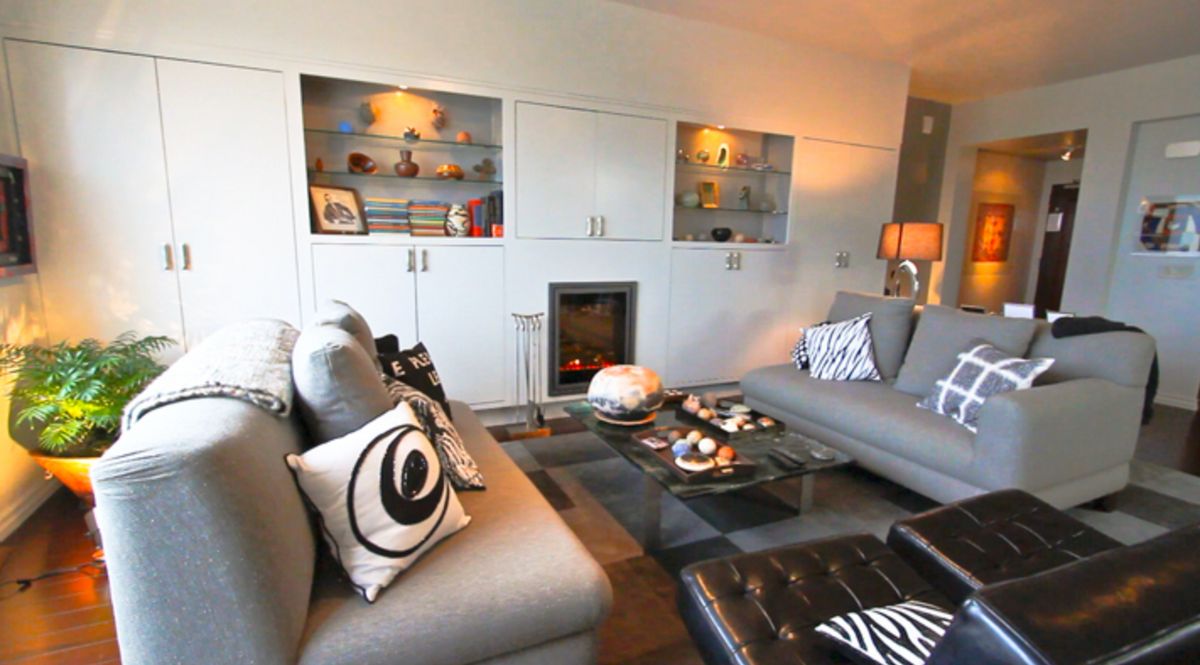
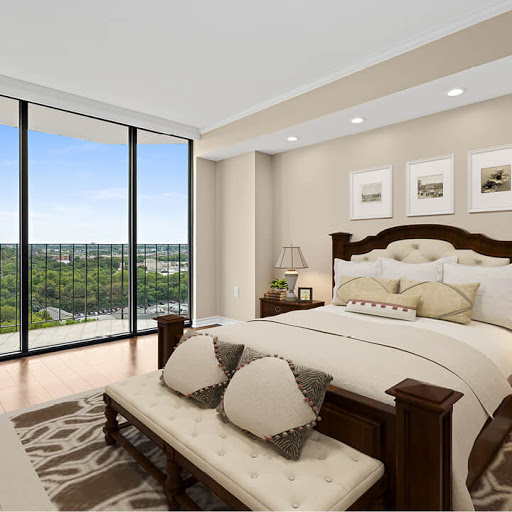
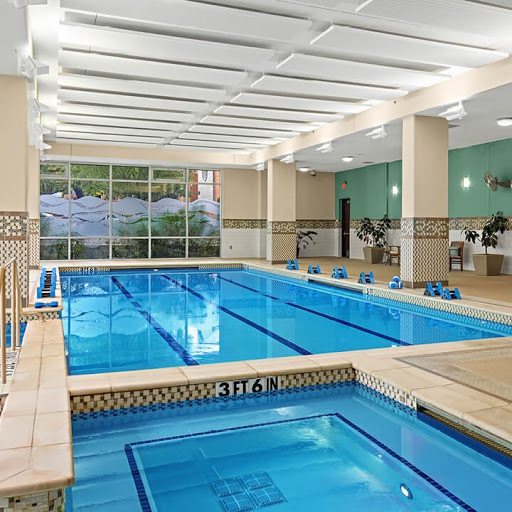
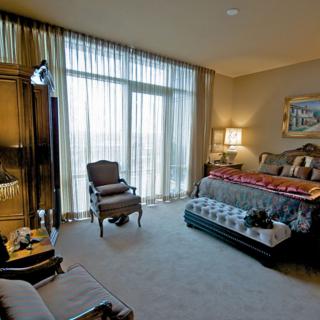
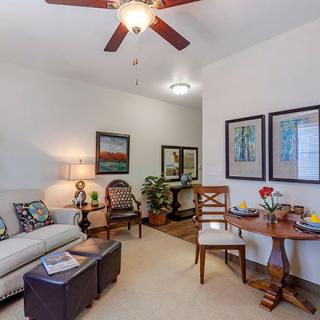
The strongest positives revolve around people and program. Staff excellence runs through most comments: caring, capable, and consistently available, with particular affection shown for the team on the upper floors and a sense that the entire community operates with a mission to support residents’ well‑being. The continuum of care across independent living, skilled nursing, and memory care stands out as a practical and emotionally reassuring advantage, reducing the stress of relocation when health changes occur. Amenity density is real: three dining venues, including a top-floor luxury option, strong rehabilitation offerings with a dedicated PT/OT footprint, and robust exercise classes. Activities range from puzzles and movies to live music and library-style options, ensuring that social life remains active. The aesthetic comes through in the “luxury” atmosphere, well-kept spaces, clean kitchens, and a concierge ethos that helps visitors feel welcomed from the moment of arrival. For families, the ability to tour with a professional who can answer questions, and the option to color‑choice rooms and personalize spaces, translate into tangible, everyday comfort.
However, two recurring concerns temper the overall picture. The first is operational: some residents report inconvenient relocations to accommodate new arrivals, which can feel disruptive and uncourteous when it happens repeatedly. This points to a broader need for clarity around housing assignments and a transparent admission process, especially for families navigating transitions with a loved one who may require more space or a different living arrangement. The second is medical oversight on the more clinical side of care. At least one review recounts a serious lapse in the rehab/medical chain, delays in blood work, delayed antibiotic administration, and a protracted sequence of events leading to a hospitalization. While this is not the universal experience, it underscores the necessity of rigorous oversight, proactive communication, and explicit accountability when care plans shift into the skilled nursing or rehab realm. Taken together, these issues highlight that, even in a polished, highly staffed setting, medical responsiveness and respectful logistics must be actively verified.
When weighing the pros against the cons, the continuum advantage and the luxury-plus lifestyle carry substantial weight. Trinity Terrace’s ability to house a resident through a full spectrum of care reduces the emotional and logistical burden of multiple moves and unfamiliar environments. The dining diversity, multiple lounges, and on-site rehabilitation infrastructure create genuine quality-of-life benefits that can offset higher costs for families who value consistency and social engagement. The care staff’s warmth and professionalism further strengthen the case, making daily life feel supported and intentional rather than transactional. Yet the price tag and the occasional operational friction cannot be ignored; the buy-in structure and monthly obligations are real commitments, and families must be confident in long-term affordability and the stability of care management. The risk of less-than-ideal medical oversight, while not endemic, is a critical factor for any family with significant health needs.
The bottom-line guidance is practical and action-oriented. For families who desire a polished, socially active environment with a true continuum of care, Trinity Terrace remains a compelling and competitive option, provided the budget aligns and the contract terms are crystal-clear. Prospective residents should insist on detailed discussions about care transitions, space allocation, and what happens if health declines or requires more intensive SNF services, including how and when ancillary therapies would be integrated. It is essential to request candid references from families with loved ones in the rehab or memory care units and to observe a live scheduling of therapy sessions to gauge responsiveness. Tour with a specific eye on dining options, activity calendars, and the ease of access to therapy spaces. If the emphasis is on luxury, strong staff rapport, and the security of a integrated care platform, and the family can confidently assume the financial commitment, Trinity Terrace often delivers a superior experience. For those prioritizing cost control, flexibility, or guaranteed minimal disruption, exploring alternatives that lean toward more predictable pricing or less complex care arrangements is prudent. In the end, Trinity Terrace serves as a high-caliber choice for the right buyer: one who values sophistication, continuity of care, and a lively, well-supported community, while staying mindful of cost and the importance of vigilant medical oversight.
 180 resident community capacity
 Assisted Living
 Continuing Care Retirement Community (CCRC)
 Independent Living
 Memory Care
 Respite Care
 Skilled Nursing Facility
 Air-conditioning
 Beauty salon
 Cable or satellite TV
 Computer center
 Fitness room
 Fully furnished
 Gaming room
 Garden
 Housekeeping services
 Kitchenette
 Move-in coordination
 Outdoor space
 Private bathrooms
 Restaurant-style dining
 Small library
 Telephone
 Wellness center
 Wi-Fi/high-speed internet available
 Dallas-Fort Worth International (20 miles away)
 Community operated transportation
 24-hour call system
 Activities of daily living assistance
 Assistance with bathing
 Assistance with dressing
 Assistance with transfers
 Diabetes diet
 Medication management
 Special dietary restrictions
 Concierge services
 Planned day trips



 Delving into the Inner World of Dementia: Insights into Thoughts and Awareness
 Five Subtle Dementia Indicators to Observe: An In-Depth Guide to Understanding “Does My Mom Have Dementia?”
 Dementia, Paranoia, and Caregiver Guidance: Understanding the Connection