

4200 SKYLINE AVE, El Paso, TX 79904
To contact a resident: (915) 751-0315
For more information about senior living options: (866) 208-4318
Overall Review of Serenity House Assisted Living, Inc.
Pros
 The physical therapist seemed nice.
Cons
 It was more like a nursing home.
- They were trying to make a sale, so they had their game faces on.
Review
Serenity House Assisted Living in El Paso appears best suited for seniors who need steady daily oversight and a structured routine, but do not yet require round-the-clock skilled nursing. The available feedback paints the setting as more clinical than home-like, with residents described as older and more geriatric in profile. That implies a facility that can manage basic daily tasks, monitoring, and some rehabilitative services, rather than a warm, amenity-forward environment. The presence of a physical therapist in the corridor signals access to therapeutic care, which can be a meaningful support for those with mobility or rehabilitation needs. Yet these observations also raise a caution: the atmosphere may lean toward a professional, perhaps even transactional, feel rather than a deeply comforting, homelike vibe.
Families should consider alternatives if warmth and a home-centered culture are top priorities. For seniors who prize a relaxed, community-focused daily life with plentiful social engagement and a smaller, less clinical footprint, other options may better meet those expectations. The reviews hint at a sales-driven tour experience, which can undermine trust for residents who value transparent, resident-centered communication. In cases where care needs may evolve toward intensive supervision or 24/7 nursing, this community’s current tone and depicted environment could fall short of those expectations. Put simply, those seeking a tranquil, low-pressure atmosphere may want to look at options that emphasize culture and connection over occupancy metrics.
From a practical perspective, the clear pro is the potential access to therapy and basic oversight without immediate relocation into a full-time care setting. The observed professionalism of a therapist and the absence of overpowering odors provide a baseline reassurance about cleanliness and functional care. These positives can offset some concerns about a nursing-home impression, particularly for families whose priority is maintaining mobility, receiving rehabilitation, or ensuring there is oversight without full-time medical intervention. However, the strength of these positives is tempered by the overall sense that the operation may foreground sales considerations, which can erode confidence in long-term resident advocacy and personalized attention.
The consistency of the reviews underscores gaps that matter in decision-making. There is little emphasis on daily life details, meal quality, activity calendars, companionship opportunities, or how staff interact with residents beyond brief observations. For families evaluating options, questions about program breadth become critical: what does the daily schedule look like, what are the dining experiences like, how are individual preferences incorporated into care plans, and what does staff responsiveness feel like on a typical weekday? If social stimulation and meaningful routines are priorities, these are precisely the areas where Serenity House requires deeper verification through tours, conversations with current residents, and a review of activity and meal offerings.
Decision guidance for families is clear. Prioritize a comprehensive tour that includes a late-afternoon or weekend window to observe how staff engage with residents during ordinary activities. Request copies of sample care plans, activity calendars, and meal menus to assess whether daily life aligns with expectations. Probe the pricing structure for what is included versus what carries additional charges, and insist on candid explanations about any upsell tactics or sales framing encountered during admissions discussions. Compare Serenity House with nearby communities known for a warmer, more resident-centered atmosphere, smaller house-like environments, and explicit emphasis on social engagement, so the choice balances oversight with genuine daily quality of life.
In conclusion, Serenity House may serve as a practical choice for families seeking steady oversight, basic assisted living with rehabilitative touchpoints, and a professional environment that keeps care predictable. Yet the depicted atmosphere, perceived as clinical and sales-forward, limits its appeal for those who value warmth, community spirit, and a home-like ambience. If those qualities are non-negotiable, exploring alternatives to Serenity House is prudent. The decisive step is a thorough, multi-faceted visit that tests real-life daily living, checks the sincerity of staff interactions, and confirms alignment with the senior’s evolving care needs, social interests, and personal comfort.
 Board and Care Home
 El Paso International (6 miles away)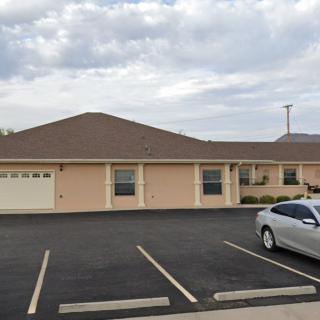








 Ten Vital Duties of a Senior Caregiver: A Comprehensive Guide
 9 Stimulating Memory Activities for Seniors: Puzzles, Cards, and Much More
 Managing Nursing Home Expenses After Medicare Coverage Ends