
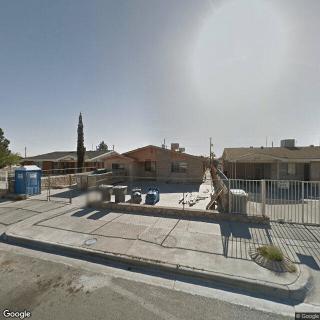
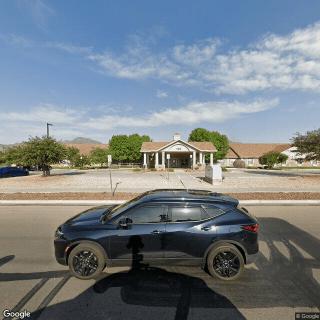
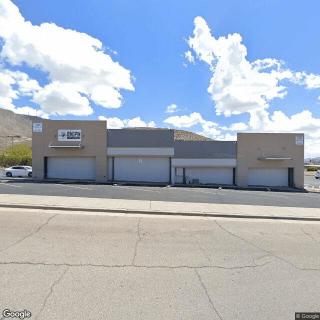
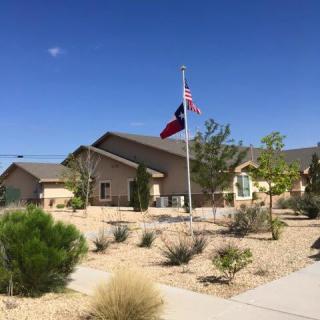
9115 Mt Olympus Drive, El Paso, TX 79924
For more information about senior living options: (866) 208-4318
Overall Review of La Familia Assisting Living
Pros
 The home is very clean.
- They provide good care and service.
- The residents are well taken care of.
Cons
 The services at this location are very poor.
- The home is not very caring toward residents' loved ones.
- The staff do not tell the truth about what goes on in the home.
- The reviewer wants their dad removed from the home.
- The home is seen as being only about money.
Review
La Familia Assisting Living in El Paso is best suited for families seeking a budget-conscious, cleanly kept assisted living option where routine daily care can be provided without premium amenities or high-touch medical oversight. It works for households that can exercise vigilant oversight, ask pointed questions, and accept some variability in day-to-day responsiveness. Those with moderate care needs who value a straightforward, no-frills environment over a glossy, hospital-like setting will find this community tolerable. It is not the pick for families chasing intensive memory care, around-the-clock supervision, or a culture of transparent, proactive communication about every operational hiccup.
Those who should consider alternatives are families prioritizing consistent, high-quality care and unwavering transparency. The reviews signal a real trade-off: a facility that can appear solid on cleanliness and basic service, yet is accused by at least one family of poor care, indifference to residents, and a troubling lack of candor about what transpires inside the home. If the resident requires meticulous attention, rapid response times, or clear, frequent updates, this community may not meet those demands. For families wary of trust gaps or potential cost-cutting at the expense of wellbeing, it is prudent to compare options with stronger reputations for staffing stability and resident advocacy.
The strongest acceptable quality signal here is cleanliness. One account praises a clean, well-kept environment and service that feels reliable in routine care. Cleanliness reduces risks of infection and helps create a calmer day-to-day experience, which matters greatly in assisted living. In combination, these elements provide a foundation that can support basic daily living tasks, dining routines, and social activities without turning off residents with ostentation or excessive overhead. On paper, the facility can deliver the sanitary baseline that many families require when evaluating placing a loved one.
However, the primary red flag is the spectrum of care experiences described. A single, strongly negative review accuses the operation of very poor services, a lack of genuine care, and misrepresentation about daily happenings, culminating in a clear plea to relocate. When warnings like these exist, they cannot be dismissed as minor. They strike at the core expectation of assisted living: that staff are attentive, truthful, and consistently act in residents’ best interests. Another practical concern is the impression that profits may take precedence over resident welfare, a claim that undermines trust and makes ongoing monitoring non-negotiable for any family engaging with this community.
The positive and negative signals together tell a cautious story. Clean facilities and decent routine care can offset some concerns around comfort and daily functioning, but they do not automatically resolve questions about care quality, responsiveness, and communication. The offsetting factors are strongest when staff turnover is low, management is accessible, and families receive timely, forthright updates about changes in health status or daily incidents. In a pinch, smaller facilities can offer closer supervision, but only if the leadership team demonstrates stability and a transparent, accountable culture. Without that, the advantages of cleanliness and basic service fade quickly.
For families moving forward, a disciplined due-diligence approach is essential. Plan a multi-visit tour at different times, solicit candid conversations with current residents or family members, and request concrete examples of daily care routines, response times, and how incidents are documented. Ask for the staffing schedule, credential verification, and the facility’s formal processes for complaints and family communication. Compare pricing with nearby options that emphasize transparency and measurable quality indicators, and verify what is included in the monthly rate to avoid hidden costs. If care needs trend toward memory support or higher medical oversight, broaden the search to communities with proven capabilities in those areas.
In summary, La Familia Assisting Living presents a mixed proposition. It is a practical option for families willing to navigate uncertain care quality through proactive oversight while valuing a clean, straightforward environment and sensible operating cost. If the priority is unwavering transparency, consistent high-touch care, and a track record of openly addressing concerns, alternatives should be pursued. For families prepared to observe closely, ask detailed questions, and build a strong on-site presence, this community can work, but only with disciplined, ongoing vigilance and a clear plan for escalation if care standards falter.
 7 resident community capacity
 Assisted Living
 Board and Care Home
 Cable or satellite TV
 Dining room
 Fully furnished
 Garden
 Housekeeping services
 Move-in coordination
 Outdoor space
 Telephone
 Wi-Fi/high-speed internet available
 El Paso International (5 miles away)
 24-hour supervision
 Activities of daily living assistance
 Assistance with bathing
 Assistance with dressing
 Assistance with transfers
 Diabetes diet
 Meal preparation and service
 Medication management
 Special dietary restrictions
 Transportation arrangement (medical)
 Transportation to doctors appointments

 Comprehensive Insights into Activities of Daily Living (ADLs) and Their Assessment
 Medicare Coverage for Assisted Living: An In-Depth Exploration
 Choosing the Right Senior Care: A Detailed Exploration of Assisted Living and Nursing Homes