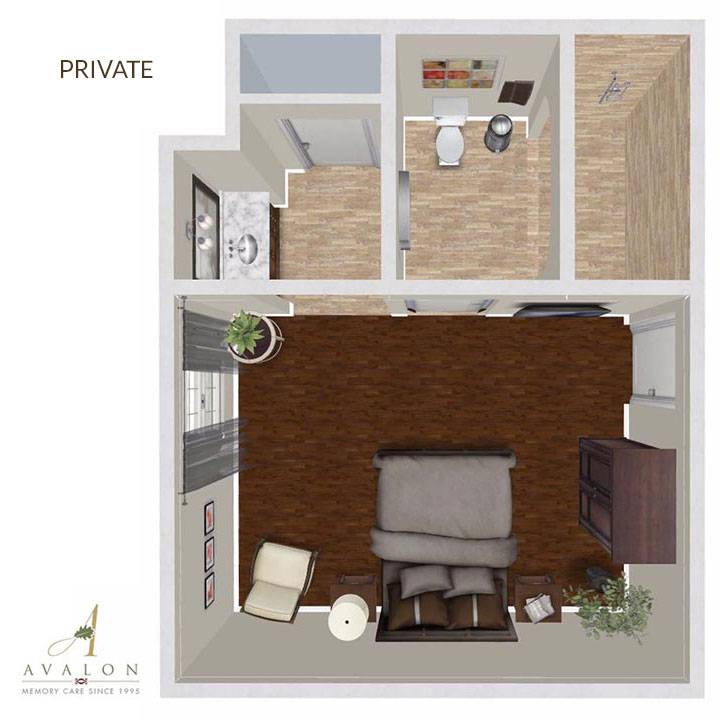
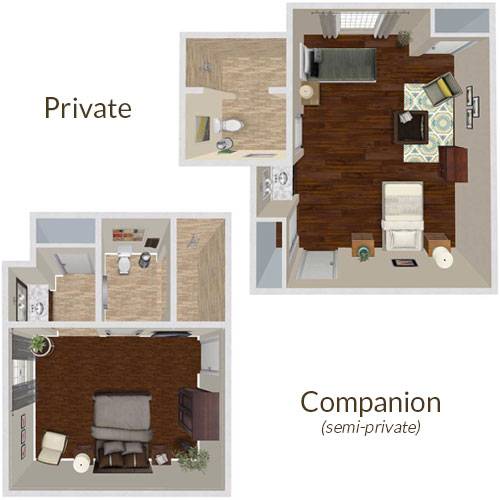
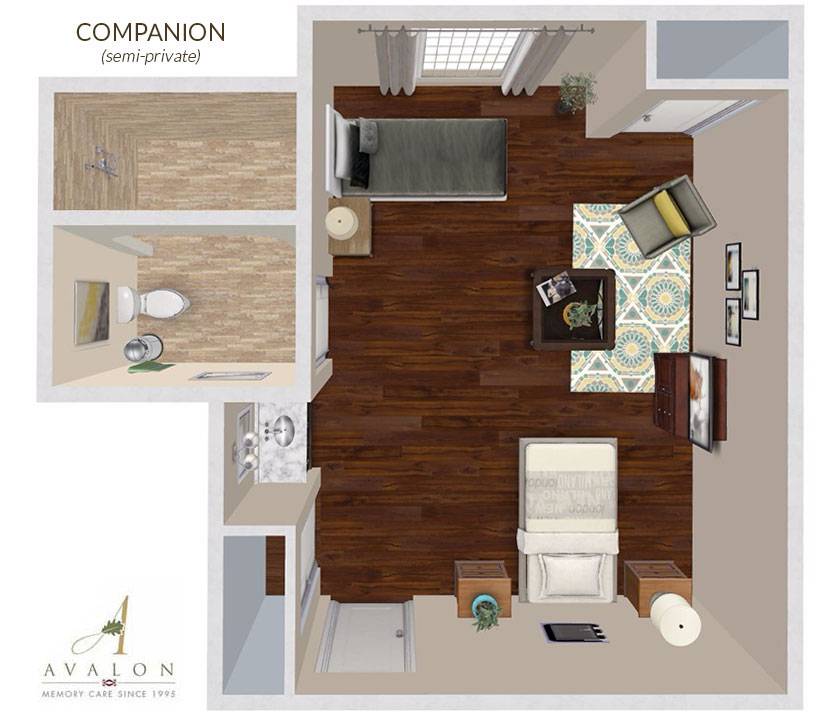
Avalon Memory Care - Edinburg offers specialized memory care services with pricing that reflects the quality of care provided. The facility charges $4,875 per month for a semi-private room, which is significantly higher than the average cost in Hidalgo County at $3,599 and in Texas at $3,680. For those seeking more privacy, a studio room is available at $6,475 per month, again surpassing local and state averages of $3,605 and $3,758 respectively. These costs indicate Avalon's commitment to delivering enhanced services tailored for individuals with memory-related challenges, ensuring that residents receive attentive care in a supportive environment.
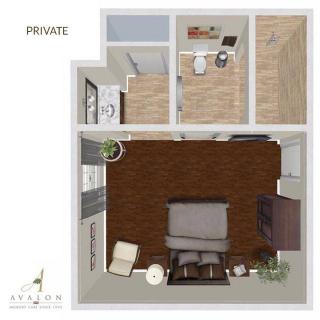
Floor plans
Avalon Memory Care - Edinburg
Hidalgo County
Texas
Semi-Private
$4,875
$3,599
$3,680
Studio
$6,475
$3,605
$3,758
Skilled Nursing Facilities with a similar price nearby
Residents and families consistently describe staff as caring, attentive, and compassionate.
Across the reviews, families repeatedly say the staff shows compassion and takes time to get to know residents. People mention staff staying engaged during visits, feeding or spoon-feeding when needed, and treating residents with respect. Several reviewers also describe quick responses when something happens and ongoing communication with family.
differentiator4 reviews mention this
Small setting supports familiarity
A smaller memory-care community helps residents receive more individualized attention.
Multiple reviewers point to the community’s smaller scale, including mentions of capacity around the mid-20s to about 30 beds. Families describe staff getting to know residents as individuals, and they note the environment feeling comfortable and home-like. One reviewer also describes a structured, secure approach that includes programs designed to address residents who may try to leave.
common10 reviews mention this
Dining is a frequent focus
Residents are served regular meals, and multiple reviews highlight dining as a strong point.
Dining comes up often, with reviewers describing meals being provided three times a day plus snacks and staff helping residents eat when needed. Several families say meals are prepared by chefs or praised as good, and they describe the dining room as a place residents spend time for meals and comfort. One reviewer, however, felt the food wasn’t as well matched to elderly preferences.
differentiator2 reviews mention this
Hospice coordination is described
Residents and families mention hospice as part of the care process.
A couple of reviews specifically call out hospice involvement as part of the experience—one mentions hospice being recommended after an interview, and another describes the facility working closely with hospice companies and health care professionals. Reviews pair this with descriptions of attentive care and support for residents during the transition period.
How we summarize
Counts show how many written reviews mention each theme; a review can touch several themes, and only frequently mentioned themes are displayed.
Features
Housing
25 resident community capacity
Types of Care
Assisted Living
Memory Care
Skilled Nursing Facility
Amenities
Activities on-site
Air-conditioning
Beautician on-site
Beauty salon
Cable or satellite TV
Dining room
Fully furnished
Garden
Ground floor units
Guasts at mealtime
Guest parking
Handicap accessible
Housekeeping services
Indoor common areas
Kitchenette
Laundry
Move-in coordination
Outdoor common areas
Outdoor space
Party space
Respite or short term stays offered
Restaurant-style dining
Small library
TV room
Telephone
Wheelchair accessible showers
Wi-Fi/high-speed internet available
Transportation
McAllen Miller International (8 miles away)
Transportation & parking
Care Services
24-hour call system
24-hour supervision
Activities of daily living assistance
Assistance with bathing
Assistance with dressing
Assistance with transfers
Diabetes diet
Diabetic care
High acuity care
Hospice care
Incontinence care
Meal preparation and service
Medication management
Mental wellness program
Mild cognitive impairment
Special dietary restrictions
Specialized memory care programming
Dining
Anytime dining
Diabetes diet
Gluten-free
Guest meals
Kosher
Low / no sodium
Meals provided
No Sugar
Organic
Room service
Special dietary restrictions
Special dining programs
Vegan
Vegetarian
Activities
Activities on-site
Arts and crafts
Birthday parties
Community-sponsored activities
Devotional activities on-site
Fitness programs
Games
Gardening club
Holiday parties
Live musical performances
Religious services
Reminiscence programs
Resident-run activities
Scheduled daily activities
Stories
Nearby Places of Interest
This part of Edinburg, Texas offers convenient access to a variety of essential amenities for senior living. With multiple physicians and pharmacies within close proximity, medical care and prescription needs are easily accessible. The presence of reputable hospitals and rehabilitation facilities also ensures quality healthcare services are readily available. In terms of recreation, there are parks nearby for leisurely walks or outdoor activities. Several dining options, including familiar chains like Chick-Fil-A and Starbucks, provide convenience for meals. Additionally, entertainment options such as theaters are within a short driving distance for seniors looking to enjoy movies or shows. Overall, this area provides a well-rounded mix of services and facilities that cater to the needs of seniors looking for a comfortable living environment in Edinburg.
Physicians
Dr Arlene Sanchez Pediatric Clinic (0.5 miles)
Opengates Urgent Care (1.1 miles)
All Children's Pediatric Clinic (1.8 miles)
Urology Institute at Renaissance (1.8 miles)
McAllen Pediatric Associates (1.8 miles)
DHR Health Orthopedic Institute (2 miles)
Elzaim Haissam S MD (2.2 miles)
Pharmacies
Walgreens (0.8 miles)
CVS Pharmacy (1.1 miles)
Walgreens (1.2 miles)
Med Aid Pharmacy (1.8 miles)
Walgreens (2.4 miles)
Med Care Pharmacy (2.9 miles)
Walgreens (3 miles)
Restaurants
McAlister's Deli (0.8 miles)
Chick-Fil-A (1.5 miles)
McDonald's (1.6 miles)
Chipotle Mexican Grill (1.6 miles)
KFC (1.7 miles)
Panda Express (1.7 miles)
McDonald's (1.8 miles)
Cafes
Coffee Zone (1 miles)
Starbucks (2.4 miles)
Starbucks (3.1 miles)
Starbucks (3.6 miles)
Starbucks (4.3 miles)
Luby's (5.6 miles)
Starbucks (6.2 miles)
Parks
McAllen's 2nd Street Trail (1.3 miles)
San Juan Municipal Park (6.4 miles)
Hospitals
South Texas Health System Behavioral (1.3 miles)
Doctors Hospital At Renaissance (1.6 miles)
Edinburg Conference Center At Renaissance (1.8 miles)
DHR Health Rehabilitation Hospital (1.9 miles)
Doctors Hospital at Renaissance (2 miles)
RGV Family Clinic (4.4 miles)
Theaters
AMC Edinburg 18 (2.6 miles)
Cinemark Hollywood USA (3 miles)
Cinemark Theatre (5.2 miles)
Transportation
McAllen Bus Terminal (5.8 miles)
Places of Worship
Basilica of Our Lady of San Juan Del Valle - National Shrine (6.2 miles)
Avalon Memory Care - Edinburg offers specialized memory care services with pricing that reflects the quality of care provided. The facility charges $4,875 per month for a semi-private room, which is significantly higher than the average cost in Hidalgo County at $3,599 and in Texas at $3,680. For those seeking more privacy, a studio room is available at $6,475 per month, again surpassing local and state averages of $3,605 and $3,758 respectively. These costs indicate Avalon's commitment to delivering enhanced services tailored for individuals with memory-related challenges, ensuring that residents receive attentive care in a supportive environment.
The 24-hour supervision at Avalon Memory Care - Edinburg ensures that residents receive constant attention and immediate assistance as needed, promoting safety and security for those with memory impairments. Activities of daily living assistance, including bathing and dressing help maintain personal hygiene and dignity, while assistance with transfers ensures mobility support, reducing the risk of accidents. Incontinence care addresses a sensitive issue with compassion and respect, fostering comfort in daily routines. Meal preparation and service tailored to nutritional needs encourages healthy eating habits, integral for overall well-being. Medication management helps residents adhere to prescribed regimens, preventing confusion or missed doses that can lead to adverse health effects. The mental wellness program is designed to engage cognitive functions through tailored activities that stimulate the mind, enhancing quality of life. Additionally, specialized memory care programming caters specifically to the unique challenges faced by individuals with mild cognitive impairment and dementia, ensuring that all services offered are aligned with their specific needs and abilities.
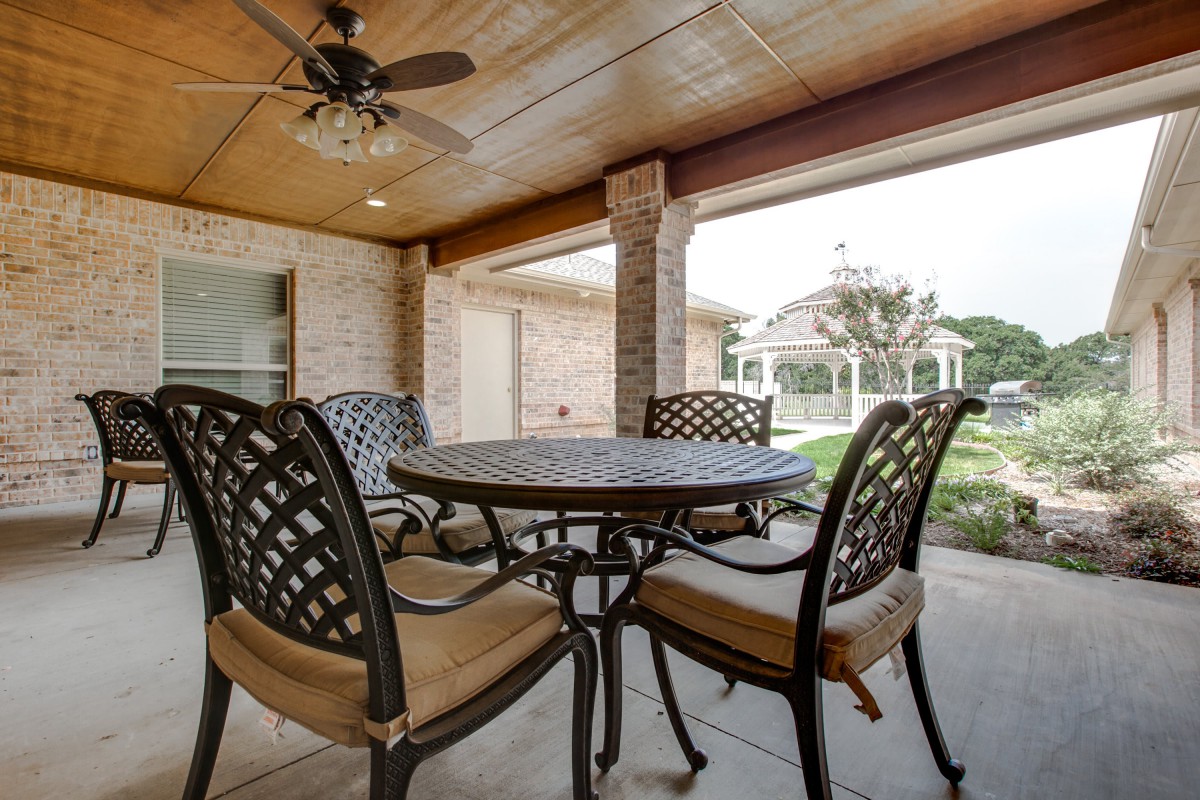
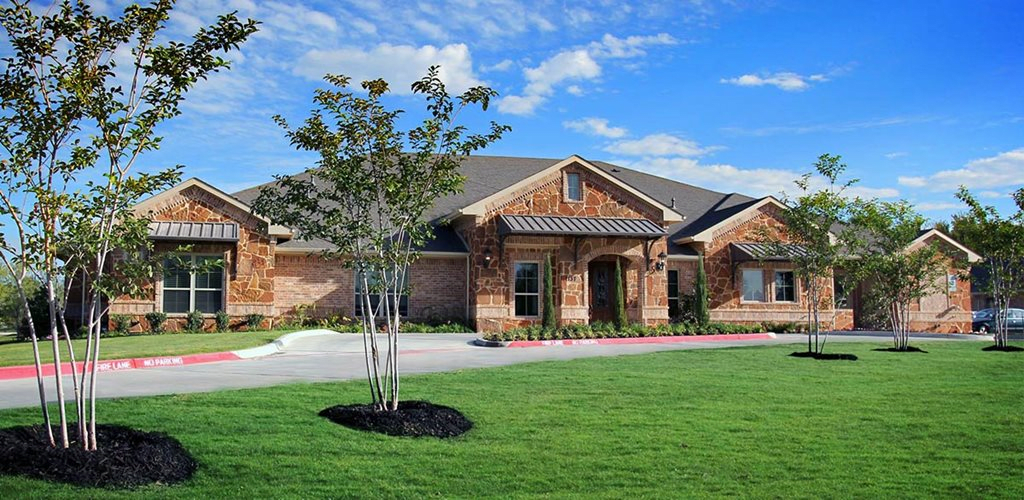
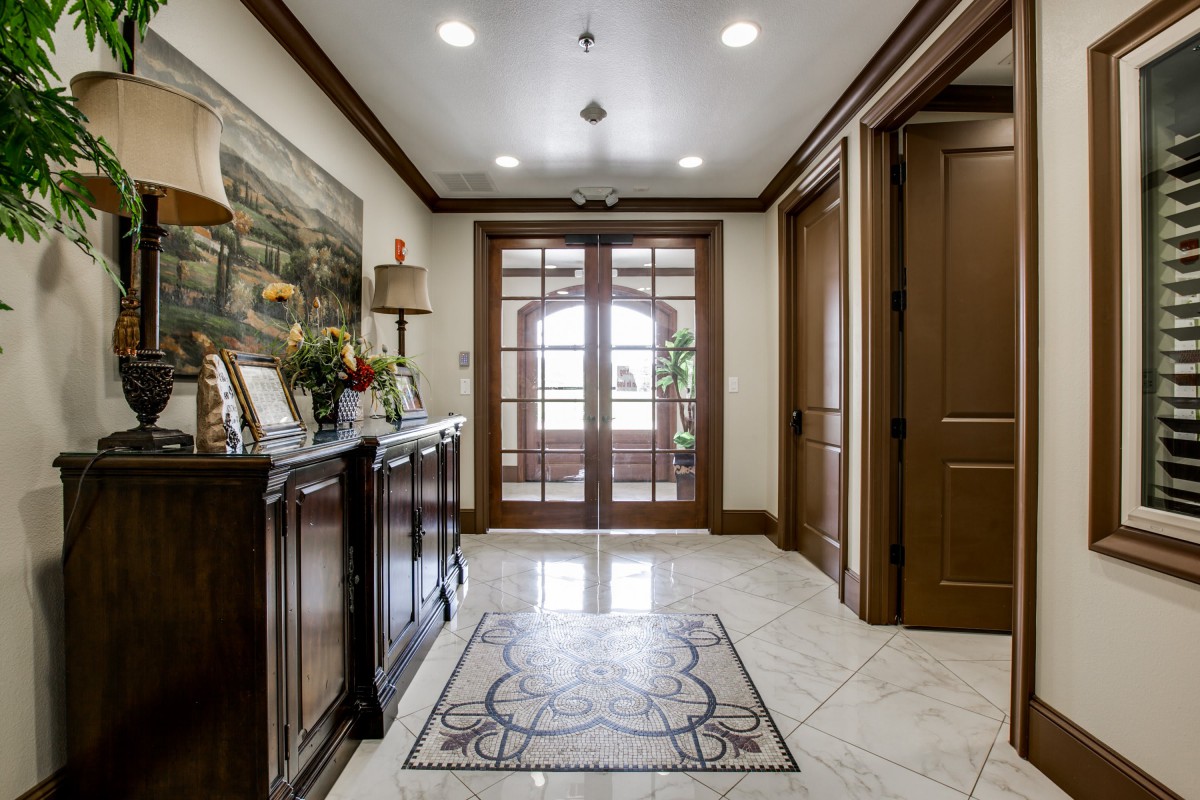
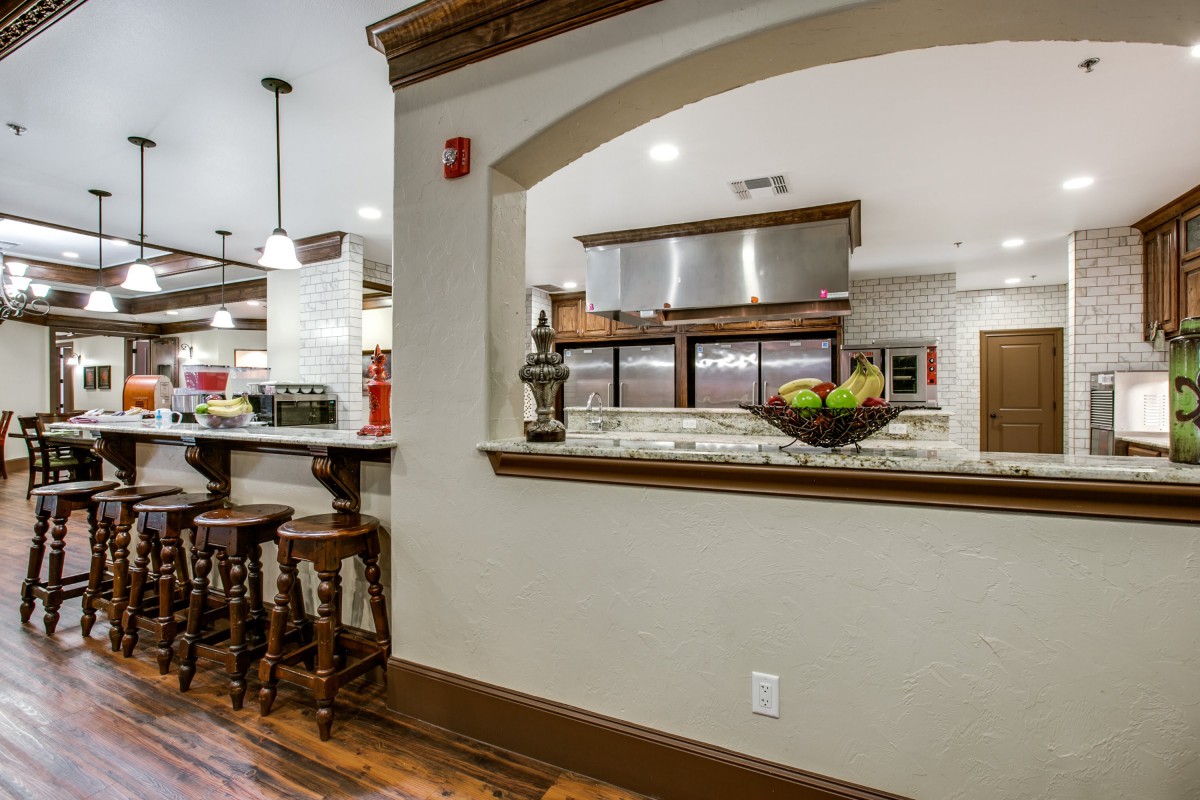
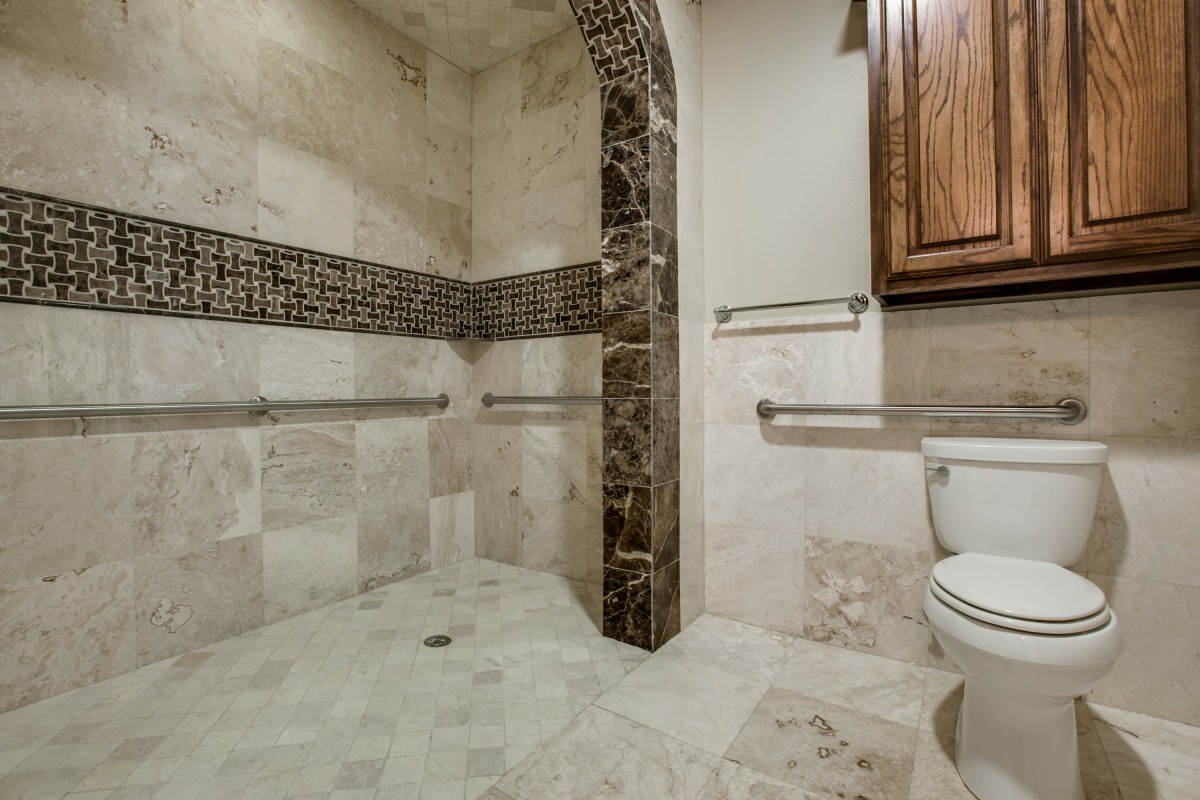
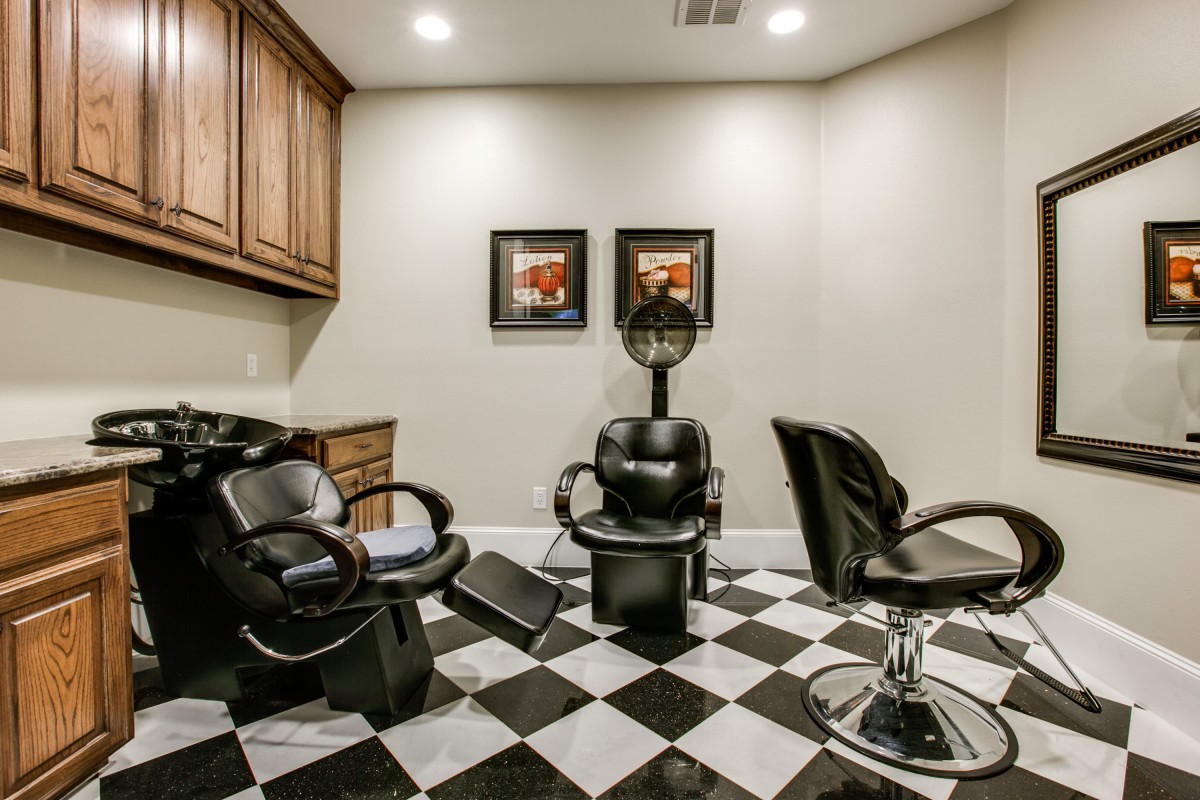
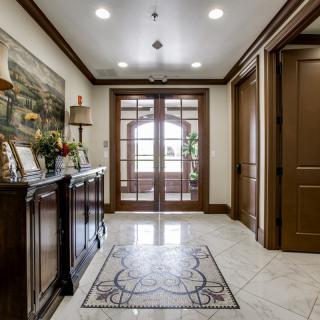
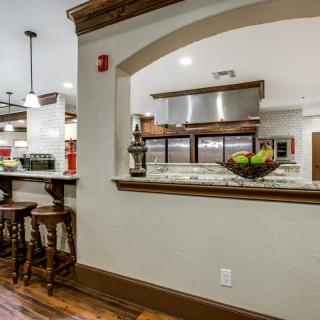
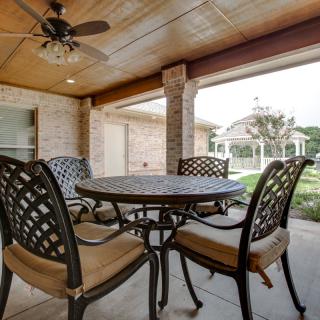
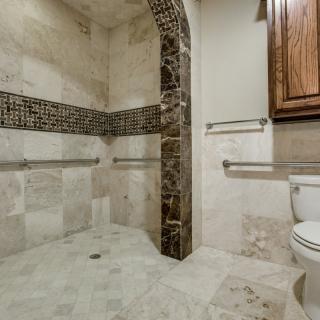
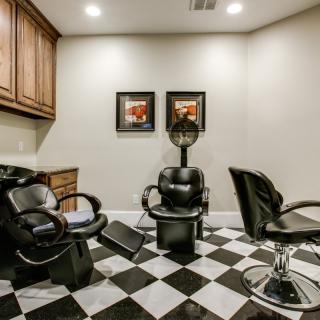
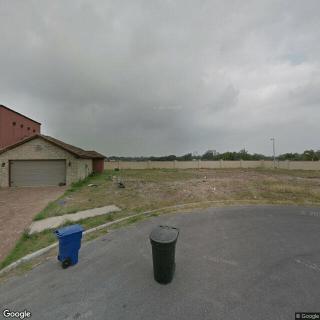
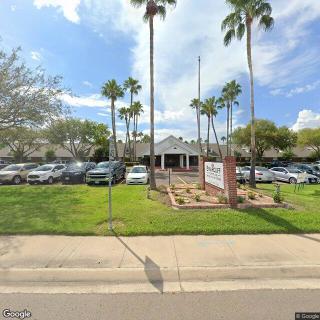
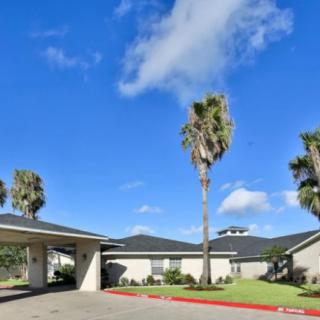
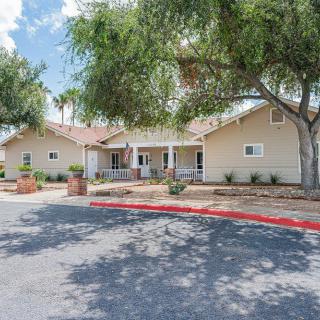
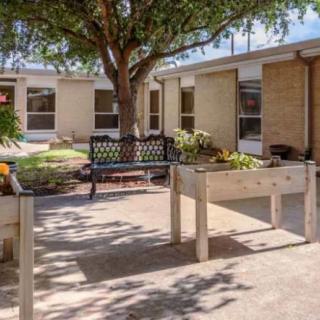
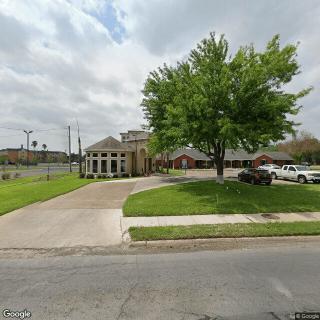
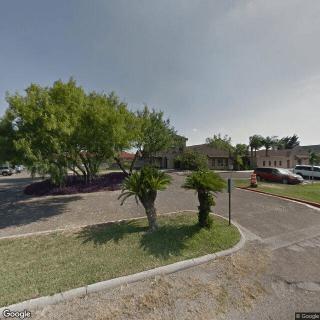
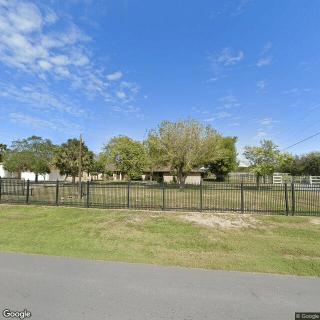
Avalon Memory Care - Edinburg on seniors.fyi includes 10 photos including images showing interior, floor plan, salon, shower, landscaping, bedroom, decor, bathroom, and more.
Nearby Communities
Senior Care Of Edinburg
Edinburg, TX
4.8 from 120 reviews
Comprehensive 24/7 care with diverse amenities and activities
Windsor Arbor View
Edinburg, TX
4.2 from 119 reviews
Strong safety measures and caring therapy staff with active resident programs.
Edinburg Nursing And Rehabilitation Center
Edinburg, TX
4.1 from 96 reviews
24/7 supervision and a broad amenity set (restaurant-style dining, fitness/wellness center, outdoor spaces, library, beauty salon, Wi-Fi, transportation).
The Bridges At Edinburg Bldg B
Edinburg, TX
4.4 from 26 reviews
Intimate, fully furnished living with meals and daily living assistance.
The Bridges At Edinburg
Edinburg, TX
4.4 from 39 reviews
$3,300 / month
Warm, welcoming environment with personalized care, clean facilities, engaging activities, and good dining.
Retama Manor Nursing Center - Edinburg
Edinburg, TX
4.5 from 85 reviews
Extensive amenities and robust care services (24-hour supervision, medication management, meals, ADL assistance, transportation, wellness center, beauty salon, gym, library).
Barcelona Assisted Living
Mcallen, TX
4.6 from 9 reviews
$2,800 / month
Friendly, professional staff in a warm, well-kept small community with good meals and on-site medical care.
The Bridges at Mission
Mission, TX
4.8 from 68 reviews
$2,400 to $2,700 / month
Friendly, caring staff with engaging activities in a well-maintained setting.
New Life Home Health Services
Donna, TX
4.6 from 10 reviews
Convenient access to nearby amenities and healthcare.
Dementia, influenced by aging and certain medications, may be exacerbated by drug classes such as anticholinergics, benzodiazepines, and antipsychotics, which are associated with cognitive impairment. Regular medication reviews by healthcare professionals are crucial for older adults to manage risks and optimize cognitive health.
Dementia often results in disrupted sleep patterns, leading to excessive daytime sleeping due to factors like brain damage affecting circadian rhythms, medication side effects, and lack of structure in daily activities. Caregivers must monitor these changes closely, as oversleeping can increase risks such as malnutrition or dehydration, and provide necessary support and routines to enhance patient engagement and well-being.
The transition from assisted living to skilled nursing care is often prompted by complex medical needs that assisted living cannot meet, with key indicators including frequent health declines, increased falls, severe memory issues, and caregiver burnout. Families should recognize these signs early to discuss options with healthcare providers and prepare for the emotional and logistical aspects of moving to a facility that offers comprehensive medical support.
Get PricingAsk A QuestionSchedule A TourContact Senior Advisor
By clicking submit, you agree to our Partner's Terms of Use. You
also consent to receive calls and texts, which may be autodialed, from our Partner. Your consent is not a condition to
using our Partner's service. Please visit our Partner's Privacy Policy for information about their privacy practices.



 25 resident community capacity
 Assisted Living
 Memory Care
 Skilled Nursing Facility
 Activities on-site
 Air-conditioning
 Beautician on-site
 Cable or satellite TV
 Dining room
 Fully furnished
 Garden
 Ground floor units
 Guest parking
 Handicap accessible
 Housekeeping services
 Indoor common areas
 Kitchenette
 Laundry
 Move-in coordination
 Outdoor common areas
 Party space
 Respite or short term stays offered
 Restaurant-style dining
 Small library
 Telephone
 Wheelchair accessible showers
 Wi-Fi/high-speed internet available
 McAllen Miller International (8 miles away)
 Transportation & parking
 24-hour call system
 Assistance with bathing
 Assistance with dressing
 Assistance with transfers
 Diabetes diet
 Diabetic care
 High acuity care
 Hospice care
 Incontinence care
 Medication management
 Mental wellness program
 Special dietary restrictions
 Arts and crafts
 Devotional activities on-site
 Fitness programs
 Games
Games Live musical performances
 Stories
 Comprehensive 24/7 care with diverse amenities and activities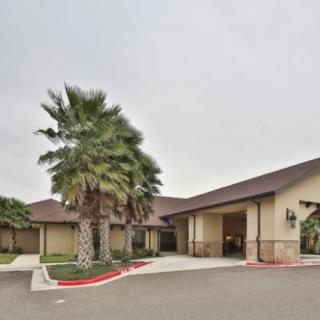

 A Thorough Discussion of Medications Potentially Linked to Dementia Risk
 Why Do Dementia Patients Sleep So Much? Understanding Oversleeping, Stages, and Care Approaches
 8 Key Indicators That Suggest It May Be Time to Transition from Assisted Living to Skilled Nursing Care