For more information about senior living options: (866) 208-4318
4.1 from 96 reviews
5 stars
70
4 stars
4
3 stars
1
2 stars
2
1 stars
19
Overall Review of Edinburg Nursing And Rehabilitation Center
common30 reviews mention this
Staff care and responsiveness stand out
Residents and families consistently describe attentive, kind nursing and therapy support.
Many reviews emphasize that staff treat residents with patience and respect, and that nurses and CNAs stay engaged with care needs. Several reviewers also mention quick attention to concerns and clear communication with families during recovery or longer stays. A smaller set of reviews goes the other direction, describing missed call lights, slow responses, or staff not coming when needed, which is a repeated point of frustration.
common18 reviews mention this
Facility cleanliness builds trust
A clean, well-kept environment is a frequent positive in reviews.
A number of reviews highlight that the facility feels clean, safe, and well maintained when visitors come by. Housekeeping and the overall upkeep are mentioned alongside staff professionalism, including compliments about the building not smelling like other facilities. At the same time, a few negative reviews describe dirty conditions during care, so cleanliness isn’t universal across all experiences.
differentiator16 reviews mention this
Rehab therapy helps residents recover
Therapy is a core part of the experience, with residents describing meaningful progress.
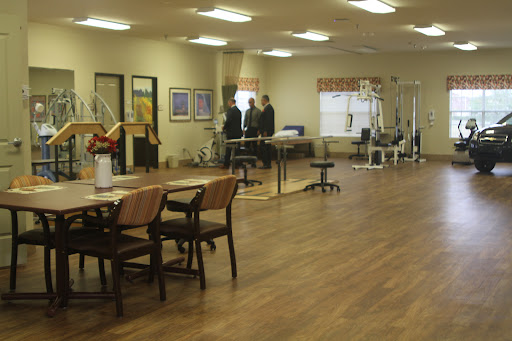
Reviews frequently connect the rehabilitation team to improvements such as regaining movement, walking with assistance, or preparing to return home. Several short-term and post-surgery stories describe therapy schedules and encouragement from therapists and rehab staff. This theme pairs with the community’s focus on nursing and rehabilitation care, which is reflected in the services they offer for skilled nursing and recovery.
common10 reviews mention this
Meals and activities add daily comfort
Residents often mention good meals and engaging activities.
Multiple reviews mention enjoying the food and describe meals as a positive part of the stay. Others also point to activities such as holiday events, resident participation, and staff-led programs that help make time pass more comfortably. The community also offers restaurant-style dining, along with scheduled daily activities, planned day trips, and community-sponsored options.
caveat14 reviews mention this
Understaffing and delayed help are concerns
Some reviews report delays in care and a lack of dependable coverage.
Several reviews describe residents waiting long periods for help, including call light response and getting assistance with basics like bathing or repositioning. A few also mention feeling that care is inconsistent, particularly at night shifts, and that families have to push repeatedly to get attention. One review specifically mentions understaffing and overwork, which helps explain why some experiences appear to vary.
How we summarize
Counts show how many written reviews mention each theme; a review can touch several themes, and only frequently mentioned themes are displayed.
Features
Housing
120 resident community capacity
Types of Care
Skilled Nursing Facility
Amenities
Air-conditioning
Beauty salon
Cable or satellite TV
Computer center
Dining room
Fitness room
Fully furnished
Gaming room
Garden
Housekeeping services
Kitchenette
Move-in coordination
Outdoor space
Private bathrooms
Restaurant-style dining
Small library
Telephone
Wellness center
Wi-Fi/high-speed internet available
Transportation
McAllen Miller International (6 miles away)
Community operated transportation
Transportation arrangement
Transportation arrangement (non-medical)
Transportation to doctors appointments
Care Services
12-16 hour nursing
24-hour call system
24-hour supervision
Activities of daily living assistance
Assistance with bathing
Assistance with dressing
Assistance with transfers
Diabetes diet
Meal preparation and service
Medication management
Mental wellness program
Special dietary restrictions
Dining
Diabetes diet
Special dietary restrictions
Activities
Community-sponsored activities
Concierge services
Fitness programs
Planned day trips
Resident-run activities
Scheduled daily activities
Nearby Places of Interest
Hospitals
South Texas Health System Behavioral (0.7 miles)
Edinburg Conference Center At Renaissance (0.9 miles)
Doctors Hospital At Renaissance (0.9 miles)
Doctors Hospital at Renaissance (1.1 miles)
DHR Health Rehabilitation Hospital (1.2 miles)
Physicians
Urology Institute at Renaissance (0.9 miles)
DHR Health Orthopedic Institute (0.9 miles)
McAllen Pediatric Associates (1 miles)
Opengates Urgent Care (1.1 miles)
Dr Arlene Sanchez Pediatric Clinic (1.5 miles)
Alonso, Ramiro, MD Industrial Health Works (1.5 miles)
All Children's Pediatric Clinic (2.1 miles)
Pharmacies
CVS Pharmacy (0.9 miles)
Med Aid Pharmacy (1.1 miles)
Walgreens (1.6 miles)
Walgreens (2.1 miles)
Walgreens (2.5 miles)
Walgreens (2.7 miles)
Walgreens (3.8 miles)
Restaurants
McDonald's (1.3 miles)
Taco Palenque (1.4 miles)
McAlister's Deli (1.4 miles)
Chick-Fil-A (1.5 miles)
Whataburger (1.6 miles)
Chili's Grill & Bar (1.7 miles)
The Quarter New Orleans Kitchen and Tap Room (1.9 miles)
Cafes
Starbucks (1.5 miles)
Starbucks (1.7 miles)
Starbucks (2.7 miles)
Coffee Zone (3 miles)
Luby's (3.8 miles)
Starbucks (4.2 miles)
Starbucks (4.4 miles)
Parks
McAllen's 2nd Street Trail (1.7 miles)
San Juan Municipal Park (4.4 miles)
Theaters
Cinemark Hollywood USA (1.8 miles)
AMC Edinburg 18 (2.4 miles)
Cinemark Theatre (3.4 miles)
Places of Worship
Basilica of Our Lady of San Juan Del Valle - National Shrine (4.2 miles)
Transportation
McAllen Bus Terminal (4.5 miles)
McAllen Miller International Airport (MFE) (6 miles)
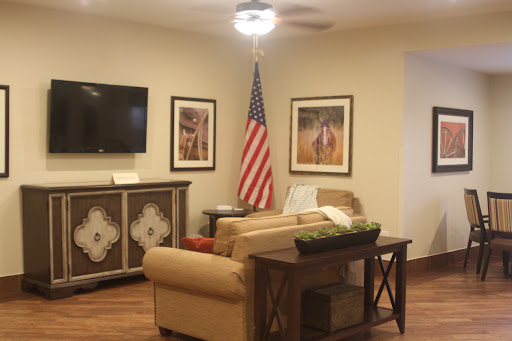
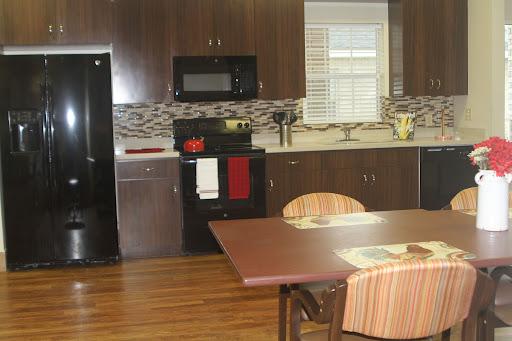
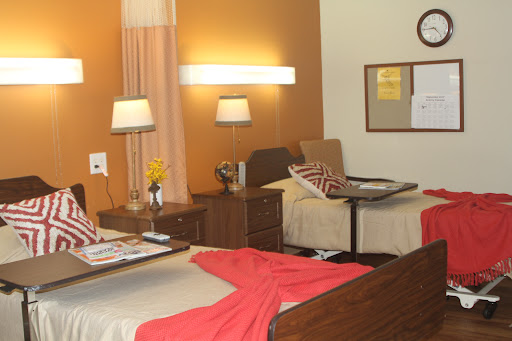
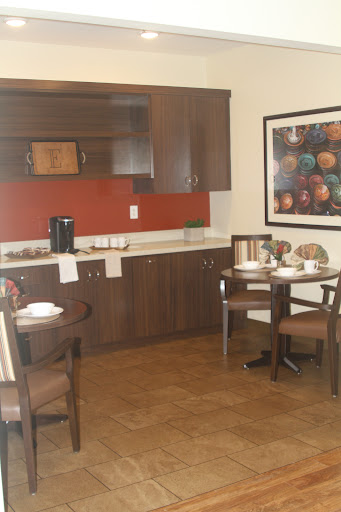
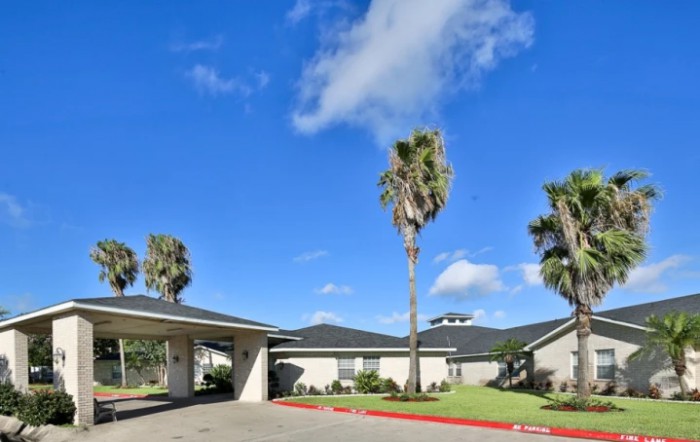
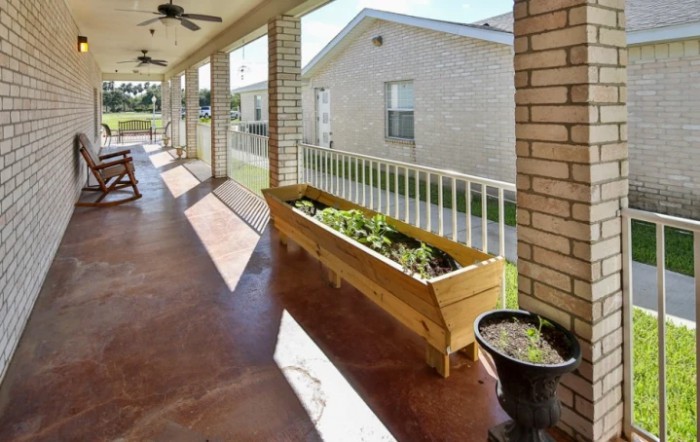
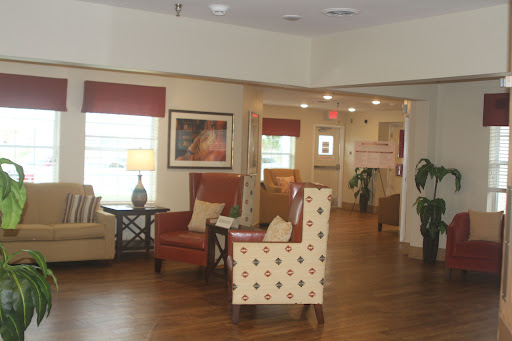
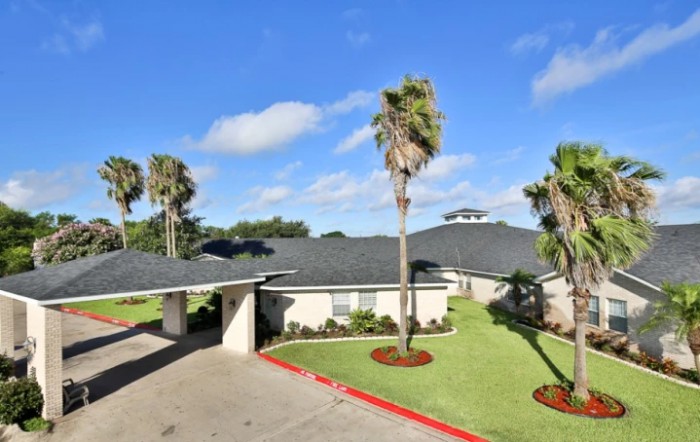
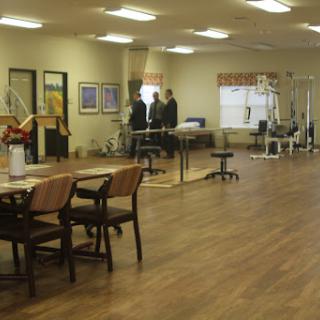
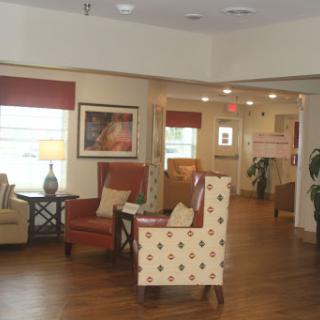
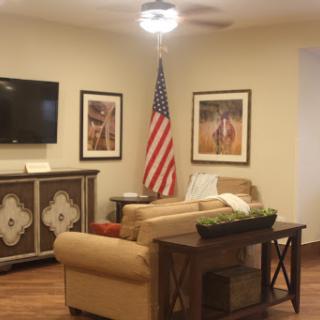
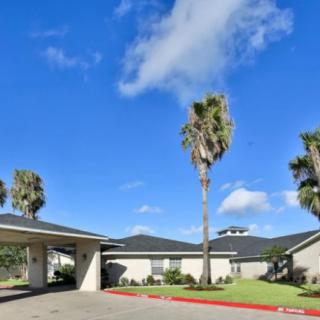
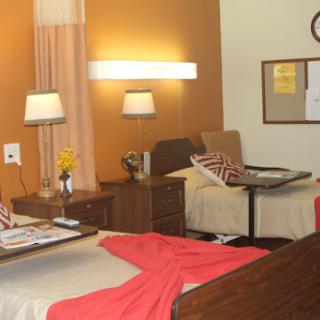
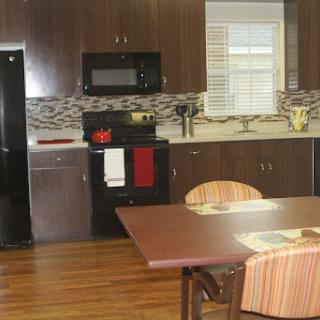
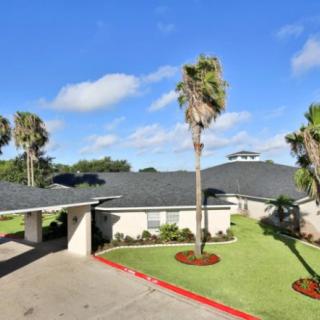
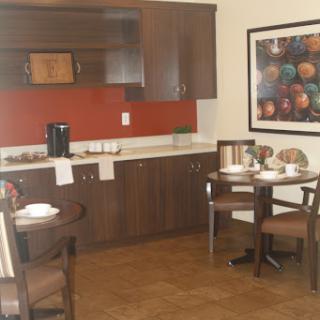
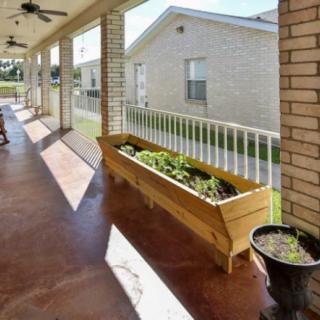
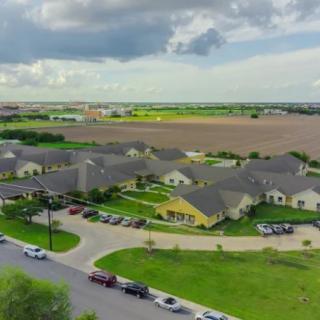
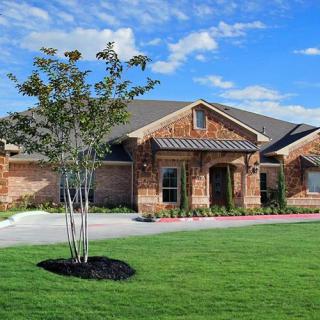
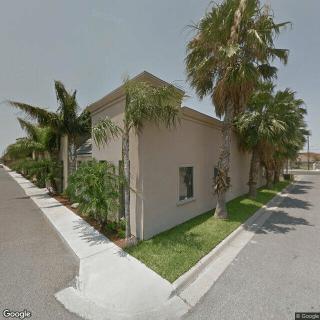
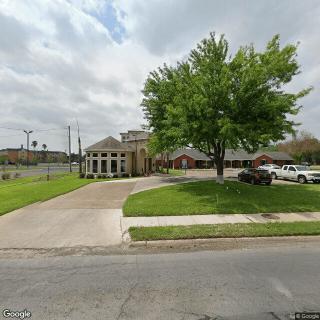
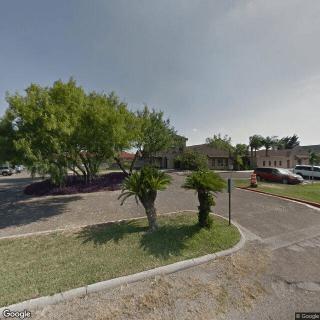
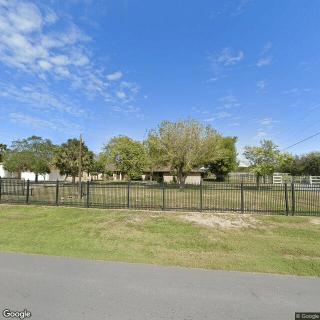
Edinburg Nursing And Rehabilitation Center on seniors.fyi includes 9 photos including images showing interior, lighting, decor, palm trees, landscaping, kitchen, dining, outdoor, and more.
Nearby Communities
The Bridges At Edinburg Bldg B
Edinburg, TX
4.4 from 26 reviews
Intimate, fully furnished living with meals and daily living assistance.
The Bridges At Edinburg
Edinburg, TX
4.4 from 39 reviews
$3,300 / month
Warm, welcoming environment with personalized care, clean facilities, engaging activities, and good dining.
Senior Care Of Edinburg
Edinburg, TX
4.8 from 120 reviews
Comprehensive 24/7 care with diverse amenities and activities
Colonial Manor Advanced Rehab & Healthcare
Pharr, TX
3.6 from 80 reviews
Extensive on-site amenities (beauty salon, computer center, fitness room, dining with dietary options) plus 24/7 supervision, nursing, medication management, and non-medical transportation.
Avalon Memory Care - Edinburg
Edinburg, TX
4.7 from 39 reviews
$4,875 to $6,475 / month
Personalized, attentive care in a clean, home-like setting with engaging activities.
Home Helpers
McAllen, TX
5 from 4 reviews
Professional, knowledgeable staff with flexible service.
Barcelona Assisted Living
Mcallen, TX
4.6 from 9 reviews
$2,800 / month
Friendly, professional staff in a warm, well-kept small community with good meals and on-site medical care.
The Bridges at Mission
Mission, TX
4.8 from 68 reviews
$2,400 to $2,700 / month
Friendly, caring staff with engaging activities in a well-maintained setting.
New Life Home Health Services
Donna, TX
4.6 from 10 reviews
Convenient access to nearby amenities and healthcare.
Hospice care focuses on providing comfort and support for individuals nearing the end of life, with Medicare Part A covering services like nursing care and counseling for patients with a terminal illness and a life expectancy of six months or less. While most hospice services are low-cost for eligible patients, families should be aware that certain expenses, such as room and board, may not be covered.
Caregiver burnout is a common issue resulting from the intense physical, emotional, and mental demands of caregiving, leading to symptoms like fatigue and social withdrawal. To prevent burnout, caregivers should recognize early warning signs and implement self-care strategies, seek support, and prioritize their own well-being alongside that of those they care for.
Caregiver exhaustion, or burnout, stems from the relentless demands of caregiving, leading to emotional and physical depletion characterized by stress, frustration, and neglect of personal needs. Addressing this burden is essential to prevent long-term consequences, with early recognition and support being crucial for caregivers to maintain balance and implement self-care.
Get PricingAsk A QuestionSchedule A TourContact Senior Advisor
By clicking submit, you agree to our Partner's Terms of Use. You
also consent to receive calls and texts, which may be autodialed, from our Partner. Your consent is not a condition to
using our Partner's service. Please visit our Partner's Privacy Policy for information about their privacy practices.

 120 resident community capacity
 Skilled Nursing Facility
 Air-conditioning
 Beauty salon
 Cable or satellite TV
 Computer center
 Dining room
 Fitness room
 Fully furnished
 Gaming room
 Garden
 Housekeeping services
 Kitchenette
 Move-in coordination
 Outdoor space
 Private bathrooms
 Restaurant-style dining
 Small library
 Telephone
 Wellness center
 Wi-Fi/high-speed internet available
 McAllen Miller International (6 miles away)
 Community operated transportation
 12-16 hour nursing
 24-hour call system
 Activities of daily living assistance
 Assistance with bathing
 Assistance with dressing
 Assistance with transfers
 Diabetes diet
 Medication management
 Mental wellness program
 Special dietary restrictions
 Concierge services
 Planned day trips
 Intimate, fully furnished living with meals and daily living assistance.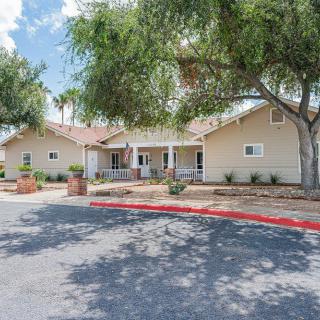

 Comprehensive Guide to Medicare Coverage for Hospice Care
 Caring for Those Who Care: Recognizing, Understanding, and Overcoming Caregiver Burnout
 Caregiver Exhaustion: Recognizing the Signs and Restoring Your Well-Being