




17019 Highway 321, Dayton, TX 77535
For more information about senior living options: (866) 208-4318
Dayton Tarkington Care Center Costs & Pricing
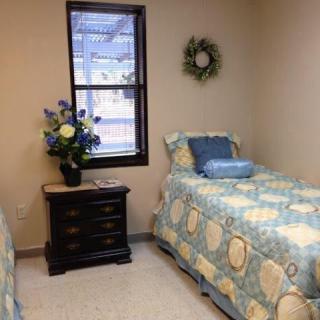
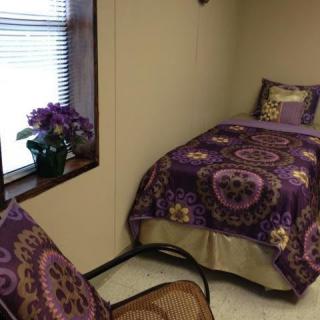
At Dayton Tarkington Care Center, the monthly costs for care are notably competitive compared to both Liberty County and the broader state of Texas. For a semi-private room, residents can expect to pay $1,500, which is significantly lower than the county average of $2,099 and even more so when compared to the statewide average of $3,680. Similarly, the cost for a private room at Dayton Tarkington stands at $3,000 - again an advantageous rate that outpaces Liberty County's average of $3,050 and offers substantial savings compared to the state average of $4,096. This positioning reflects Dayton Tarkington Care Center's commitment to providing quality care at an accessible price point within the regional landscape.
| Floor plans | Dayton Tarkington Care Center | Liberty County | Texas |
|---|---|---|---|
| Semi-Private | $1,500 | $2,099 | $3,680 |
| Private | $3,000 | $3,050 | $4,096 |
Assisted Living communities with a similar price nearby
-
from +$250 / mo

Crimson Heights
$1,750 to $3,500 / month24.7 miles away
Overall Review of Dayton Tarkington Care Center
Pros
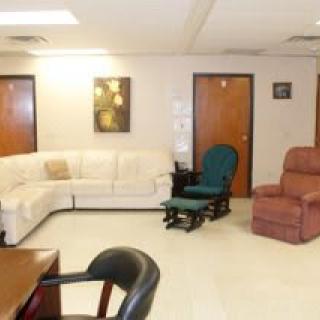
 The Dayton-Tarkington Care Center is very clean.
- The staff are wonderful.
- It's like a small family.
- There aren’t that many people there, so the residents always get what they need.
Cons
 The place is awful.
- The facility protects abusers, nurses abuse patients, and management fires whistleblowers.
- They humiliate and dehumanize residents.
- Nurses dehumanize residents who have accidents in their beds.
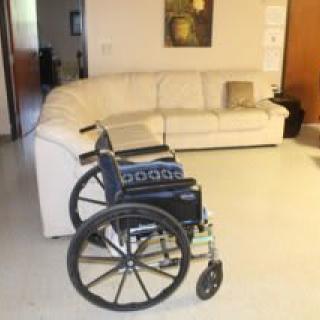
- The only help residents receive is when forced to drag their mess, and staff point out where the wheelchair is stuck.
- They do not take care of their residents.
- People should not bring their family members there.
Review
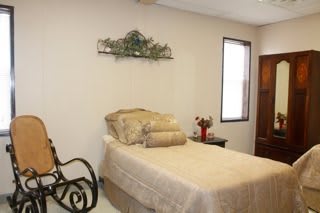
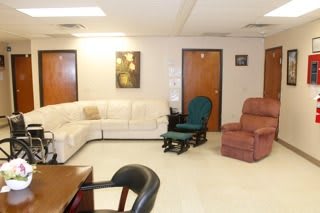
Dayton Tarkington Care Center is best suited for families that want a small, quiet, home‑like setting and are prepared to stay actively involved in daily care. The facility’s appeal rests on cleanliness and the sense of a close-knit staff dynamic, which can translate into attentive care when operations run smoothly. In practical terms, it can work for residents who thrive with a low‑traffic environment and for families willing to closely supervise, advocate, and intervene as needed. The upside is a perception of personal attention in a contained campus where interactions can feel direct and familiar.
At the same time, serious red flags emerge from multiple reviews that demand caution. Anyone prioritizing proven, consistent safety and dignity should consider alternatives. Reports of abuse, retaliation against whistleblowers, and dehumanizing treatment point to a culture that can compromise a resident’s well‑being. For families seeking strong oversight, transparent complaint handling, and reliable caregiver accountability, facilities with steadier regulatory confidence and staffing stability are advisable.
The strongest positives, cleanliness and a perceived small‑family feel, are meaningful but fragile. When care is calm and residents receive timely help, the setting can feel reassuring. Yet those benefits are undermined by the most troubling themes in the feedback: abuse allegations, demeaning reactions to accidents, and managers firing staff who raise concerns. In this light, the benefits of a neat, intimate environment do not offset the fundamental risks to safety, dignity, and ongoing trust in care.
Even modest advantages from a small campus hinge on consistent, ethical staffing and dependable care routines. A less crowded, seemingly personalized environment only matters if front‑line caregivers are respectful, responsive, and adequately supervised. The inconsistent narratives across reviews make it essential for families to demand verifiable evidence of safety: stable nurse coverage, clearly documented care plans, and an accessible, effective grievance process. Without those assurances, the apparent intimacy of the setting loses its value.
For families willing to investigate, practical due diligence is crucial. Review state inspection results and staffing data, observe shifts when residents need help, and interview front‑line caregivers about response times. Ask about whistleblower protections and what actually happens when concerns are raised. Speak with multiple families about their experiences, and insist on a clear plan for accidents, continence care, and routine oversight. If concerns persist after thorough checking, it is prudent to explore other communities with stronger safety records and transparent accountability.
In the end, Dayton Tarkington Care Center presents a high‑risk option for most seniors. It may attract those who prize a very small, clean setting and are prepared for aggressive advocacy and vigilant oversight, but the reported abuse and retaliation dynamics are prohibitive for safety‑conscious families. Alternatives with demonstrated safety histories, stronger care continuity, and clearer, verifiable standards should be prioritized. If choosing this facility, approach it with rigorous, ongoing oversight and a firm readiness to relocate at the first sign of decline in dignity or safety.
 8 resident community capacity
 Assisted Living
 Board and Care Home
 Activities off-site
 Cable or satellite TV
 Devotional services off-site
 Dining room
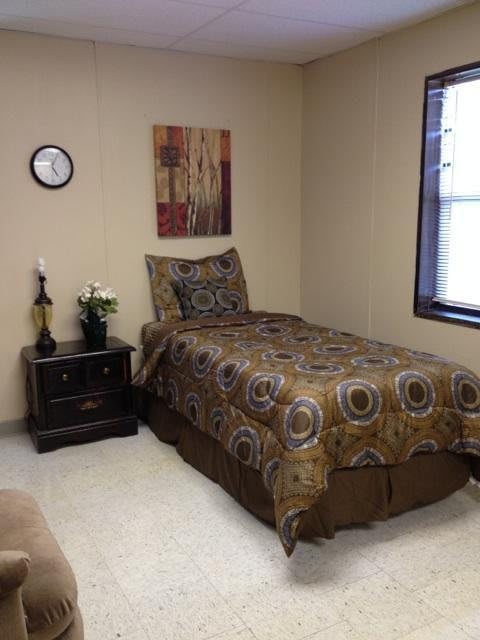
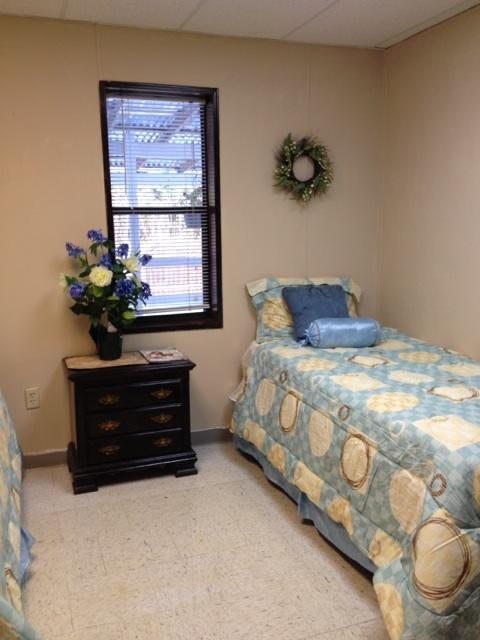
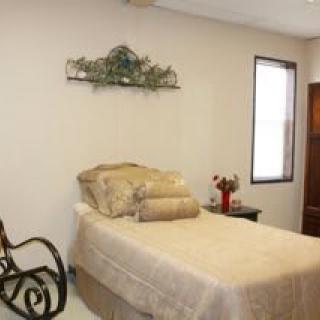
 Fully furnished
 Garden
 Housekeeping services
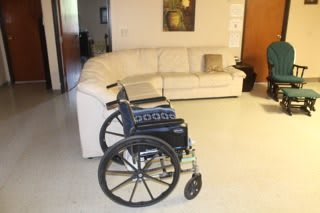
 Indoor common areas
 Move-in coordination
 Outdoor common areas
 Private
 Respite or short term stays offered
 Telephone
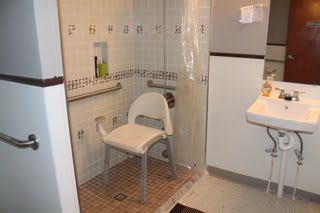
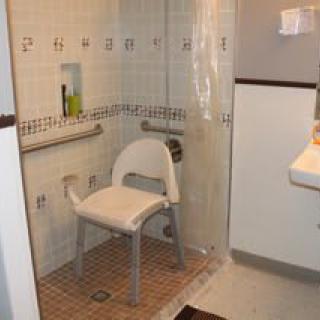
 Wheelchair accessible showers
 Wi-Fi/high-speed internet available
 24-hour supervision
 Ambulatory care
 Assistance with bathing
 Assistance with dressing
 Assistance with transfers
 Diabetes diet
 Diabetic care
 High acuity care
 Incontinence care
 Meal preparation and service
 Medication management
 Special dietary restrictions
 Transportation arrangement (medical)
 Transportation to doctors appointments



 Choosing the Right Senior Care: A Detailed Exploration of Assisted Living and Nursing Homes
 Understanding the True Cost of Assisted Living in 2025: A Comprehensive Guide
 Understanding Medicaid Coverage for Assisted Living: A Comprehensive Guide