
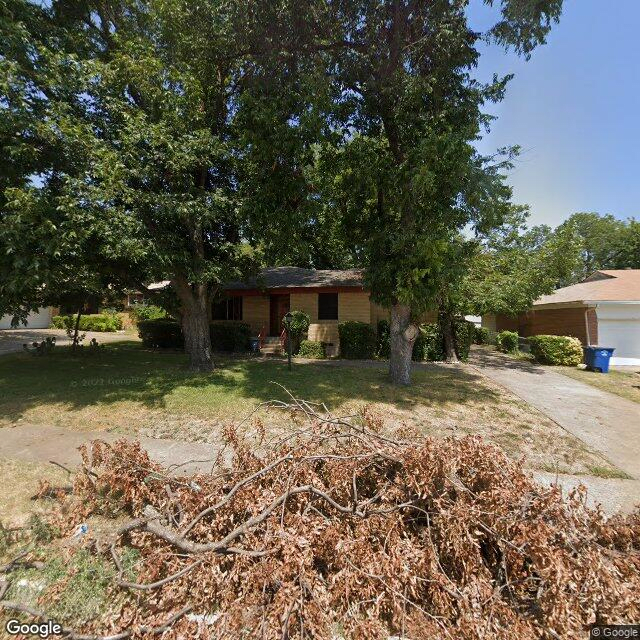
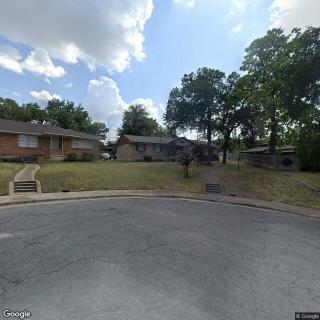
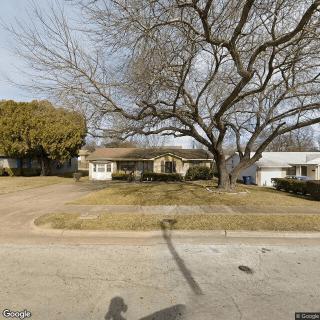
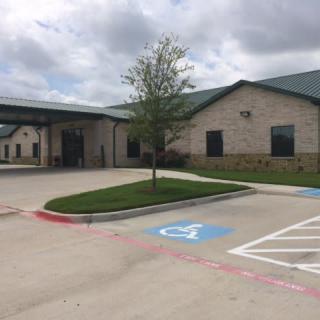
1427 Caravan Trail, Dallas, TX 75241
For more information about senior living options: (866) 208-4318
Trinity Residential Care Costs & Pricing
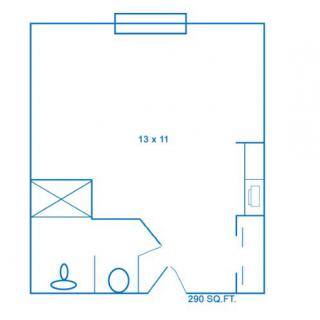
Trinity Residential Care offers a competitive pricing structure for its semi-private rooms, with a monthly cost of $2,000. This rate is significantly lower than the average costs in Dallas County, which stands at approximately $3,535, and even more so compared to the broader state average of around $3,680. By providing substantial savings compared to both local and statewide options, Trinity Residential Care positions itself as an appealing choice for individuals seeking quality care without the financial burden typically associated with such facilities.
| Floor plans | Trinity Residential Care | Dallas County | Texas |
|---|---|---|---|
| Semi-Private | $2,000 | $3,535 | $3,680 |
Assisted Living communities with a similar price nearby
-
from +$100 / mo
Only the Strong Survive
$2,100 to $2,500 / month14.9 miles away -
About the same
Silver Creek Assisted Living Garland
$1,995 to $3,675 / month17.6 miles away -
from +$385 / mo
Briarview Senior Living
$2,385 to $5,715 / month21.7 miles away -
from +$395 / mo
Silvermark Assisted Living
$2,395 to $3,895 / month23.4 miles away -
from -$65 / mo

The Wellington at Arapaho
$1,935 to $3,485 / month20.2 miles away
Overall Review of Trinity Residential Care
Pros
 The care at Trinity is second to none.
- The staff are respectful and trustworthy.
- Mark is described as extremely knowledgeable and welcoming.
- Trinity Residential Care is one of the best facilities in Dallas.
- It feels like home and cares for loved ones holistically.
- The facility provides great, personalized care and is beautiful.
- The facility feeds its residents very well.
Cons
 They state the owner needs to be more caring about others' feelings, even though the CNAs are nice.
- They think the facility could do better overall.
Review
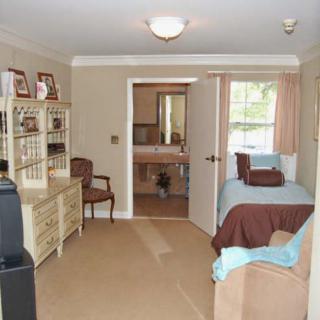
Trinity Residential Care in Dallas is best suited for families seeking a warm, home-like assisted living experience that emphasizes personal attention, respectful staff, and holistic care. The community appeals to residents who value meaningful daily interactions, a stable caregiving team, and a setting that feels comfortable and welcoming. The consensus from multiple impressions is that care is individualized and relationships with caregivers are strong, yielding a sense of security and trust for families. The facility’s atmosphere and the perceived quality of meals further reinforce its fit for those prioritizing quality of life and dignity in everyday routines.
Those who should consider alternatives are families prioritizing aggressive clinical oversight or a larger, more resource-diverse campus. A cautious note emerges from one reviewer who suggests the owner could be more attuned to residents’ feelings, which may concern families seeking a consistently warm leadership presence. Additionally, if a bigger staff roster, broader medical programming, or institutional-scale operations are essential, Trinity’s smaller, intimate environment may feel limiting. In short, Trinity shines in personal touch and home-like ambiance, but it may not be the best match for families seeking high-intensity clinical management or sizeable, corporate-backed resources.
The strongest positives center on relationships and daily living. Respectful, trustworthy staff create steadiness and confidence for families, and the care team’s attentiveness translates into a sense of safety for residents. The community is repeatedly described as beautiful and well-maintained, with a clear emphasis on personalized care rather than one-size-fits-all routines. Food quality receives consistent praise, countering a common stress point in the industry. The narrative that emerges is of a place where residents are known by name, where staff members invest time in meaningful interactions, and where daily life is oriented around comfort and individualized attention.
The notable drawback is the leadership dynamic hinted at in a single critique about the owner’s sensitivity to residents’ feelings. While the broader chorus is overwhelmingly positive about day-to-day care, this remark suggests a potential mismatch for families who place a premium on a visibly proactive and empathetic leadership voice. In a smaller facility, such a perception can color the overall experience, even when front-line care remains strong. Prospective residents should weigh this nuance against the tangible benefits of intimate staffing, stability, and the home-like environment.
Still, the pros largely offset the cons by delivering a reliable, person-centered experience. The daily care and interactions are the primary value proposition, and those elements appear to be well-executed, consistently delivering respect, safety, and a sense of belonging. The long-standing placements noted by reviewers imply that many residents and families come to trust Trinity over time, a powerful signal for continuity of care and predictable routines. For families who prize a dignified, individualized approach to aging in place, Trinity’s strengths offer a compelling counterbalance to a leadership concern that, if present, may be addressed through direct conversations during a tour and a closer look at how resident concerns are handled day-to-day.
When forming a decision, Trinity Residential Care should be on the short list for those who want warmth, personalization, and a home-like setting backed by solid daily care. Practically, the next step is a focused visit that probes how staff interact with residents, not just how the facility looks. Request unfiltered conversations with the administrator about grievance resolution timelines and how resident feelings are incorporated into care planning. Meet multiple caregivers beyond the standout names to gauge breadth of attention and consistency. If a visible, proactive leadership style and robust clinical depth are non-negotiables, compare Trinity with several peers to ensure alignment. For families chasing a practical blend of heartfelt care, good meals, and a stable, respectful atmosphere, Trinity presents a prudent, well-regarded choice in Dallas.
 7 resident community capacity
 Assisted Living
 Board and Care Home
 Cable or satellite TV
 Dining room
 Fully furnished
 Garden
 Housekeeping services
 Move-in coordination
 Outdoor space
 Telephone
 Wi-Fi/high-speed internet available
 Dallas Love (12 miles away)
 24-hour supervision
 Activities of daily living assistance
 Ambulatory care
 Assistance with bathing
 Assistance with dressing
 Assistance with transfers
 Diabetes diet
 Diabetic care
 Meal preparation and service
 Medication management
 Special dietary restrictions
 Transportation arrangement (medical)
 Transportation to doctors appointments


 Assisted Living Expenses and Long-Term Care Insurance: A Comprehensive Exploration
 Securing Financial Support for Assisted Living: A Comprehensive Overview
 Social Security Benefits and Assisted Living: Navigating Options Across the U.S.