Residents and families consistently describe staff who are responsive and supportive.
Many reviews highlight staff and management members who communicate clearly, answer questions, and follow through in day-to-day situations. Several families say they feel reassured because caregivers stay attentive to needs, including coordinating support during transitions and care changes. Even positive reviews from visitors emphasize that the front desk and care team are welcoming and quick to help.
common15 reviews mention this
Cleanliness is repeatedly noted
Multiple reviewers call out the facility’s cleanliness and upkeep.
A recurring theme across reviews is a clean, well-kept environment, with praise for spotless common areas and maintained rooms. Some reviewers also describe the building as fresh-smelling or free from unpleasant odors. Even when reviews are mixed, cleanliness and care logistics often remain a focal point for how the experience feels day to day.
common7 reviews mention this
Activities keep residents engaged
Residents are described as having a steady mix of activities.
Reviews mention games, social gatherings, and scheduled activities that help residents stay involved. One review describes activities during an earlier period and notes that some changes happened during a pandemic period, with activities starting back afterward. Overall, the reviews suggest the community places effort into keeping people engaged rather than leaving time unstructured.
common10 reviews mention this
Care team and therapy get praise
Therapy and nursing care are repeatedly mentioned as strong points.
Several reviews praise the therapy team and nursing staff as knowledgeable and attentive, including during rehabilitation or longer-term stays. Families also describe an experience where care plans and coordination feel organized, with staff working to ensure residents receive needed support. A few reviewers specifically call out the therapy team and nursing as reasons they would recommend the community.
caveat6 reviews mention this
Some families report serious lapses
A subset of reviews report breakdowns in care, communication, and staffing.
While many reviews are positive, multiple low-rated experiences describe concerns such as delayed or inadequate attention to residents’ needs, problems around bathing, and lack of communication with families. Other negative reviews mention short staffing or high turnover, which they say affects resident care. Taken together, these comments show that experiences can vary significantly depending on staffing and follow-through.
common2 reviews mention this
Nearby medical options add reassurance
The area includes multiple nearby pharmacies and medical offices.
A couple of reviewers reference the importance of getting help and services when needed, and the location offers nearby pharmacies and medical destinations. That mix can make it easier for families to access medications and medical services without going far.
How we summarize
Counts show how many written reviews mention each theme; a review can touch several themes, and only frequently mentioned themes are displayed.
Features
Housing
8 resident community capacity
Types of Care
Assisted Living
Board and Care Home
Amenities
Cable or satellite TV
Dining room
Fully furnished
Garden
Housekeeping services
Move-in coordination
Outdoor space
Telephone
Wi-Fi/high-speed internet available
Transportation
Dallas Love (12 miles away)
Dallas-Fort Worth International (20 miles away)
Care Services
24-hour supervision
Activities of daily living assistance
Assistance with bathing
Assistance with dressing
Assistance with transfers
Coordination with health care providers
Diabetes diet
Meal preparation and service
Medication management
Special dietary restrictions
Transportation arrangement (medical)
Transportation to doctors appointments
Dining
Diabetes diet
Special dietary restrictions
Activities
Community-sponsored activities
Scheduled daily activities
Nearby Places of Interest
Pharmacies
Redbird Pharmacy (0.7 miles)
Cashsaver Pharmacy 46 (2.8 miles)
Walgreens (3.2 miles)
CVS Pharmacy (4 miles)
CVS Pharmacy (4.2 miles)
CVS Pharmacy (4.5 miles)
Walgreens (5.2 miles)
Physicians
Dallas VA Medical Center Nuclear Medicine (1 miles)
CareNow (4.4 miles)
MD Kids Pediatrics (4.5 miles)
Southwest Orthopedics-Sports (5 miles)
Charter Medical Center: Oladele Olusanya, MD (5 miles)
Methodist Charlton Medical Center - Azhar A Kazi MD (5.1 miles)
Texas Oncology (5.1 miles)
Places of Worship
Greater Mount Hebron Baptist Church (1.1 miles)
Cafes
Tops Cafe (2.8 miles)
Starbucks (4.7 miles)
Starbucks (5.8 miles)
Manhattan Project Beer Company (6.1 miles)
The Henry (7.2 miles)
Magnolias Sous Le Pont (7.4 miles)
Starbucks (7.4 miles)
Restaurants
Taco Bell (2.9 miles)
McDonald's (3 miles)
McDonald's (4.1 miles)
La Calle Doce (4.1 miles)
Chick-Fil-A (4.2 miles)
Chili's Grill & Bar (4.2 miles)
Del Sur Tacos (4.4 miles)
Parks
Kiest Park (3.6 miles)
Kidd Springs Park (5 miles)
Kessler Parkway Trail (5.9 miles)
Fair Park (6.9 miles)
Klyde Warren Park (7.1 miles)
Exall Park (7.6 miles)
Hospitals
Methodist Rehabilitation Hospital (4.8 miles)
Medical Center At Lancaster (5.7 miles)
Baylor Scott & White Heart and Vascular Hospital - Dallas (7.2 miles)
The article discusses assisted living expenses, the importance of long-term care insurance in covering these costs, and various financing options, highlighting the need for careful policy review and early planning to address potential needs. It also clarifies common misconceptions about Medicare and private health insurance limitations regarding long-term care coverage.
Assisted living facilities offer crucial support for older adults needing help with daily activities but come with varying and significant costs, which can be financed through personal savings, government assistance programs, long-term care insurance, and home equity options. Professional guidance from experts can aid families in navigating these financial complexities to establish a sustainable budgeting approach for assisted living services.
Assisted living costs often exceed Social Security benefits, necessitating a combination of funding sources like state aid and Medicaid. Understanding the interaction between Social Security programs and available financial support is essential for affording such care.
Get PricingAsk A QuestionSchedule A TourContact Senior Advisor
By clicking submit, you agree to our Partner's Terms of Use. You
also consent to receive calls and texts, which may be autodialed, from our Partner. Your consent is not a condition to
using our Partner's service. Please visit our Partner's Privacy Policy for information about their privacy practices.

 8 resident community capacity
 Assisted Living
 Board and Care Home
 Cable or satellite TV
 Dining room
 Fully furnished
 Garden
 Housekeeping services
 Move-in coordination
 Outdoor space
 Telephone
 Wi-Fi/high-speed internet available
 Dallas Love (12 miles away)
 24-hour supervision
 Activities of daily living assistance
 Assistance with bathing
 Assistance with dressing
 Assistance with transfers
 Diabetes diet
 Meal preparation and service
 Medication management
 Special dietary restrictions
 Transportation arrangement (medical)
 Transportation to doctors appointments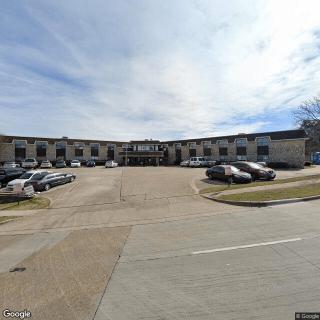
 Convenient location with nearby dining, pharmacies, hospitals, and a park; supportive environment.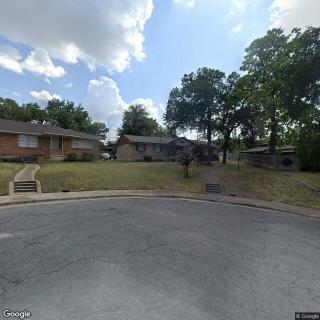


 Assisted Living Expenses and Long-Term Care Insurance: A Comprehensive Exploration
 Securing Financial Support for Assisted Living: A Comprehensive Overview
 Social Security Benefits and Assisted Living: Navigating Options Across the U.S.