For more information about senior living options: (866) 208-4318
3.6 from 114 reviews
5 stars
63
4 stars
12
3 stars
5
2 stars
4
1 stars
30
Overall Review of Presbyterian Village North
caveat
Medication help can be delayed
Several residents describe medication getting delayed when they need it.
Some reviewers mention long waits for medication or slow follow-through after pressing for help. A few comments also describe problems with getting the right medicine at the right time or following through as expected on scheduled needs. In those reviews, families suggest response timing and medication processes need improvement.
caveat
Call button response raises concern
Residents report slow response after calling for assistance.
Across multiple reviews, the biggest frustration is waiting too long for staff support after calling. Some describe delayed checks and delayed action even when assistance is needed urgently. These accounts point to inconsistent reliability around real-time support.
common
Dining draws mixed reactions
Dining quality is a frequent topic among reviewers.
Some residents and families praise the food as tasty, delicious, or first-rate, including comments about meals being served well. Others describe a decline or dissatisfaction, such as food not being as good as expected or varying by time period. Overall, dining comes through as important—both when it goes well and when it doesn’t.
caveat
Care experiences vary by unit
Care quality appears inconsistent depending on circumstances and unit.
While many reviews describe kind, helpful caregivers and a clean, comfortable environment, several others describe breakdowns in day-to-day care. Some accounts focus on medical management follow-up, staff responsiveness, or safety-related concerns, including missed needs. Taken together, reviewers’ experiences suggest outcomes can differ substantially from person to person.
How we summarize
We summarize when many written reviews mention each theme; a review can touch several themes, and only frequently mentioned themes are displayed.
Features
Housing
22 resident community capacity
1-bedroom apartments
2-bedroom apartments
Condos / townhomes
Studio apartments
Types of Care
Assisted Living
Continuing Care Retirement Community (CCRC)
Independent Living
Memory Care
Skilled Nursing Facility
Amenities
Beautician on-site
Beauty salon
Cable or satellite TV
Dining room
Full kitchen
Fully furnished
Garden
Guasts at mealtime
Guest parking
Housekeeping services
Kitchenette
Laundry
Move-in coordination
Outdoor space
Private bathrooms
Resident parking
Security gate
Swimming pool
Wi-Fi/high-speed internet available
Transportation
Dallas Love (7 miles away)
Dallas-Fort Worth International (16 miles away)
Community operated transportation
Transportation & parking
Transportation arrangement
Transportation arrangement (non-medical)
Care Services
24-hour call system
24-hour supervision
Activities of daily living assistance
Assistance with bathing
Assistance with dressing
Assistance with transfers
Diabetes diet
Meal preparation and service
Medication management
Physical therapy
Special dietary restrictions
Dining
Diabetes diet
Low / no sodium
Special dietary restrictions
Activities
Activities off-site
Community-sponsored activities
Fitness programs
Religious services
Resident-run activities
Scheduled daily activities
Languages Spoken
English
French
German
Hindi
Japanese
Russian
Spanish
Tagalog
Vietnamese
Nearby Places of Interest
Restaurants
Braum's (0.4 miles)
Wingstop (1 miles)
Enchilada's Restaurant (2.3 miles)
Taco Diner (2.4 miles)
Pappasito's Cantina (2.7 miles)
Seasons 52 (3 miles)
Taco Joint (3.1 miles)
Pharmacies
Abrams Royal Pharmacy (1.4 miles)
Walgreens (1.4 miles)
CVS Pharmacy (1.6 miles)
CVS Pharmacy (2.3 miles)
CVS Pharmacy (2.4 miles)
Walgreens (2.7 miles)
Walgreens (2.8 miles)
Hospitals
Texas Health Presbyterian Hospital Dallas (1.9 miles)
The comprehensive features offered by Presbyterian Village North are designed to enhance the quality of life for residents with dementia or Alzheimer's disease by addressing their unique needs. Assistance with dressing and bathing helps promote dignity and personal hygiene, while meal preparation and service ensure that residents receive nutritious meals tailored to their dietary requirements. Medication management plays a critical role in maintaining health and preventing complications associated with memory loss, as it ensures adherence to prescribed regimens. Support with activities of daily living fosters independence in a safe environment, allowing residents to engage in familiar routines. The assistance with transfers minimizes fall risks, enabling safer mobility. With 24-hour supervision, staff can quickly respond to any emergencies or behavioral changes, creating a secure atmosphere. Additionally, physical therapy promotes physical health and mobility, which is vital for overall well-being in those experiencing cognitive decline.
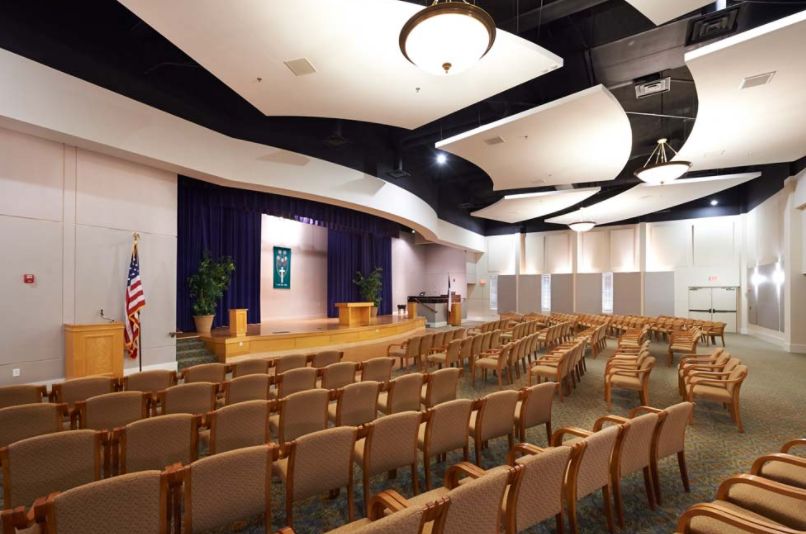
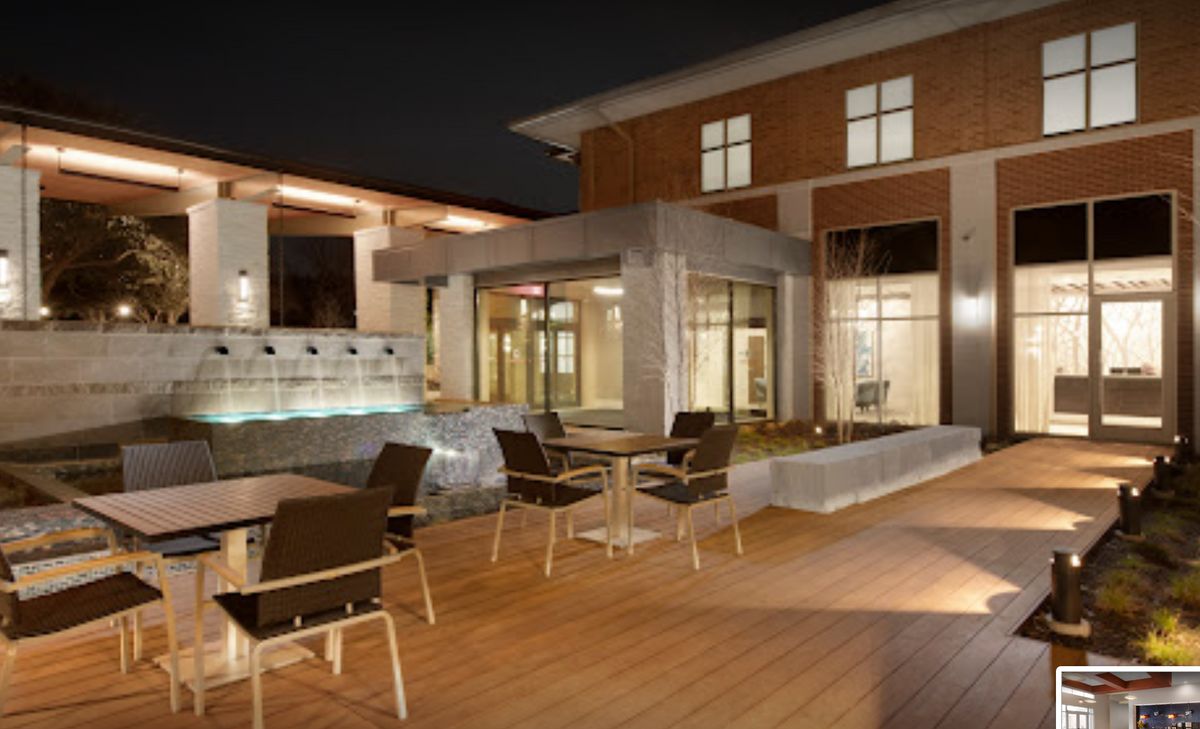
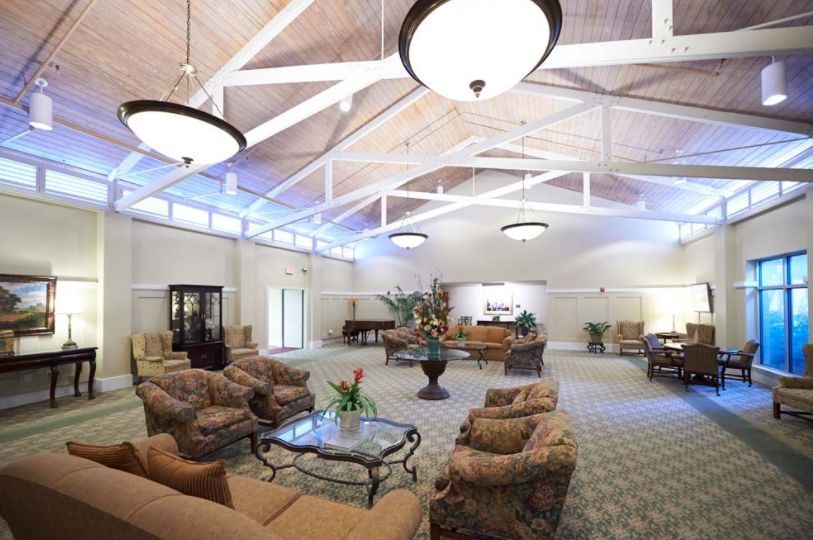
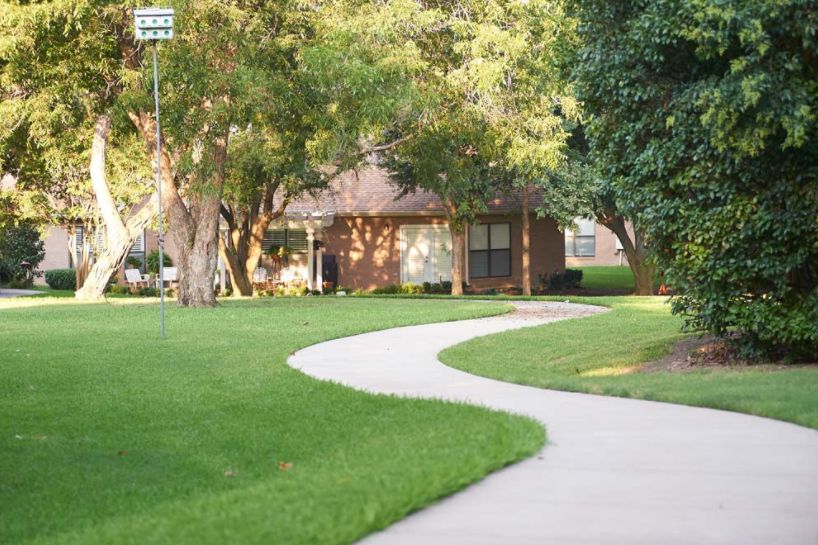
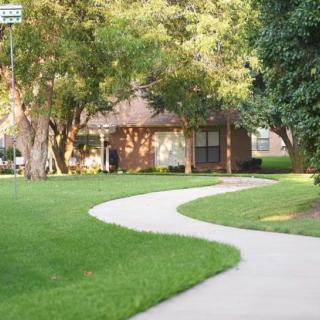
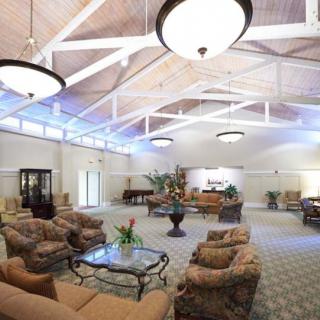
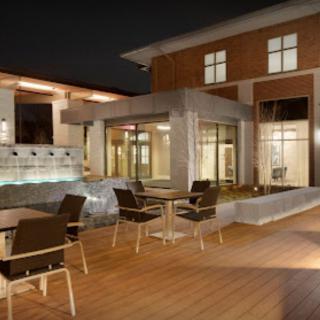
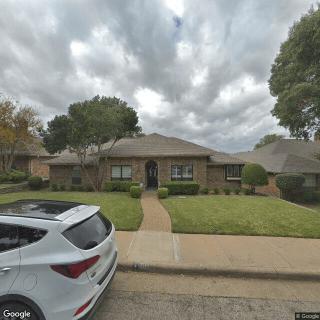
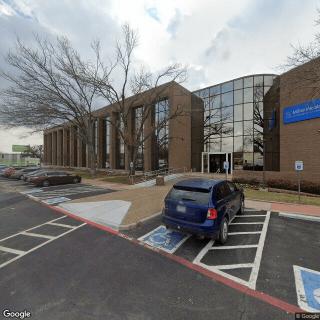
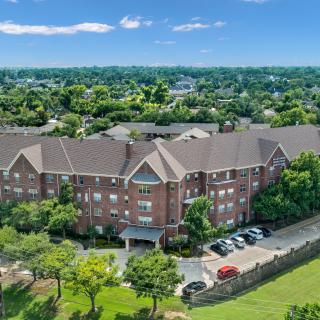
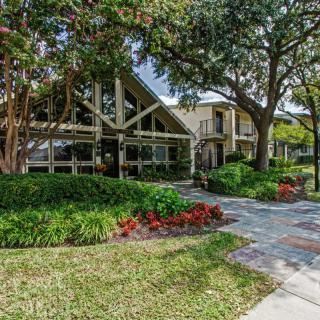
Presbyterian Village North on seniors.fyi includes 8 photos including images showing interior, seating area, dining, lighting, chandelier, landscaping, lighting fixtures, bookshelves, and more.
Nearby Communities
Heritage Forest Lane
Dallas, TX
3.2 from 68 reviews
Excellent access to healthcare, dining, parks, worship, and cultural amenities nearby.
The Highlands Of Dallas
Dallas, TX
3.2 from 66 reviews
Extensive amenities and comprehensive care services
Jacksons Place
Dallas, TX
Intimate, small-capacity community enabling personalized care.
The Jackson Place II
Dallas, TX
5 from 1 review
$3,200 to $4,000 / month
Strong visiting nurse care and responsive staff (notably Martha) with pet-friendly accommodations.
Right at Home
Dallas, TX
Spacious, accessible apartments with diverse dining and engaging activities.
Crystal Creek at Preston Hollow
Dallas, TX
4.1 from 147 reviews
$3,500 to $7,710 / month
Friendly, caring staff; clean and welcoming environment; responsive admissions.
The Reserve at North Dallas
Dallas, TX
4.4 from 180 reviews
$2,015 to $3,500 / month
Friendly, caring staff with engaging activities and good value.
Five Star Premier Residences of Dallas
Dallas, TX
4.8 from 59 reviews
$3,860 to $4,080 / month
Welcoming community with attentive staff and gourmet dining.
Meadowstone Place
Dallas, TX
4.7 from 166 reviews
$1,865 to $2,455 / month
Friendly staff, well-maintained facilities, spacious independent-living apartments, and engaging activities.
The guide outlines the complexities of Medicaid coverage for assisted living, highlighting significant state-to-state variations, limited coverage often restricted to personal care services, and the existence of specialized waivers for certain needs like memory care. It advises families to consult local Medicaid offices for options while emphasizing the importance of understanding state-specific regulations and facility policies.
Medicaid coverage for assisted living varies by state and is primarily available to low-income individuals, with eligibility dependent on strict income and asset limits. Some states offer HCBS waivers for specific services in assisted living, but families must generally cover room and board costs, and should verify facility acceptance of Medicaid while considering potential waiting lists.
Medicaid waivers for assisted living services provide vital support for seniors and individuals with disabilities in need of long-term care, with varying state-specific eligibility criteria and benefits. These waivers cover personal care and case management but often do not fully cover room and board, leading to waiting lists for many applicants.
Patio, Fountain, Modern Architecture, and Building Exterior
Bookshelves and Library
Seating and Conference Room
Lighting Fixtures and Interior Decor
Get PricingAsk A QuestionSchedule A TourContact Senior Advisor
By clicking submit, you agree to our Partner's Terms of Use. You
also consent to receive calls and texts, which may be autodialed, from our Partner. Your consent is not a condition to
using our Partner's service. Please visit our Partner's Privacy Policy for information about their privacy practices.









 22 resident community capacity
 1-bedroom apartments
 Condos / townhomes
 Assisted Living
 Continuing Care Retirement Community (CCRC)
 Independent Living
 Memory Care
 Skilled Nursing Facility
 Beautician on-site
 Cable or satellite TV
 Dining room
 Full kitchen
 Fully furnished
 Garden
 Guest parking
 Housekeeping services
 Laundry
 Move-in coordination
 Outdoor space
 Private bathrooms
 Security gate
 Swimming pool
 Wi-Fi/high-speed internet available
 Dallas Love (7 miles away)
 Community operated transportation
 24-hour call system
 Activities of daily living assistance
 Assistance with bathing
 Assistance with dressing
 Assistance with transfers
 Diabetes diet
 Meal preparation and service
 Medication management
 Physical therapy
 Special dietary restrictions
 Fitness programs
 Religious services
 English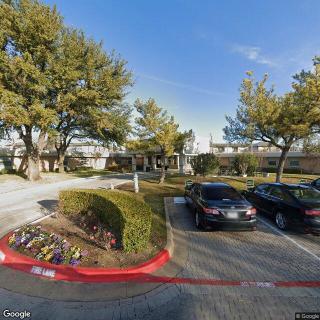
 Excellent access to healthcare, dining, parks, worship, and cultural amenities nearby.



 Understanding Medicaid Coverage for Assisted Living: A Comprehensive Guide
 How and When Medicaid May Cover Assisted Living Costs
 A Detailed Exploration of Assisted Living Medicaid Waivers Across the United States