

9010 Woodhurst Dr., Dallas, TX 75243
To contact a resident: (972) 805-7406
For more information about senior living options: (866) 208-4318
The Jackson Place II Costs & Pricing
The Jackson Place II offers competitive pricing for its room types compared to both Dallas County and the broader Texas market. For semi-private accommodations, residents will find that The Jackson Place II charges $3,200 per month, which is notably lower than the county average of $3,535 and significantly more affordable than the state average of $3,680. In terms of private rooms, the monthly fee at The Jackson Place II is set at $4,000, which is quite attractive when considering Dallas County's higher rate of $4,702, while also aligning closely with the state's average of $4,096. Overall, The Jackson Place II presents an appealing option for those seeking quality care without exceeding their budget.
| Floor plans | The Jackson Place II | Dallas County | Texas |
|---|---|---|---|
| Semi-Private | $3,200 | $3,535 | $3,680 |
| Private | $4,000 | $4,702 | $4,096 |
Memory care communities with a similar price nearby
-
from +$266 / mo
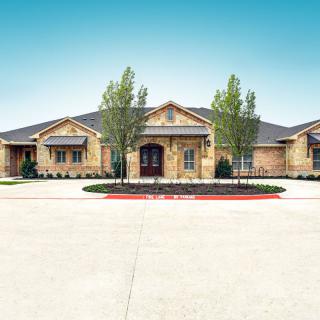
Avalon Memory Care - Allen
$3,466 to $6,475 / month14.8 miles away -
from +$300 / mo

Locardia Homecare Living
$3,500 to $4,500 / month8.5 miles away -
from +$300 / mo

Nedges Nest
$3,500 to $4,000 / month14.6 miles away -
from -$200 / mo

Residential Care
$3,000 / month17.8 miles away -
from -$200 / mo

Sophyas Assisted Living
$3,000 to $4,200 / month14.9 miles away
Overall Review of The Jackson Place II
Pros
 They are pleased with The Jackson @ Woodhurst.
- Martha, the business manager, is cheerful and perky.
- The visiting nurses deliver care that surpasses hospital personnel.
- They healed her head wound when hospital staff couldn't.
- The staff accommodated the mother-in-law's parakeets, and the residents loved them.
- Music therapy with student musicians or volunteers has proven helpful with Alzheimer's patients and would be a beneficial addition.
Review
The Jackson Place II in Dallas is best suited for seniors who want a warm, hands-on, relationship-driven care environment where attentive staff and practical nursing support come first. This community shines for residents who value dependable, cheerful engagement from management and front-line caregivers, and who appreciate the ability to accommodate small pets as part of daily life. The standout presence of Martha, the business manager, signals a well-run operation with a personal touch that translates into smoother day-to-day coordination, visit scheduling, and problem-solving. Families seeking a home-like atmosphere with responsive administration will feel confident moving a loved one here.
Those weighing alternatives should consider options that offer more intensive on-site medical oversight or a formalized memory-care program. If a family prioritizes 24/7 on-site physician availability, an in-house medical director, or a dedicated memory-care wing with structured programs, other campuses may better fit. The review notes the value of visiting nurses, who performed effectively in a real-world care scenario, but this is not the same as full-time, on-site medical coverage. In short, for residents with complex medical needs or who crave a robust, facility-based medical network, it’s prudent to compare alternatives that emphasize continuous on-site staffing.
The strongest upside rests with the practical, person-centered care ecosystem. Visiting nurses are highlighted as a clear strength, delivering outcomes that exceeded expectations in at least one hospital-adjacent scenario. That medical reliability, coupled with staff flexibility and an accommodating stance toward residents’ preferences, creates a tangible sense of security. The ability to heal a wound at home rather than in a hospital setting is particularly meaningful for families evaluating risk, continuity of care, and the daily comfort of a loved one. The staff’s willingness to go the extra mile, whether healing a wound or arranging small, meaningful amenities, offsets the absence of more formal programming in the eyes of many families.
A notable, practical advantage is the facility’s pet-friendly posture, demonstrated by accommodating a resident’s parakeets. This detail may not surface in every review, but for many seniors, keeping a familiar animal presence supports mood and engagement and reduces stress during transitions. Coupled with positive daily interactions and a staff that appears engaged with residents’ lives, the overall care experience feels personalized rather than transactional. However, the absence of a formalized music-therapy or memory-stimulating activities program means families should temper expectations if those offerings are a priority, and instead leverage informal social interactions and caregiver-driven enrichment as a substitute.
Potential residents and families should plan a focused tour with Martha and the care team to map out day-to-day routines, nurse visit schedules, and what happens during medication administration and wound care. Enquire about on-site resources, the cadence of nurse visits, and how on-call medical support is structured after hours. If memory care needs are a consideration, ask about any structured cognitive-stimulation efforts or partnerships with external providers. Confirm the pet policy specifics, including any limits on animals, care requirements, and how pets fit into shared spaces and activities. These conversations will illuminate how the pros align with the resident’s exact care level and lifestyle preferences.
In sum, The Jackson Place II represents a strong, decision-forward option for Dallas seniors who prize staff warmth, reliable visiting-nurse care, and a home-like setting that can accommodate small pets. It is a compelling choice for families seeking tangible, day-to-day caregiving reliability with a personal touch from administration and caregivers. For residents whose needs extend beyond what visiting nurses can sustain, or for families who require formal memory-care programming and continuous on-site medical coverage, it is wise to compare alternatives. The branding note about The Jackson @ Woodhurst aside, the core strengths here, responsive administration, meaningful nurse support, and a practical, compassionate approach to daily life, make this community a credible top contender in its segment.
 Board and Care Home
 Memory Care
 Cats allowed
 Dogs allowed
 Activities off-site
 Beautician on-site
 Indoor common areas
 Outdoor common areas
 Private
 Private bathrooms
 Wheelchair accessible showers
 Dallas Love (7 miles away)
 Diabetic care
 High acuity care
 Incontinence care
 Medication management
 Meals provided





 Engaging Memory Care Activities That Enhance Quality of Life
 When to Transition from Assisted Living to Memory Care: Key Indicators, Steps, and Finding the Right Community
 Understanding the Distinctions: Assisted Living and Memory Care Explained