
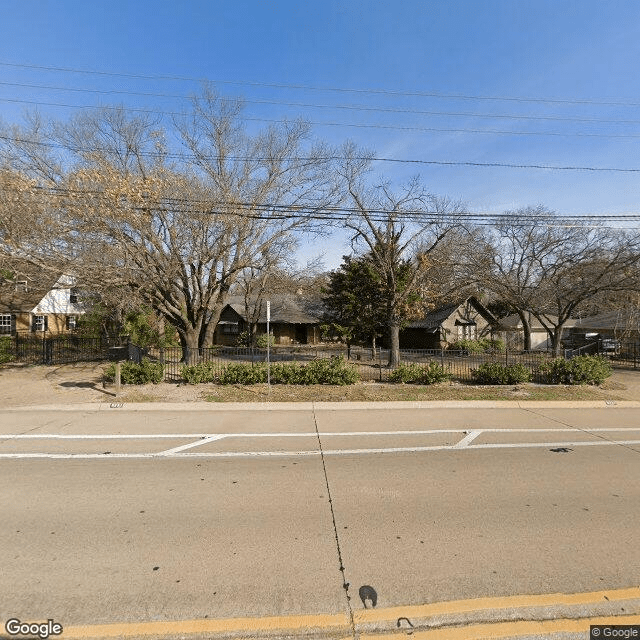
6237 Alpha Rd, Dallas, TX 75240
To contact a resident: (972) 235-8517
For more information about senior living options: (866) 208-4318
Overall Review of Our Place
Pros
 Nicole is great.
- The program helps women transform their lives and build stable futures.
- Former residents say it teaches self-sufficiency, independence, and confidence, and supports them through both good times and bad.
- Our Friends Place empowers clients to realize their potential through education, employment, and life skills training.
- The organization is a strong community resource and a great support for those in need.
- OFP has helped many young women gain stability and independence, opening doors to more possibilities.
- Our Friends Place is celebrated for 30 years in North Texas as a blessing to young women seeking a better life.
Cons
 The website was down.
- They couldn’t reach anyone by phone and wondered if the place was still open.
- They wondered what it would take to get into the shelter.
- They were turned away despite having savings, leaving them with nowhere to go and feeling punished for being financially responsible.
- The place is described as horrible for ejecting a woman who relocated for help, leaving her homeless, and for enforcing rules that remove people who seek mental health care, labeling them a threat to others.
Review
Our Place in Dallas is best suited for young women who are ready to commit to a structured, empowerment-focused path to independence. The program centers on education, employment readiness, and practical life skills, with a track record of helping residents transition from dependence toward stable, self-sufficient living. It is particularly well-matched for individuals who value a long-standing, community-based environment, where alumni stay engaged and mentors help shape a sustainable future. The emphasis on growth, accountability, and community supports a trajectory from shelter to stable housing and ongoing personal development.
Conversely, those needing immediate, low-barrier shelter or those who require flexible intake with minimal restrictions may want to explore alternatives. Several reviews point to a stringent admissions posture, including a perception that financial resources can become a barrier to entry, and a preference for candidates who meet specific eligibility criteria. Administrative accessibility can also be inconsistent, with reports of difficulty reaching staff or confirming open status. Additionally, there is a concerning note about a policy that could lead to eviction if a resident seeks mental health treatment, a factor that could complicate continuity of care for someone with ongoing needs. For someone who requires quick placement, or who cannot tolerate potential enforcement of such rules, other options may be more suitable.
The strongest positives lie in the program’s long-standing commitment to empowerment and skill-building. Residents consistently describe transformative experiences, developing self-sufficiency, becoming more outward-facing, and gaining confidence through education, employment preparation, and life-skills training. The organization’s 30-year presence signals reliability and a deep-rooted network in the North Texas community, which translates into meaningful opportunities for growth beyond just a place to stay. Alumni engagement is a notable strength, with graduates returning to support peers and to give back, creating a living ecosystem of accountability and mentorship. These elements can compound over time, producing durable outcomes: independent housing, better employment prospects, and a stronger sense of purpose.
However, the confluence of admissions friction and strict policy boundaries can temper the otherwise compelling advantages. When access is marred by uncertain phone lines or an opaque intake process, promising residents may be deterred before they even begin. The more restrictive eligibility environment may also disadvantage those who are financially but not institutionally prepared, or who require a gentler ramp into independence. The eviction-rule associated with mental health treatment, as highlighted in at least one account, risks prematurely interrupting critical support during a vulnerable period. For families evaluating options, these dynamics mean weighing the potential for a life-changing transformation against the risk of entry hurdles, abrupt exits, and limited flexibility in crisis situations.
To make a well-informed decision, engaging directly with the program is crucial. Prospective residents or their families should verify current admissions status and ask for a candid outline of eligibility criteria beyond income. Request direct contact with a caseworker to understand how life-skills training translates into real-world outcomes and what measurable milestones signal progress toward independent housing. Clarify how mental health needs are handled and whether there are safeguards to prevent abrupt discharges during challenging times. Inquire about daily routines, supervision levels, and the availability of ongoing mentorship after transition, so expectations align with what the environment can realistically deliver. If possible, speak with alumni or current residents to gauge day-to-day realities, not just the idealized profile.
In the end, this community stands out for families seeking a proven, resilient pathway to independence anchored in education, work readiness, and a supportive network of former residents who actively mentor newcomers. It is a compelling fit for those who can shoulder a structured process, embrace personal accountability, and stay engaged with a long-term plan. Yet the same strengths highlight the tradeoffs: access can be gated, and the policy landscape, especially around concurrent mental health needs, demands careful consideration. If decisive action toward self-reliance with a mature, community-led framework is the goal, Our Place offers a powerful route. If immediacy, flexibility, and low-barrier intake are priorities, exploration of alternatives is warranted to avoid unnecessary delays or policy-related discontinuities.
 Board and Care Home
 Dallas Love (7 miles away)







 Supportive Employee Benefits That Help Caregivers Attain Better Work-Life Harmony
 Top Cars for Senior Drivers and Essential Safety Innovations
 A Closer Look at Private Pay Home Care