
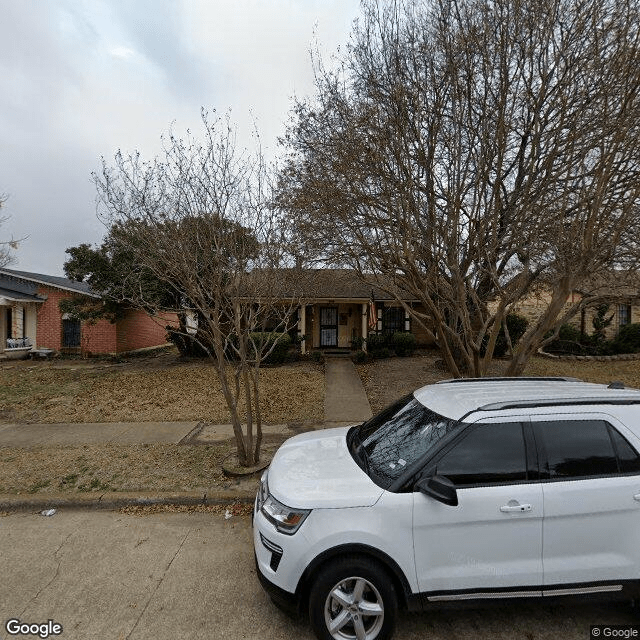
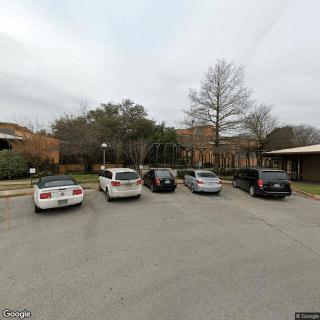
3018 Weather Vane Ln., Dallas, TX 75228
To contact a resident: (214) 930-6346
For more information about senior living options: (866) 208-4318
Only the Strong Survive Costs & Pricing
Only the Strong Survive offers competitive pricing for its accommodations, particularly when compared to both Dallas County and the broader state of Texas. For a semi-private room, residents can expect to pay $2,100 per month, which is significantly lower than the county's average of $3,535 and the state's average of $3,680. Similarly, for a private room, Only the Strong Survive's rate of $2,500 remains more affordable than both Dallas County's average of $4,702 and Texas's statewide average of $4,096. These cost differentials underscore Only the Strong Survive's commitment to providing accessible care while maintaining quality services in a challenging market.
| Floor plans | Only the Strong Survive | Dallas County | Texas |
|---|---|---|---|
| Semi-Private | $2,100 | $3,535 | $3,680 |
| Private | $2,500 | $4,702 | $4,096 |
Assisted Living communities with a similar price nearby
-
from -$100 / mo
Agape Care Home
$2,000 / month17.8 miles away -
from -$105 / mo
Silver Creek Assisted Living Garland
$1,995 to $3,675 / month3.1 miles away -
from +$285 / mo

Briarview Senior Living
$2,385 to $5,715 / month14.8 miles away -
from +$295 / mo
Silvermark Assisted Living
$2,395 to $3,895 / month14.1 miles away -
from -$165 / mo
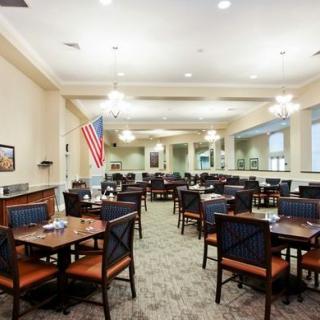
The Wellington at Arapaho
$1,935 to $3,485 / month8.7 miles away
Overall Review of Only the Strong Survive
Pros
 They are great with my Dad.
- They do accommodate each person's needs instead of a blanket policy, which is nice.
- He is happy and healing.
- The staff worked with her and the doctors and nurses that visited her made her last days very peaceful.
- Marilyn communicates well with families about their loved ones' condition.
- The caregivers are like family; they really care.
- They are above and beyond in their care.
- The food is above and beyond as well.
- They watch over her so well.
Cons
 They don't exercise him.
- They put him in a wheelchair.
- It is an older home, and it could be updated.
- The dietary needs of the residents were a little different, and communication was a little slow getting to the kitchen.
- The room he would be in seemed too crowded for what he is used to.
Review
Only the Strong Survive in Dallas is best suited for families seeking a warm, caregiver-led assisted living option where residents are treated like family and daily attentiveness is the norm. This community works best for seniors who no longer require intensive medical interventions but still need consistent monitoring, compassionate support, and flexible, individualized care. It is a place where families value personal connections with staff, steady communication, and end-of-life care that respects dignity and comfort. For a loved one who thrives on routine, companionship, and meals tailored to personal preferences, this setting can feel like a trustworthy, second home.
The strongest positives here revolve around caregiving that feels personal and dependable. Reviewers repeatedly praise staff for their genuine care and the sense that caregivers become part of the resident’s extended family. Families highlight attentive feeding practices and meals that are tailored rather than “one size fits all,” with staff who can cook and adjust to dietary needs. Family-like bonds emerge in multiple testimonials, and the consistency of care, especially in hospice scenarios, offers real peace of mind when a loved one’s condition changes. The owner’s approach, including active communication with families, reinforces a stabilizing, safety-first environment during difficult times and routines.
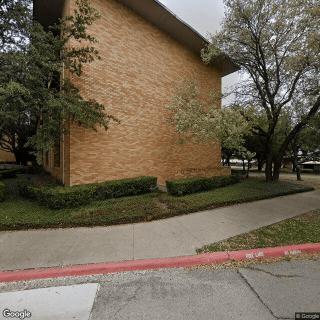
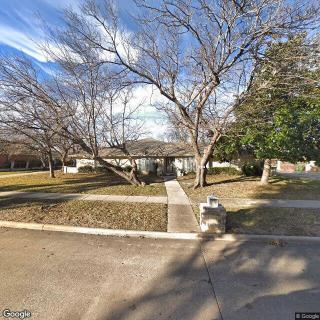
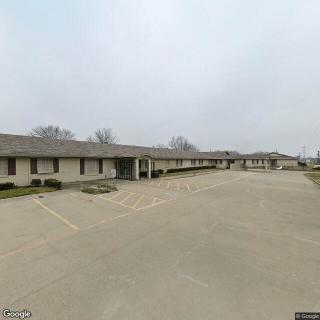
At the same time, notable drawbacks temper the experience. The facility sits in an older, modest home that hasn’t been modernized, which translates to surroundings that aren’t visually updated or cutting-edge. Rooms can feel cramped, with a propensity for shared accommodations that may be crowded for residents accustomed to more space. Practical gaps also appear in daily life: the primary concern raised is a lack of structured exercise or mobility programming, with instances where a resident’s walker usage was dependent on caregiver prompts rather than an established routine. Occasional staff turnover and the sense that communication with the kitchen can be slow when dietary needs are specific also surface as friction points.
These strengths and weaknesses interact in a clear, decision-forward way. The exceptional warmth, hands-on attention, and highly personalized meals offset the less-polished physical environment and restricted space by delivering a sense of security and daily predictability that many families prize. The hospice-friendly approach, characterized by coordinated involvement of doctors and nurses and a continued emphasis on comfort, often proves decisive when families confront progressive illness. The consistency of care and a culture that treats residents as family can trump the appeal of newer fixtures or more expansive amenities, particularly for those who prioritize human connection and daily oversight over modern aesthetics.
Those who should consider alternatives are obvious. If a higher level of on-site medical rehab, frequent physician oversight, or vigorous, structured exercise programs are non-negotiable, this may not be the best fit. Families seeking single, private rooms without sharing may also want to look elsewhere, as space tends to be older and accommodations can be crowded. If the surrounding neighborhood atmosphere or the lack of modernization is a deal-breaker, or if there is a strong preference for a facility with newer construction and visible investments in updated interiors, other options will likely better align with those expectations.
Decision-makers should approach a stay at Only the Strong Survive with a clear checklist. Schedule a tour and observe how staff interact with residents, especially during meals and mobility assistance. Inquire directly about any planned updates to rooms and common areas, and ask to see a sample menu and any flexibility in meal planning. Discuss plans for mobility support and whether a structured exercise or rehab program exists or can be arranged. Clarify staff stability and turnover patterns, and confirm that hospice coordination, if needed, is consistently supported by the team. If warmth, personalized care, and a home-like atmosphere are the top priorities, this community offers a compelling, credible fit; if modern facilities and aggressive in-house programming are non-negotiable, explore other choices.
 8 resident community capacity
 Assisted Living
 Board and Care Home
 Respite Care
 Activities on-site
 Bath tubs
 Cable or satellite TV
 Devotional services on-site
 Dining room
 Fully furnished
 Garden
 Housekeeping services
 Indoor common areas
 Move-in coordination
 Outdoor common areas
 Private
 Telephone
 Wheelchair accessible showers
 Wi-Fi/high-speed internet available
 Dallas Love (11 miles away)
 24-hour supervision
 Ambulatory care
 Assistance with bathing
 Assistance with dressing
 Assistance with transfers
 Diabetes diet
 Diabetic care
 High acuity care
 Meal preparation and service
 Medication management
 Special dietary restrictions
 Transportation arrangement (medical)
 Transportation to doctors appointments



 Beyond the Bingo Hall: 50+ Enriching Activities for Seniors in Assisted Living
 Understanding the Distinctions: Assisted Living and Memory Care Explained
 Guiding Elderly Parents Who Refuse Assisted Living: 6 Practical Steps