Dallas Home For Jewish Aged in Dallas, TX
SaveInformation last verified:
2525 Centerville Rd, Dallas, TX 75228
For more information about senior living options: (844) 490-3973
Dallas Home For Jewish Aged in Dallas, Texas presents itself most convincingly to families pursuing intensive rehabilitation and structured, activity-rich senior care. The community appears best suited for residents who need strong PT/OT/ST support, benefit from private rooms, and thrive in a setting with a built‑in continuum of care that supports reintegration and daily engagement. For families with loved ones recovering from surgery or a stroke, or those who require ongoing therapy as a core part of daily life, this facility offers a compelling blend of in‑house therapists, rehab-focused programming, and a campus that accommodates multiple levels of care under one roof. This is a place where the rehabilitative program and social calendar can drive meaningful gains and a sense of progress, provided the environment delivers consistency in staffing and safety.
The most persuasive strengths lie in the therapy program and the practical, resident-centered amenities that support recovery and daily living. Reviews consistently highlight a large, well-qualified therapy team working across rooms and gyms, with a strong emphasis on individualized plans and measurable progress. Private rooms with en-suite options, reliable housekeeping, and on-site transportation for appointments are recurrent positives, making it easier for families to coordinate care and maintain continuity. The facility’s emphasis on activity, therapies, games, religious services, and diversified outings, helps residents stay engaged, socially connected, and motivated to participate in their own care. For families prioritizing hands-on therapy and a robust rehab track, these factors carry real weight.
Yet this community is not without substantial caveats that potential entrants must weigh. A broad spectrum of reviews chronicles serious concerns about staffing adequacy, management responsiveness, and daily operations. Repeated reports describe slow call-light responses, maintenance delays, and perceived lapses in basic resident care. Odors, cleanliness issues, and, in some cases, unsafe or unsatisfactory experiences on specific floors have been documented. There are persistent accusations of overmedication, poor coordination of medical records, and lapses in communication between day and night shifts. Additionally, incidents of missing personal items, broken or unaddressed equipment, and aggressive or dismissive administrative behavior recur in several accounts. Taken together, these factors signal real risk that can overshadow even strong clinical programming if not actively addressed.
The core tension is whether the strong therapy culture and high-quality private accommodations can offset the more troubling concerns about staffing and oversight. On balance, for residents whose recovery trajectory depends on consistent access to a large therapy team and who benefit from the social programming and mobility options the center provides, the pro‑rehab, pro‑engagement attributes can overshadow some operational shortcomings. When calls are answered promptly, when meals and activities stay reliable, and when a family can establish a clear point of contact, the experience can feel cohesive and supportive. The risk, however, is that fluctuations in staffing, communication gaps, or safety lapses may erode confidence and impede progress, particularly for frailer seniors or those with complex medical needs.
Given the mixed picture, certain families should strongly consider alternatives. If a loved one requires unwavering, 24/7 attentiveness, transparent medical documentation, and a demonstrable, no‑nonsense approach to safety and accountability, other facilities may deliver more consistent performance. Families with a history of negative experiences in long‑term care, such as frequent caregiver turnovers, persistent odor or cleanliness concerns, or repeated incidents of inadequate response to urgent needs, will want to compare options carefully. Even with excellent therapy, a facility that struggles to address basic safety, cleanliness, and communication risks undermining both health outcomes and overall quality of life.
Practical next steps for families evaluating Dallas Home For Jewish Aged include an in-depth in-person assessment focused on staffing patterns, floor-by-floor observations, and the dementia/memory care environment. Schedule weekend and after-hours tours to see how staff respond when activity schedules are in full swing and when calls for assistance come in from residents. Request to review the latest state inspection reports, incident logs, and a detailed staffing matrix by shift. Meet directly with the therapy director to understand how rehab goals translate to discharge planning, and speak with the administrator about procedures for med management, documentation, and family communication. Consider arranging a short‑term stay or intensive evaluation period to observe day-to-day operations under real conditions.
In the end, Dallas Home For Jewish Aged offers undeniable rehabilitation excellence, strong private accommodations, and a vibrant activity landscape that many families will value highly. However, the reviews paint a picture of a facility that can veer toward inconsistency in staffing, communication, and basic safety, with several families reporting troubling experiences despite strong clinical outcomes. The prudent conclusion is not to dismiss the rehab strengths, but to approach this community with a rigorous due diligence plan and clear expectations about oversight and accountability. For families prioritizing therapy outcomes and a faith‑aligned, socially active environment, it remains a serious contender, so long as a comprehensive risk assessment confirms that staffing reliability and resident safety can be consistently demonstrated in daily operations. If those assurances cannot be secured through a thorough tour and candid conversations with leadership, alternatives that emphasize steady staffing and transparent care practices warrant serious consideration.
The Dallas Home For Jewish Aged in Dallas, TX is an assisted living community specifically designed to cater to the needs and preferences of Jewish seniors. Our facility is located in a vibrant neighborhood that offers a variety of amenities nearby.
Residents can enjoy convenient access to three nearby cafes, where they can socialize with friends over a cup of coffee or grab a quick bite to eat. Additionally, our community is surrounded by three beautiful parks, providing ample opportunities for outdoor activities, leisurely strolls, and enjoying nature.
Ensuring the health and well-being of our residents is our top priority. With 17 pharmacies in close proximity, we offer easy access to medication and pharmaceutical services. Additionally, there are five physicians nearby who provide comprehensive medical care to meet any healthcare needs.
For dining options, residents have their choice of 15 restaurants located within a short distance from our community. Whether craving traditional Jewish cuisine or exploring other culinary delights, there is something for everyone's taste.
Spirituality plays an important role in many residents' lives; therefore, we are pleased to have two places of worship situated nearby. These places provide spiritual guidance and allow individuals to connect with their faith.
Cultural experiences and entertainment are also easily accessible with two theaters situated closely. Residents can enjoy live performances, movies, and other artistic events without having to travel far from home.
Finally, we understand the importance of prompt medical assistance when needed. Our community ensures quick emergency response by having a hospital just around the corner.
At the Dallas Home For Jewish Aged, we strive to create an enriching and fulfilling environment for our residents. This includes not only offering top-notch care but also incorporating convenient amenities and fostering connections within the wider community.
This part of Dallas, Texas offers a variety of amenities and services that may appeal to seniors looking for a comfortable and convenient living experience. With multiple places of worship nearby, individuals can easily maintain their spiritual practices. Additionally, there are several healthcare options in the area, including eye care, immunizations, women's health services, pediatric clinics, and digestive disease consultants. The proximity to hospitals such as Baylor Scott & White Medical Center and Texas Health Presbyterian Hospital Dallas ensures quick access to medical care when needed. Residents can enjoy the peaceful surroundings of parks like Lochwood Park and Tietze Park for outdoor relaxation. There are also several dining options ranging from Italian cuisine at Alfonso's to fast food chains like Chick-Fil-A and Jack In The Box. Transportation is easily accessible with the Park Lane Station nearby for those who rely on public transportation. Overall, this neighborhood provides a mix of convenience, healthcare services, dining options, and recreational activities for seniors looking to settle down in Dallas.
Dallas Home For Jewish Aged is located at 2525 Centerville Rd, Dallas, TX 75228 in Dallas County, Texas
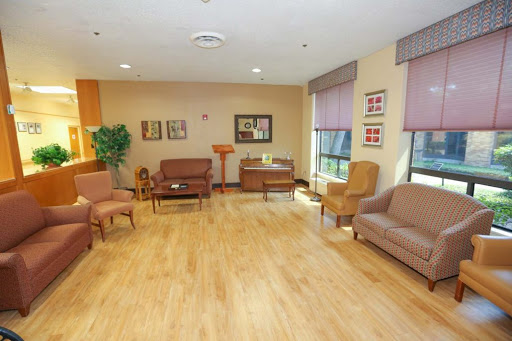
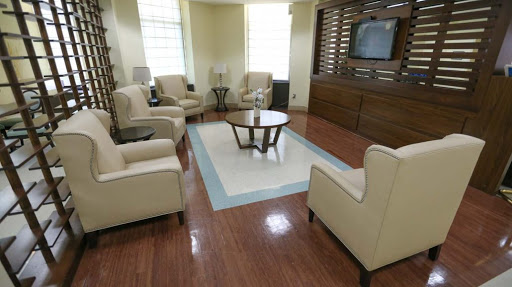
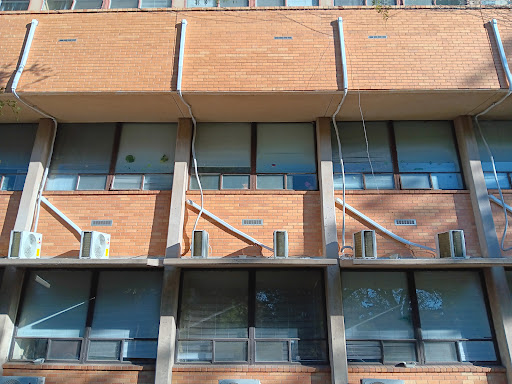
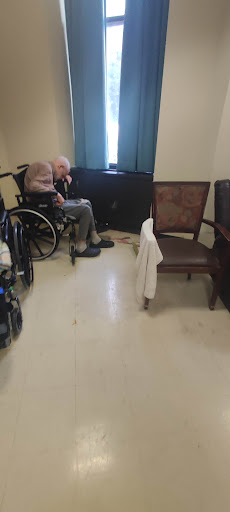
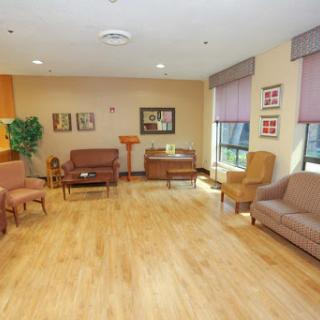
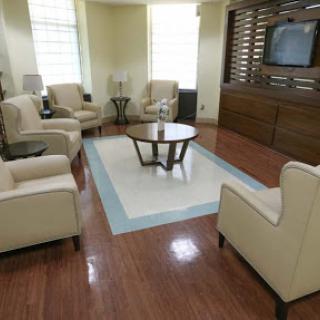
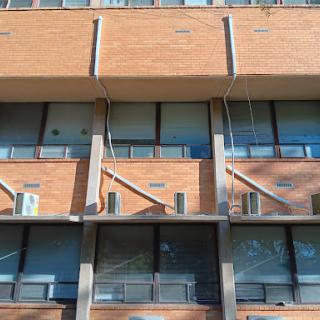
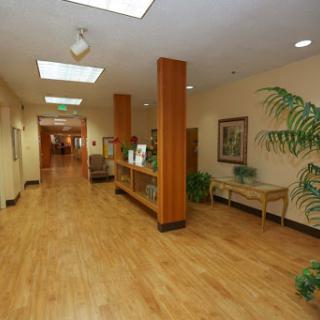
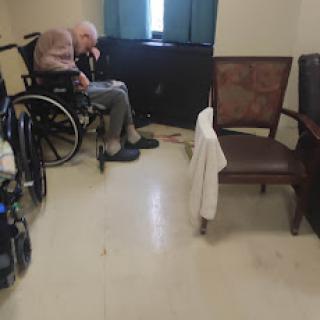
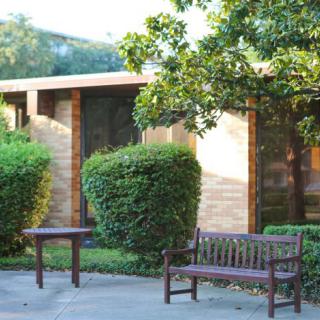
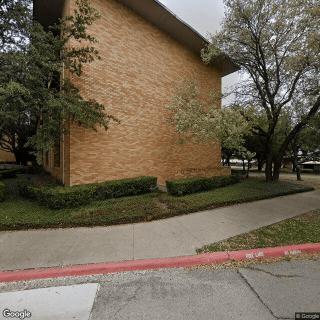
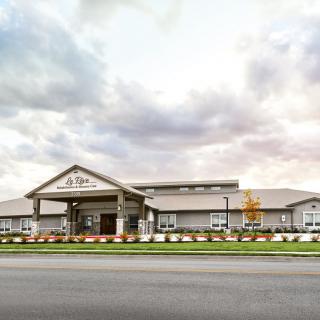
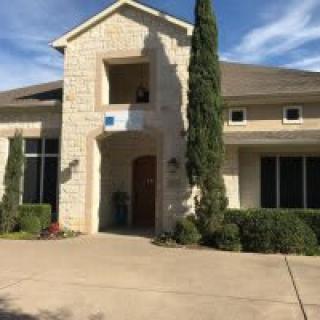
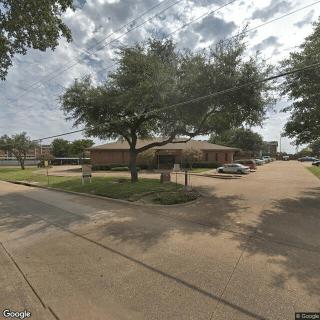
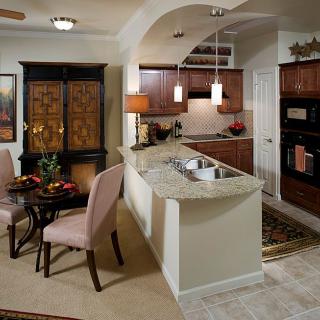
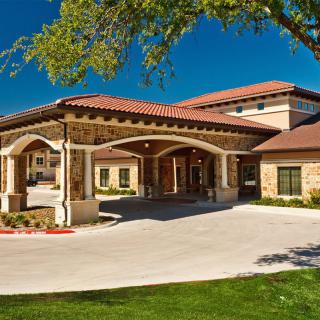
Dallas Home For Jewish Aged on seniors.fyi includes 9 photos including images showing interior, waiting area, seating, windows, living room, decor, building, architecture, and more.
Comprehensive Exploration of Living Wills and Other Advance Directives

Living wills and advance directives are crucial legal documents that outline an individual's healthcare preferences when they cannot make decisions themselves, enhancing patient autonomy and alleviating family stress during medical crises. The article emphasizes the need for these documents to be personalized, legally valid, and regularly updated, while also encouraging communication about end-of-life wishes among family members and healthcare providers.
A Detailed Exploration of Living Wills and Advance Directives

The article examines living wills and advance directives, highlighting their significance in expressing healthcare preferences for those unable to communicate due to illness or incapacity. It discusses their historical development, legal components, limitations, practical drafting advice, and the importance of clear communication among families and healthcare professionals regarding end-of-life decisions.
Comprehensive Guide to Medicare Coverage for Hospice Care
Hospice care focuses on providing comfort and support for individuals nearing the end of life, with Medicare Part A covering services like nursing care and counseling for patients with a terminal illness and a life expectancy of six months or less. While most hospice services are low-cost for eligible patients, families should be aware that certain expenses, such as room and board, may not be covered.