For more information about senior living options: (866) 208-4318
3.6 from 73 reviews
5 stars
43
4 stars
3
3 stars
2
2 stars
5
1 stars
20
Garland Assisted Living Costs & Pricing
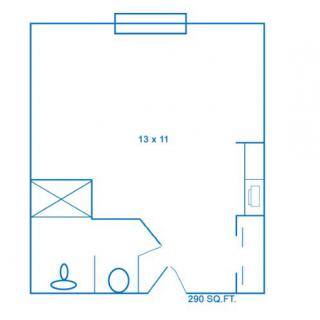
Garland Assisted Living presents a compelling cost option for those seeking assisted living arrangements, with a monthly charge of $3,000 for a studio unit. This rate is notably more affordable compared to the average costs in Dallas County, which stand at approximately $3,625 per month, and significantly lower than the statewide average in Texas of around $3,758. By choosing Garland Assisted Living, residents can enjoy quality care and services while benefiting from a more economical alternative within the region. The pricing structure not only reflects the facility's commitment to providing accessible support but also positions it as an attractive choice for families looking to balance quality of life with financial considerations.
Floor plans
Garland Assisted Living
Dallas County
Texas
Studio
$3,000
$3,625
$3,758
Assisted Living communities with a similar price nearby
Residents and families describe staff who are sometimes deeply caring and sometimes not.
Many reviewers describe staff as kind, respectful, and responsive, including specific praise for nursing and memory-care team members. Families also mention feeling comfortable leaving a loved one there when staff provide safe, attentive support. At the same time, a separate set of reviews raise concerns about neglect, poor communication, and rude or unprofessional behavior, including complaints about staffing levels and delays.
caveat14 reviews mention this
Care gaps show up in reviews
Several reviews report serious lapses in daily care and follow-up.
Some reviewers describe issues such as poor wound care, lack of timely communication, and delayed responses to needs like showers or pain management. There are also accounts of residents being left unattended or not receiving care in a timely way during feeding and assistance times. A few reviews go further, describing experiences that included hospital transfers and calling out a lack of follow-up after incidents.
caveat5 reviews mention this
Food is hit or missed
Food quality varies widely in the feedback.
One reviewer calls the food horrible, describing items like dry sandwiches and meals that seemed unsuitable. Other reviewers say the food is good, and a few mention that their loved ones enjoy meals. Overall, the dining experience appears inconsistent across reviews.
caveat2 reviews mention this
Memory care is specifically discussed
Reviews include conflicting perspectives on dementia and memory care.
One reviewer praises the memory care unit staff for being gentle and for updating them after falls or new concerns. In contrast, another reviewer specifically warns against placing someone with dementia at the facility, citing concerns about supervision and pain or comfort management. Together, the feedback suggests the experience for dementia patients may depend on the individual situation and unit support.
common3 reviews mention this
Activities and community time get praise
Residents and families mention regular activities.
Several reviews describe activities that help residents leave their rooms and stay engaged, including group social events and games. One reviewer credits an activities coordinator with arranging outings and events such as Bingo and seasonal celebrations. These comments align with the community offering activities on-site.
How we summarize
Counts show how many written reviews mention each theme; a review can touch several themes, and only frequently mentioned themes are displayed.
Features
Types of Care
Assisted Living
Amenities
Activities on-site
Beautician on-site
Devotional services off-site
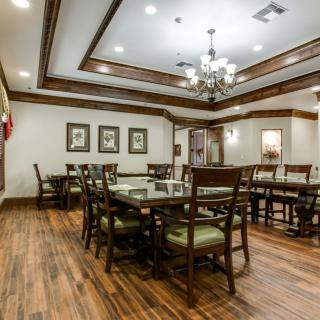
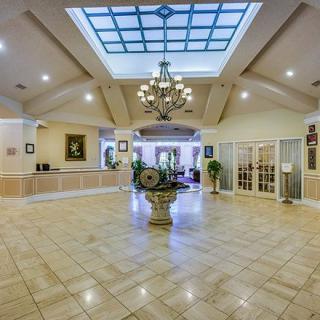
Indoor common areas
Transportation
Dallas Love (13 miles away)
Dallas-Fort Worth International (23 miles away)
Care Services
Ambulatory care
Diabetic care
Incontinence care
Medication management
Dining
Meals provided
Activities
Activities on-site
Devotional activities offsite
Nearby Places of Interest
This part of Garland, Texas offers convenient access to essential amenities such as pharmacies, places of worship, physicians, restaurants, parks, cafes, hospitals, theaters, and transportation options. With several CVS and Walgreens pharmacies nearby along with medical facilities like Women's Health Alliance and Texas Digestive Disease Consultants, healthcare needs can be easily met. The various places of worship provide spiritual support within the community. Residents can enjoy dining options ranging from fast food to casual dining at Olive Garden and McAlister's Deli. Parks like Lochwood Park offer green spaces for relaxation and outdoor activities. For entertainment, there are theaters like AMC DINE-IN Mesquite 3 and Alamo Drafthouse Lake Highlands in close proximity. Public transportation via the Park Lane Station provides easy access to other parts of the city. Overall, this area offers a well-rounded living environment with convenient amenities for seniors looking to settle in Garland.
Garland Assisted Living presents a compelling cost option for those seeking assisted living arrangements, with a monthly charge of $3,000 for a studio unit. This rate is notably more affordable compared to the average costs in Dallas County, which stand at approximately $3,625 per month, and significantly lower than the statewide average in Texas of around $3,758. By choosing Garland Assisted Living, residents can enjoy quality care and services while benefiting from a more economical alternative within the region. The pricing structure not only reflects the facility's commitment to providing accessible support but also positions it as an attractive choice for families looking to balance quality of life with financial considerations.
Assisted living facilities offer crucial support for older adults needing help with daily activities but come with varying and significant costs, which can be financed through personal savings, government assistance programs, long-term care insurance, and home equity options. Professional guidance from experts can aid families in navigating these financial complexities to establish a sustainable budgeting approach for assisted living services.
Assisted living costs often exceed Social Security benefits, necessitating a combination of funding sources like state aid and Medicaid. Understanding the interaction between Social Security programs and available financial support is essential for affording such care.
The VA Aid and Attendance benefit provides financial support to veterans needing assistance with daily living due to medical conditions or disabilities, augmenting standard VA pensions for services like in-home care. Eligibility is based on service duration, wartime status, income, and medical needs, with a detailed application process required to access funds for caregiving and home modifications.
Get PricingAsk A QuestionSchedule A TourContact Senior Advisor
By clicking submit, you agree to our Partner's Terms of Use. You
also consent to receive calls and texts, which may be autodialed, from our Partner. Your consent is not a condition to
using our Partner's service. Please visit our Partner's Privacy Policy for information about their privacy practices.

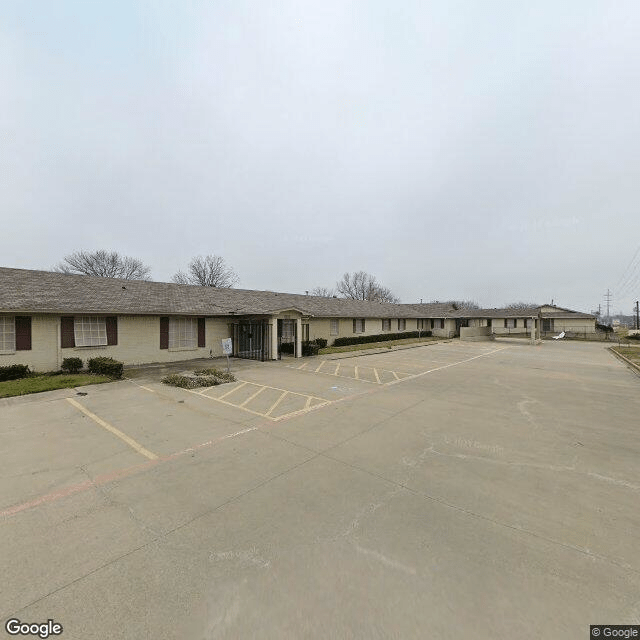
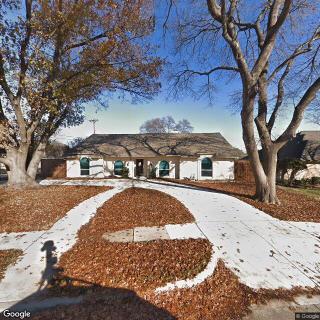
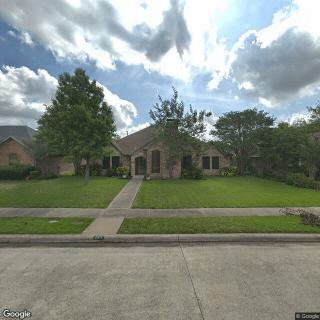
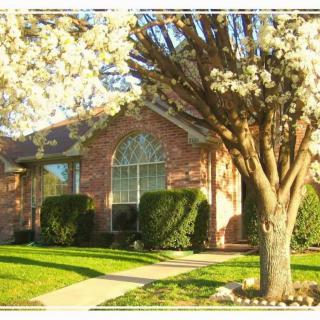

 Assisted Living
 Activities on-site
 Beautician on-site
 Devotional services off-site
 Indoor common areas
 Dallas Love (13 miles away)
 Ambulatory care
 Diabetic care
 Incontinence care
 Medication management
 Meals provided
 Affordable $3,000/month with private rooms, below Dallas County and Texas averages.

 Securing Financial Support for Assisted Living: A Comprehensive Overview
 Social Security Benefits and Assisted Living: Navigating Options Across the U.S.
 An Extensive Exploration of the VA Aid and Attendance Benefit