For more information about senior living options: (866) 208-4318
3.5 from 86 reviews
5 stars
48
4 stars
6
3 stars
1
2 stars
1
1 stars
30
Overall Review of Touchstone Rehabilitation Center
differentiator14 reviews mention this
Therapy helped residents regain function
Physical, occupational, and speech therapy are repeatedly described as helping residents make functional gains.
Many reviews point to measurable recovery—people describe moving from being unable to walk or care for themselves to standing, walking, speaking better, or completing daily tasks. Residents and families also mention customized therapy plans and a dedicated therapy team, with specific praise for PT/OT and speech therapy. A recurring positive thread is that therapy time translates into real-world improvement, even after strokes or brain injuries.
common19 reviews mention this
Staff compassion is a consistent theme
Across reviews, the care team is described as friendly, patient, and genuinely supportive.
A large share of reviewers describe nurses, CNAs, and therapists as caring, kind, and responsive—often referencing encouragement and clear communication during a difficult recovery. Several reviews also highlight case managers or administrators who helped families navigate care, answer questions, or stay engaged through discharge planning. Even within critical reviews, some reviewers still single out specific staff members as helpful.
caveat10 reviews mention this
Case management and communication draw complaints
Communication gaps and case-management frustrations come up repeatedly in reviews, especially around discharge and follow-through.
Some families say case managers were hard to reach or did not return calls, and they describe delays or missing coordination affecting care continuity. Other negative comments focus on medication handling, documentation, and discharge planning—reviewers report being left without clear plans or referrals. A smaller number of reviews contrast this by praising specific case managers as accessible and helpful, suggesting experiences vary by situation and staff involvement.
caveat6 reviews mention this
Location noise concerns and cleanliness issues
Residents and families raise concerns about the campus environment, including noise, staffing visibility, and cleanliness.
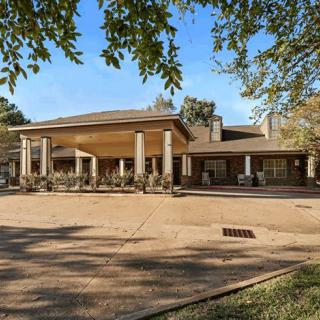
Several reviews mention disruptive conditions outside or around the property, including a nearby gun range and other noise sources that some families say affects sleep and comfort. Other critical reviews describe cleanliness problems in shared areas and report issues with supplies or room upkeep. On the other hand, some positive reviews describe the campus as well kept and note pleasant outdoor space for walking, so the overall experience appears mixed.
caveat5 reviews mention this
Dining quality is mixed
Food quality and consistency are reported unevenly, with both praise and complaints.
Some reviewers describe dietary support positively, including comments about the dietary department providing good meals. Other families complain about food tasting bland, being cold, portions being small, or items being missing altogether. Several comments connect meals to day-to-day satisfaction, making dining one of the more varied parts of the experience.
How we summarize
Counts show how many written reviews mention each theme; a review can touch several themes, and only frequently mentioned themes are displayed.
Features
Types of Care
Board and Care Home
Nearby Places of Interest
Parks
McDade Park (0.2 miles)
Jacob's Reserve Park (5.4 miles)
Lions Park (5.9 miles)
W G Jones State Forest (6.2 miles)
Gene Campbell Sports Complex (6.2 miles)
Restaurants
Wings N More Express (1.7 miles)
Hacienda Mis Padres Mexican Grill (1.8 miles)
Vernon's Kuntry Katfish (1.9 miles)
Raising Cane's Chicken Fingers (3 miles)
Culver's (3.2 miles)
Luby's (3.2 miles)
Jack In The Box (3.3 miles)
Pharmacies
Walgreens (1.8 miles)
CVS Pharmacy (2.2 miles)
Walgreens (3.7 miles)
CVS Pharmacy (3.7 miles)
Walgreens (4.1 miles)
H-E-B Pharmacy (4.2 miles)
Roberds Pharmacy (4.4 miles)
Physicians
Today's Vision (2.4 miles)
Clarity Hearing (2.6 miles)
Conroe Family Medicine PA (2.7 miles)
Dr D's Urgent Care (2.9 miles)
Eye Trends (3.3 miles)
John Richards (3.7 miles)
Lone Star Family Health Center (4.1 miles)
Cafes
105 Cafe (2.9 miles)
Toasted Yolk Cafe (3 miles)
Starbucks (3.3 miles)
Summer Moon Coffee (4.5 miles)
Starbucks (4.9 miles)
Panera Bread (5.2 miles)
Starbucks (6.8 miles)
Places of Worship
Sacred Heart Catholic Church (4.2 miles)
April Sound Church (6.1 miles)
Hospitals
Pre Admission Testing Conroe Regional Medical Center (4.3 miles)
Pulmonary Critical Care & Sleep Associates (4.4 miles)
Solara Rehab (4.5 miles)
Conroe Surgery Center (4.6 miles)
Montgomery County Mental Health Treatment Facility (5.3 miles)
Palliative care enhances the quality of life for seriously ill patients by providing comprehensive support at home through a multidisciplinary team, addressing various needs and prioritizing comfort over curative treatments. While it offers personalized care and involves family in decision-making, challenges like caregiver stress and logistical issues persist, with growing demand prompting advancements in technology and healthcare policies to improve access.
Palliative home care focuses on improving the quality of life for individuals with serious illnesses by providing comfort, symptom management, and emotional support in their own homes. This approach includes personalized care plans, regular assessments, and resources for family caregivers, all while prioritizing person-centered treatment that aligns with patients' goals.
Skilled nursing facilities (SNFs) provide high-level medical care and rehabilitation for short-term recovery, typically covered by Medicare after hospitalization, while nursing homes focus on ongoing custodial care for chronic conditions, mainly funded by Medicaid or private payments. The staffing and regulatory structures differ significantly between the two, necessitating clarity for families in choosing appropriate long-term care options.
Get PricingAsk A QuestionSchedule A TourContact Senior Advisor
By clicking submit, you agree to our Partner's Terms of Use. You
also consent to receive calls and texts, which may be autodialed, from our Partner. Your consent is not a condition to
using our Partner's service. Please visit our Partner's Privacy Policy for information about their privacy practices.

 Board and Care Home
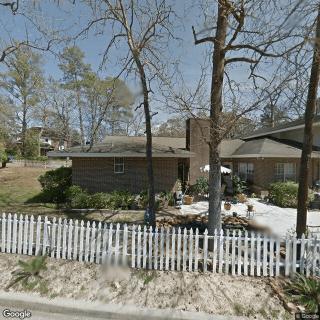
 Homelike board-and-care with comprehensive ADL support and diabetes-friendly dining.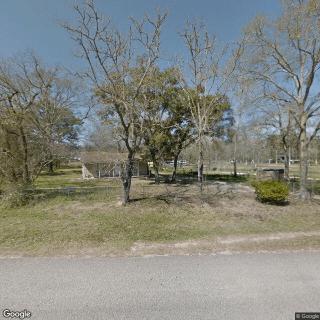

 Exploring Palliative Care in the Home: A Comprehensive Overview
 Comprehensive Insights into Palliative Home Care: What It Is and What to Expect
 Skilled Nursing Facilities vs. Nursing Homes: Making Sense of the Differences