

200 Broken Baugh Lane, Conroe, TX 77304
To contact a resident: (936) 524-7994
For more information about senior living options: (866) 208-4318
Shady Oaks Retreat Costs & Pricing
Shady Oaks Retreat offers competitive pricing for its accommodations compared to both Montgomery County and the broader Texas market. For a semi-private room, residents can expect to pay $2,250 per month, significantly lower than the county average of $3,664 and the statewide average of $3,680. Similarly, private rooms at Shady Oaks are priced at $3,000, which is more affordable than the county's rate of $4,177 and the state's figure of $4,096. These rates reflect Shady Oaks Retreat's commitment to providing quality care without compromising affordability - making it an attractive option for individuals seeking supportive living arrangements in a welcoming environment.
| Floor plans | Shady Oaks Retreat | Montgomery County | Texas |
|---|---|---|---|
| Semi-Private | $2,250 | $3,664 | $3,680 |
| Private | $3,000 | $4,177 | $4,096 |
Senior living communities with a similar price nearby
-
from +$250 / mo
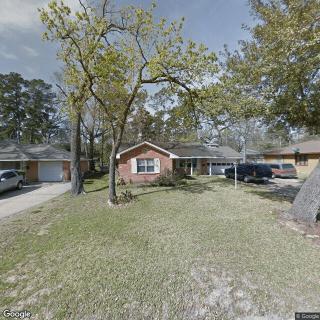
Pattie Duke's Personal Care
$2,500 / month2.1 miles away -
from -$425 / mo
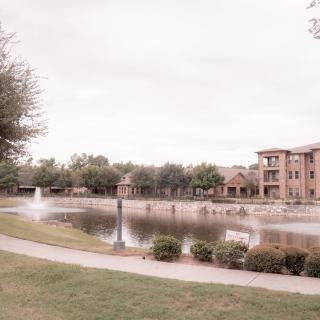
Watercrest at Kingwood Garden Village
$1,825 to $3,700 / month22.7 miles away -
from +$250 / mo
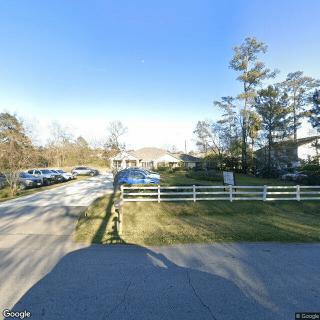
Grace Memory Care
$2,500 to $3,000 / month12.8 miles away -
from +$250 / mo
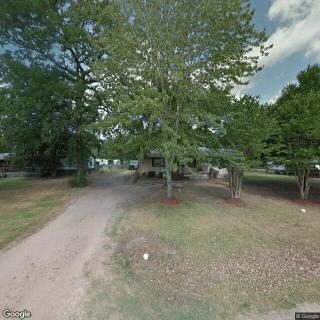
Gina's Angels Private Care
$2,500 to $3,500 / month15.9 miles away -
from +$250 / mo

Northgate Assisted Living
$2,500 to $3,000 / month22.5 miles away
Overall Review of Shady Oaks Retreat
Pros
 It was pretty nice.
- It was right across from the Conroe golf course.
- They would take the residents places.
Cons
 They didn’t provide transportation.
- It wasn’t transportation like you would get in the bigger places (shuttles and limos and things).
- It was more expensive.
Review
Shady Oaks Retreat in Conroe, TX is best suited for active seniors who prize a polished, quiet setting near outdoor recreation and who can manage transportation outside the facility. The property sits opposite the Conroe golf course, offering a serene, upscale environment that appeals to residents who value ambiance and proximity to leisure options. Yet the reviews make clear this is not a campus built around mobility services. The lack of formal transport means outings will rely on private arrangements, family support, or self-directed planning. The two comments describe a property that is pleasant and relatively refined, but also indicate a premium price point that isn’t justified if transportation and practical access are non-negotiables.
Who should consider alternatives? Anyone for whom regular trips to appointments, shopping, or social activities are a routine expectation should proceed with caution. The absence of shuttle service or staff-led transportation makes scheduling fragile and increases dependence on private drivers or family members. For cost-sensitive families, the premium price without parallel transportation benefits is likely to feel intrusive; there are other communities that offer more inclusive packages at a similar caliber. For seniors with higher care needs or memory concerns, the logistical friction of coordinating outings could erode daily quality of life. In short, a strong transportation option is not negotiable for many, and this facility lacks that foundation.
On the upside, the pros, pleasant aesthetics and a location near golf course greens, can meaningfully improve daily life. A tidy, appealing environment can reduce stress, encourage gentle walking, and support social mingling during visits. The golf-adjacent setting also signals a mature, quieter atmosphere that suits residents who prefer low-key, low-traffic living. These factors partially offset the transport gap for residents who are independently mobile, have capable family support, or simply crave a refined backdrop. However, the benefits do not fully counterbalance the core limitation: without dependable transport, those advantages remain mostly theoretical for anyone needing structured access to care or community activities.
Transportation is the central fault line. The facility would take residents somewhere, but not in the way larger communities advertise, no shuttle buses, no regular limos, no guaranteed ride system. That nuance matters. For seniors facing medical appointments or social events, this translates into uncertain scheduling, extra planning, and potential missed opportunities. Even the seemingly small benefit of walking across the street to the golf course requires mobility and time that may not fit every day. Families should stress-test transportation in conversations with staff: what precisely is included, what costs are added, and what back-up plans exist if a ride falls through? Without clarity here, life inside the retreat can feel administratively fragile.
Cost is the second decisive factor. The sentiment that it is “pretty nice” but expensive is not trivial in decision-making. If price is a hard constraint, seek options that bundle transportation or price more competitively for comparable ambiance and care levels. If alternatives exist that deliver comparable aesthetics with included transport, they will typically deliver better day-to-day predictability. Even if the care services are adequate, the value proposition hinges on whether the premium yields tangible conveniences and fewer logistical hassles. Prospective residents should quantify total monthly costs, including potential private transportation, and compare against other communities that integrate transit into the base rate.
In sum, Shady Oaks Retreat serves a niche: those who want a refined, golf-adjacent setting and can support their own transportation plan without relying on the community to move them around. For families where regular, reliable transport and cost predictability are non-negotiables, alternatives deserve serious consideration. The decision hinges on whether the resident can sustain outings and appointments without on-site mobility services while still enjoying the quiet, attractive environment. Visit the community with a practical checklist: assess the true cost, confirm what is included in transportation, observe daily routines, and probe the staff’s responsiveness to outing requests. With disciplined due diligence, a clear choice emerges: a fit here for some, a misfit for others.
 Board and Care Home
 Activities on-site
 Bath tubs
 Indoor common areas
 Outdoor common areas
 Private
 Respite or short term stays offered
 Ambulatory care
 Diabetic care
 High acuity care
 Meals provided



 Nurturing Our Elders: Linda's Journey of Supporting Her Mother
 A Comprehensive Exploration of Common Misunderstandings about Powers of Attorney
 Senior Move Management: Understanding the Role, Value, and Associated Costs