Windsor is an assisted living community in Conroe, TX.
Information last verified:
9297 Wahrenberger, Conroe, TX 77304
For more information about senior living options: (866) 208-4318
3.5 from 82 reviews
5 stars
45
4 stars
6
3 stars
1
2 stars
1
1 stars
29
Overall Review of Windsor
common2 reviews mention this
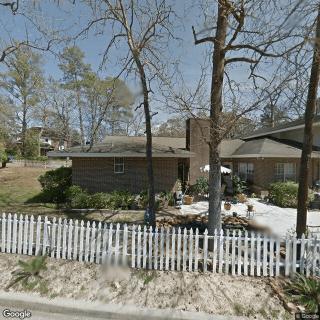
Campus grounds include a pond
The grounds include a pond that families and staff can walk around.
Multiple reviewers mention the outdoor campus setting as part of the experience. One specifically calls out a small pond where patients and staff can walk. Another describes a peaceful property with trees and a fishing pond for visits.
caveat3 reviews mention this
Cleanliness is mixed
Cleanliness is described as excellent by some reviewers and poor by others.
Some reviewers praise the facility as very clean and spotless, including sanitized bathrooms and a generally well-kept building. Other reviewers describe specific hygiene issues, including unclean bathrooms and messes in the kitchen area. Taken together, reports on day-to-day cleanliness vary significantly between reviewers.
caveat3 reviews mention this
Food quality draws criticism
Food quality and portions are recurring complaints in multiple reviews.
Several reviewers report problems with food taste, including meals described as bland, cold, or not good. Others mention missing food items and small portions. While dietary care is sometimes described positively, the food-related negative feedback still shows up repeatedly.
How we summarize
Counts show how many written reviews mention each theme; a review can touch several themes, and only frequently mentioned themes are displayed.
Features
Housing
16 resident community capacity
Types of Care
Assisted Living
Board and Care Home
Amenities
Cable or satellite TV
Dining room
Fully furnished
Garden
Housekeeping services
Move-in coordination
Outdoor space
Telephone
Wi-Fi/high-speed internet available
Care Services
24-hour supervision
Activities of daily living assistance
Assistance with bathing
Assistance with dressing
Assistance with transfers
Coordination with health care providers
Diabetes diet
Meal preparation and service
Medication management
Special dietary restrictions
Transportation arrangement (medical)
Transportation to doctors appointments
Dining
Diabetes diet
Special dietary restrictions
Activities
Community-sponsored activities
Scheduled daily activities
Nearby Places of Interest
Parks
McDade Park (0.2 miles)
Jacob's Reserve Park (5.4 miles)
Lions Park (5.9 miles)
W G Jones State Forest (6.2 miles)
Gene Campbell Sports Complex (6.2 miles)
Restaurants
Wings N More Express (1.7 miles)
Hacienda Mis Padres Mexican Grill (1.8 miles)
Vernon's Kuntry Katfish (1.9 miles)
Raising Cane's Chicken Fingers (3 miles)
Culver's (3.2 miles)
Luby's (3.2 miles)
Jack In The Box (3.3 miles)
Pharmacies
Walgreens (1.8 miles)
CVS Pharmacy (2.2 miles)
Walgreens (3.7 miles)
CVS Pharmacy (3.7 miles)
Walgreens (4.1 miles)
H-E-B Pharmacy (4.2 miles)
Roberds Pharmacy (4.4 miles)
Physicians
Today's Vision (2.4 miles)
Clarity Hearing (2.6 miles)
Conroe Family Medicine PA (2.7 miles)
Dr D's Urgent Care (2.9 miles)
Eye Trends (3.3 miles)
John Richards (3.7 miles)
Lone Star Family Health Center (4.1 miles)
Cafes
105 Cafe (2.9 miles)
Toasted Yolk Cafe (3 miles)
Starbucks (3.3 miles)
Summer Moon Coffee (4.5 miles)
Starbucks (4.9 miles)
Panera Bread (5.2 miles)
Starbucks (6.8 miles)
Places of Worship
Sacred Heart Catholic Church (4.2 miles)
April Sound Church (6.1 miles)
Hospitals
Pre Admission Testing Conroe Regional Medical Center (4.3 miles)
Pulmonary Critical Care & Sleep Associates (4.4 miles)
Solara Rehab (4.5 miles)
Conroe Surgery Center (4.6 miles)
Montgomery County Mental Health Treatment Facility (5.3 miles)
Activities of Daily Living (ADLs) are fundamental tasks vital for an individual's independence, particularly in older adults over 85, and include functions like bathing and dressing; assessing ADLs alongside Instrumental Activities of Daily Living (IADLs) helps determine the level of required assistance due to age-related health challenges. Tailored support plans, involving family and community resources, are essential for maintaining dignity and autonomy in assisted living environments.
Family caregivers face emotional, legal, and practical challenges when elderly parents refuse assisted living, often due to fears of losing autonomy. Open conversations and professional assessments can help address these concerns while exploring alternatives and ensuring safety, potentially leading to legal guardianship if necessary.
Luxury assisted living offers high-quality senior care in a resort-like environment that combines essential medical support, gourmet dining, and personalized services to enhance residents' independence and well-being. These upscale facilities emphasize holistic health and community-building through customized care plans and social activities, catering to the growing demand for enriched senior living experiences despite higher costs.
Get PricingAsk A QuestionSchedule A TourContact Senior Advisor
By clicking submit, you agree to our Partner's Terms of Use. You
also consent to receive calls and texts, which may be autodialed, from our Partner. Your consent is not a condition to
using our Partner's service. Please visit our Partner's Privacy Policy for information about their privacy practices.

 16 resident community capacity
 Assisted Living
 Board and Care Home
 Cable or satellite TV
 Dining room
 Fully furnished
 Garden
 Housekeeping services
 Move-in coordination
 Outdoor space
 Telephone
 Wi-Fi/high-speed internet available
 24-hour supervision
 Activities of daily living assistance
 Assistance with bathing
 Assistance with dressing
 Assistance with transfers
 Diabetes diet
 Meal preparation and service
 Medication management
 Special dietary restrictions
 Transportation arrangement (medical)
 Transportation to doctors appointments
 Convenient access to healthcare, dining, and social amenities nearby.


 Comprehensive Insights into Activities of Daily Living (ADLs) and Their Assessment
 Guiding Elderly Parents Who Refuse Assisted Living: 6 Practical Steps
 Your Comprehensive Guide to Luxury Assisted Living: Elevated Facilities, Amenities, and Costs