Stephens County Assisted Lvng

Save
Stephens County Assisted Lvng

Stephens County Assisted Lvng

304 S Lowell Ave, Breckenridge, TX 76424

For more information about senior living options: (844) 490-3973

2.9 from 19 reviews
5 stars
8
4 stars
0
3 stars
2
2 stars
1
1 stars
8

Assisted Living

What level of care are you interested in?

Assisted Living

Memory Care

Independent Living

Skilled Nursing Facility

Continuing Care Retirement Community (CCRC)CCRC

Other


Request a tour at Stephens County Assisted Lvng

    Overall Review of Stephens County Assisted Lvng

    Pros

    • pro Stephens County Hospital delivered great care on both visits.
    • pro The ER team (including Dr. Hussain, Steven RN, Kramer EMT, Gina LVN, and Jared EMT) was kind, understanding, and took good care of the patient.
    • pro The staff were very professional and caring.
    • pro The care and compassion shown to the patient's son were greatly appreciated.

    Cons

    • pro The reviewer stated that pain medication was not given after the arm was reset.
    • pro They described a very bad experience at a larger facility due to a lack of organization.
    • pro The event hosted by the hospital was poorly organized, reflecting badly on the hospital.
    • pro During a blood transfusion, staff repeatedly forgot supplies, there was no pen to record with, tubing was missing, and the process took hours.
    • pro The port hookup was removed painfully and bandage materials were not provided, requiring additional help.
    • pro They would rate the hospital as zero and called it the worst they had ever been to, with most staff useless and sometimes unsafe.
    • pro The reviewer noted they were not seen for two hours after a concussion and possible leg fracture, risking serious harm.
    • pro A friend with a dislocated collarbone and head swelling waited over three hours and did not have head injuries acknowledged or the sling properly handled.
    • pro A hand wound went untreated, and although a CT scan was done, the results were not shared with the patient or their doctor.
    • pro The hospital would not provide a friend's X-rays when requested.
    • pro They advised others to avoid this hospital, stating it is absolutely horrible.
    • pro The patient waited in pain for a long time, crying.
    • pro The staff were largely useless with only one or two exceptions mentioned, and some were described as dangerously unsafe.
    • pro They were told twice that all records had been provided, then later found there were additional pages with information on very small print making it hard to read.
    • pro One reviewer stated the hospital was so poor that it should be avoided in favor of going to Abilene.

    Review

    The collection of reviews about Stephens County Hospital presents a wide spectrum of experiences, ranging from moments of genuine care and professional handling to episodes of delay, disorganization, and frustration. Taken together, they reveal a facility that some patients remember fondly for compassionate staff and swift, attentive ER care, while others recount harrowing delays, painful missteps, and a sense that the hospital is not consistently equipped to handle urgent needs or complex cases.

    Several reviewers highlight positive, almost lifeline-like moments at Stephens County Hospital. One account describes a patient whose mother broke her arm and was helped through a reset without receiving pain medication, but that patient's own experiences at Stephens in the past two visits have been "great." Others explicitly praise the ER team, naming Dr. Hussain, Steven (RN), Kramer (EMT), Gina (LVN), and Jared (EMT) for their kindness, understanding, and help during difficult times. A separate note thanks staff for taking care of a dad on a particular night (2/27/25), expressing gratitude for the care and compassion shown by the team. In another positive thread, a parent recounts how a recent stay for their son was characterized by care and compassion from Rhonda and Donna, ending with an affirmation of blessings for the staff. A final sentiment in the set calls out "Very professional and caring. Can't say enough good things about them." Taken together, these pieces sketch a portrait of a hospital where certain individuals and teams excel at bedside manner and patient support, and where professional competency is widely acknowledged by some families.

    But the same facility is also the site of troubling, even alarming, experiences that left patients frustrated and outraged. A recurring theme is the transfusion experience, described as disorganized and slow. One patient reports that the nurse and their helper "forgot something every single time they can in the room," mentioning a lack of a pen for recording, the failure to bring tubing for the blood, and a long overall wait of about four hours to receive one unit (and longer than usual for two units). The removal of a port hookup became painful, and the team again failed to bring bandage materials, requiring a call for help. The nurse Cara, who typically administers the transfusion, was noted as absent on that day, making the experience notably worse. The overall tone is one of a broken process where simple tasks spiral into extended delays and unnecessary pain.

    Other reviews are unambiguous in their condemnation. One person declares they would give zero stars if possible, calling Stephens County Hospital the worst they had ever visited. They detail being injured in extreme sports and by accident, with the hospital staff, with only one or two exceptions, described as "completely useless bordering on dangerously unsafe." The fear and frustration are palpable: they arrived with a concussion, a possible leg fracture, and actively bleeding hand wounds, yet reportedly did not see a medical professional for two hours, a delay that could have had serious consequences. The reviewer notes that a friend who was with them suffered a severe dislocation of the collarbone and arm and head swelling, but these concerns were not promptly addressed, with the head swelling unacknowledged and the sling left in place without proper evaluation. The hand wound supposedly was not treated, there was a CT scan, but the patient was not offered to obtain the files or have them passed on to their doctor, and the friend's X-rays were not provided when requested the next day. This account ends with a strong directive to avoid the hospital if possible, even urging a trip to Abilene if it's the only option.

    Recordkeeping and communication emerge as another sore point. A reviewer reports trying to obtain their healthcare records and being told twice that they had already received everything, only to be told after complaining that more records existed. They describe a long document that turned out to be 294 pages of information, with pages that were minuscule in size - an experience that left them frustrated about the efficiency and thoroughness of the hospital's records department. Pain and the perception of inadequate response times further compound the sense of systemic problems: "I'm in pain and there taking way too long I'm crying in pain." These details collectively paint a picture of a hospital where administrative and clinical processes sometimes feel misaligned, resulting in patient distress that extends beyond the initial medical issue.

    Interspersed with the negatives are lines that underscore a mixed reality: a patient's family member is praised for care, compassion, and personal attention, while other families recount consistent delays and gaps in treatment. One reviewer notes that for all the times they've had to go to larger facilities, Stephens County Hospital offered better experiences at times and worse at others, suggesting variability in performance rather than a uniform standard. The repeated contrast - between moments of sincere care and instances of perceived neglect or inefficiency - characterizes a hospital that can both comfort families with attentive personnel and disappoint them with operational shortcomings.

    In sum, the voices collected here suggest a hospital that has strong points in individual care providers and moments of empathetic, professional treatment, especially within the ER staff and some service teams. Yet there is a substantial undercurrent of critique regarding pain management, wait times, critical triage, consistency in care, and administrative efficiency - elements that can dramatically influence a patient's overall experience during a vulnerable time. The juxtaposition of heartfelt appreciation and biting frustration underscores a need for continued attention to patient flow, analgesia protocols, and transparent, accessible recordkeeping, so that the care that's delivered in spirit by some staff aligns with the reliability patients expect in urgent and emergency medical situations.

    Features

    Types of Care

    • Assisted Living Assisted LivingAssisted living facilities provide crucial support and care for seniors who may need help with daily tasks such as medication management, bathing, and meal preparation. These communities offer a safe and comfortable environment where seniors can maintain their independence while receiving the assistance they need to thrive in their golden years.

    Amenities

    • Activities on-site Activities on-siteActivities on-site are important for seniors because they provide opportunities for socialization, mental stimulation, physical activity, and overall well-being. Engaging in activities can help seniors stay active, maintain their independence, and improve their quality of life.
    • Devotional services off-site Devotional services off-siteDevotional services off-site are important for seniors as they provide spiritual nourishment, social engagement, and a sense of community outside of the senior living facility. This can enhance overall well-being and help combat feelings of isolation and loneliness often experienced by older adults.
    • Indoor common areas Indoor common areasIndoor common areas are crucial for seniors as they provide a space for socialization, recreation, and community engagement, promoting overall well-being and reducing feelings of isolation and loneliness.

    Care Services

    • Ambulatory care Ambulatory care"Ambulatory care services provide essential medical support and treatment to seniors without requiring hospitalization, allowing them to maintain their independence and quality of life while managing chronic conditions or receiving routine medical care."
    • Diabetic care Diabetic careDiabetic care is crucial for seniors as they are more susceptible to developing diabetes due to aging and other health conditions. Proper management of diabetes can help prevent complications such as heart disease, vision loss, and nerve damage, improving the overall quality of life for seniors in senior living communities.

    Dining

    • Meals provided Meals provided"Meals provided" are crucial for seniors in assisted living communities as it ensures they have access to nutritious, balanced meals without the stress of meal planning and preparation. This can help promote overall health and well-being for seniors who may have limited mobility or cognitive abilities.

    Activities

    • Activities on-site Activities on-siteActivities on-site are important for seniors because they provide opportunities for socialization, mental stimulation, physical activity, and overall well-being. Engaging in activities can help seniors stay active, maintain their independence, and improve their quality of life.
    • Devotional activities offsite Devotional activities offsiteDevotional activities offsite are important for seniors because they provide social engagement, spiritual growth, and a sense of community outside of their living environment. This can improve overall well-being, mental health, and combat feelings of isolation or loneliness.

    Description

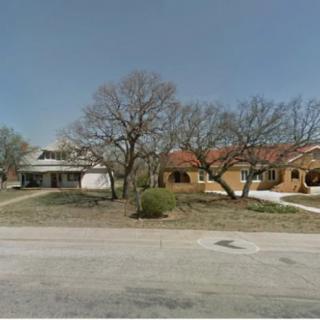
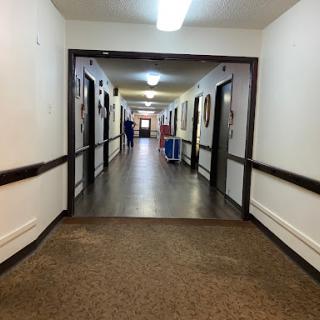
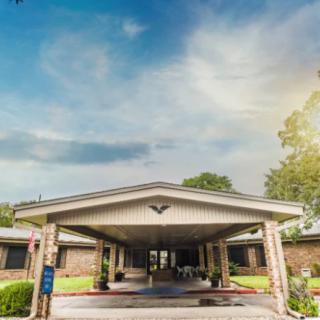
    Stephens County Assisted Living in Breckenridge, TX is a warm and welcoming community designed to provide exceptional care and support for seniors. Our residents enjoy a comfortable and peaceful environment where they can thrive physically, mentally, and emotionally.

    At Stephens County Assisted Living, we understand the importance of spiritual well-being. That's why we offer devotional services off-site, giving our residents the opportunity to connect with their faith in a serene setting. Our indoor common areas provide a cozy space for socializing, participating in activities, or simply relaxing with friends.

    We prioritize the health and well-being of our residents by offering specialized care services for those with diabetes. Our dedicated staff members are trained to administer diabetic care, ensuring that our residents receive the proper assistance and support they need to manage their condition effectively.

    We believe that staying active and engaged is vital for a fulfilling senior living experience. In addition to on-site activities, we organize devotional activities offsite, allowing our residents to further explore their faith and engage with their community.

    Convenience is also an essential aspect of living at Stephens County Assisted Living. With several cafes, pharmacies, physicians' offices, restaurants, places of worship, and a hospital nearby, our residents have easy access to essential amenities without having to travel far from home.

    Stephens County Assisted Living in Breckenridge offers a caring environment where seniors can enjoy comfort and independence while receiving personalized care and support. We invite you to visit us today and experience the exceptional lifestyle our community has to offer.

    Nearby Places of Interest

    The area of Breckenridge, Texas, offers a variety of amenities for senior living. With Stephens Memorial Hospital and Breckenridge Medical Center nearby, residents have access to quality healthcare services. There are also several places of worship within a short distance, including First Baptist Church and Sacred Heart Catholic Church. In terms of dining options, there are cafes such as Pam's Cafe and restaurants like Joe's Pasta and Pho Angel. Pharmacies like CVS and Walmart are conveniently located for medication needs. Additionally, there are parks for outdoor recreation and transportation services available through Super Marine Aircraft and Beaty Travel & Cruises. Overall, this part of Breckenridge provides a range of services that can enhance the quality of life for seniors in the community.

    Hospitals

    • Stephens Memorial Hospital (0.4 miles)
    • Eastland Memorial Hospital (24.6 miles)
    • Senior Living Properties (24.8 miles)

    Physicians

    • Breckenridge Medical Center (0.4 miles)
    • Walnut Street Clinic (22.6 miles)
    • Eastland Health Clinic (24.4 miles)

    Places of Worship

    • First Baptist Church (1.5 miles)
    • First United Methodist Church (1.6 miles)
    • Sacred Heart Catholic Church (1.6 miles)
    • Covenant Tabernacle (1.6 miles)
    • Rose Avenue Baptist Church (1.6 miles)
    • Lord's Old Time Gospel Church (2.1 miles)
    • Church of Christ (2.4 miles)

    Cafes

    • Pam's Cafe (1.5 miles)
    • Louise's Cafe (24.5 miles)

    Restaurants

    • Joe's Pasta (1.6 miles)
    • Pho Angel (1.6 miles)
    • Chicken Express (1.9 miles)
    • Alfredo's Mexican Food (2 miles)
    • Canyon Road Barn & Grill (2.2 miles)
    • The Pizzeria (2.5 miles)
    • Familias Mexican Restaurant (2.7 miles)

    Pharmacies

    • CVS Pharmacy (2.4 miles)
    • Walmart Pharmacy (3.8 miles)
    • Lawrence Iga (22.7 miles)
    • Love Oak Pharmacy (24.4 miles)
    • Brookshire Food & Pharmacy (24.5 miles)
    • Walmart Pharmacy (24.5 miles)

    Parks

    • Ringling Lake Park (19.8 miles)

    Transportation

    • Super Marine Aircraft (23.2 miles)
    • Beaty Travel & Cruises (24.6 miles)

    Frequently Asked Questions

    Where is Stephens County Assisted Lvng?

    Nearby Communities

    Related Resources

    • active senior livingVibrant Senior Living: A Comprehensive Guide for Active Older Adults

      Vibrant Senior Living emphasizes active senior living communities that promote independence and engagement through diverse amenities and activities, fostering wellness and social interaction among older adults. These communities range from independent to assisted living, with a focus on personal growth, family involvement, financial planning, and leveraging technology to enhance residents' experiences.

    • when to move from assisted living to memory careWhen to Transition from Assisted Living to Memory Care: Key Indicators, Steps, and Finding the Right Community

      Transitioning from assisted living to memory care is driven by an individual's cognitive decline and specific needs, requiring careful evaluation of indicators like increased confusion and wandering. The process involves consulting medical professionals, researching suitable communities, considering financial and legal aspects, and ensuring effective communication for personalized care plans.

    • assisted living vs memory careAssisted Living and Memory Care: Understanding Their Core Differences

      Assisted living provides moderate support for seniors seeking independence, while memory care offers specialized support for individuals with dementia or cognitive impairments through structured routines and trained staff. Key differences include care approaches, environment security measures, staff training levels, activity types, and cost considerations.


    Get Pricing Ask A Question Schedule A Tour Contact Senior Advisor