

125 Inspiration Boulevard, Eastland, TX 76448
To contact a resident: (254) 629-1001
For more information about senior living options: (866) 208-4318
The Woodlands Costs & Pricing
In The Woodlands, the costs for various room types are notably competitive when compared to both Eastland County and the broader Texas market. For instance, a studio apartment is priced at $3,296, aligning perfectly with Eastland County's cost but falling below the state average of $3,758. Likewise, a one-bedroom unit is offered at $3,451, again matching Eastland County while remaining slightly under Texas's average of $3,761. The semi-private room option also reflects this trend with a monthly fee of $3,708 - equal to that in Eastland County but marginally above the state's average of $3,680. Lastly, two-bedroom accommodations are available for $3,966 in The Woodlands, which is consistent with local pricing yet notably cheaper than the Texas state average of $4,215. Overall, these rates position The Woodlands as an attractive option for residents seeking quality living arrangements in relation to surrounding areas and state-wide costs.
| Floor plans | The Woodlands | Eastland County | Texas |
|---|---|---|---|
| Studio | $3,296 | $3,296 | $3,758 |
| 1 Bedroom | $3,451 | $3,451 | $3,761 |
| Semi-Private | $3,708 | $3,708 | $3,680 |
| 2 Bedrooms | $3,966 | $3,966 | $4,215 |
Overall Review of The Woodlands
Pros
 The atmosphere at Woodlands is wonderful.
- Woodlands Assisted Living in Eastland, TX is great.
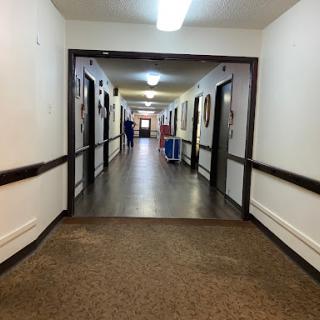
- The facility is nice, neat, and very clean.
- The staff are wonderful and take excellent care of residents.
- Even discerning residents love it there.
- It feels like one big family at the community.
- Visitors can trust the staff to take very good care of their loved ones.
- The new administrator, Amanda, is super nice and makes families feel appreciated during the move-in process.
- The staff are very kind and welcoming to visiting families.
- The facility is lovely and spacious, with staff who bend over backward to care for residents.
Cons
 The food could really use a lot of improvement, especially on weekends.
- They abruptly transferred her grandmother to the memory unit with little explanation.
- The memory unit was unsatisfactory for her condition, as the residents there were not on the same level of socialization.
- The Woodlands refused to return the credited funds on her account because a 30-day notice was not given.
- The reviewer suspects the move to the memory unit was done to make more money.
- It is difficult to reach the facility by phone, and the main line often goes unanswered due to apparent short-staffing.
- The memory care environment was extremely detrimental to her mental and emotional wellbeing.
Review
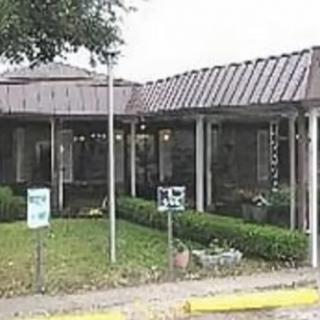
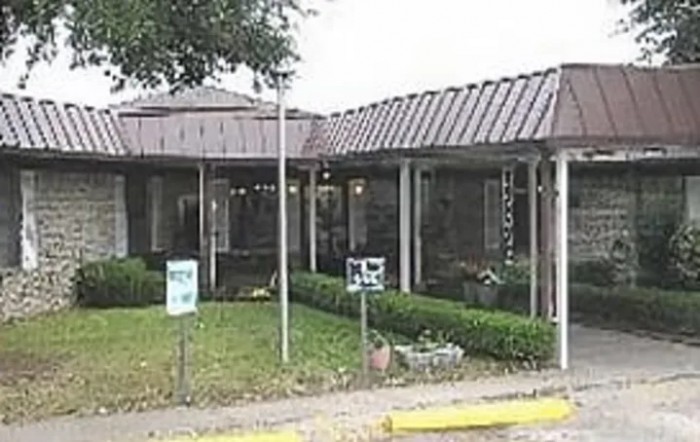
The Woodlands in Eastland, TX is best suited for families seeking a warm, home-like assisted living experience where the emotional quality of care matters as much as the amenities. The community earns trust through a consistently welcoming atmosphere, meticulous cleanliness, and staff who genuinely treat residents with dignity. Rooms tend to be apartment-sized and comfortable, and residents often express that the setting feels like a close-knit family environment. For seniors who prize daily companionship, routine, and a steady, attentive care team, The Woodlands delivers on those expectations, creating a reassuring backdrop for ongoing independence without neglecting support.
That said, serious memory-care needs or a high priority on flawless administrative responsiveness may tilt families toward alternatives. Several reviews flag a shift into a memory unit with limited communication about the move, plus questions about mental stimulation for residents in that setting. If a loved one requires robust, clearly explained memory-care programming with transparent billing practices and consistently quick administrative follow-through, other facilities may offer stronger assurances. Likewise, for families who place a premium on weekend dining quality or on having every administrative contact immediately answered, there are options that may better meet those expectations.
The strongest, most compelling positives hinge on the caregiving culture. The staff is repeatedly described as kind, caring, and devoted, creating a genuine sense of safety and comfort the moment one crosses the threshold. Families note that staff members bend over backward to support independence and to engage residents in activities, which helps maintain dignity and a sense of purpose. The administration has been highlighted positively as well, with a new administrator who is approachable and makes families feel valued during the transition and ongoing care. Activity programming, ranging from daily events to church services and outings, helps residents stay socially connected, and the physical environment reinforces this with clean, well-kept spaces and thoughtfully designed memory-care grounds.
Yet critiques do surface and warrant serious consideration. The most consequential concerns involve a six-month transition of a resident to the memory unit with little explanation, followed by an impression that the new environment did not provide the same level of mental stimulation or engagement. For families contemplating this option, the question becomes whether the memory unit would reliably meet cognitive and conversational needs, and whether the facility will communicate clearly about changes in care. Financial and administrative friction also appears in some accounts, with a dispute over credited funds tied to a move and inconsistent phone responsiveness attributed to staffing constraints. These issues do not erase the strengths, but they do suggest a potential risk vector for residents who rely on prompt, transparent fiscal and administrative handling.
Overall, The Woodlands presents a compelling case for families who value a serene, neighborly atmosphere supported by dependable caregivers and ample social engagement. The combination of large, apartment-style rooms, a clean and secure setting, and a culture of nurturing care creates a strong foundation for quality daily living. The willingness of staff to facilitate independence and participate in meaningful activities offsets many caregiving gaps, especially for residents who do not require intensive memory-support services. Still, the experiences shared by some families, concerns about how transitions are managed, questions about the depth of cognitive programming, and occasional billing and communication hurdles, signal that this facility is not the best fit for every senior, particularly those with complex memory-care trajectories or stringent expectations around administrative responsiveness.
For families weighing a decision, a prudent path is to view The Woodlands as a solid match for those who prioritize warmth, relationship-centered care, and a reassuring social calendar over cutting-edge dementia programming or flawless operational transparency. Prospective residents should pursue a candid conversation about memory-care expectations, request a transparent explanation of any planned transitions, and insist on a clear, written policy for billing and refunds. Consider an in-person trial period or a short-term stay to observe how staff interact with the resident, how meals and activities are delivered, and how the administration communicates throughout the stay. Above all, confirm alignment on daily routines, safety standards, and the feeling that the resident is cherished, because in a setting where care and atmosphere coexist, that assurance often determines the overall quality of life.
 64 resident community capacity
 Assisted Living
 Memory Care
 Dogs allowed
 Activities off-site
 Air-conditioning
 Beautician on-site
 Cable or satellite TV
 Computer center
 Devotional services off-site
 Dining room
 Fitness room
 Fully furnished
 Gaming room
 Garden
 Housekeeping services
 Indoor common areas
 Kitchenette
 Move-in coordination
 Outdoor common areas
 Private bathrooms
 Respite or short term stays offered
 Restaurant-style dining
 Small library
 Swimming pool / hot tub
 Telephone
 Wellness center
 Wheelchair accessible showers
 Wi-Fi/high-speed internet available
 Community operated transportation
 12-16 hour nursing
 24-hour call system
 Ambulatory care
 Assistance with bathing
 Assistance with dressing
 Assistance with transfers
 Diabetes diet
 Diabetic care
 Incontinence care
 Medication management
 Mental wellness program
 Special dietary restrictions
 Christian services
 Concierge services
 Planned day trips

 Understanding Dementia Through Its Seven Stages: A Comprehensive Look at Progression and Expectations
 Safeguarding Your Memory Through the Golden Years: Eight Ways to Preserve Cognitive Health
 Comprehensive Insights into Activities of Daily Living (ADLs) and Their Assessment