Cisco Nursing & Rehabilitation

Save

  • Interior

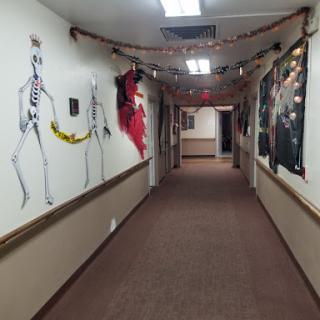
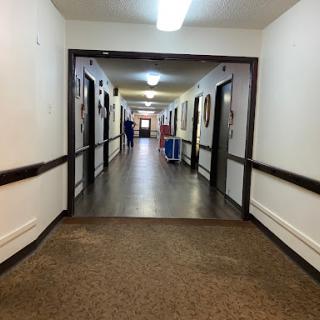
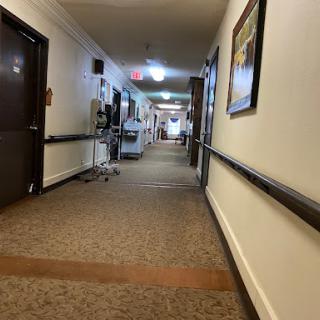
    A long corridor with doors on either side, illuminated by overhead lights.
  • Decor

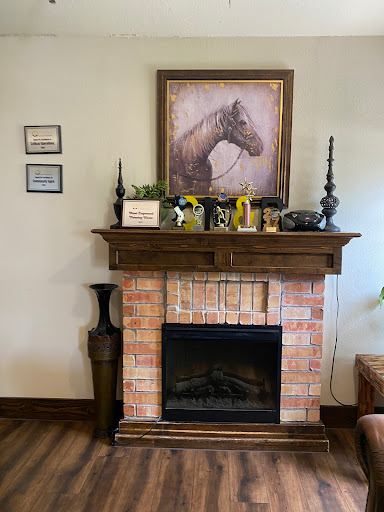
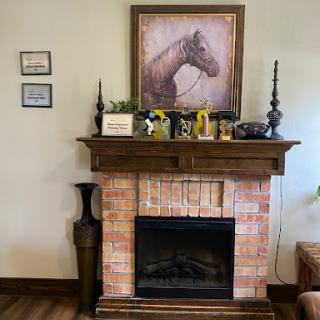
    A charming fireplace mantel adorned with a horse portrait and decorative items.
  • Building

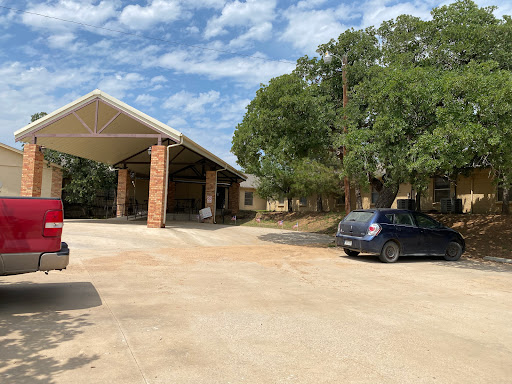
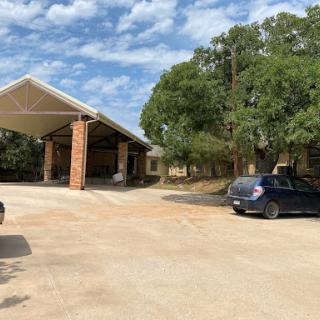
    A view of a building with a covered area and parked cars, surrounded by trees under a partly cloudy sky.
  • Architecture

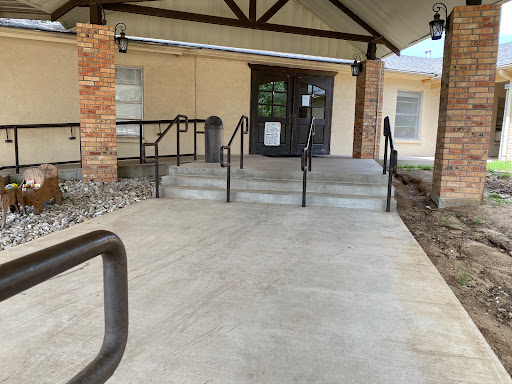
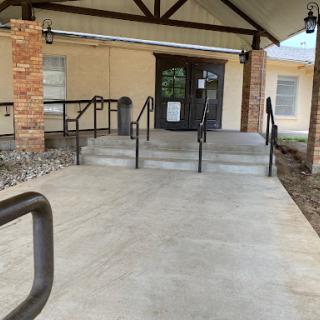
    The entrance of a building featuring concrete steps and handrails.
  • Bedroom

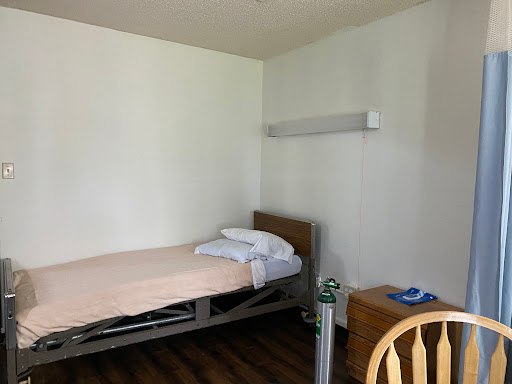
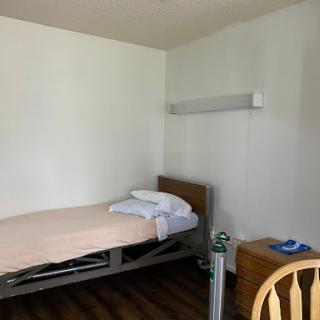
    A simple hospital room with a single adjustable bed and minimal furnishings.
  • Lighting

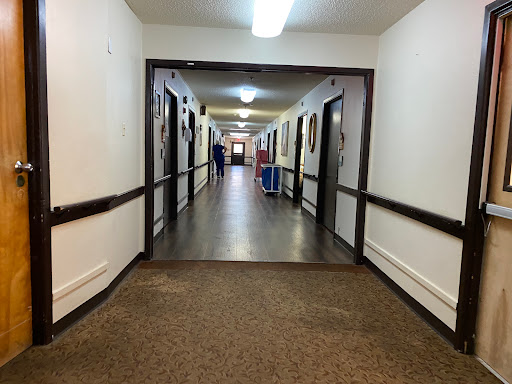
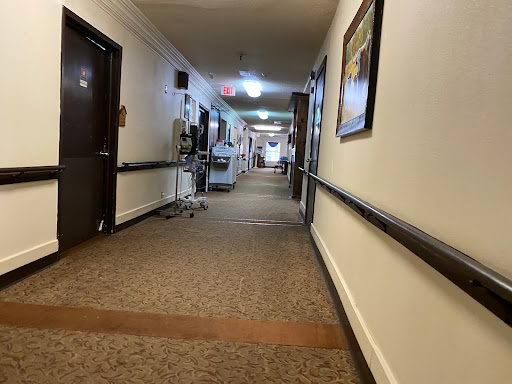
    A long, well-lit hallway in a healthcare facility.
  • Entrance

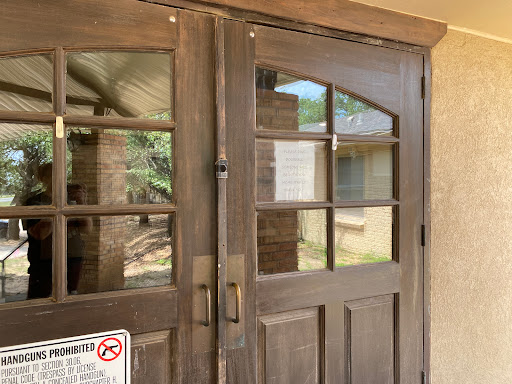
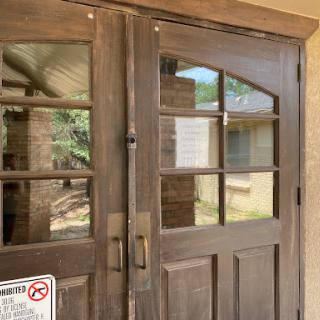
    A wooden double door with glass panels, serving as an entrance.
  • Hallway

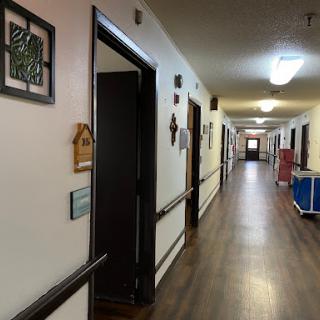
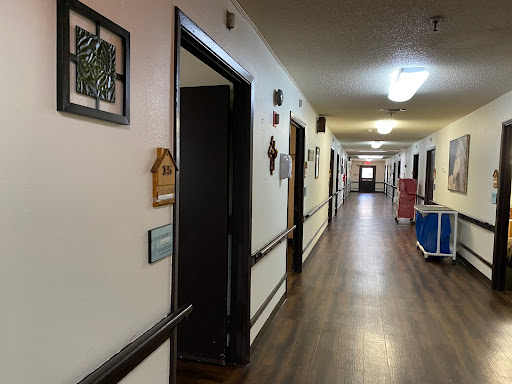
    A well-lit corridor featuring various doors and wall decorations.
  • Healthcare

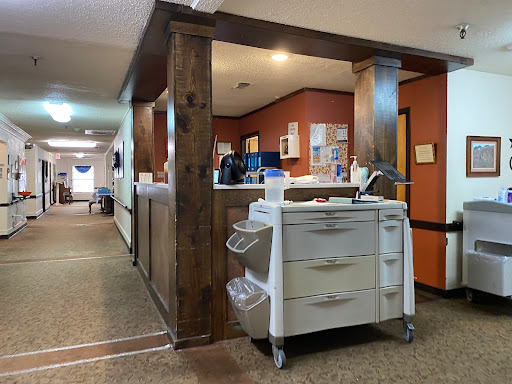
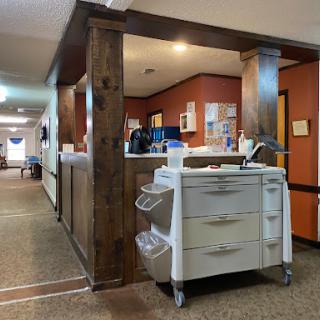
    A well-organized healthcare facility featuring a medical equipment cart in a welcoming environment.

Cisco Nursing & Rehabilitation

1404 Front Street, Cisco, TX 76437

For more information about senior living options: (844) 490-3973

2.6 from 7 reviews
5 stars
2
4 stars
1
3 stars
0
2 stars
0
1 stars
4

Skilled Nursing Facility

What level of care are you interested in?

Assisted Living

Memory Care

Independent Living

Skilled Nursing Facility

Continuing Care Retirement Community (CCRC)CCRC

Other


Request a tour at Cisco Nursing & Rehabilitation

    Overall Review of Cisco Nursing & Rehabilitation

    Pros

    • pro Cisco Nursing and Rehab is a great facility with a home-like environment.
    • pro The staff cares for the residents with empathy and compassion.
    • pro Cisco has a great rehab program, also.
    • pro This is hands-down the best nursing home around.

    Cons

    • pro The staff do not do their job.
    • pro The call button is often out of reach, making it impossible to call for help.
    • pro Residents are yelled at for scaring staff.
    • pro An aide delayed 90 minutes before assisting with a bowel movement, leading to a soiled diaper and a scolding for not using the bedpan.
    • pro The kitchen staff spoke in a nasty tone and offered the same menu (pasta/spaghetti) five nights a week with no diabetic options.
    • pro Nighttime help can take an hour or more, leaving residents regretting bothering them.
    • pro The reviewer would not return to the facility and would not place a loved one there.
    • pro A family member's room was left with the door open, an adult diaper visible, and the environment felt colder inside than outside.
    • pro The mother-in-law's rehab claim seems untrue, and medications were not given because staff said she refused, causing confusion.
    • pro Medications were not provided for more than 24 hours in at least one instance.
    • pro Staff do not check on residents as often as they should.

    Review

    A troubling picture emerges from a collection of experiences shared about the care in this facility. On the surface, there are moments when residents' needs were acknowledged, but more often the stories describe a sense of neglect, slow responses, and a troubling inconsistency in how care is delivered. Patients and families alike speak of a place where requests are met with exasperation, and where the emotional tone of staff sometimes seems to hover between hurried tolerance and outright frustration. Taken together, these accounts sketch a pattern of care that leaves residents feeling vulnerable, unheard, and frightened by the prospect of needing help.

    One set of accounts centers on basic safety and responsiveness, painting a scene of alarm bells malfunctioning or being out of reach, and of assistance arriving far too late. A patient recounts being unable to reach the call button because it was inaccessible, forcing them to call out for help and facing anger or hostility in response to their distress. The frustration escalates when an aide, after promising to return promptly for help with a bowel movement, returns roughly 90 minutes later, by which time the patient has already dirtied themselves. The patient is then chastised for not using a bedpan, a charge that feels punitive rather than supportive. The overall impression is that urgent needs - especially when someone is confined to bed and vulnerable - are not treated with the immediacy and compassion that a patient deserves.

    Dietary and medical care concerns appear as another thread, underscoring broader questions about how the facility manages chronic conditions and daily routines. A person with diabetes asks if there is a special diabetic menu, only to be met with a curt, unpleasant remark that "everything she cooks is healthy," followed by a stubborn pattern of meals that often resemble pasta or spaghetti five nights a week. The complaint implies a lack of tailored nutrition support for diabetics, which can be critical for health and well-being. Adds to the frustration is the sense that night shifts are slow or nearly non-responsive, with waits of an hour or more to get help - at times resulting in residents regretting that they bothered staff in the first place. The combination of delayed assistance and limited dietary accommodation paints a picture of care that treats routine needs as inconveniences rather than essential services.

    The concerns extend beyond individual patients to the experiences of family members visiting loved ones. One account describes a mother-in-law who is currently in the facility and appears neglected: the door to her room was left open, she wore only an adult diaper, and the environment looked noticeably cooler inside than outside. The family reports she cannot lift her arm to drink water and appears to be losing weight and vitality, raising questions about hydration, nutrition, and overall rehab progress. They allege that rehab goals are not being pursued with any clear plan, and that medications are sometimes withheld by staff who claim the patient refuses them, an explanation that the family finds implausible given the patient's confusion. With concerns mounting, the family indicates they are considering contacting authorities and pursuing legal options to determine next steps. The sense conveyed is that the patient's dignity and medical needs may be compromised, and the family feels compelled to escalate the issue.

    Interwoven with these distressing reports is a striking contrast: a positive voice about the same care setting. One reviewer declares Cisco Nursing and Rehab to be a great facility with a home-like environment, praising the staff's empathy and compassion, the rehab program, and recommending it for families seeking in-patient rehab. This positive perspective sits alongside the harsher narratives, suggesting a highly uneven experience across different residents and times. The presence of such divergent viewpoints within the same broad setting underscores how care quality can feel inconsistent and dependent on specific staff members, shifts, or moments in time.

    There is also a harsh critique that further compounds the sense of frustration and alarm. Another resident describes a situation where care was so deficient that medicine was not received for more than a day, and the patient ultimately left without it. The reviewer characterizes the facility as "very closed off" and uncommunicative, noting that there were no showers for two weeks and a general lack of transparency about what was happening. The recurring theme here is not merely occasional oversights but a pattern of poor communication, delayed or withheld medications, and limited opportunities for residents to receive even the basics of daily care without feeling like a burden.

    Across these varied accounts, a common thread is the feeling that check-ins and attentiveness to residents' needs are inconsistent at best. Several reviewers emphasize that staff do not check on patients as often as they should, leaving people feeling unseen and unvalued. The overall impression conveyed is one of a facility where the level of care can swing dramatically from one moment to the next - sometimes offering genuine, compassionate attention, but far more often revealing delays, dissatisfaction, and concerns about safety, dignity, and proper medical management. Taken together, these narratives paint a vivid, if troubling, portrait of care that many residents and families believe falls short of the standards they expect and deserve.

    Features

    Housing

    • 80 resident community capacity 80 resident community capacity

    Types of Care

    • Skilled Nursing Facility Skilled Nursing FacilitySkilled Nursing Facilities are crucial for seniors as they provide round-the-clock medical care, rehabilitation services, and assistance with daily activities. These facilities ensure that seniors receive the specialized care they need to maintain their health and well-being as they age.

    Amenities

    • Air-conditioning Air-conditioningAir conditioning is important for seniors as they are more vulnerable to heat-related illnesses and may have underlying health conditions that make it difficult for them to regulate their body temperature. It helps to keep them comfortable, safe, and healthy in hot weather.
    • Beauty salon Beauty salonBeauty salons are important for seniors because they provide a space for them to feel pampered, socialize, and maintain their personal grooming and hygiene. Regular visits to a beauty salon can help boost seniors' self-esteem and overall well-being.
    • Cable or satellite TV Cable or satellite TVCable or satellite TV is important for seniors because it provides entertainment, news, and companionship, helping to combat loneliness and boredom. It also offers a wide range of programming options tailored to different interests and preferences.
    • Computer center Computer centerA computer center is essential for seniors as it provides access to technology, communication tools, and resources that can enhance their daily lives. It allows them to stay connected with loved ones, engage in online activities, and learn new skills, ultimately promoting socialization and mental stimulation.
    • Dining room Dining roomDining rooms are important for seniors as they provide a space for socialization, connection, and nutritious meals. They offer opportunities for residents to bond over shared meals, foster a sense of community, and promote healthy eating habits. Dining rooms also ensure that seniors have access to well-balanced meals tailored to their dietary needs and preferences.
    • Fitness room Fitness roomHaving a fitness room in a senior living community is essential for seniors to stay active, maintain their physical health, and improve their overall well-being. Regular exercise can help prevent falls, reduce the risk of chronic diseases, and promote mental sharpness. It also provides social opportunities for residents to connect with others and enjoy a sense of community.
    • Fully furnished Fully furnishedFully furnished senior living communities are important for seniors because they provide convenience, comfort, and a hassle-free moving experience. Seniors can easily settle into their new living space without the stress of having to buy and move furniture. This allows them to focus on enjoying their new home and community.
    • Gaming room Gaming roomGaming rooms are important for seniors as they provide a fun and engaging environment for socializing, cognitive stimulation, and physical activity. Games can improve memory, problem-solving skills, and overall mental well-being while fostering friendships and reducing feelings of isolation.
    • Garden GardenGardens are important for seniors as they provide a peaceful and therapeutic environment for relaxation, physical activity, and socialization. Being in nature has been shown to reduce stress, improve mood, and promote overall well-being. Gardens also offer opportunities for seniors to engage in gardening activities, which can improve mobility, flexibility, and cognitive function. Additionally, gardens create a sense of community and connection with others who share a passion for plants and outdoor spaces.
    • Housekeeping services Housekeeping servicesHousekeeping services are important for seniors because they help maintain a clean and safe living environment, promote independence, and reduce the risk of accidents or illnesses. Additionally, having assistance with household chores can alleviate physical strain and allow seniors to focus on other aspects of their well-being.
    • Kitchenette KitchenetteKitchenettes are important for seniors living in senior living communities because they provide the convenience and independence of being able to prepare simple meals and snacks in the comfort of their own living space. This can help promote a sense of autonomy and well-being for seniors, allowing them to maintain some level of control over their dietary choices and daily routines.
    • Move-in coordination Move-in coordinationMove-in coordination is important for seniors because it helps ease the transition into their new living environment. It ensures that all logistics, such as packing, organizing movers, and setting up utilities are taken care of, allowing seniors to focus on settling in and adjusting to their new home. Having a smooth move-in process can alleviate stress and anxiety, making the transition smoother and more enjoyable for seniors.
    • Outdoor space Outdoor spaceOutdoor spaces are important for seniors as they provide opportunities for physical activity, social interaction, exposure to natural light and fresh air, and a sense of connection to nature. Having access to outdoor spaces can improve overall well-being and quality of life for older adults living in senior communities.
    • Private bathrooms Private bathroomsPrivate bathrooms are important for seniors in senior living communities because they provide independence, dignity, and comfort. Having a private bathroom allows seniors to maintain their personal hygiene routines without the need for assistance, promoting a sense of autonomy and privacy. Additionally, private bathrooms help prevent the spread of infections and provide a safe and clean environment for seniors to navigate safely.
    • Restaurant-style dining Restaurant-style diningRestaurant-style dining is important for seniors because it allows them to enjoy delicious, nutritious meals in a social and upscale setting. This enhances their dining experience, promotes healthy eating habits, and fosters socialization with fellow residents, ultimately contributing to their overall well-being and quality of life.
    • Small library Small librarySmall libraries are important for seniors as they provide access to a variety of reading materials, including books, newspapers, and magazines. This can help stimulate their minds, keep them engaged, and provide a sense of community through book clubs and other social activities. Additionally, reading has been shown to improve cognitive function and overall mental well-being in older adults.
    • Telephone TelephoneTelephones are important for seniors as they provide a lifeline for communication with loved ones, emergency services, and healthcare providers. They offer a sense of security and independence, enabling seniors to stay connected and access assistance when needed.
    • Wellness center Wellness centerWellness centers are important for seniors because they offer a variety of programs and services that promote physical, mental, and emotional well-being. These centers provide opportunities for exercise, socialization, education, and relaxation, helping seniors maintain their overall health and quality of life.
    • Wi-Fi/high-speed internet available Wi-Fi/high-speed internet availableWi-Fi/high-speed internet is important for seniors to stay connected with loved ones, access online resources, and participate in virtual activities to combat feelings of loneliness and isolation. It also allows them to easily manage healthcare needs, access entertainment, and engage in lifelong learning opportunities.

    Transportation

    • Community operated transportation Community operated transportationCommunity operated transportation is crucial for seniors as it provides them with the means to access essential services, social activities, and medical appointments. It allows seniors to maintain their independence and quality of life by ensuring they can participate in activities outside of their homes. Additionally, community-operated transportation services offer a safe and reliable way for seniors to travel without having to rely on family or friends for assistance.
    • Transportation arrangement Transportation arrangementTransportation arrangements are crucial for seniors as they may face challenges with driving, mobility, or access to public transportation. Having reliable transportation services ensures that seniors can easily attend appointments, social activities, and maintain their independence and quality of life.
    • Transportation arrangement (non-medical) Transportation arrangement (non-medical)Transportation arrangements are essential for seniors as they provide access to essential services, activities, and social interactions outside the home. This service helps maintain independence, mobility, and overall well-being for seniors who may have limited transportation options.
    • Transportation to doctors appointments Transportation to doctors appointmentsTransportation to doctors appointments is crucial for seniors as it ensures they have access to necessary medical care and support, promoting their health and well-being. It allows them to receive timely treatment, monitor existing conditions, and address any new health concerns efficiently. Additionally, transportation services can help seniors maintain their independence and quality of life by enabling them to stay connected with their healthcare providers.

    Care Services

    • 12-16 hour nursing 12-16 hour nursing12-16 hour nursing care is crucial for seniors in order to ensure around-the-clock monitoring, timely medication administration, and prompt response to any health concerns or emergencies. This level of care helps to promote the overall well-being and safety of seniors living in senior living communities.
    • 24-hour call system 24-hour call system24-hour call systems are important for seniors because they provide peace of mind and immediate assistance in case of emergencies. This technology ensures that help is always available, promoting safety and security for elderly individuals living alone or in assisted living facilities.
    • 24-hour supervision 24-hour supervision24-hour supervision is important for seniors to ensure their safety, well-being, and access to immediate assistance in case of emergencies or health issues. This constant support provides peace of mind for both seniors and their loved ones, allowing them to age in place with dignity and security.
    • Activities of daily living assistance Activities of daily living assistanceActivities of daily living assistance are important for seniors because they provide essential support with tasks such as eating, bathing, dressing, and mobility. This assistance helps seniors maintain their independence, dignity, and overall quality of life as they age.
    • Assistance with bathing Assistance with bathingAssistance with bathing is crucial for seniors as it helps maintain personal hygiene, prevents infections, and ensures their overall well-being and comfort. It also provides a sense of dignity and independence for seniors who may struggle with this task on their own.
    • Assistance with dressing Assistance with dressingAssistance with dressing is important for seniors because it helps maintain their independence, promotes personal hygiene, prevents accidents and injuries, and improves overall quality of life. This service ensures that seniors can continue to dress comfortably and confidently, despite any physical limitations they may have.
    • Assistance with transfers Assistance with transfersAssistance with transfers is crucial for seniors as it helps prevent falls and injuries, maintains their independence, and ensures they can safely navigate their living environment. It also provides peace of mind for both seniors and their loved ones.
    • Diabetes diet Diabetes dietA diabetes diet is crucial for seniors as it helps manage blood sugar levels, reduce risks of complications, and improve overall health and well-being. By following a balanced and nutritious diet tailored to their specific needs, seniors can better control their diabetes and enhance their quality of life.
    • Meal preparation and service Meal preparation and serviceMeal preparation and service are crucial for seniors as they may have limited mobility or energy to cook nutritious meals. Having access to healthy and convenient food options can ensure they are getting the proper nutrition needed to maintain their overall health and well-being.
    • Medication management Medication managementMedication management is crucial for seniors to ensure they are taking the right medications at the correct dosages and times. This helps prevent adverse drug interactions, reduces the risk of medication errors, and promotes overall health and well-being. Proactive management also allows for adjustments as needed based on changing health conditions or new prescriptions.
    • Mental wellness program Mental wellness programMental wellness programs are essential for seniors as they promote cognitive stimulation, emotional support, and social engagement. These programs help prevent isolation, depression, and cognitive decline, ultimately enhancing the overall quality of life for older adults.
    • Special dietary restrictions Special dietary restrictionsSpecial dietary restrictions are important for seniors because age-related changes in metabolism and health conditions can make it difficult for their bodies to process certain foods. By following a diet tailored to their specific needs, seniors can maintain their overall health and well-being, manage chronic conditions, and reduce the risk of complications such as malnutrition or food interactions with medications.

    Dining

    • Diabetes diet Diabetes dietA diabetes diet is crucial for seniors as it helps manage blood sugar levels, reduce risks of complications, and improve overall health and well-being. By following a balanced and nutritious diet tailored to their specific needs, seniors can better control their diabetes and enhance their quality of life.
    • Special dietary restrictions Special dietary restrictionsSpecial dietary restrictions are important for seniors because age-related changes in metabolism and health conditions can make it difficult for their bodies to process certain foods. By following a diet tailored to their specific needs, seniors can maintain their overall health and well-being, manage chronic conditions, and reduce the risk of complications such as malnutrition or food interactions with medications.

    Activities

    • Community-sponsored activities Community-sponsored activitiesCommunity-sponsored activities are important for seniors as they provide opportunities for social interaction, mental stimulation, and physical activity. These activities can help improve overall well-being, combat loneliness and isolation, and promote a sense of belonging and purpose among older adults.
    • Concierge services Concierge servicesConcierge services are essential for seniors as they provide assistance with daily tasks and errands, enhance their quality of life by offering convenience and personalized care, and promote a sense of safety and security.
    • Fitness programs Fitness programsFitness programs are crucial for seniors as they help improve strength, flexibility, balance, and overall well-being. Staying active can reduce the risk of chronic diseases, improve mental health, and enhance quality of life in older adults.
    • Planned day trips Planned day tripsPlanned day trips are important for seniors because they offer opportunities for socialization, mental stimulation, and physical activity. They provide a change of scenery and help seniors stay engaged and connected to their community, promoting overall well-being and quality of life.
    • Resident-run activities Resident-run activitiesResident-run activities are important for seniors as they encourage social interaction, creativity, and a sense of autonomy. These activities empower seniors to stay engaged and active in their community while fostering meaningful connections with their peers.
    • Scheduled daily activities Scheduled daily activitiesScheduled daily activities are important for seniors because they provide structure, socialization, mental stimulation, and physical activity. Engaging in regular activities can improve overall well-being and quality of life for seniors living in a community setting.

    Description

    Cisco Nursing & Rehabilitation in Cisco, TX is a vibrant assisted living community that prioritizes the comfort and well-being of its residents. With a range of amenities and care services, we strive to provide a supportive and engaging environment for our residents.

    Our amenities include a beauty salon, allowing residents to indulge in pampering and grooming services. Residents can also enjoy their favorite shows and programs with cable or satellite TV in their private rooms. For outings and errands, we offer community operated transportation as well as transportation arrangements for non-medical trips and doctors' appointments.

    We understand the importance of staying connected in today's digital world, which is why we provide a computer center equipped with Wi-Fi/high-speed internet. Our dining room offers restaurant-style dining where residents can savor delicious meals prepared by our staff. We accommodate special dietary restrictions to ensure that every resident's needs are met.

    To promote an active lifestyle, we have a fitness room where residents can engage in physical activity tailored to their abilities. For leisurely activities, there is a gaming room, small library, and outdoor space where residents can relax or socialize with fellow residents. Residents also have access to wellness centers to support their overall health.

    The care services at Cisco Nursing & Rehabilitation are comprehensive and personalized. Our dedicated staff provides 24-hour supervision and assistance with daily living activities such as bathing, dressing, and transfers. We also offer medication management and special diabetes diets for those who require it. Mental wellness programs are available to support emotional well-being.

    In addition to the numerous amenities and care services offered within our community, there are various attractions nearby for residents to explore. With two cafes, parks, pharmacies, restaurants, places of worship, and convenient transportation options nearby, our residents have plenty of opportunities for socializing and leisure activities.

    At Cisco Nursing & Rehabilitation in Cisco, TX, we prioritize creating a warm and welcoming environment where our residents can thrive physically, mentally, and socially. With a range of amenities, care services, and nearby attractions, we ensure that our residents enjoy a fulfilling and enriching assisted living experience.

    Nearby Places of Interest

    This part of Cisco, Texas offers a variety of amenities that may be appealing to seniors looking to settle in the area. There are several restaurants within close proximity, including JC's Steakhouse and La Finca, offering a range of dining options. Places of worship such as First United Methodist Church and Our Lady Of The Rosary Holy Catholic Church provide spiritual support for residents. Parks like Chesley Stadium and Conrad N. Hilton Memorial Park offer opportunities for outdoor recreation and relaxation. In terms of healthcare, there are pharmacies like Brookshire's Pharmacy and medical facilities such as Eastland Memorial Hospital nearby for any medical needs. Additionally, transportation services like Super Marine Aircraft can assist with travel arrangements if needed. Overall, this part of Cisco presents a well-rounded community with convenient access to essential services for senior living.

    Restaurants

    • JC's Steakhouse (0.3 miles)
    • Denny's (0.9 miles)
    • Red Gap Brewing (1.1 miles)
    • La Finca (1.1 miles)
    • Sonic Drive-In (1.2 miles)
    • Subway (1.2 miles)
    • Chicken Express (1.3 miles)

    Places of Worship

    • Nazarene Parsonage (0.7 miles)
    • First United Methodist Church (0.9 miles)
    • Our Lady Of The Rosary Holy Catholic Church (0.9 miles)
    • First Presbyterian Church (0.9 miles)
    • Tri County Baptist Association (1 miles)
    • Assembly of God Church (1 miles)
    • First Baptist Church Of Cisco (1 miles)

    Parks

    • Chesley Stadium (0.9 miles)
    • Conrad N. Hilton Memorial Park and Community Center (1.2 miles)
    • Ringling Lake Park (12.1 miles)

    Pharmacies

    • Brookshire's Pharmacy (1 miles)
    • Love Oak Pharmacy (9.9 miles)
    • Brookshire Food & Pharmacy (10.3 miles)
    • Walmart Pharmacy (11.8 miles)
    • Lawrence Iga (19.5 miles)

    Cafes

    • The Corner Cafe (1.4 miles)
    • Linda's Cafe New Location (1.5 miles)
    • Red Star Truck Terminal (9.5 miles)
    • 2 Grands Cafe (9.5 miles)
    • Louise's Cafe (10.2 miles)

    Transportation

    • Super Marine Aircraft (3.9 miles)
    • Beaty Travel & Cruises (8.8 miles)
    • Wild Texas Taxidermy (19.9 miles)

    Hospitals

    • Senior Living Properties (9.6 miles)
    • Eastland Memorial Hospital (10.1 miles)

    Physicians

    • Eastland Health Clinic (9.7 miles)
    • Walnut Street Clinic (19.4 miles)

    Frequently Asked Questions

    Where is Cisco Nursing & Rehabilitation?
    What photos are available for Cisco Nursing & Rehabilitation in Cisco, Texas?

    Nearby Communities

    Related Resources

    • how much does 24/7 in home care cost per monthUnderstanding the Full Cost of 24/7 In-Home Care: A Detailed Overview

      The guide outlines the rising costs of 24/7 in-home care, ranging from $10,000 to over $20,000 monthly, driven by factors such as location and caregiver qualifications. It discusses the limited coverage by Medicare and private insurance, potential Medicaid support, and the emotional and living condition considerations influencing families' decisions on care arrangements.

    • home health nurseExploring the World of Home Health Nurses: Qualifications, Roles, and Hiring Tips

      Home health nursing is an expanding field where licensed professionals provide specialized medical care in patients' homes, addressing the needs of an aging population through personalized services like assessments and medication management. Effective collaboration with healthcare teams, cultural sensitivity, and quality assurance measures are essential for fostering trust and ensuring positive patient outcomes.

    • does medicare cover home health careNavigating Medicare Coverage for In-Home Care Services
      Medicare covers in-home health care services, which are medical and provided by licensed professionals under a physician's supervision, whereas non-medical personal assistance is generally not covered unless part of a broader skilled care plan. Eligibility for benefits depends on being homebound and needing intermittent skilled services from a Medicare-certified agency, with specific coverage limitations and additional resources available for navigating options.


    Get Pricing Ask A Question Schedule A Tour Contact Senior Advisor